

In the pursuit of happiness, we often assume that wealth, comfort, and luxury are the keys to contentment. Yet, there exists a fascinating paradox—one that transcends borders and challenges our conventional notions. Let’s embark on a journey to explore the contrasting experiences of happiness in remote, impoverished countries versus the opulence of first-world living and try to find the answer to this question: How much is enough?
When I reflect on my experiences, I find that the most fulfilling moments often occur far from the trappings of luxury. For instance, touching the blue waters of a remote beach in Madagascar left an indelible mark on my soul. The smiles of the beautiful children playing on that beach—despite their struggles—filled me with inexplicable joy.
Perhaps it’s because, in those moments, I extended a hand to help others. The act of service, of connecting with fellow humans, can be more rewarding than any paycheck. It’s a reminder that our purpose extends beyond self-serving pursuits.
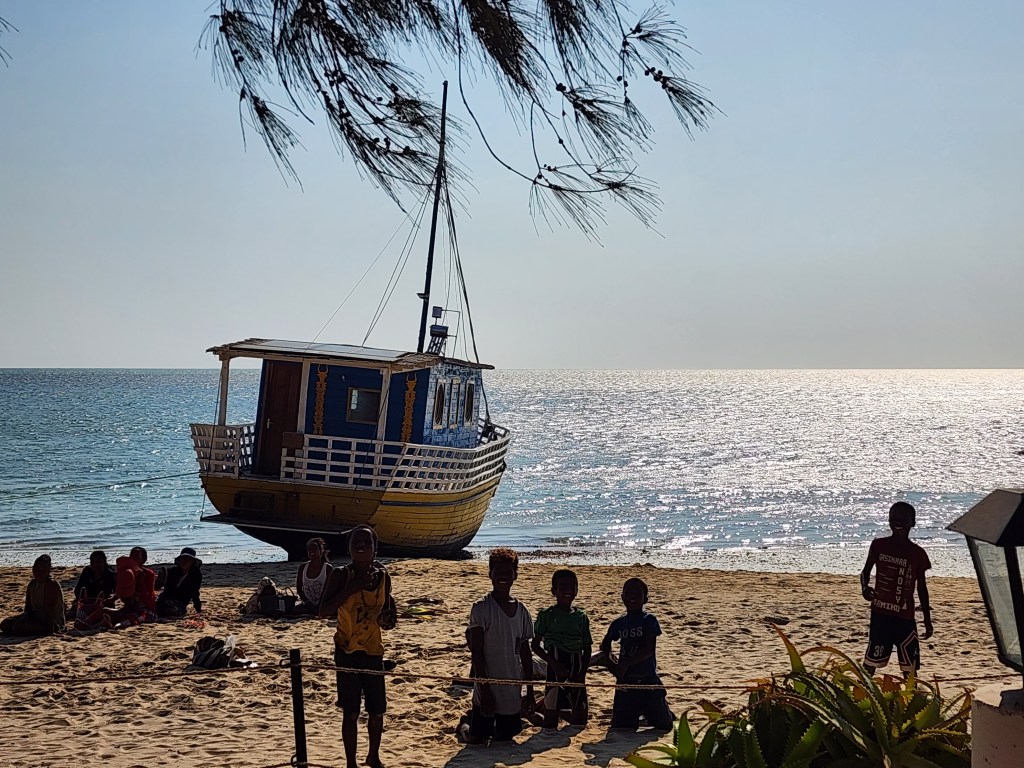
How much is enough? It’s a question that has intrigued philosophers, psychologists, and everyday people alike. Is it measured in dollars or possessions? The pursuit of more can feel endless—more productivity, more money, more material goods. But perhaps true fulfillment lies elsewhere.
According to pioneering author Geneen Roth, “Enough is not a quantity… It’s a relationship to what you already have.” Recognizing that you are already enough—physically, emotionally, spiritually—can empower you to feel happier and more effective in the present moment. It’s about finding contentment with what you have, rather than constantly striving for more.
Interestingly, studies suggest that an income range of $60,000 to $105,000 optimizes well-being. Beyond $60,000, happiness increases, but it flattens or even falls once we surpass $105,000. So, while money matters, there’s a point where it no longer significantly contributes to our well-being.
Ultimately, our true wealth may reside in the hearts we touch, the connections we nurture, and the positive impact we make on others.
The United States, a land of abundance, offers convenience, luxury, and material wealth. Yet, the treadmill of consumerism, long work hours, and societal pressures can leave us feeling unfulfilled. The pursuit of success often overshadows our well-being.
As human beings, we often seek happiness in the wrong places. We confuse wealth with true contentment. Perhaps it’s time to recognize that abundance lies not in material possessions, but in the richness of our experiences, relationships, and inner peace.
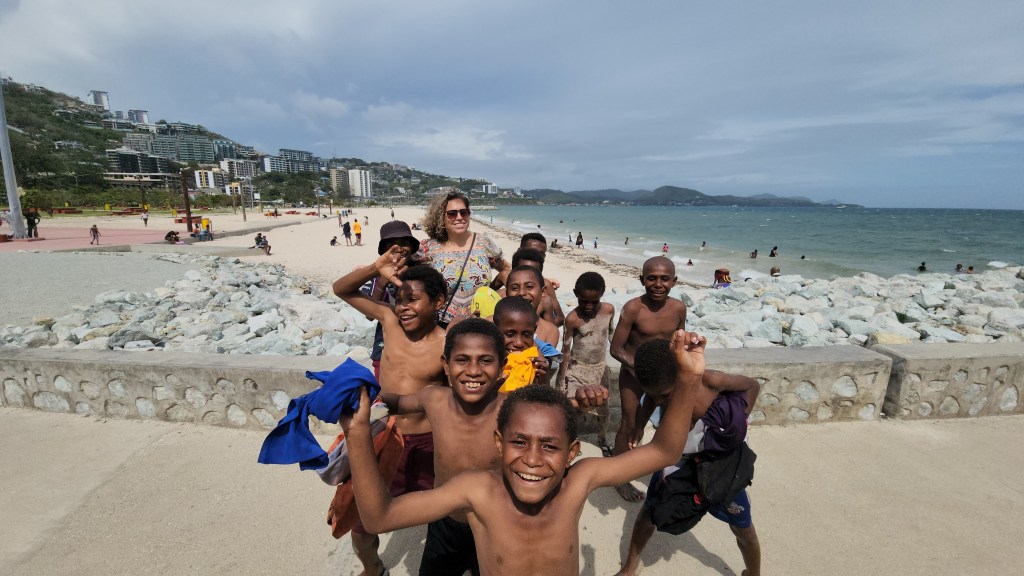
In remote areas, strong social connections prevail. People rely on each other for survival, fostering a sense of belonging and purpose. Simplicity often breeds contentment. These societies lack the distractions and complexities of modern life, allowing them to appreciate the basics—family, nature, and shared experiences. Facing adversity daily, these communities develop resilience. Their ability to find joy amidst hardship challenges our conventional notions of happiness.
Happiness transcends material possessions. It thrives in human connections, simplicity, and resilience. Perhaps the secret lies not in accumulating more, but in cherishing what truly matters. But, how much is enough?
Next time you travel, seek out those remote corners—the places where joy dances freely, unburdened by excess.
Note: As I reflect on this, I’m reminded that happiness is a multifaceted journey—one that intertwines culture, context, and individual perspectives. Remember, the pursuit of happiness isn’t about accumulating more; it’s about finding fulfillment in what truly matters.
 ameropasstravel.com