
Spiritual Himalayan Haven
The essence of Bhutan lies in its mystical and captivating nature, cultural treasures, and architectural marvels. This unique nation, nestled in the mighty Himalayas, offers an extraordinary experience that combines tradition with modernity.


go
The best time to visit Bhutan depends on your preferences and travel goals. Here are some considerations:

Trekking: If you’re interested in trekking, March to May is ideal. The weather is pleasant, and rhododendrons bloom spectacularly during this time.

Photography and Crowds: January/February offer clear air and light for photography. It’s also less crowded, allowing you to explore Bhutan’s spiritual side in temples and fortresses.

Festivals: October to December is great for clear skies and fresh air. However, if you want to experience Bhutan’s famous festivals, consider visiting during specific festival dates.

Wildlife: November is the best month to spot black-necked cranes.
do
Here are some must-do attractions in Bhutan:

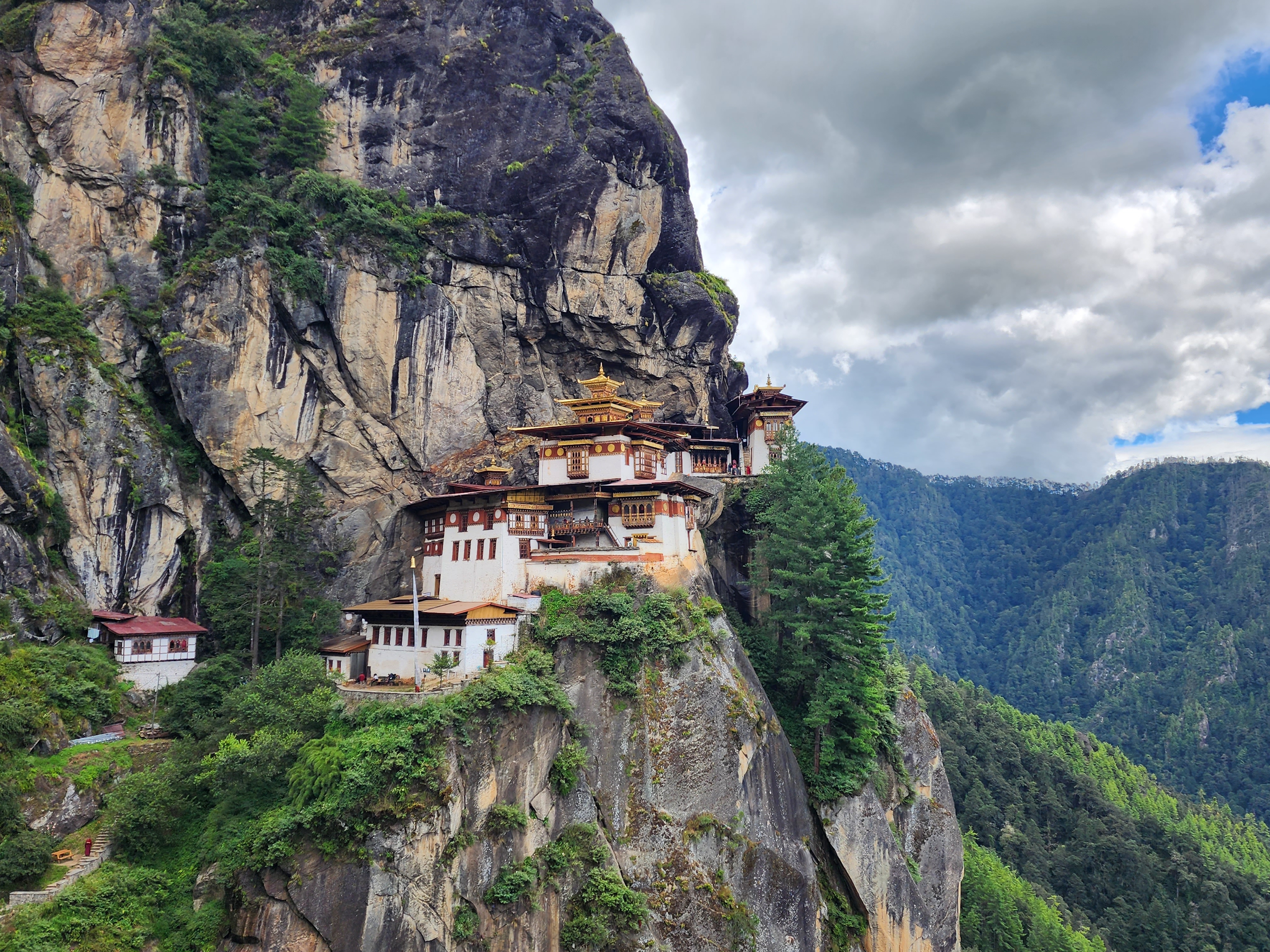
Tiger’s Nest Monastery (Taktsang Monastery): Perched dramatically on a cliffside, this iconic monastery offers breathtaking views and a spiritual experience. The hike to reach it is an adventure in itself.

National Museum of Bhutan: Located in Paro, this museum provides insights into Bhutanese history, art, and culture. It’s a great place to learn about the country’s heritage.

Buddha Dordenma: This massive bronze statue of Buddha overlooks Thimphu and is a symbol of peace and prosperity. The views from here are spectacular.

Punakha Dzong: Known as the “Palace of Great Happiness,” this fortress-monastery is one of Bhutan’s most beautiful and historically significant structures. It’s located at the confluence of two rivers.

Dechen Phrodrang Monastery: Situated in Thimphu, this monastery is a peaceful retreat where you can witness monks engaged in their daily rituals.

Changlimithang Stadium and Archery Ground: Archery is Bhutan’s national sport, and watching a traditional archery match here is a unique experience.

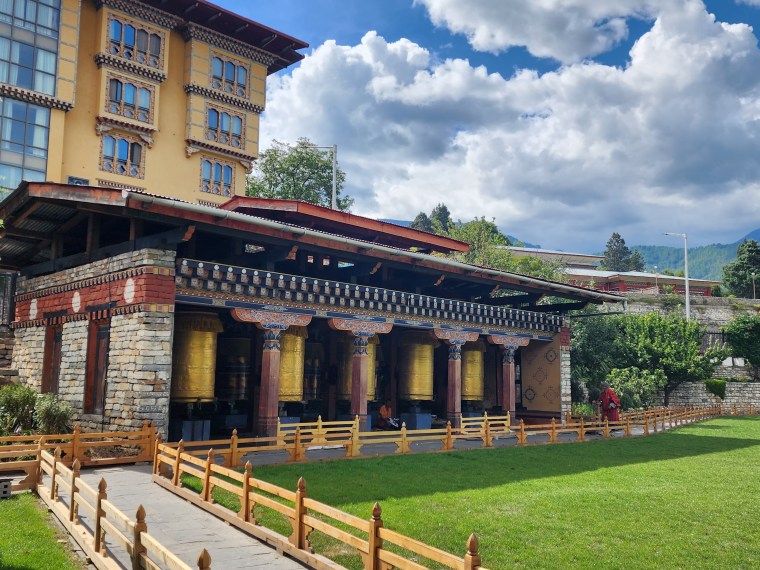
National Memorial Chorten: A stupa in Thimphu dedicated to world peace, surrounded by prayer wheels and colorful flags.

Tashichho Dzong: The main administrative building in Thimphu, it’s an impressive fortress with intricate architecture.

Motithang Takin Preserve: Visit to see the takin, Bhutan’s national animal, which resembles a mix of goat and antelope.

Phobjikha Valley: Known for its stunning glacial valley, it’s a great place for birdwatching and enjoying the serene landscape.
eat
When you’re in Bhutan, don’t miss these delightful dishes:

Ema Datshi: Bhutan’s national dish, made with chilies and local Bhutanese cheese. It’s a spicy and cheesy delight that you’ll find everywhere.

Kewa Datshi: Sliced potatoes sautéed with Bhutanese cheese and butter. A mild yet flavorful dish.

Shamu Datshi: Mushrooms cooked with cheese. Another tasty Bhutanese specialty.
tips
Here are some essential tips for visiting Bhutan:

Currency: The Bhutanese currency is the ngultrum (Nu.). It’s pegged to the Indian rupee at parity. One ngultrum is subdivided into 100 chhertum. Be sure to exchange your currency before your trip.

Independent Travel: While independent travel is now possible, using a tour operator is still recommended. They can enhance your experience and handle specialized interests like trekking or birding.

Book Early: If you plan to attend festivals or go trekking, book early. The high season during autumn and spring is ideal for these experiences.

Travel Insurance: Mandatory for obtaining a visa. Make sure you have it before your trip.

Two Airlines: Only two airlines fly to Bhutan: Drukair and Bhutan Airlines.

Carbon-Negative Country: Bhutan is the world’s first carbon-negative country.

Safety: Bhutan is exceptionally safe, but always take precautions.

Tiger’s Nest: Save the hike up to Tiger’s Nest Monastery for the end of your trip
 ameropasstravel.com