
The Heart of South America
Bolivia is a land of stunning landscapes, rich culture, and historical significance. Imagine towering Andes Mountains, the vast Amazon rainforest, and the mesmerizing Salar de Uyuni—the world’s largest salt flat. But it’s more than just nature; the landscapes feel sacred. Bolivia weaves together contrasts: rugged mountains alongside lush jungles, and ancient traditions harmonizing with modern life.

go
The best time to visit Bolivia is during the dry season, which runs from May to October. If you’re interested in hiking, trekking, climbing, or other outdoor activities, this is the ideal period. While the highlands can be cold, the weather is generally pleasant, and the skies are clear. Keep in mind that August is the most crowded month due to Bolivia’s Independence Day, so plan accordingly. During the wet season (from December to March), you’ll experience lush valleys and stunning views of the Uyuni salt flats. However, be prepared for increased rainfall during this time.
do
Here are some of the must-do attractions:

Huayna Potosi: Standing tall at over 6,000 meters, Huayna Potosi is one of the most beautiful places in Bolivia. This majestic mountain, with its snow-capped peak and challenging trails, beckons adventurers from all over the world. The ascent, while demanding, rewards climbers with panoramic views that are truly unparalleled. Every twist and turn on the trail reveals a new vista, from sprawling valleys to neighboring peaks.

Salar de Uyuni: The world’s largest salt flat, Salar de Uyuni, is a mesmerizing expanse of white, stretching as far as the eye can see. When it rains, the flat surface reflects the sky, creating a surreal mirror effect.

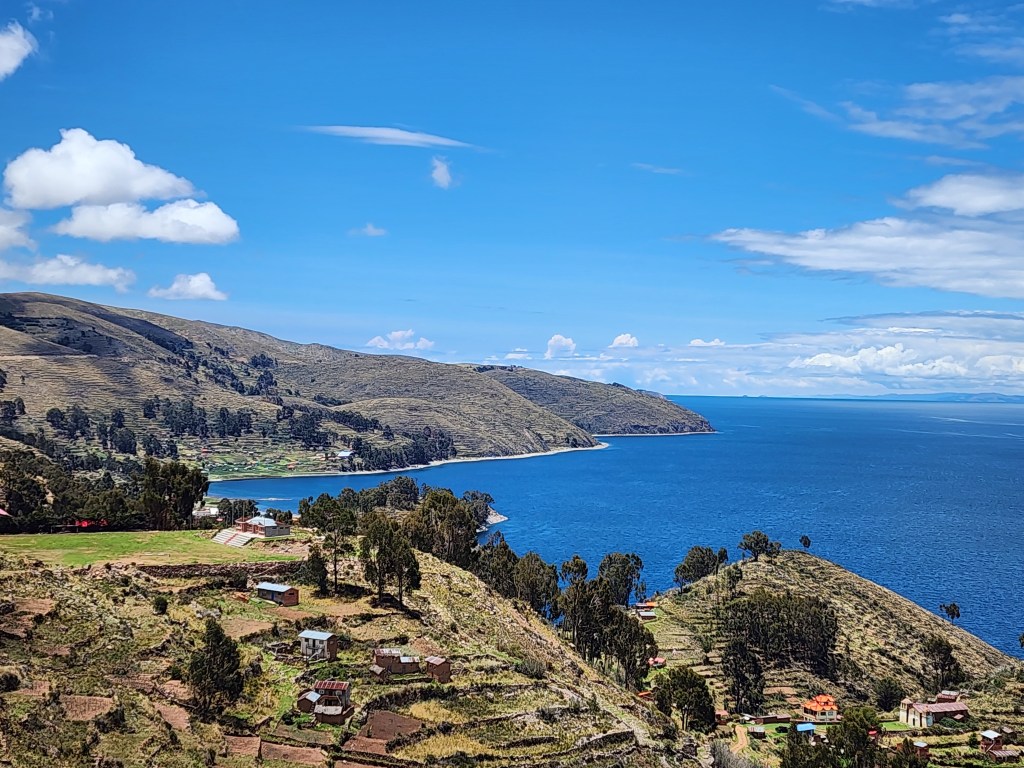
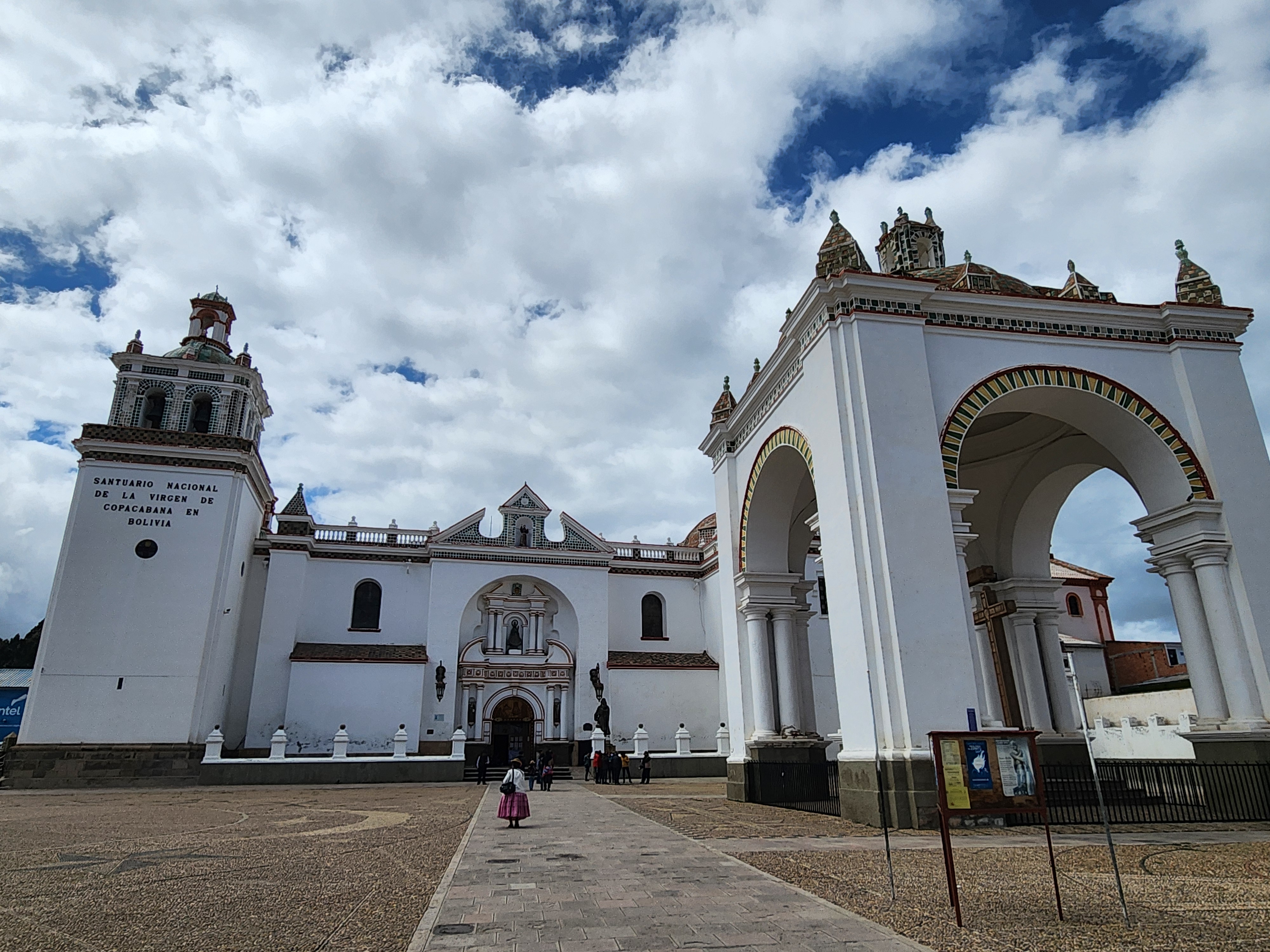
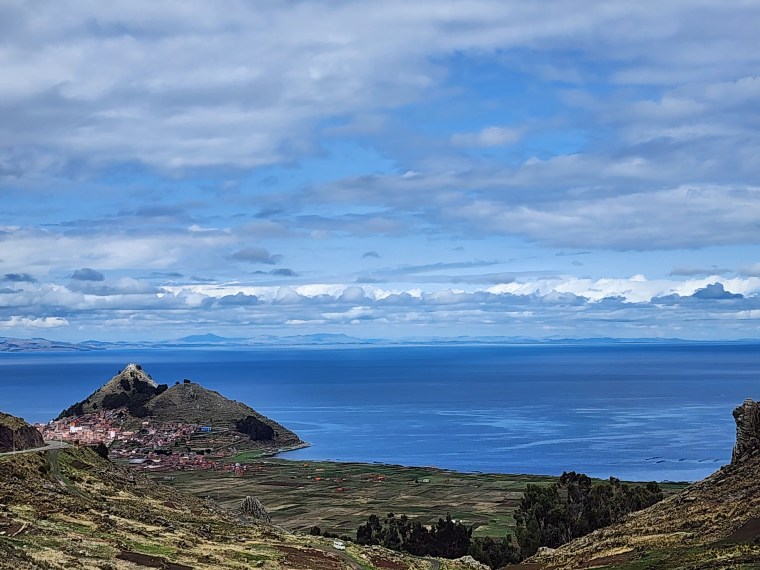
Lake Titicaca: Straddling the border between Bolivia and Peru, Lake Titicaca is the highest navigable lake in the world. Its crystal-clear waters are surrounded by snow-capped peaks and picturesque islands. Visit Isla del Sol (Island of the Sun) to explore ancient Inca ruins and enjoy breathtaking views of the lake and mountains.

Tiwanaku: This archaeological site near Lake Titicaca is a UNESCO World Heritage Site. Tiwanaku was once the capital of a powerful pre-Columbian civilization and is home to impressive stone structures, including the Gate of the Sun. Explore the ruins and learn about the fascinating history of this ancient civilization.

Yungas Road (Death Road): While its nickname might sound ominous, Yungas Road offers adrenaline junkies a thrilling experience. Known as the “Death Road,” this narrow, winding mountain road connects La Paz to the Yungas region. Cyclists and motorcyclists navigate steep cliffs and lush jungle scenery, making it an exhilarating adventure for those seeking an adrenaline rush

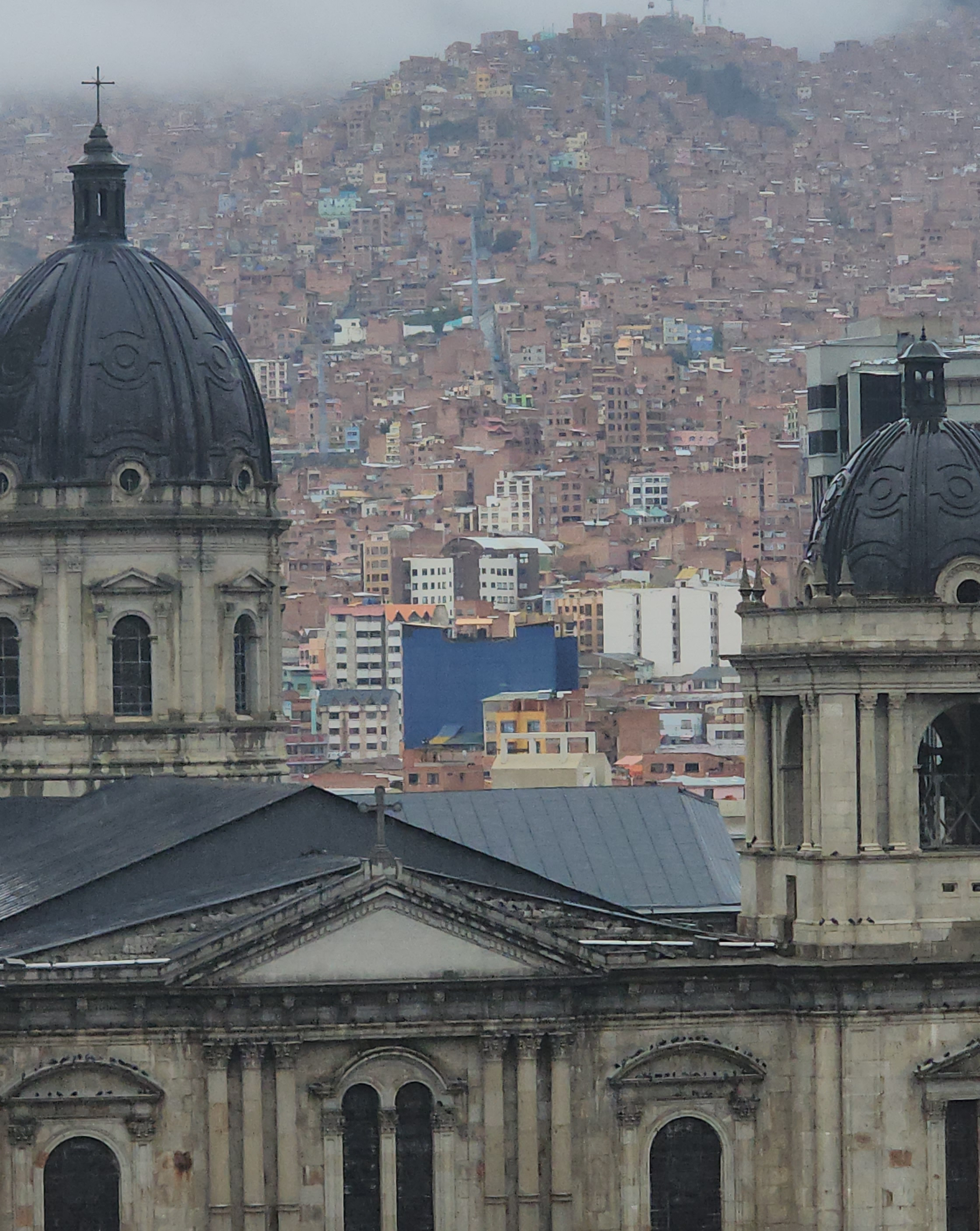
La Paz: Bolivia’s capital city, La Paz, is perched at a breathtaking altitude of over 3,600 meters. The city spills down the sides of a deep valley, with snow-capped peaks in the background. Explore the colorful markets, historic neighborhoods, and vibrant street life. Don’t miss the view from Mirador Killi Killi, where you can see the entire city spread out before you.

Potosi: Once one of the richest cities in the world due to its silver mines, Potosi is now a UNESCO-listed colonial gem. Explore the historic streets, visit the Casa de la Moneda (Mint House), and learn about the city’s fascinating past. The Cerro Rico (Rich Hill) looms over Potosi, a reminder of its mining legacy.

Madidi National Park: This pristine rainforest in northern Bolivia is teeming with biodiversity. Trek through lush jungle, spot exotic wildlife, and listen to the symphony of birds and insects. Madidi is a paradise for nature lovers and adventure seekers.

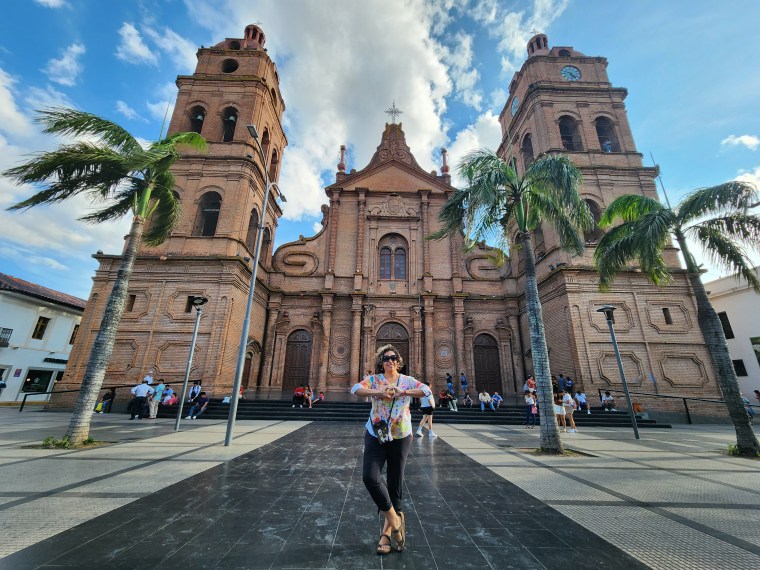
Sucre: Bolivia’s constitutional capital, Sucre, is a charming colonial city with whitewashed buildings and red-tiled roofs. Stroll through its historic center, visit the Casa de la Libertad (House of Freedom), and enjoy the pleasant climate. Sucre is a UNESCO World Heritage Site and a delightful place to explore.
eat
Here are some must-try Bolivian foods:

Anticucho: Skewered beef or chicken hearts, similar to Mediterranean shish kebabs. Look for Anticucheras, street food stalls throughout the country.

Cuñapé: A bread ball made from white cheese, egg, salt, milk, and yam flour. It’s popular in Eastern Bolivia and great for energy during exploration.

Empanadas de Queso: Bolivian empanadas with a cheesy center, available at street vendors.

Queso Humacha: A thick and creamy soup made with corn, green beans, potatoes, milk, Altiplano cheese, and an Andean spice called wacatya.

Sajta de Pollo: A juicy dish with chicken, potatoes, tomatoes, plain rice, and peanuts, often served for lunch or special occasions.
tips
Here are some useful tips to keep in mind:

Currency: The official currency in Bolivia is the boliviano (BOB). You can use it to settle all financial obligations in the country, including paying for goods, services, taxes, and debts.

Flexible Itinerary: Be prepared for transport delays. Roadblocks (bloqueos) due to protests can disrupt travel plans. Stay informed and allow extra time.

Health and Safety:
Get necessary vaccinations before traveling.
Bring antimalarial medication if heading to lowlands.
Protect against mosquito bites.
Prepare for altitude sickness.
Avoid tap water.
Don’t take coca products out of the country.
 ameropasstravel.com