
A Captivating Blend of Cultures
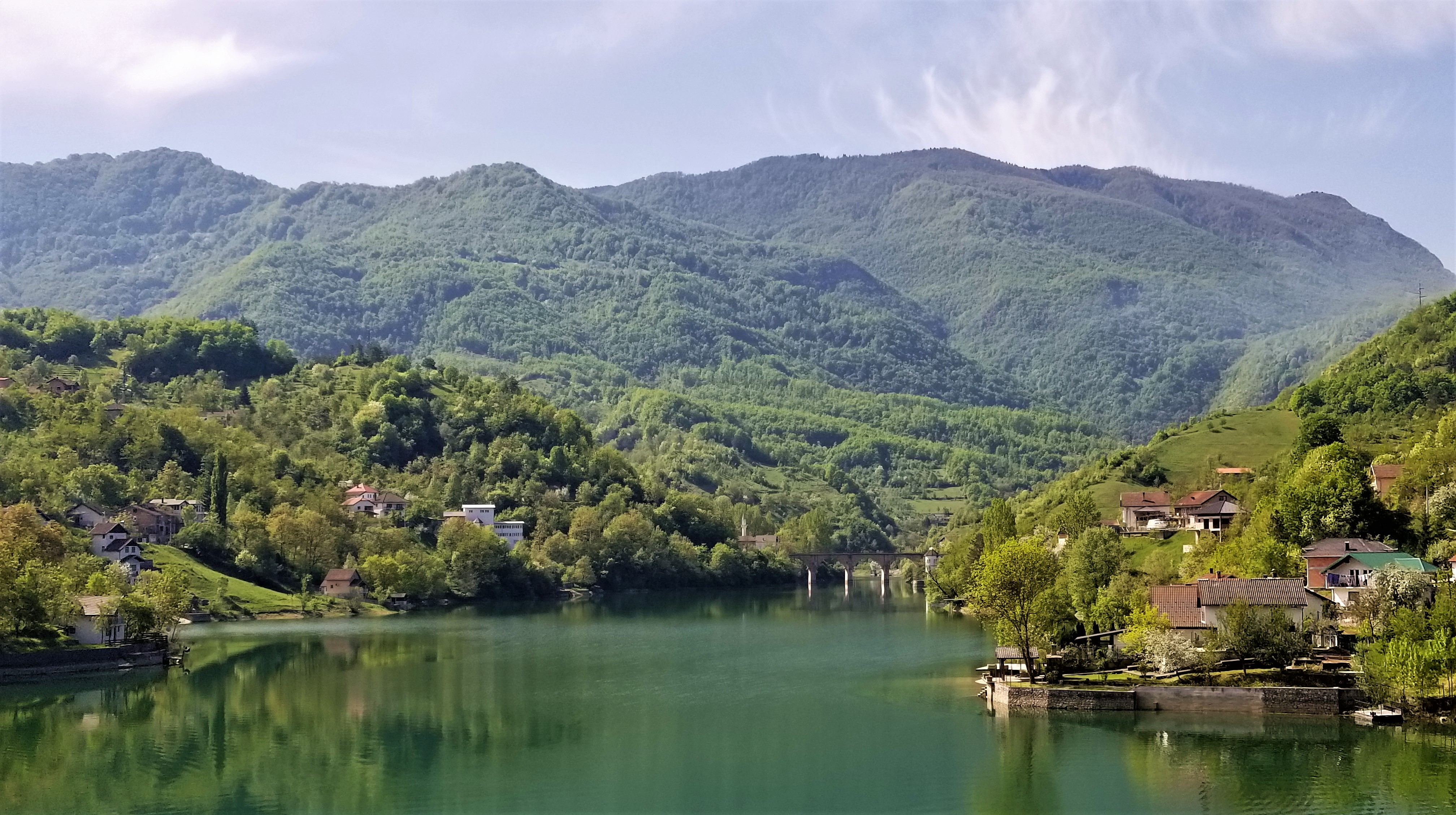
A captivating country with a rich history, stunning landscapes, and warm-hearted people. Mostly mountainous, it also has access to a tiny portion of the Adriatic Sea coastline in the south. Visitors will find well-restored historic cities, a warm and welcoming atmosphere, bustling city life, and medieval monuments.
go
The best time to visit Bosnia is from June to September, during the summer peak season. The weather is pleasantly warm, making it ideal for outdoor activities. July and August offer drier conditions compared to the slightly rainier months of June and September. Additionally, spring (March to May) and fall (September to November) are also great times to visit for mild weather and fewer tourists. If you prefer colder weather and snow, consider visiting from October to March, with fewer tourists and limited activities.
do
Here are some of the most-do attractions:

Travnik: This pretty mid-sized town balances its interesting past as the capital and stronghold of the erstwhile viziers of the old Ottoman sub-region with modern-day adventure sports and outdoorsy draws. Explore traditional eastern-style edifices, two unique Ottoman clock towers, and a handsome 15th-century old town heart.

Jahorina: Known for its best-loved ski field in all of Bosnia, Jahorina attracts snow lovers and summertime hikers alike. With lifts, pistes, and 30 kilometers of groomed alpine runs, it’s a paradise for winter sports enthusiasts. Don’t miss the nearby Orlovaca cave system and the charming town of Pale.

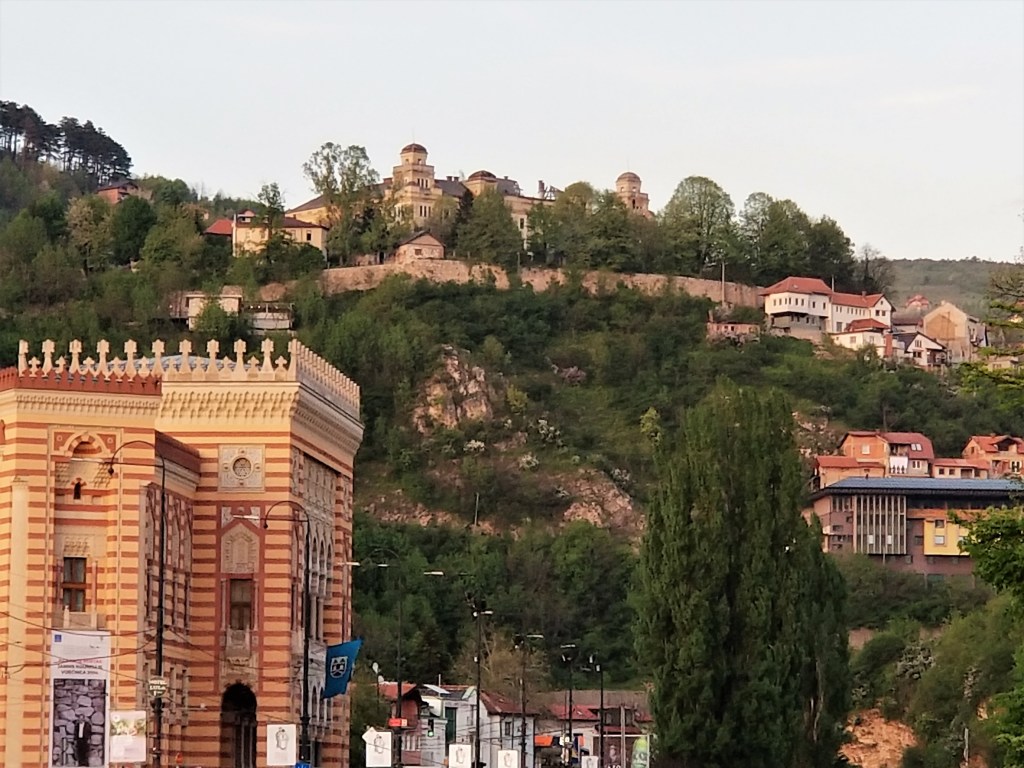
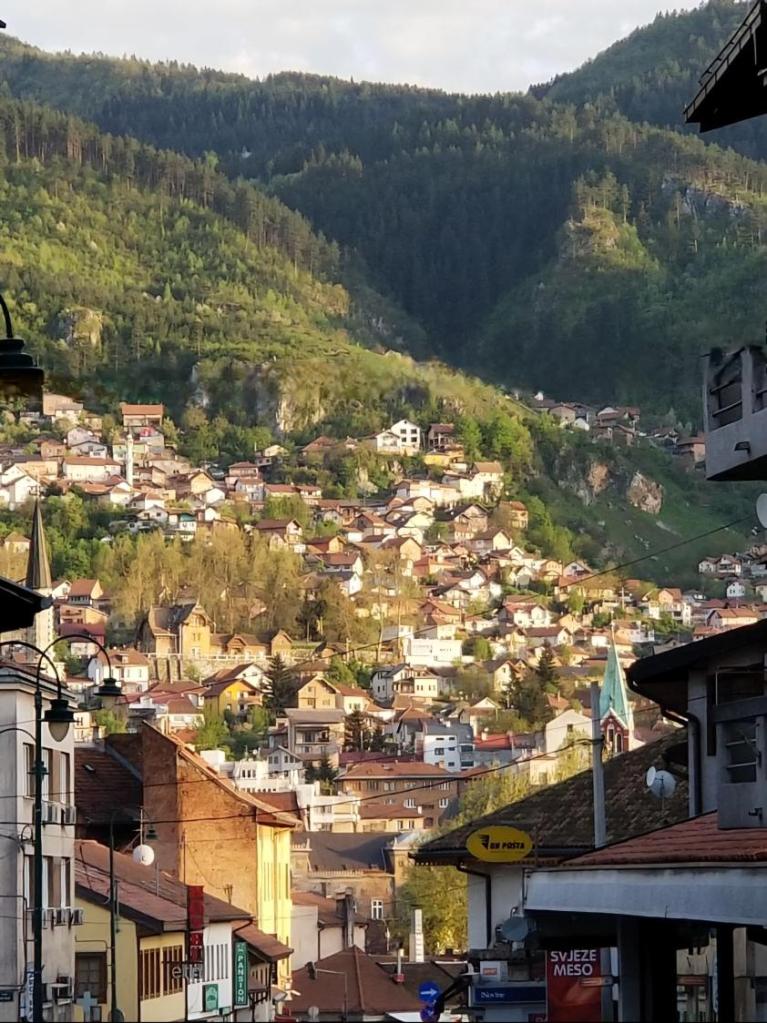
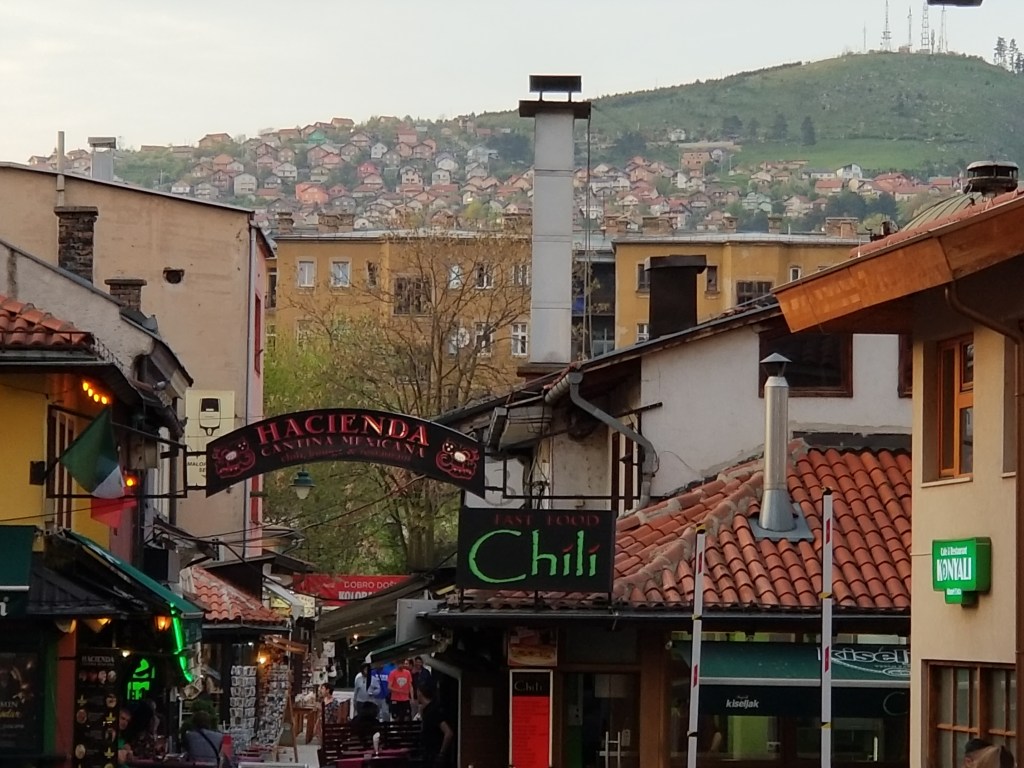
Sarajevo: Once ravaged by war, Sarajevo has transformed into a bustling European capital. Striking mosques, enchanting bazaars, and modern art museums coexist harmoniously. Explore the city’s rich history while enjoying its newfound confidence and panache.

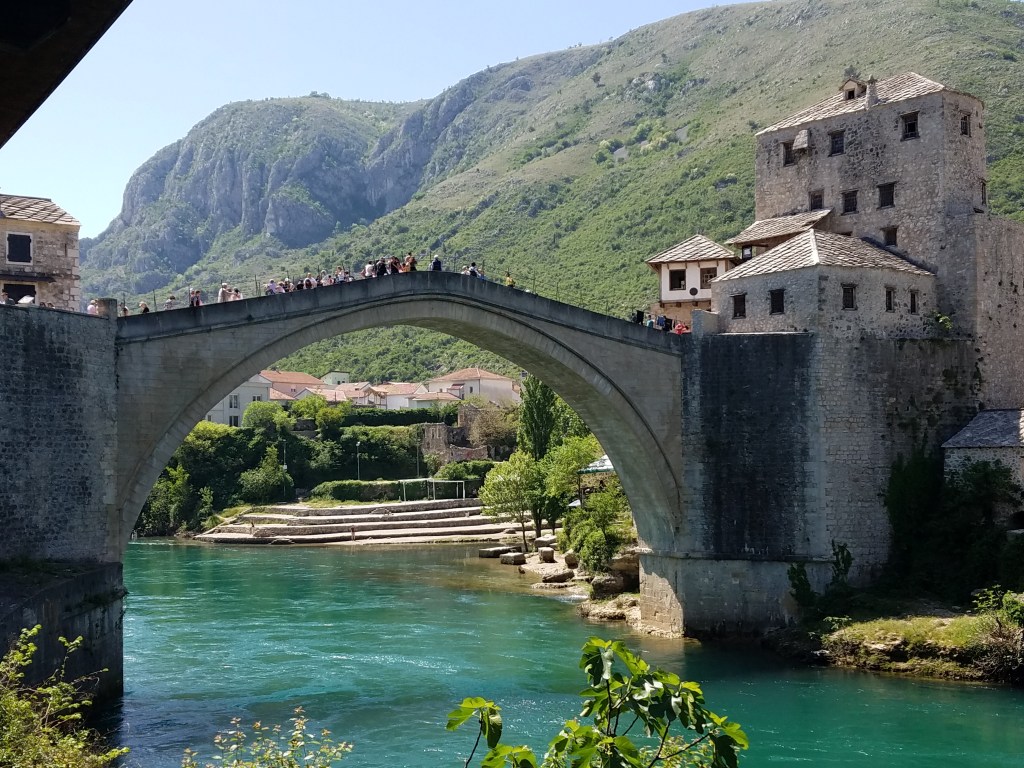
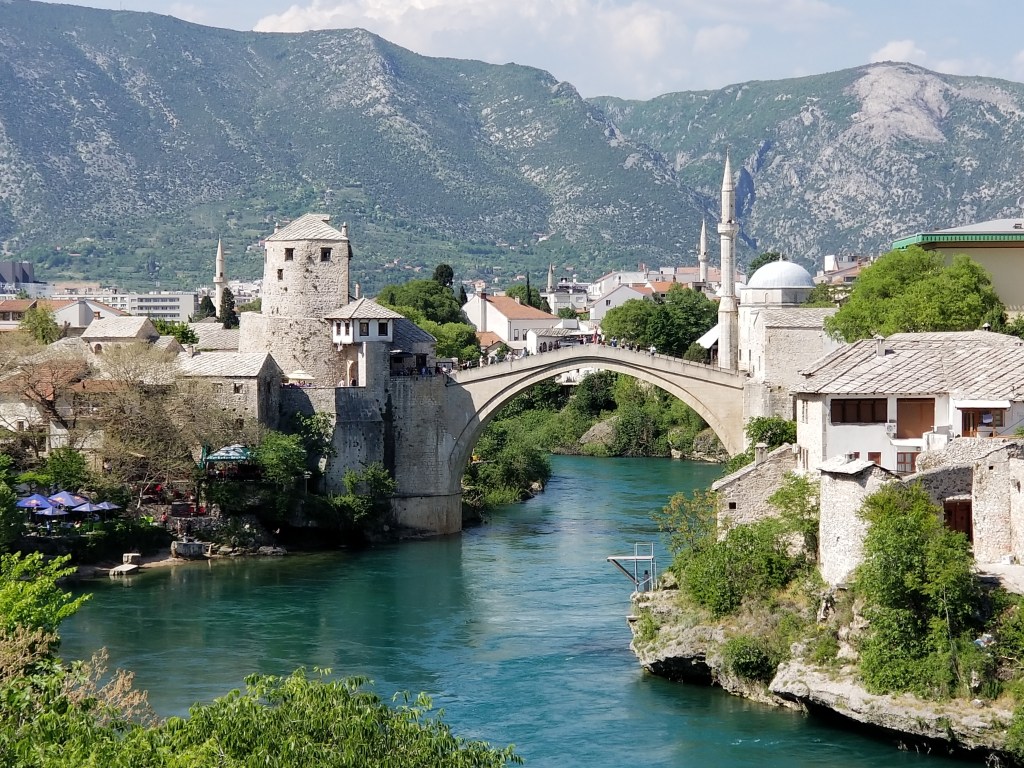
Mostar Bridge: A 16th-century bridge in Mostar, it crosses the Neretva River and is an iconic symbol of the city.

Latin Bridge: Known for its historical significance, this bridge witnessed the assassination of Archduke Franz Ferdinand, which triggered World War I.

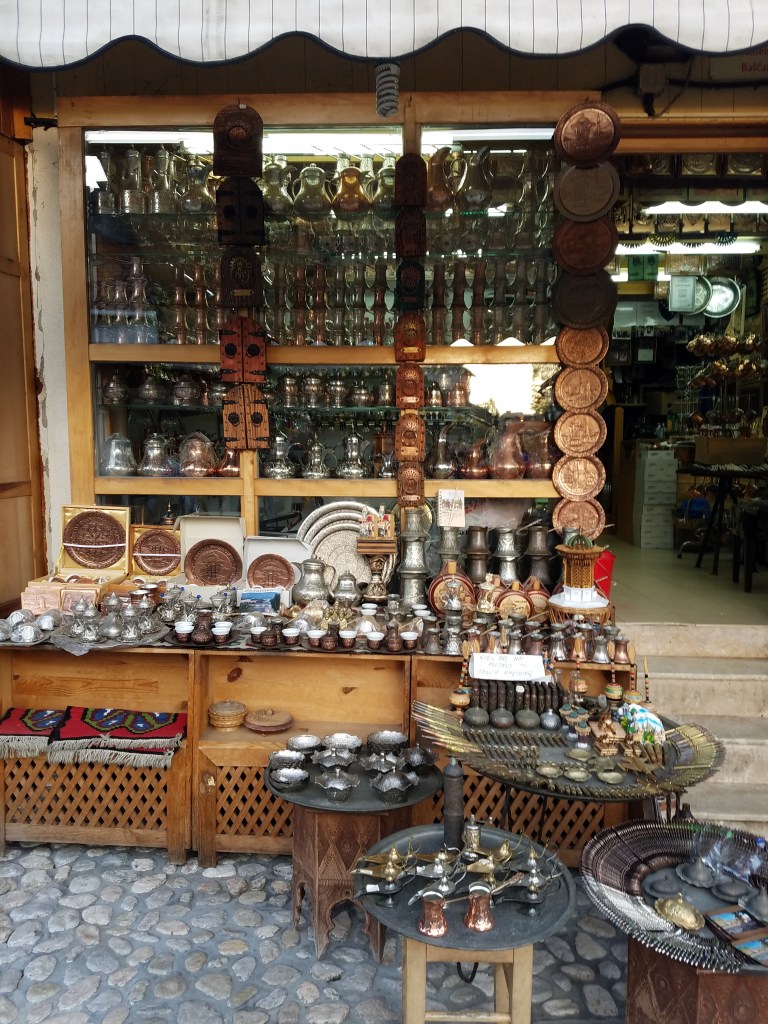
Bascarsija: Wander through this historic bazaar in Sarajevo, filled with charming streets, shops, and traditional crafts.

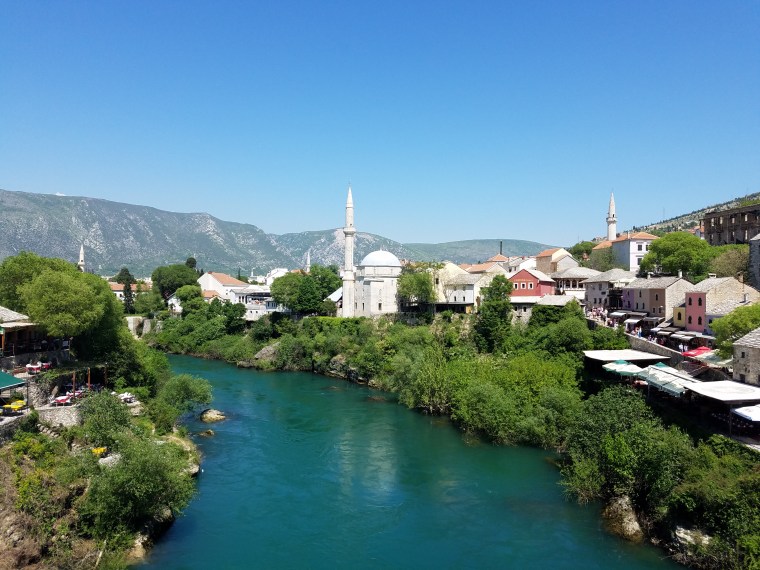
Mostar Old Town: Discover the blend of Ottoman, Byzantine, and Balkan styles in the ancient streets of Mostar.

Gazi Husrev-beg Mosque: A beautiful mosque in Sarajevo, known for its intricate architecture and historical importance.

Old Town Hall: Explore this elegant building in Sarajevo, which houses the National Library and the Museum of Sarajevo.

Yellow Fortress: Climb up to this hilltop fortress in Sarajevo for panoramic views of the city and surrounding mountains.
eat
Here are some must-try traditional Bosnian dishes:

Ćevapi: These minced meat sausages are considered the national dish of Bosnia and Herzegovina. They’re typically served on flatbread (lepina or somun) with chopped onions, sour cream, kajmak (milk cream), ajvar (relish), and salt.

Burek: A savory pastry filled with minced meat, cheese, or spinach. It’s flaky and delicious.

Dolma: Stuffed grape leaves or vegetables (like peppers or zucchini) filled with a mixture of rice and minced meat.

Sarma: Cabbage rolls stuffed with minced meat and rice, cooked in a tomato-based sauce.

Pilav (Pilaf): A flavorful rice dish often served with meat or vegetables.

Gulaš (Goulash): A hearty stew made with tender chunks of meat, potatoes, and spices.

Ajvar: A relish made from roasted red peppers, garlic, and eggplant. It’s perfect as a dip or spread.

Begova Čorba (Bey’s Soup): A thick and creamy chicken and okra stew.

Tufahija: A dessert made with poached apples stuffed with walnuts and topped with whipped cream.

Smokvara: A sweet treat made from dried figs and walnuts.
tips
Here are some useful tips:

Currency: The official currency is the Bosnian Convertible Mark (BAM). Cash is widely accepted, so ensure you have some on hand.

Safety: Bosnia is perfectly safe for tourists, with low crime rates. The war ended in the 90s, and people live normal lives there. Monitor local media for safety updates.

Local Laws: Be aware of local laws; drug possession and use carry stiff penalties.

Entry Rules: Check entry requirements before your trip.

Nature: Explore the stunning natural beauty, including mountains and hiking trails.

Getting Around: Use guided tours to experience historical and natural sites.

Budget-Friendly: Bosnia is one of the cheapest countries in Europe.

Weather: Be prepared for unpredictable weather, especially in Sarajevo.

Pickpockets: Watch out for pickpockets in crowded areas.

Free Walking Tours: Take advantage of free walking tours to learn about the history and culture.
 ameropasstravel.com