
Tropical, Diverse, Lively, and Colorful
Brazil, a vast South American country, boasts diverse landscapes, including the Amazon rainforest. Its vibrant culture celebrates freedom and unity, while its colonial history reflects resilience.



go
The best time to visit Brazil is during its summer, which occurs from December through March in the southern hemisphere. Here’s why:

Weather: Summer offers lush greenery, sunny skies, and warm temperatures, making it ideal for outdoor activities and exploration.
Festivals: Christmas, New Year’s, Carnaval, and Easter celebrations happen during this time.
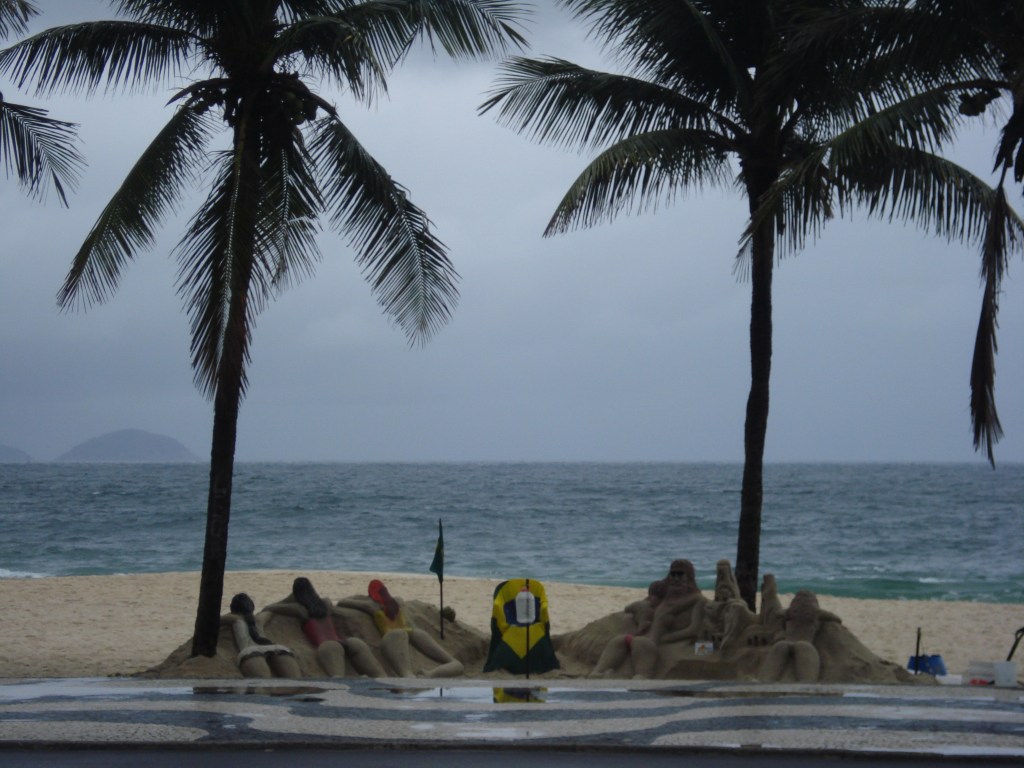
Beaches: With rising heat, beach days are a must! In Northeast Brazil, temperatures range from the low 80s to mid-90s (Fahrenheit).
do
 Here are some must-do attractions:

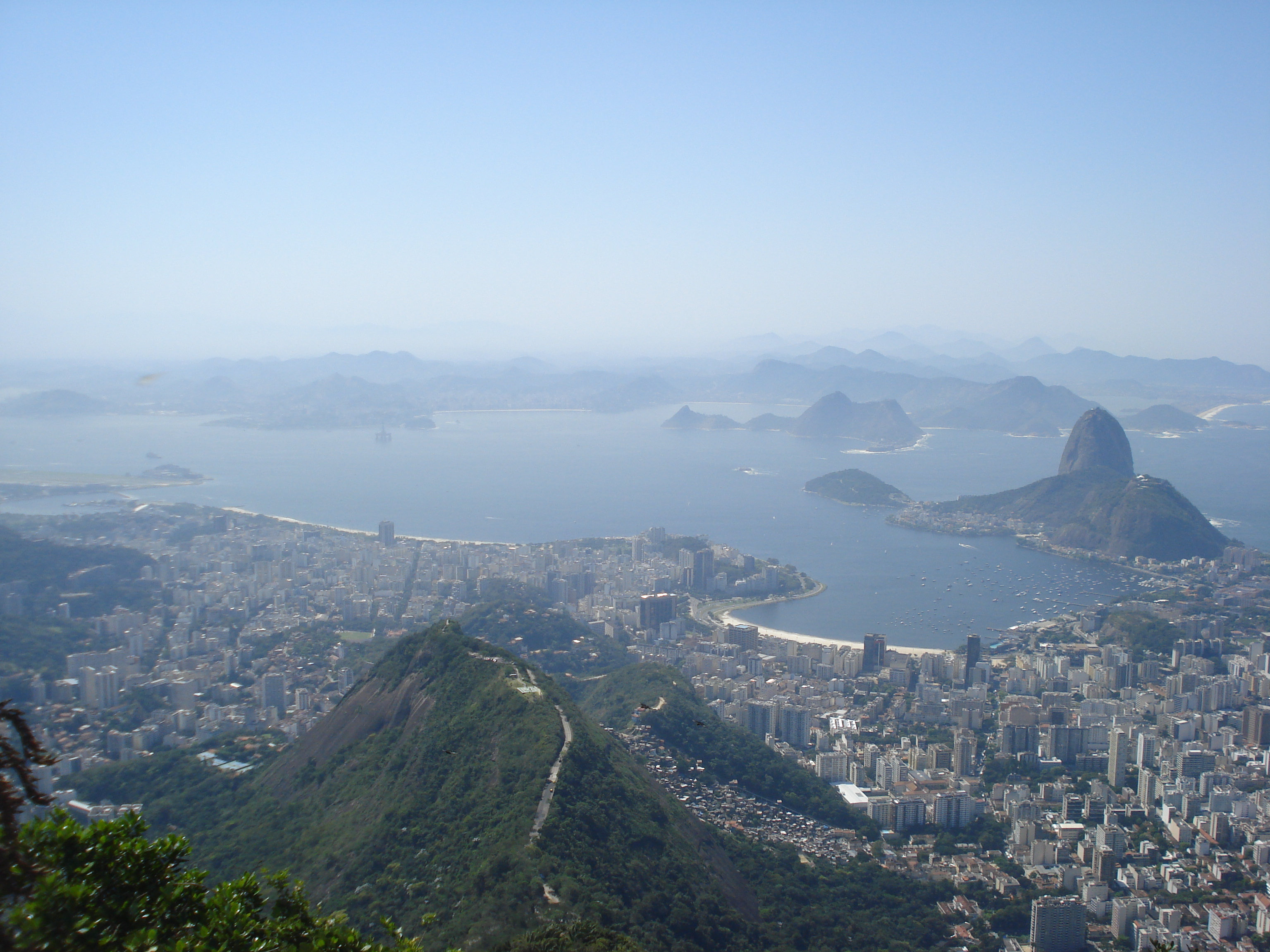
Cristo Redentor and Corcovado, Rio de Janeiro: The colossal Art Deco statue of Christ the Redeemer stands atop Corcovado Mountain, offering breathtaking views of Rio de Janeiro and its bay. The railway ride to the summit through lush forests adds to the experience.

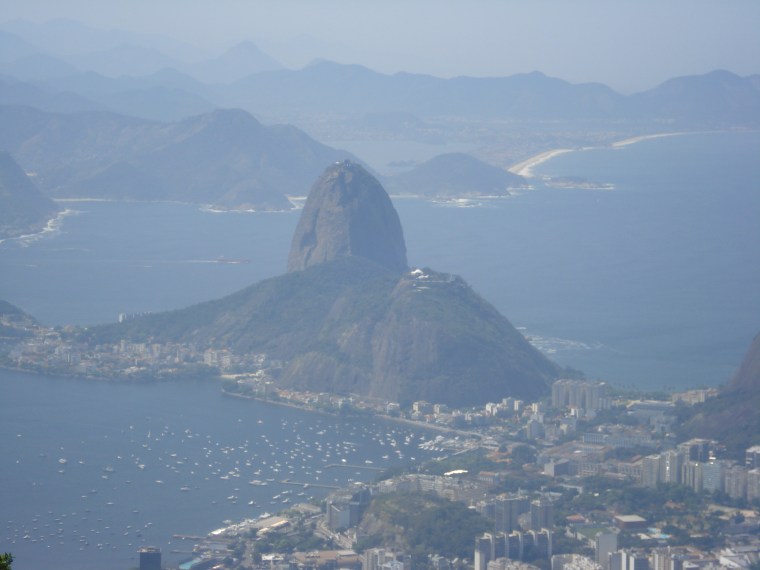
Sugar Loaf, Rio de Janeiro: This iconic rock peak rises dramatically above the city, providing panoramic vistas of Rio’s beaches and skyline. It’s a must-see landmark for visitors.

Iguaçu Falls: Straddling the border between Brazil and Argentina, Iguaçu Falls is a jaw-dropping natural wonder. The thundering waterfalls surrounded by lush rainforest create an unforgettable spectacle.

Amazon Rainforests: Explore the world’s largest tropical rainforest in the Amazon basin. Discover diverse wildlife, indigenous cultures, and pristine landscapes
Carnaval, Rio de Janeiro: Join the vibrant festivities during Rio’s famous Carnaval. Samba parades, colorful costumes, and pulsing rhythms make it an exhilarating experience.

Brasília’s Modernist Architecture: Visit the capital city, Brasília, known for its futuristic architecture designed by Oscar Niemeyer. The National Congress building and other structures are architectural marvels.

Jericoacoara: A hidden gem on Brazil’s northeastern coast, Jericoacoara offers stunning beaches, sand dunes, and crystal-clear lagoons. It’s a paradise for nature lovers and water sports enthusiasts.

Salvador’s Pelourinho: Explore the historic district of Salvador, known for its colorful colonial buildings, lively music, and Afro-Brazilian culture. The Pelourinho area is a UNESCO World Heritage Site.

Ouro Preto: Step back in time in this well-preserved colonial town. Its cobblestone streets, baroque churches, and gold-mining history make it a unique destination.

Museu do Amanhã (Museum of Tomorrow), Rio de Janeiro: This futuristic museum focuses on sustainability, science, and the future of our planet. Its innovative design and interactive exhibits are thought-provoking.
eat
Here are some must-try Brazilian foods:

Feijoada: Brazil’s national dish, a rich stew made with black beans, various cuts of pork, and vegetables. Served with rice, farofa (toasted cassava flour), and a slice of orange.

Farofa: A salty dish made from bacon and cassava flour, often served with rice and beans.

Moqueca de Camarão: A slow-cooked prawn stew with coconut oil, milk, and vegetables, served piping hot in a clay pot.

Vatapá: A thick Bahian stew made from shrimp, bread, ground peanuts, coconut milk, and palm oil, commonly eaten with rice and acarajé (a cowpea fritter).
tips
Here are some useful tips:

Currency: The official currency of Brazil is the Brazilian Real (BRL). Its symbol is R$, and it is subdivided into 100 centavos.

Carry Small Bills and Coins: Many places may not accept larger bills, so having smaller denominations is helpful.

Be Cautious with Credit and Debit Cards: Fraud is prevalent in Brazil, so use cards at reputable establishments. Keep an eye on your account for any suspicious activity

Embrace Brazil’s Cultural Melting Pot: Brazil is a blend of Portuguese, African, European, and Brazilian influences. Be open to experiencing capoeira, feijoada (Brazil’s national dish), and samba rhythms.

Stay Hydrated and Protect Your Skin: Brazil is tropical, so drink plenty of water and wear sunscreen, sunglasses, and a hat. Avoid sun exposure between 10 am and 4 pm.

Be Cautious and Aware:
Avoid displaying signs of wealth.
Use official taxis or Uber.
Be careful with street food and drinks.
Watch your belongings and avoid certain areas at night.

Learn Basic Portuguese Phrases: While English and Spanish aren’t widely spoken, knowing a few Portuguese phrases can be helpful.
 ameropasstravel.com