
Affordable, Fun, Stunning
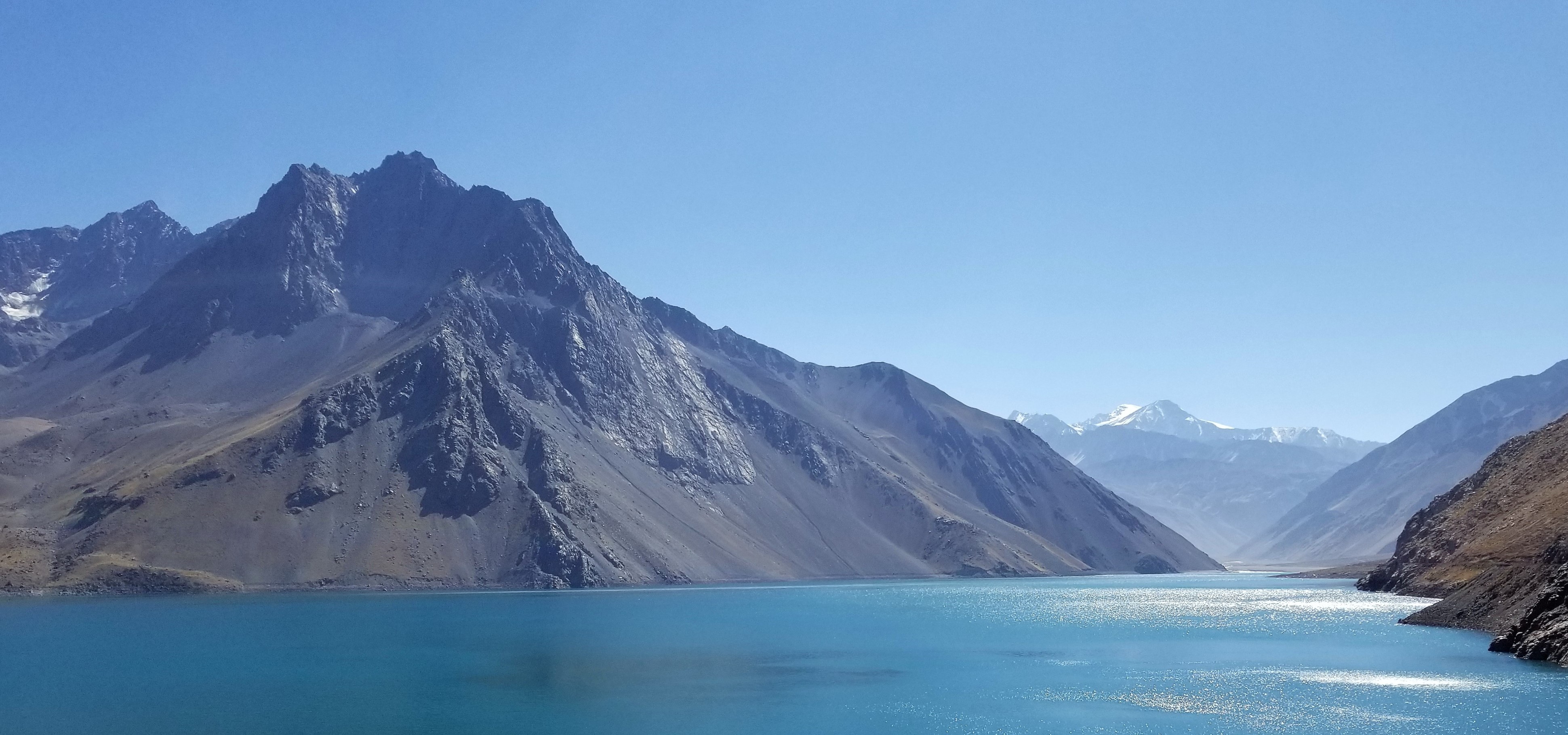
Chile, the longest country on Earth, stretches along the western seaboard of South America, nestled between the majestic Andes Mountains and the Pacific Ocean. Its average width is a mere 110 miles, yet it boasts diverse landscapes, from the driest desert, the Atacama, to lush forests and pristine lakes.

go
The best time to visit Chile depends on your interests and budget. Here’s a breakdown:

High Season (November to February): Patagonia is at its best during these months, and the beaches are crowded. However, it’s also the most expensive time to travel.
Shoulder Season (September to November & March to May): These are great times for budget travelers. Santiago’s weather is pleasant, and fall foliage colors appear in the south.
Low Season (June to August): Ideal for skiing, especially from June to August. The north is less crowded, but some services may be limited due to snow.

For an ultimate Chile experience without breaking the bank, consider visiting during spring (September to November) or fall (March to May) when prices are lower and crowds are minimal.
do
Here are some of the must-do attractions:

Torres Del Paine National Park: Located in southern Patagonia, this stunning national park features mountains, glaciers, and lakes. The Cordillera del Paine, with its three granite peaks, dominates the breathtaking scenery.

Valle de la Luna and the Atacama Desert: The Atacama Desert is the world’s driest desert, and Valle de la Luna (Valley of the Moon) offers otherworldly landscapes with salt flats, sand dunes, and unique rock formations.

Easter Island & Rapa Nui National Park: Famous for its mysterious stone figures (moai), Easter Island is a UNESCO World Heritage Site. Explore the ancient culture and marvel at the moai statues.

Santiago: As Chile’s cultural capital, Santiago boasts fine museums, art galleries, and historic architecture. Don’t miss the Museo Chileno de Arte Precolombino (Chilean Museum of Pre-Columbian Art) and other cultural attractions

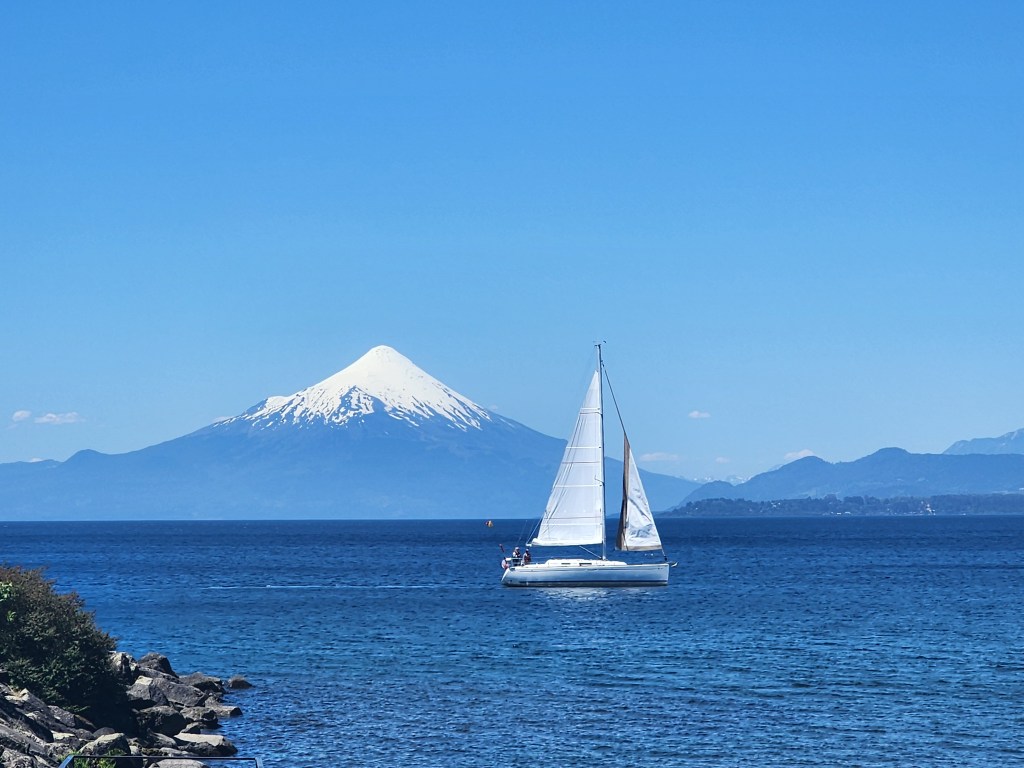
The Chilean Lake District: Known for its pristine lakes, snow-capped volcanoes, and lush forests, this region is perfect for outdoor enthusiasts. Explore the charming towns of Puerto Varas and Pucon.

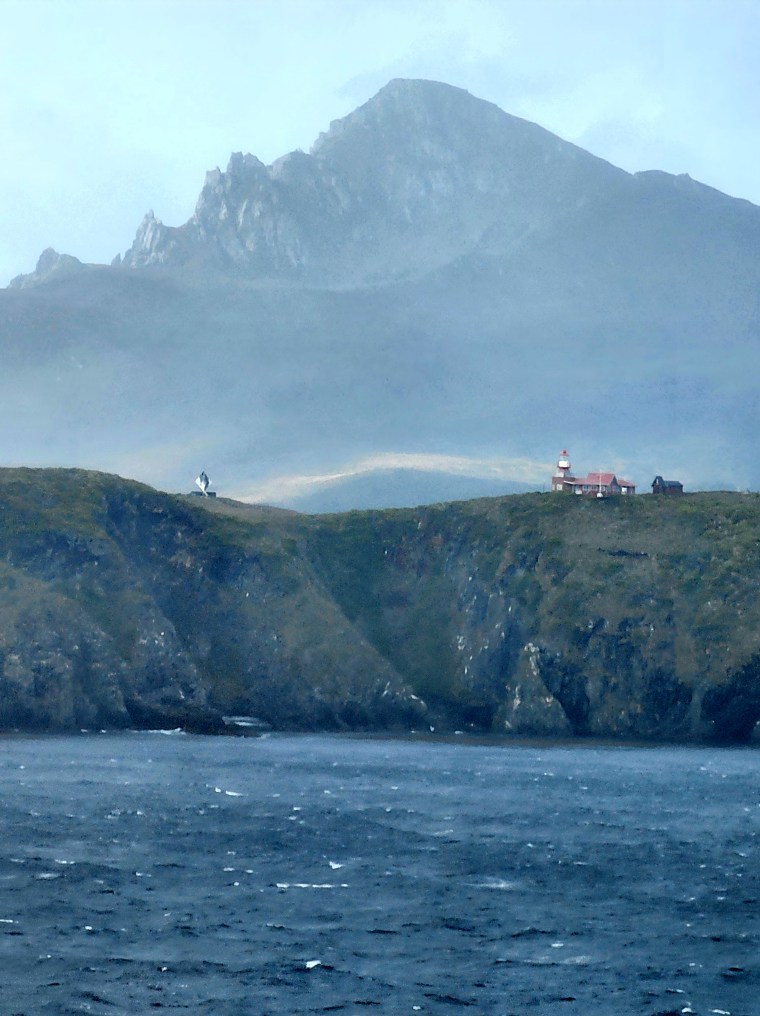
Cape Horn: The southernmost point of South America, Cape Horn offers dramatic coastal views and a sense of adventure.

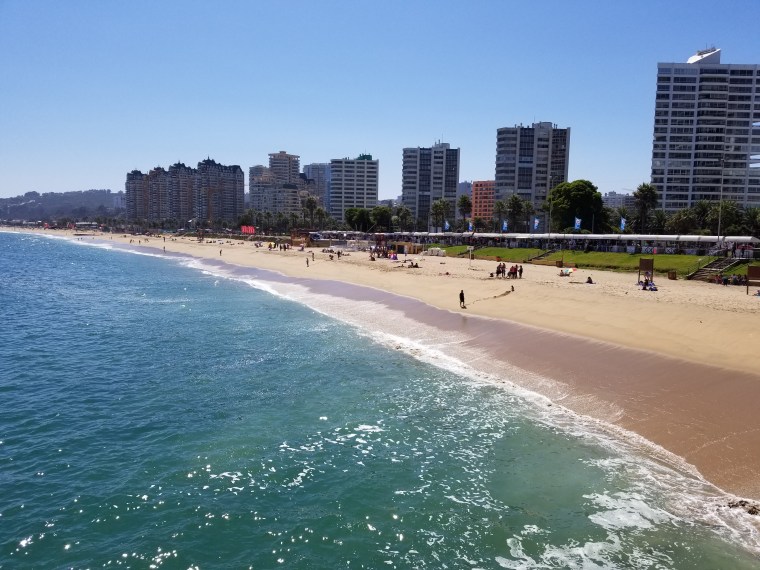
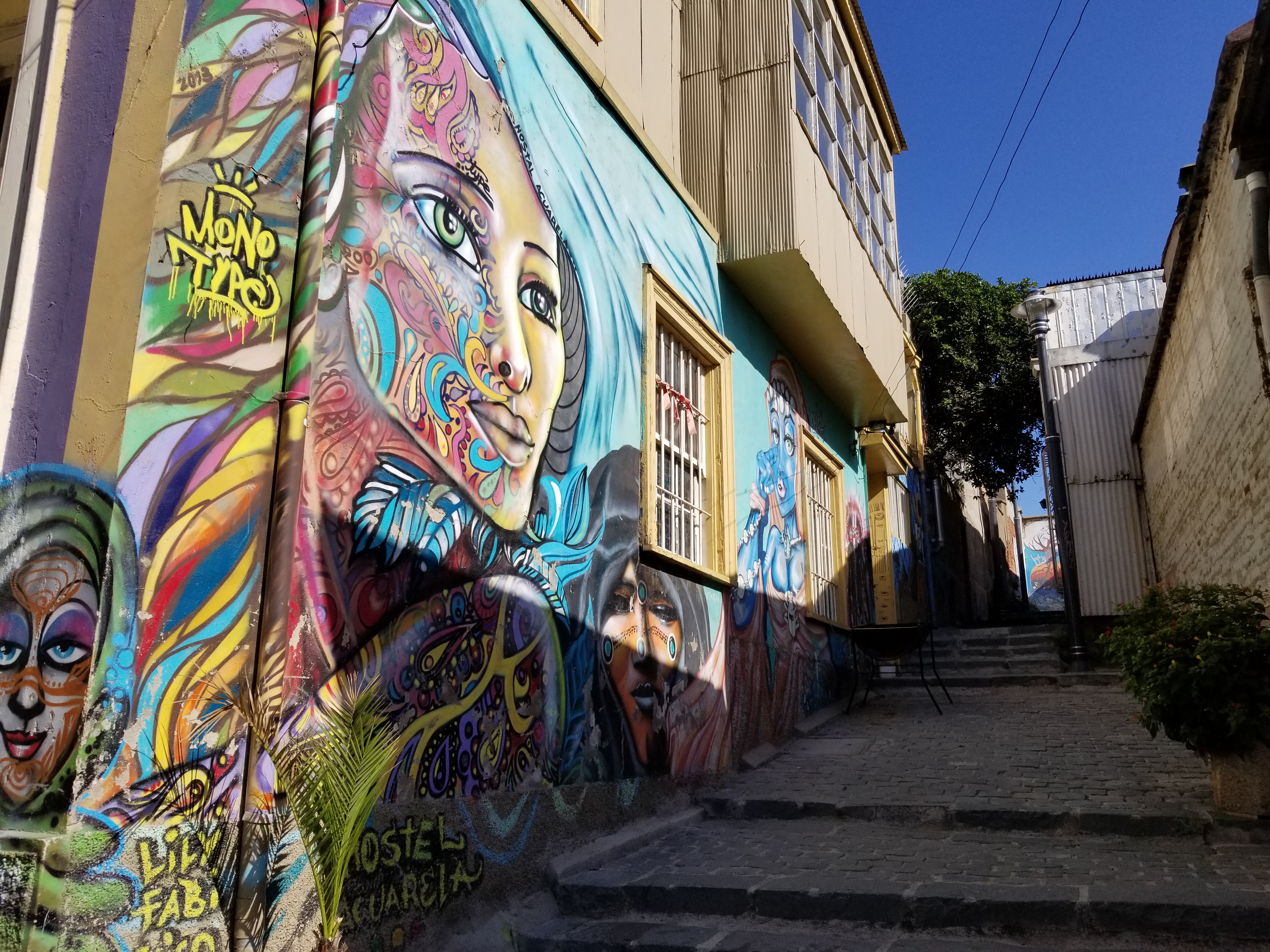
Valparaíso: A colorful port city with vibrant street art, funiculars, and a bohemian atmosphere. Explore the hills and enjoy the views of the Pacific Ocean.

Lauca National Park: Located in the Andes, this park features high-altitude lakes, volcanoes, and unique wildlife. It’s a great spot for birdwatching and photography.

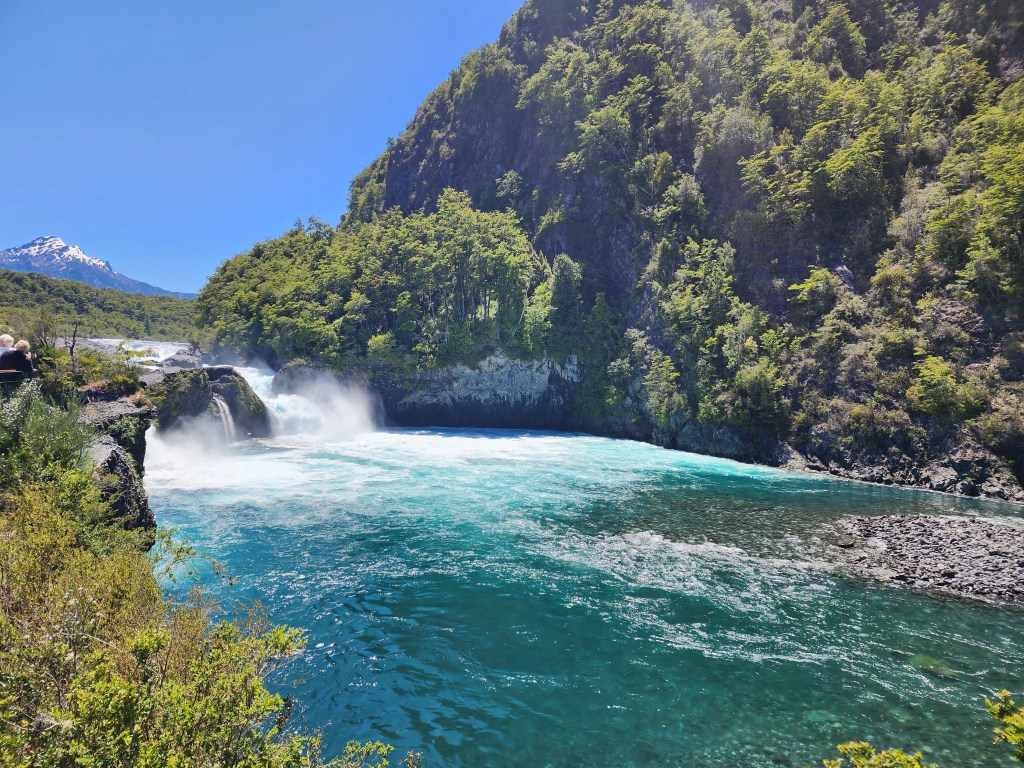
Pumalín Park: A private nature reserve with lush rainforests, waterfalls, and hiking trails. It’s a hidden gem for nature lovers.

Los Pingüinos Natural Monument: Visit Magdalena Island to see a large colony of Magellanic penguins in their natural habitat.
eat
Here are some must-try foods in Chile:

Pastel de Choclo: A savory corn pie filled with ground beef, onions, basil, and paprika. Often served with a side of fresh tomato salad and Chilean red wine.

Empanada de Pino: A popular snack made with savory pastry dough filled with ground beef, cooked onions, olives, and hard-boiled egg. It’s like a mini calzone and a Chilean favorite.

Pan Batido con Palta: A simple dish of bread topped with mashed avocado (palta) and a hint of salt. A staple in the Chilean diet, often enjoyed for breakfast or as a light dinner.

Cazuela: A homemade stew with ingredients like beef (or chicken), onions, carrots, pumpkin, potatoes, rice, and corn husks.
tips
Here are some useful tips:

Currency: The official currency in Chile is the Chilean Peso (CLP). It’s represented by the code CLP on foreign currency markets. When exchanging money, use local currency to avoid high fees on currency exchange.

Learn Basic Spanish: Chileans are generally shyer than other Latin Americans, so knowing some basic Spanish will help you connect with locals. Outside major hotels and business districts, English speakers are less common, especially in rural areas.

Pack Layers: Chile’s temperatures drop considerably at sundown, regardless of the region. Always bring an extra layer, even if it’s a hot day.

Use WhatsApp for Communication: Emails may take days for a response. For quicker communication, use WhatsApp when booking tours, hotels, or restaurant reservations.

Expect Late Meals: Lunch is typically between 1:30 pm and 3:30 pm, while dinner starts after 8 pm (and can go as late as 10 pm). If you prefer eating earlier, try Chile’s “fourth meal” – an afternoon tea with bread, cheese, meat, eggs, mashed avocado, and something sweet.

Embrace the Sobremesa: Chileans enjoy lingering after meals, so don’t rush. Engage in conversation and savor the moment.

Be Prepared to Queue: Whether it’s for empanadas or other services, queues are common in Chile. Patience is key.
 ameropasstravel.com