
Culinary, Tradition, History, Inspiration
A land of contrasts, embodies culinary diversity, scenic beauty, and ancient traditions. From bustling street food to serene landscapes, it captivates with its rich history and enduring inspiration.



go
The best time to visit China is during spring or fall. The weather tends to be warm and dry during these periods, in contrast to the bitterly cold winters and hot, humid summers experienced in much of the country. Specifically, consider visiting in April, September, or mid to late October for pleasant weather and fewer crowds. If you’re interested in experiencing China’s festivals, Chinese New Year (usually falling in late January or early February) is a great time to visit. For a quieter environment and less crowded attractions, June could be a good choice. Keep in mind that November to March is the off-season, offering less-crowded attractions and favorable prices, with March and November being smarter choices due to better weather compared to other months in the off-season.
do
Here are some of the must-do attractions:

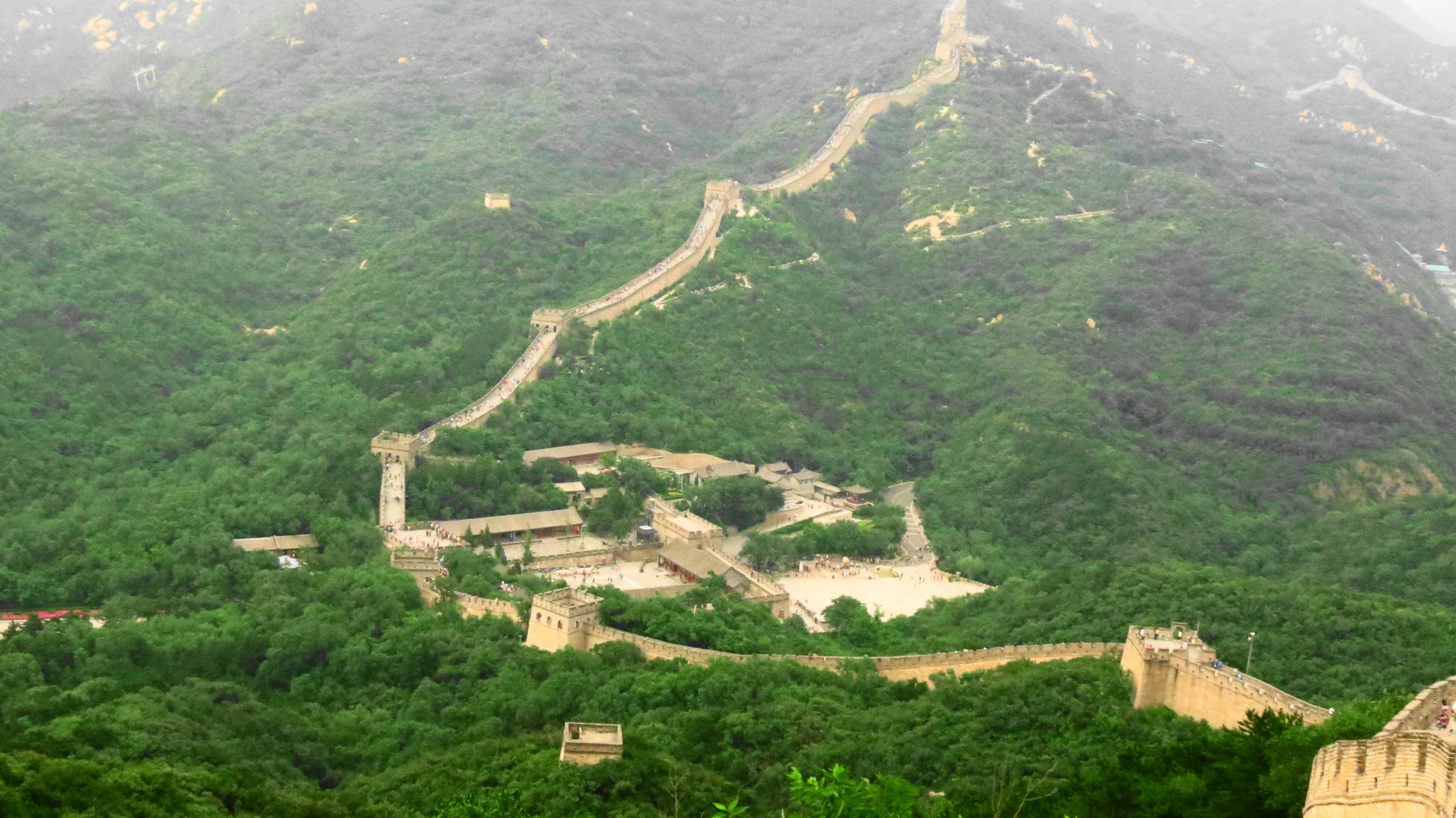
The Great Wall of China: An iconic symbol and one of the New Seven Wonders of the World, the Great Wall stretches across rugged terrain and steep mountains. Sections like Jinshanling and Mutianyu near Beijing offer breathtaking views and hiking opportunities

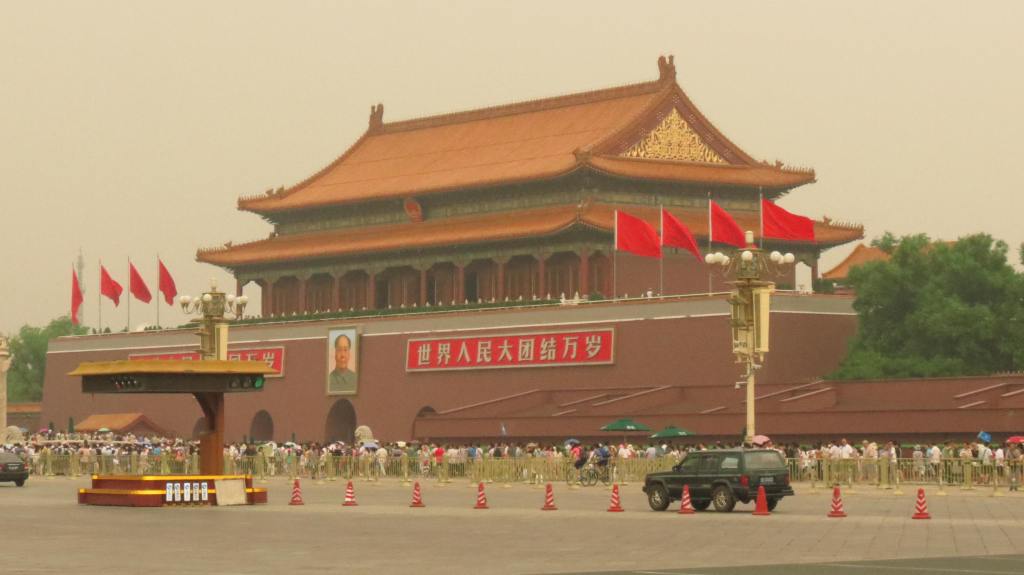
Forbidden City (Imperial Palace): Located in Beijing, this ancient palace complex was the imperial residence for centuries. Its grand architecture and historical significance make it a top attraction.

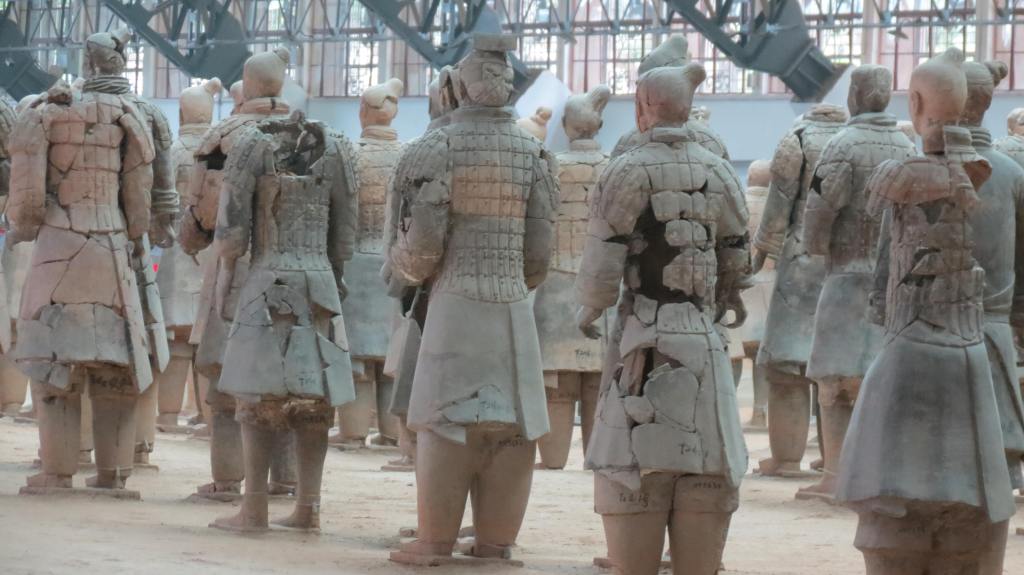
Terracotta Army: Discovered in Xi’an, the Terracotta Army consists of thousands of life-sized clay soldiers, horses, and chariots buried with China’s first emperor, Qin Shi Huang.
Giant panda

Giant Pandas: Visit Chengdu Research Base of Giant Panda Breeding to see these adorable creatures up close.

Yellow Mountains (Huangshan): Known for its dramatic peaks, twisted pine trees, and mystical clouds, Huangshan offers a unique natural experience.

Li River: The picturesque Li River in Guilin and Yangshuo is famous for its karst limestone peaks and serene landscapes.

Potala Palace: Located in Tibet, this magnificent palace was once the residence of the Dalai Lama and is a UNESCO World Heritage Site.

Zhangjiajie National Forest Park: Known for its towering sandstone pillars, this park inspired the floating mountains in the movie “Avatar.”

Mogao Caves: These ancient Buddhist cave temples near Dunhuang are adorned with intricate murals and sculptures.

The Bund (Waitan): A waterfront promenade in Shanghai, the Bund offers stunning views of the city skyline and historic buildings.
eat
Here some must-try dishes:

Peking Roasted Duck: Originating from Beijing, this dish features thin, crispy duck skin served with pancakes, sweet bean sauce, and mashed garlic. A true culinary icon!

Kung Pao Chicken: A Sichuan specialty, Kung Pao Chicken combines diced chicken, dried chili, cucumber, and fried peanuts (or cashews). It’s a flavorful delight loved by locals and foreigners alike.

Sweet and Sour Pork: With its bright orange-red color and delicious sweet-sour taste, this dish is a classic. Variations include using chicken, beef, or pork ribs.

Hot Pot: A communal dining experience, hot pot involves simmering a flavorful broth at the center of the table. Add your choice of meat, vegetables, and condiments for a hearty feast.

Xiaolongbao: These steamed dumplings, originating in Shanghai, are filled with juicy meat or soup. The delicate skin and flavorful filling make them a must-try.

Mapo Tofu: A spicy Sichuan dish made with tofu, minced pork, and chili bean paste. The combination of flavors is irresistible.

Dumplings: Whether steamed or pan-fried, dumplings (jiaozi) are a staple. Try them with various fillings like pork, shrimp, or vegetables.

Mooncakes: These sweet pastries are traditionally enjoyed during the Mid-Autumn Festival. They come in various flavors and intricate designs.

Baozi: Steamed buns filled with meat, vegetables, or sweet fillings. Perfect for a quick snack or breakfast.

Ma La Tang: A spicy and numbing soup with a mix of ingredients like meat, tofu, and vegetables. Popular in Sichuan and Chongqing.
tips
Here are some essential travel tips:

Understand Currency: China’s currency is the Renminbi (RMB). Carry some cash and set up a digital wallet if possible. Exchange money at hotels or use your personal debit card at Chinese ATMs.

What to pack: Essentials include your passport (and visa), enough money (or a card for withdrawals), appropriate clothing (consider the weather), and any necessary medications (with a translated doctor’s note for customs). Smartphones equipped with a VPN are handy, and bring an adapter for electronics (China uses 2 or 3 thin-pin sockets at 220V).

Get a VPN: Many websites like Facebook, Google, and Instagram are blocked in China. Having a VPN is crucial for accessing these sites and ensuring smooth communication.

Be Aware of Pollution: While air quality has improved, some cities may still have pollution. Consider traveling in spring or when pollution levels are lower. Wearing a dust mask and opting for out-of-city activities can help.
 ameropasstravel.com