
Mesmerizing Coast, Captivating Islands
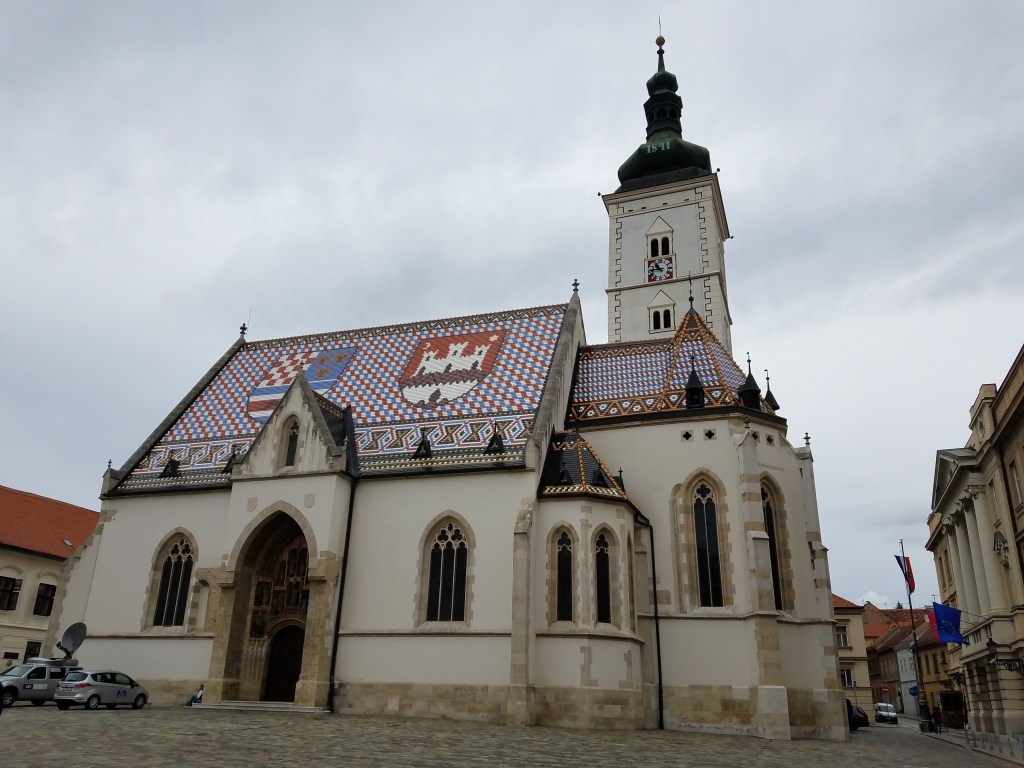
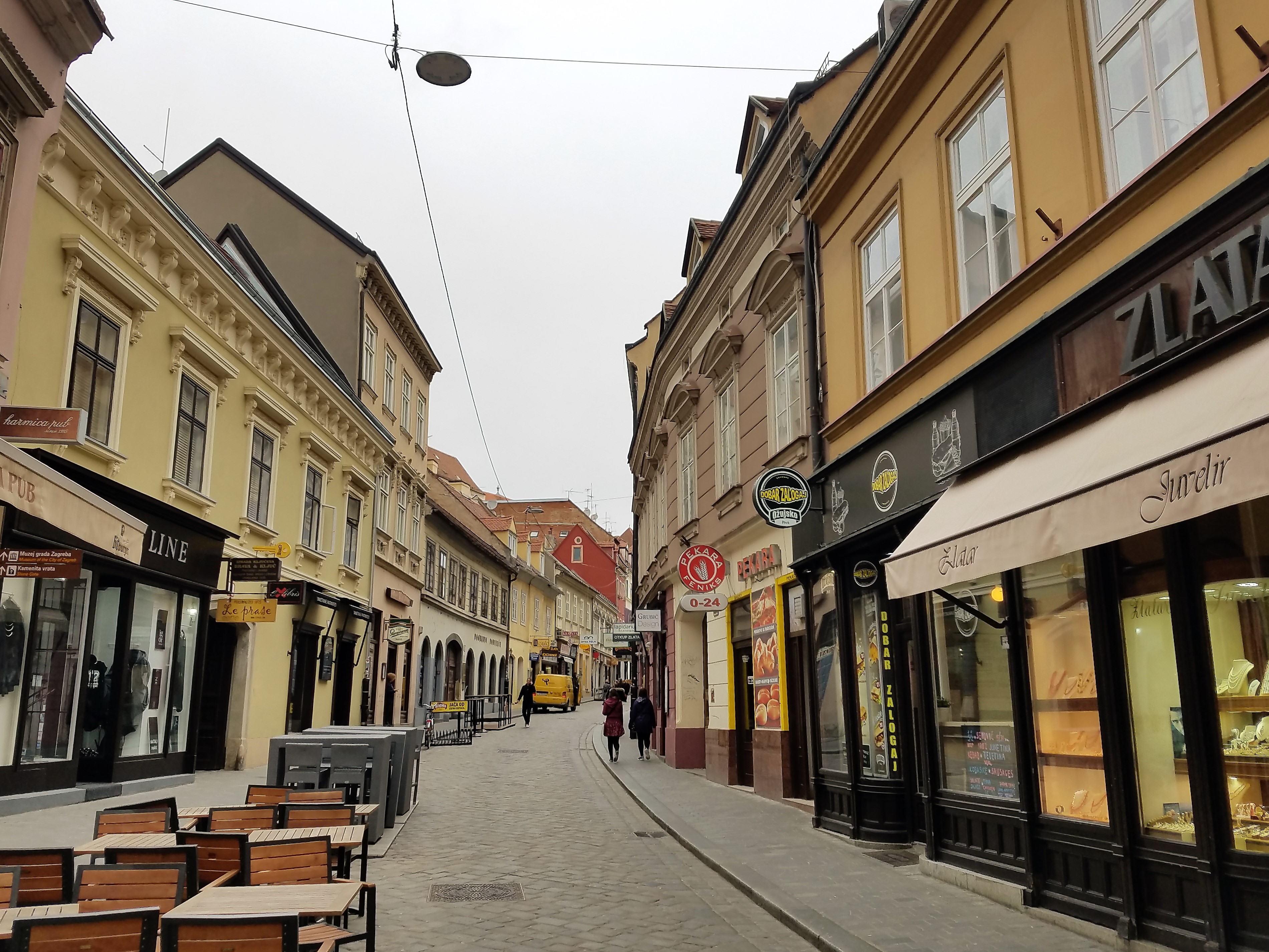
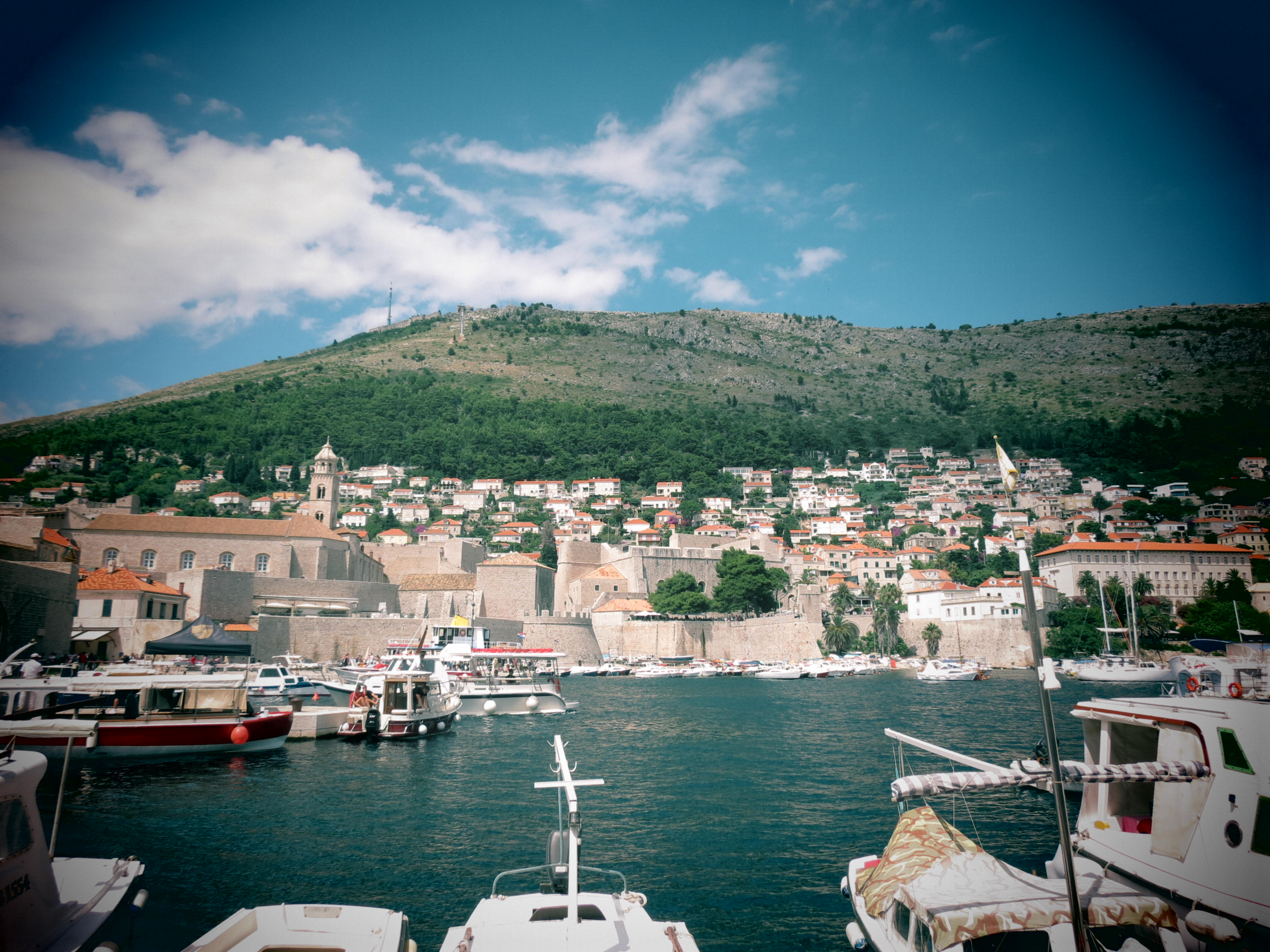
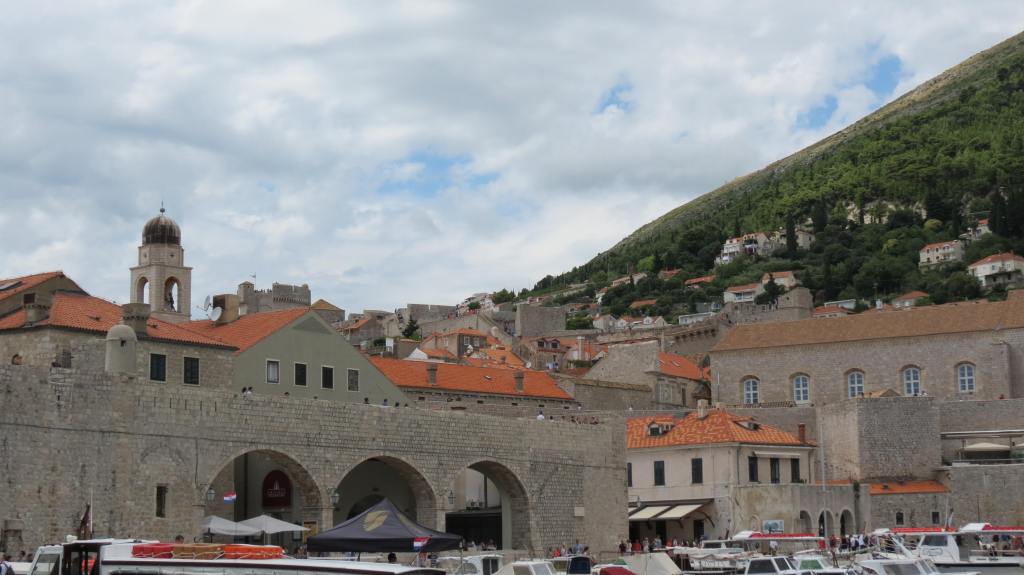
A stunning country with its mesmerizing coastline, 1244 captivating islands, intriguing cities, and dramatic landscapes, beckons tourists. The stunning Adriatic beaches effortlessly rival their Mediterranean counterparts.

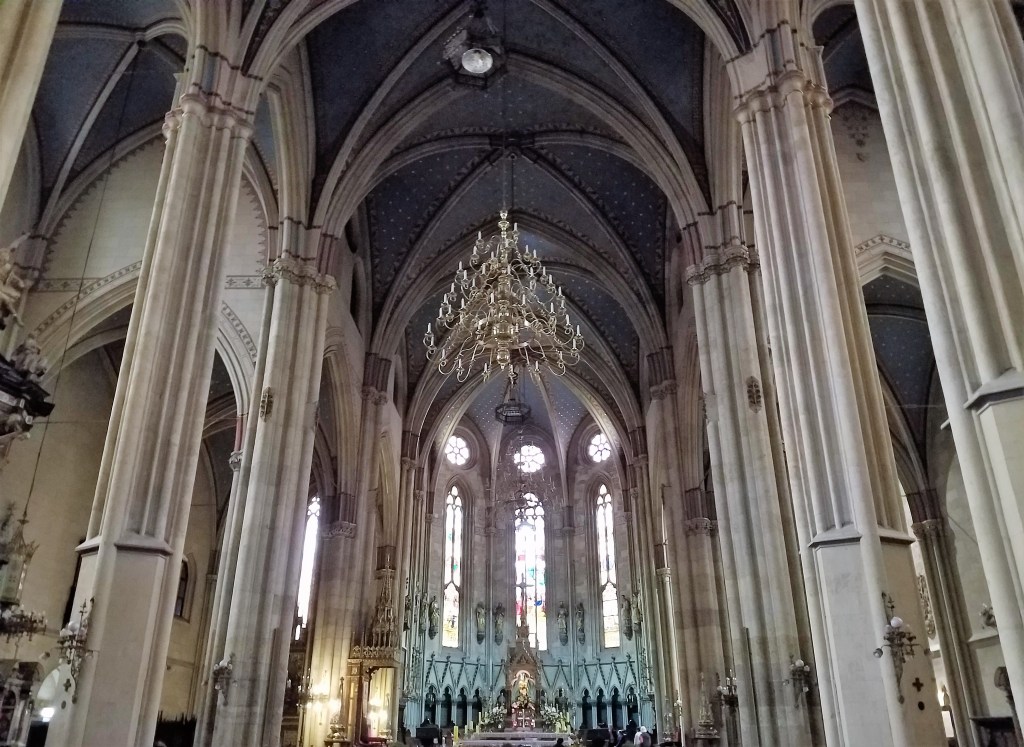
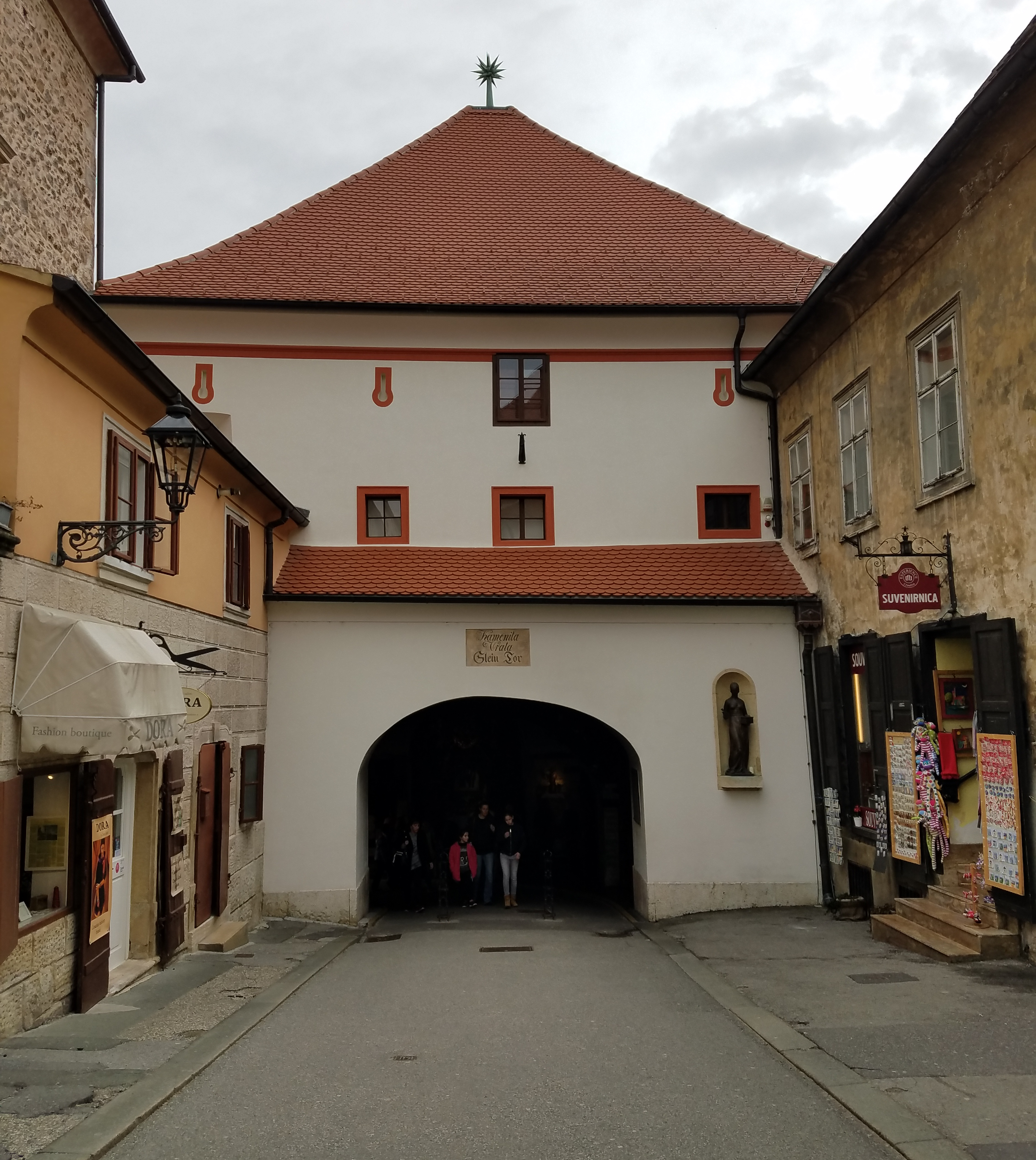
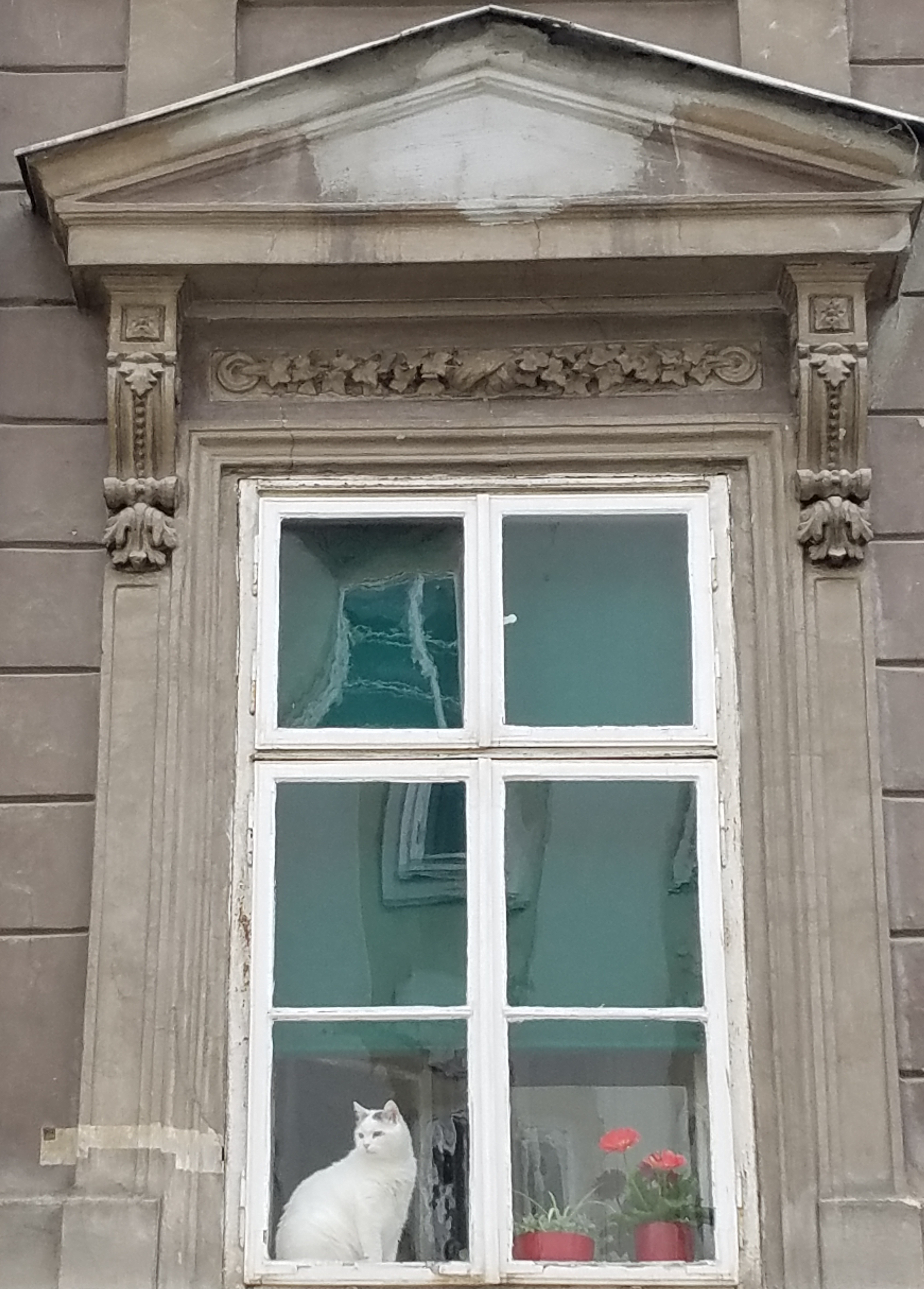
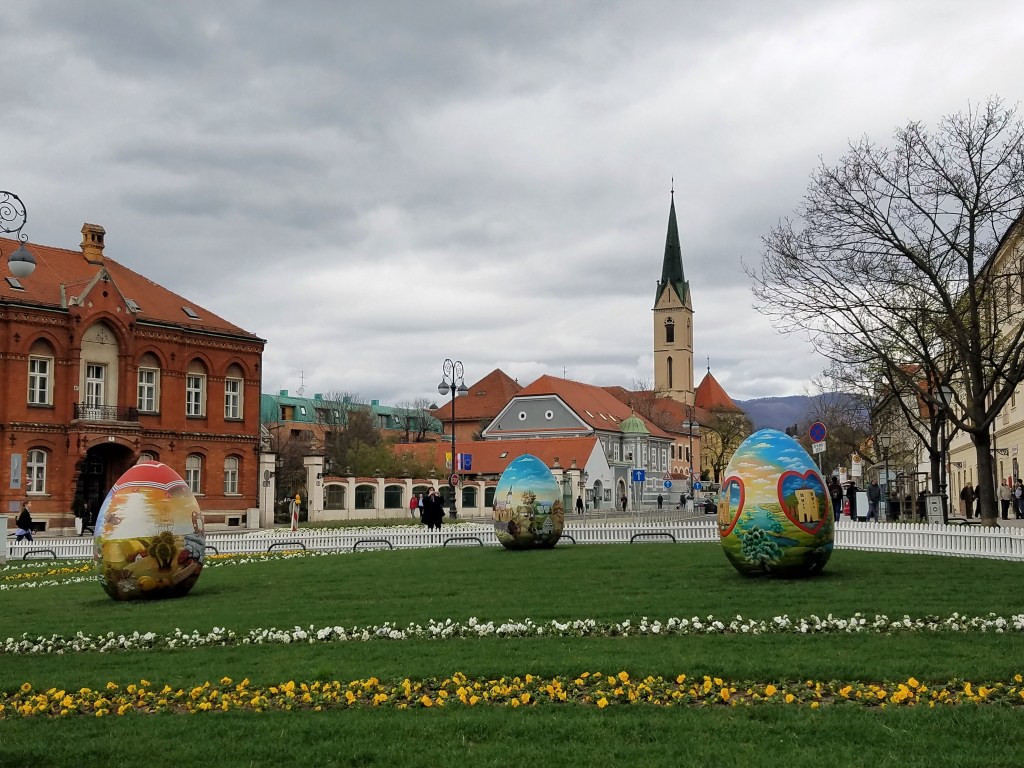
go
Late spring and early fall are arguably the best times to visit Croatia. During these seasons, sea temperatures are pleasant, and there’s plenty of sunshine. The country’s pebble beaches and rocky coves are relatively quiet, making it a great time to sail in Croatia. If you’re looking for ideal weather, consider visiting between June and September, when sunlight is plentiful and temperatures range from 19°C to 30°C (66°F to 86°F). These conditions are perfect for boating and swimming in the blue waters around the islands.
do
Here are some must-do attractions:

Plitvice Lakes National Park: This UNESCO-listed park features a turquoise ribbon of interconnected lakes linked by gushing waterfalls. Wooden boardwalks allow you to explore this extraordinary watery world.

Korčula Town: A sweet little seaside town with imposing walls, towers, and an extraordinary cathedral. Stroll through its compact old town, laid out in a fascinating fishbone pattern, and enjoy alfresco meals by the sea.

Hvar Town: A tiny seaside party town where yachts anchor during summer. Don’t miss the views from Fortica, the medieval castle above the town, or the nearby Pakleni Islands.

Mljet: An island idyll cloaked in dense pine forests. Legend has it that Odysseus was marooned here for seven years. Explore the national park with cobalt-colored lakes and visit the pretty port of Pomena.
eat
Here are some must-try foods:

Black Risotto (Crni Rizot): Found in nearly every Croatian restaurant, this dish features squid ink-infused rice, resulting in a striking black color. It’s often combined with clams, mussels, and other shellfish.

Skradinski Risotto: Also known as veal risotto or white risotto, this creamy dish is cooked for hours and seasoned to perfection. It includes veal, beef broth, hard cheese, chicken, onions, and rice.

Brodet: A savory seafood stew commonly found in coastal areas. It incorporates at least three types of fish, shellfish, and crustaceans. Pair it with creamy polenta for a delightful meal.

Cobanac: Originating from the eastern Croatian region of Slavonia, this spicy all-meat stew combines lamb, pork, and veal. It’s a flavorful and hearty dish.

Manestra: Typical in Istrian restaurants, manestra is a bean soup with cured meat. It’s slow-cooked for hours and enhanced with a garlic, pancetta, and parsley paste called “pešt.”

Istrian Soup: This regional soup features a mix of vegetables, beans, and cured meat, resulting in a comforting and flavorful dish.

Pašticada: A Dalmatian specialty, pašticada is slow-cooked beef marinated in red wine and vinegar. It’s served with gnocchi or homemade pasta.

Punjene Paprike: Stuffed bell peppers filled with a mixture of ground meat, rice, and spices. They’re then simmered in a tomato-based sauce.
tips
Currency: As of January 2023, Croatia officially adopted the Euro (EUR) as its currency, replacing the Croatian Kuna (HRK) that was in use between 1994 and 2023.

Drink the Tap Water: Croatia has safe tap water, so feel free to drink it. Bring a reusable water bottle to reduce plastic waste.

Book in Advance: Plan ahead and book accommodations, activities, and transportation in advance. Services can fill up quickly during peak tourist times.

Carry Cash: While credit cards are widely accepted, having cash on hand is useful for smaller establishments and markets.

Learn Basic Croatian Phrases: Simple greetings and phrases can enhance your interactions with locals.

Stay Hydrated: Croatia can get quite hot, especially in summer, so keep hydrated.
 ameropasstravel.com