
Historic Charm, Beaches, Vintage Cars
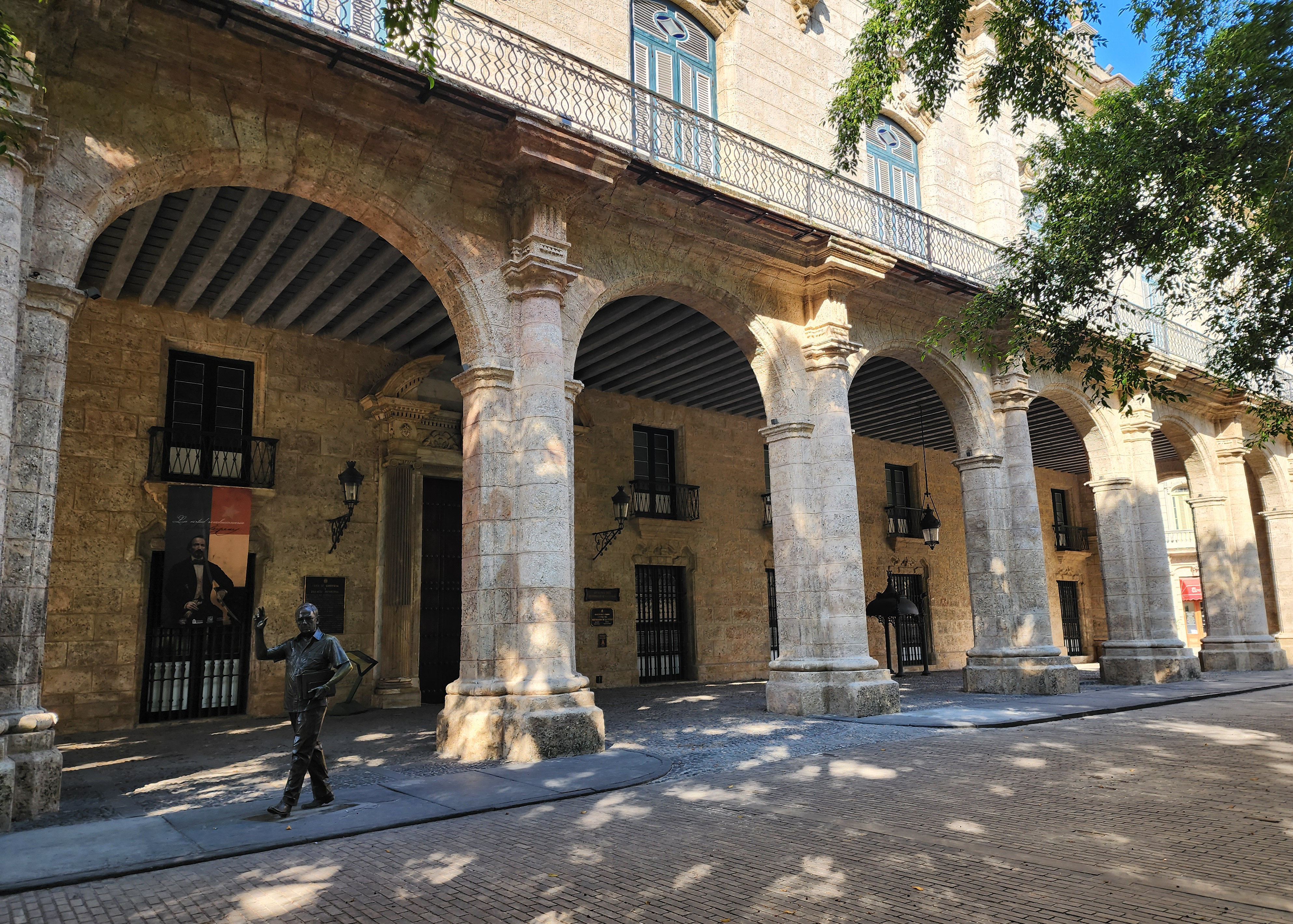
The Caribbean’s largest island, drips with history, culture, and mystique. In Old Havana (Habana Vieja), a UNESCO World Heritage site, you can stroll through cobbled streets, gaze at grand Baroque and neoclassical buildings, and imagine life as it was 200 years ago. Vintage cars still cruise the streets, and the beautiful old colonial buildings evoke a sense of a country frozen in time. Beyond Havana, Cuba boasts pristine beaches, coral reefs, and lush countryside.
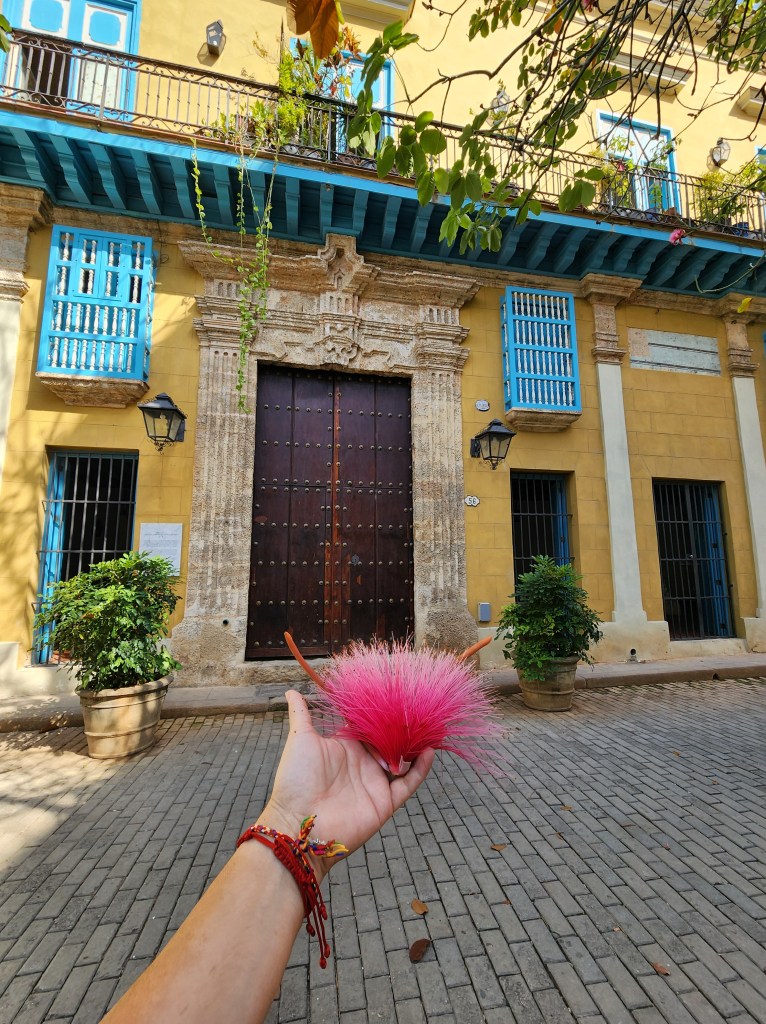
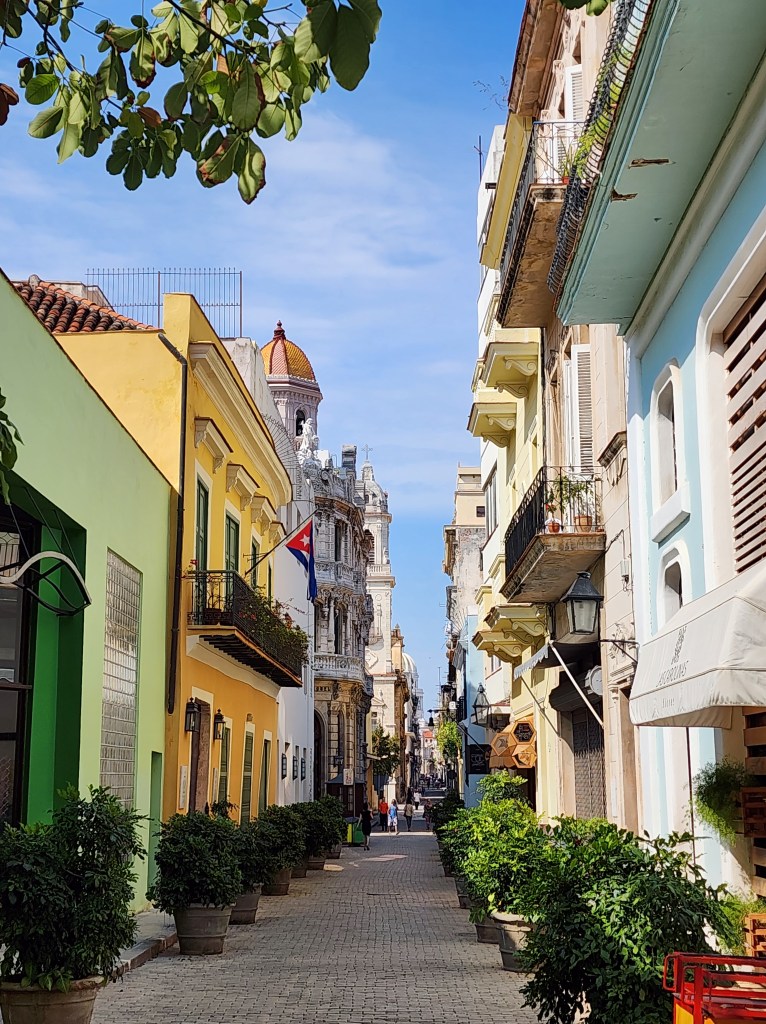
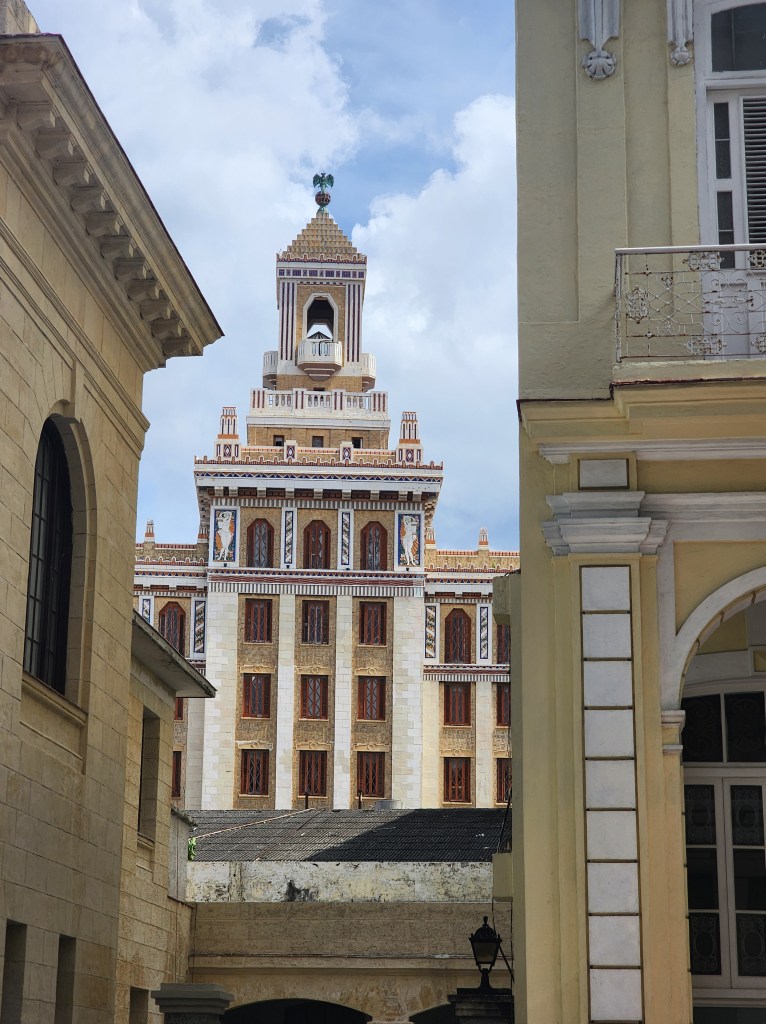
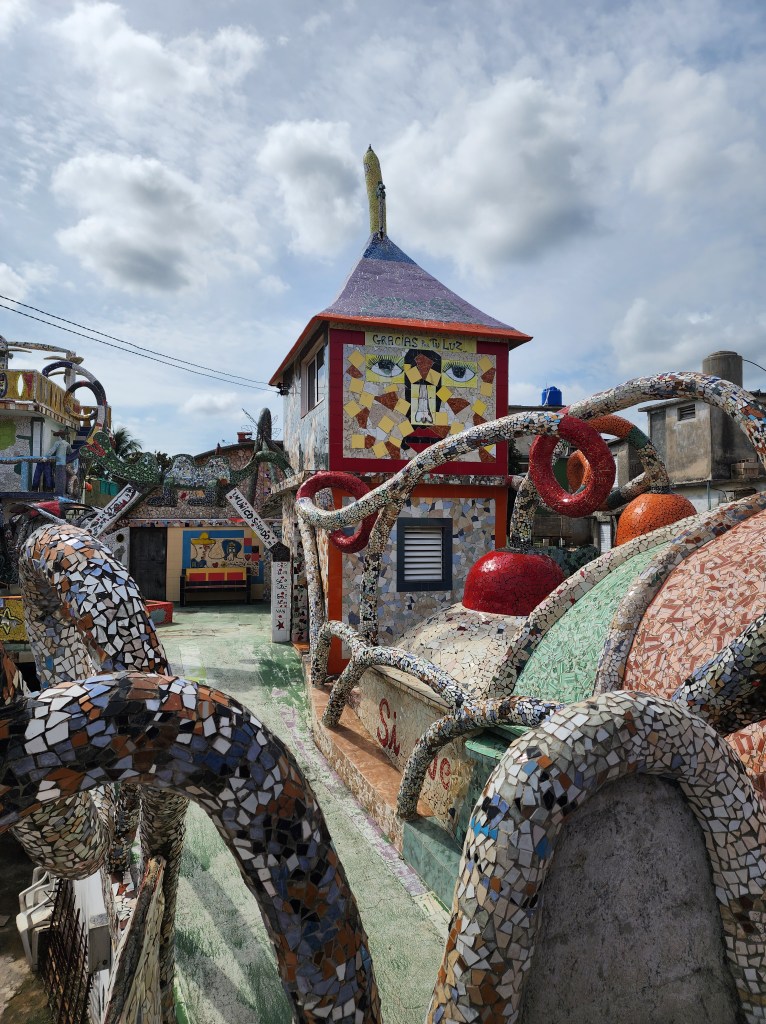
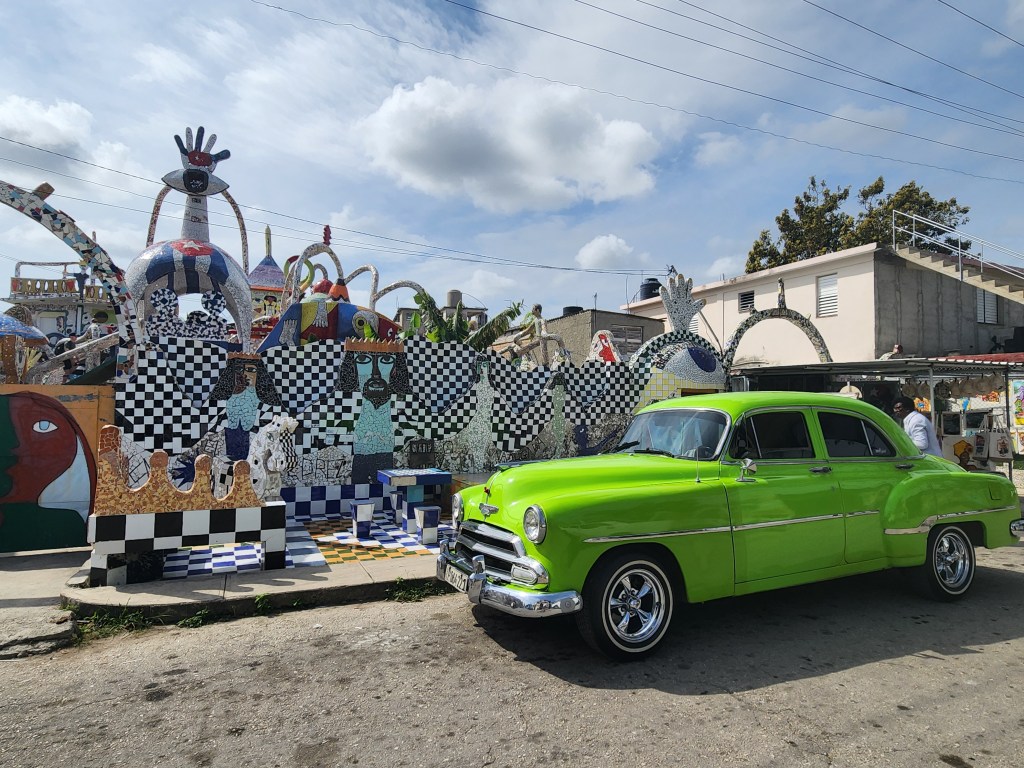
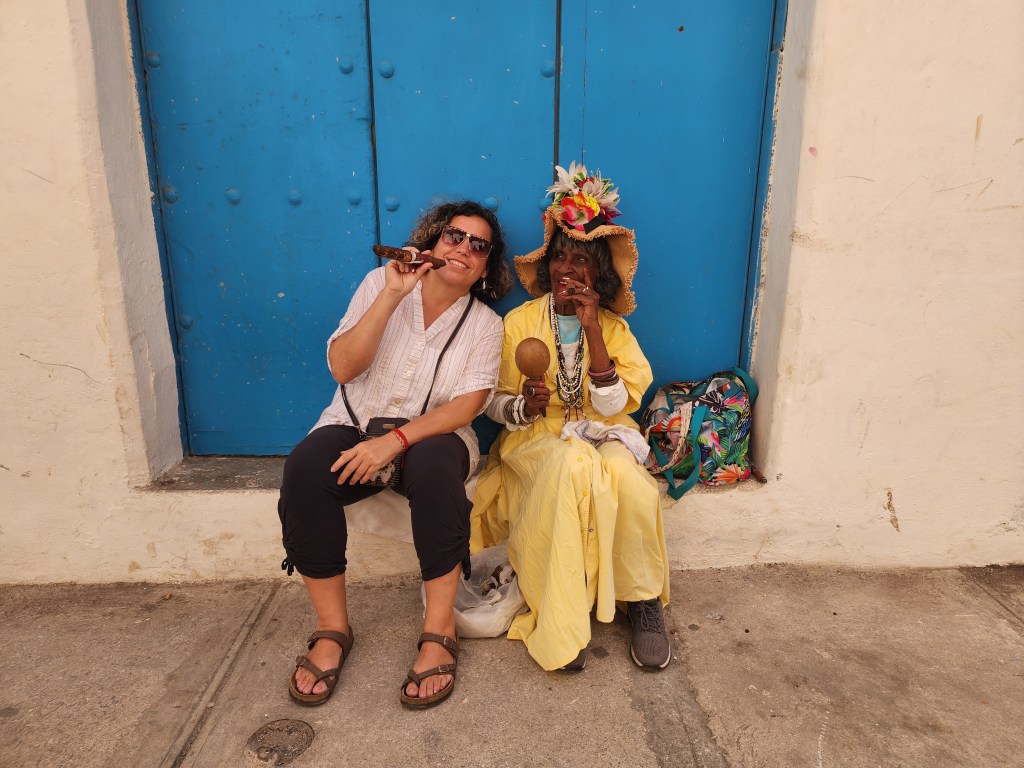
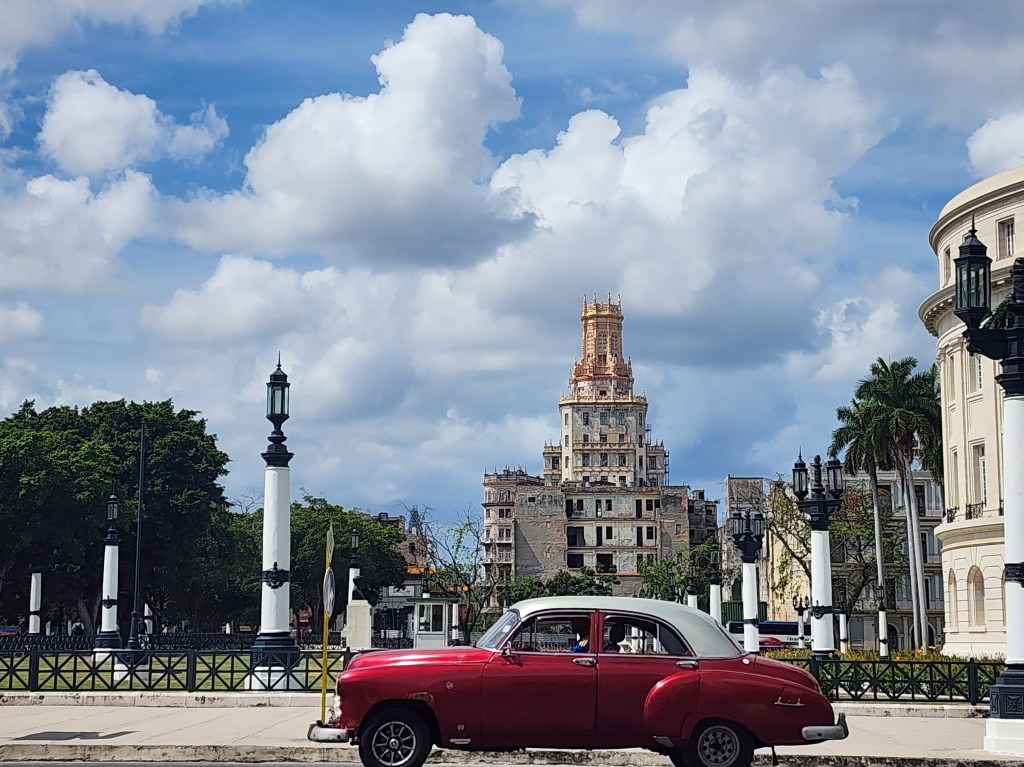
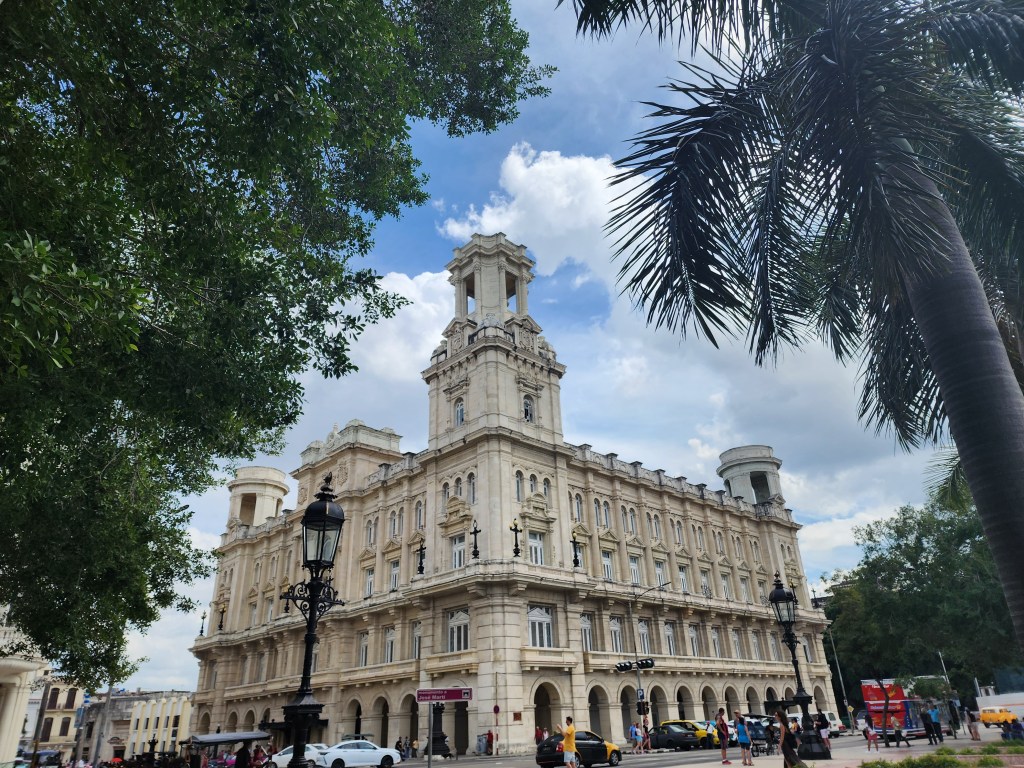
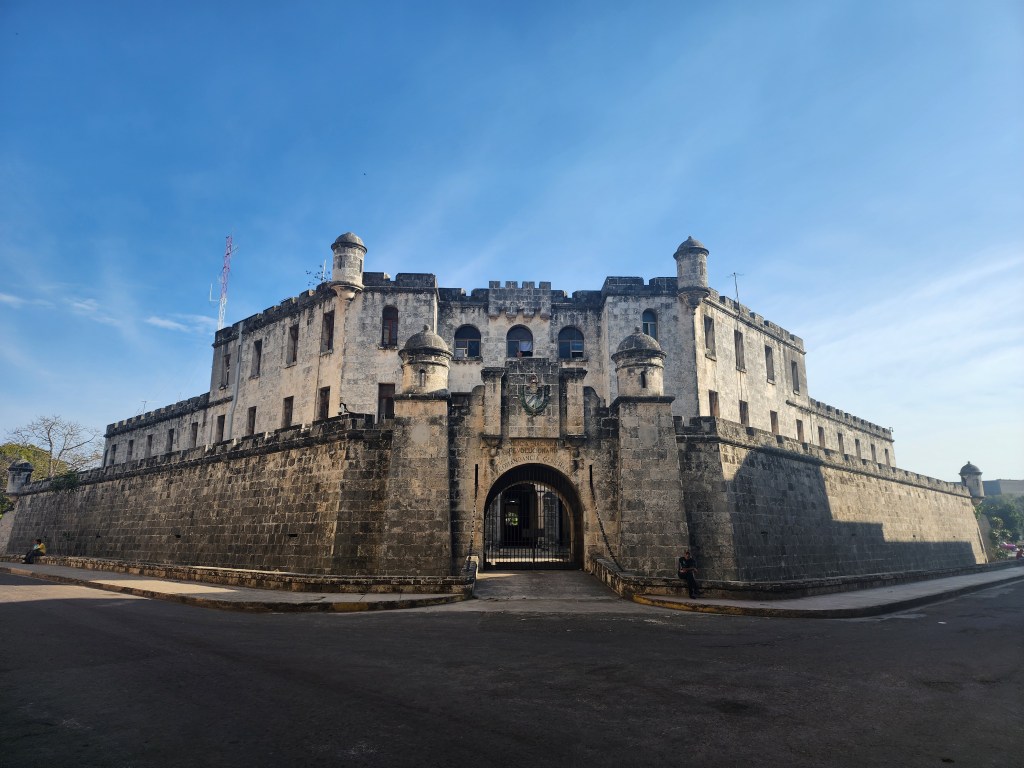

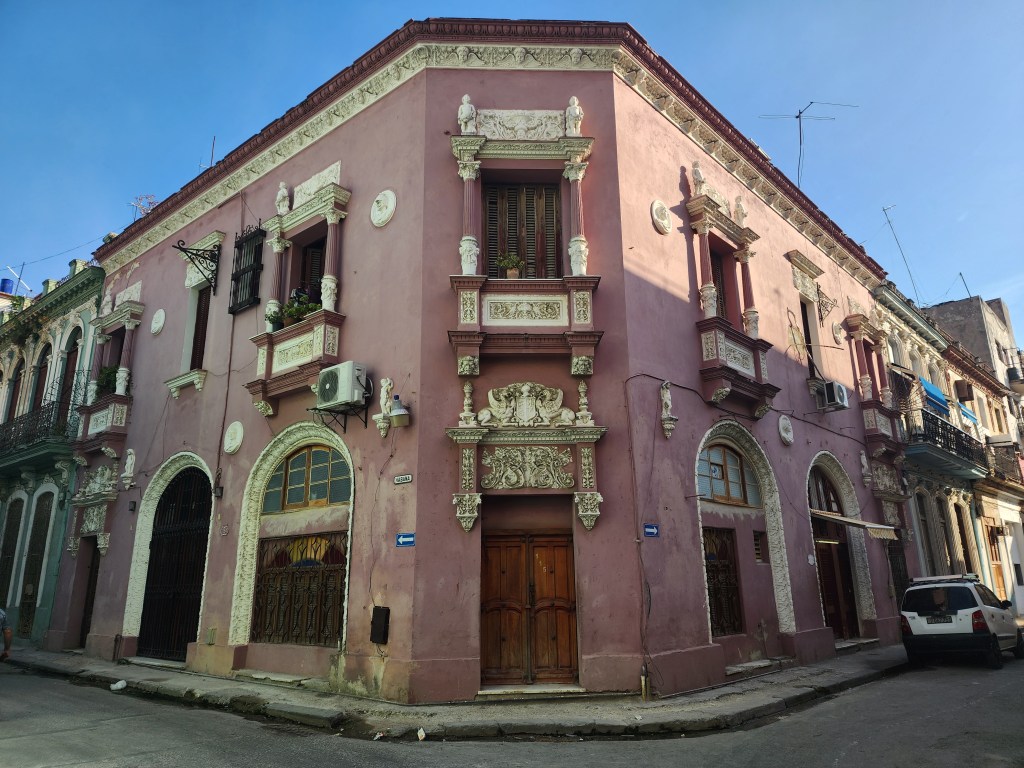
Cuba, with its vibrant culture, stunning beaches, and lush forests, is a captivating destination waiting to be explored. From the historic streets of Havana, where vintage cars and colonial architecture create an enchanting atmosphere, to the dramatic landscapes of Valle de Viñales, where red soils and limestone mogotes form a unique backdrop, Cuba offers a rich tapestry of experiences. And don’t miss Varadero, the premier beach resort with 20 km of powdery white sand and crystal-clear waters. Whether you’re a history enthusiast, a nature lover, or simply seeking relaxation, Cuba beckons with open arms. Come discover its beauty and create unforgettable memories!
go
The best time to visit Cuba falls between November and April, during the country’s dry season. During this period, you can expect comfortable to warm temperatures and plenty of sunshine hours. However, keep in mind that nice weather also attracts loads of tourists, leading to price increases across accommodations and activities, as well as crowds at popular sites and cities. If you prefer milder weather and fewer crowds, consider visiting in January or February. Just be aware that it might get too cold for beach vacations during those months. The winter weather is terrific, but accommodations tend to be a bit pricey, so make your reservations well in advance.
do
Here are some must-do attractions:

Old Havana (Habana Vieja): A UNESCO World Heritage site, this well-preserved slice of Cuban history features cobbled streets, grand Baroque and neoclassical buildings, and vibrant squares. Don’t miss Plaza Vieja and its colorful surroundings.

Varadero: Known for its stunning beaches, Varadero is a popular resort town with crystal-clear waters and white sands.

Trinidad: A charming colonial town with cobblestone streets, Trinidad boasts colorful houses, historic squares, and lively music.

Guardalavaca: A beach paradise on the northern coast, Guardalavaca offers relaxation and water activities.

Playa Paraíso, Cayo Largo del Sur: A pristine beach on Cayo Largo, perfect for sunbathing and snorkeling.

Cayo Coco: Known for its all-inclusive resorts and beautiful beaches.

Parque Nacional Viñales (Valle de Viñales): Explore the stunning limestone karsts and tobacco fields in this national park.

Baracoa: Cuba’s oldest city, surrounded by lush rainforests and mountains.

The Malecon, Havana: A seaside promenade in Havana where locals gather to socialize.

Che Guevara Mausoleum, Santa Clara: A tribute to the revolutionary leader.
eat
Here are some must-try dishes:

Lechon Asado: This traditional dish features roast suckling pig with crispy skin. You can find it at places like Ivan Chef Justo in central Havana.

Moros y Cristianos: A staple side dish, it consists of black beans and white rice. You’ll find it on most restaurant menus, and for a great view, try it at Azucar Lounge overlooking Plaza Vieja in Old Havana.

Tostones: These are twice-fried plantains, smashed into cakes and deep-fried. Some variations include toppings like guacamole. Check out Mas Havana for a highly-rated tostones dish.

Costillas: Cuban-style baby back ribs marinated with sour orange, lime, oregano, garlic, and olive oil sauce. Paladar Los Mercaderes or El Chanchullero de Tapas are excellent places to try them.

Arroz con Pollo: A classic Cuban dish, it’s a flavorful combination of rice and chicken cooked with spices and vegetables.

Sandwich de Huevo: An egg sandwich commonly found as street food in Cuba.

Papa Rellena: These are stuffed potato balls, often filled with seasoned ground meat or other ingredients.

Pan con Lechon: A roast pork sandwich that’s both savory and satisfying.
tips
Here are some useful tips for visiting Cuba:

Cash and currency: Money in Cuba can be confusing. The official currency is the Cuban peso (CUP), but foreign currencies are widely accepted, especially by private businesses. Always ask upfront what currencies they accept and what exchange rate they use for their published peso prices.

Double-check your insurance: You are required to have medical insurance to visit Cuba. Make sure to bring digital or printed proof of your policy. Random checks are conducted at the airport, and if you arrive without insurance, you’ll need to buy a Cuban policy there for US$30.

Fill out your passenger information in advance: Cuba uses an online form called D’Viajeros to gather traveler information, including immigration and health data. Fill out the form digitally up to 72 hours before your arrival in Cuba.

Every visitor needs a tourist card: To enter Cuba, all visitors must present a completed tourist card. It’s usually available through your airline (ask when booking) and is included in the price of your ticket. If not, you can purchase one through a Cuban travel agency. Costs range from US$50 to US$85. Citizens of 20 African and Asian countries require a formal visa to enter Cuba, so check the situation for your country before booking.
 ameropasstravel.com