
Vibrant, Beaches, Culture, Hospitality
Curaçao, nestled in the Caribbean Sea, enchants visitors with its stunning beaches, pastel-colored Dutch colonial architecture, warm hospitality, and diverse cultural heritage. This year-round destination invites travelers to explore historic landmarks, dive into crystal-clear waters, and immerse themselves in a vibrant island experience.
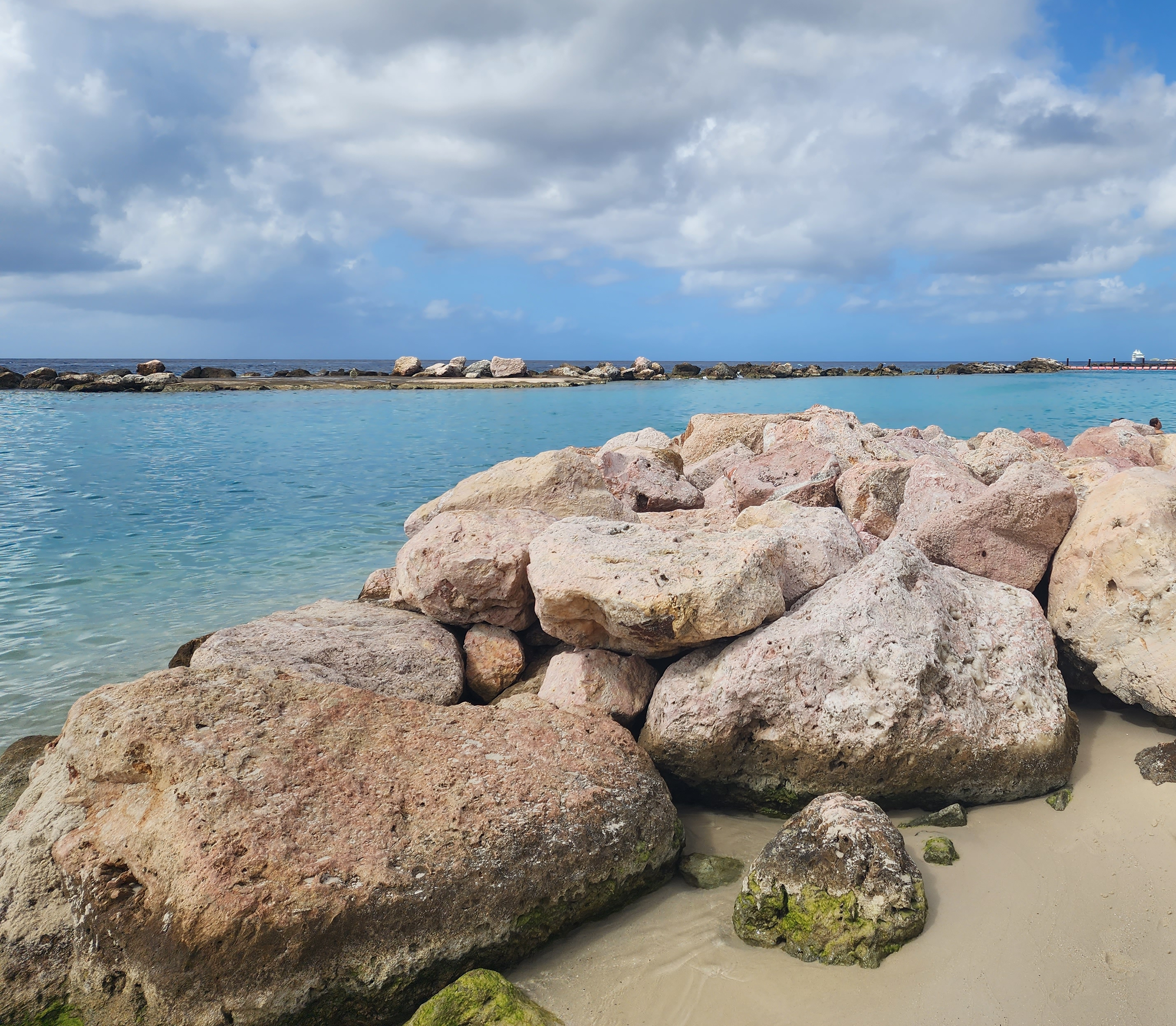
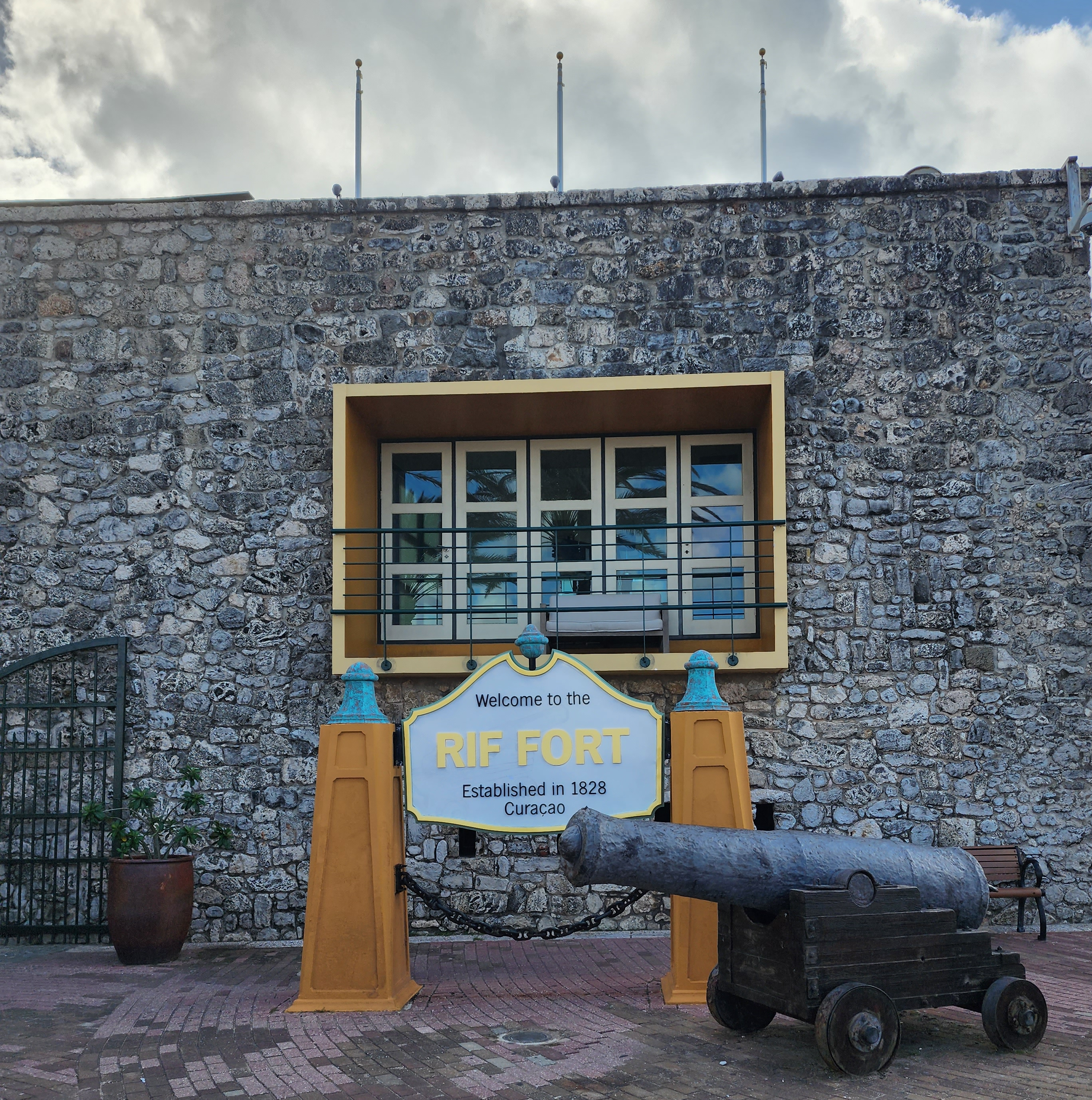

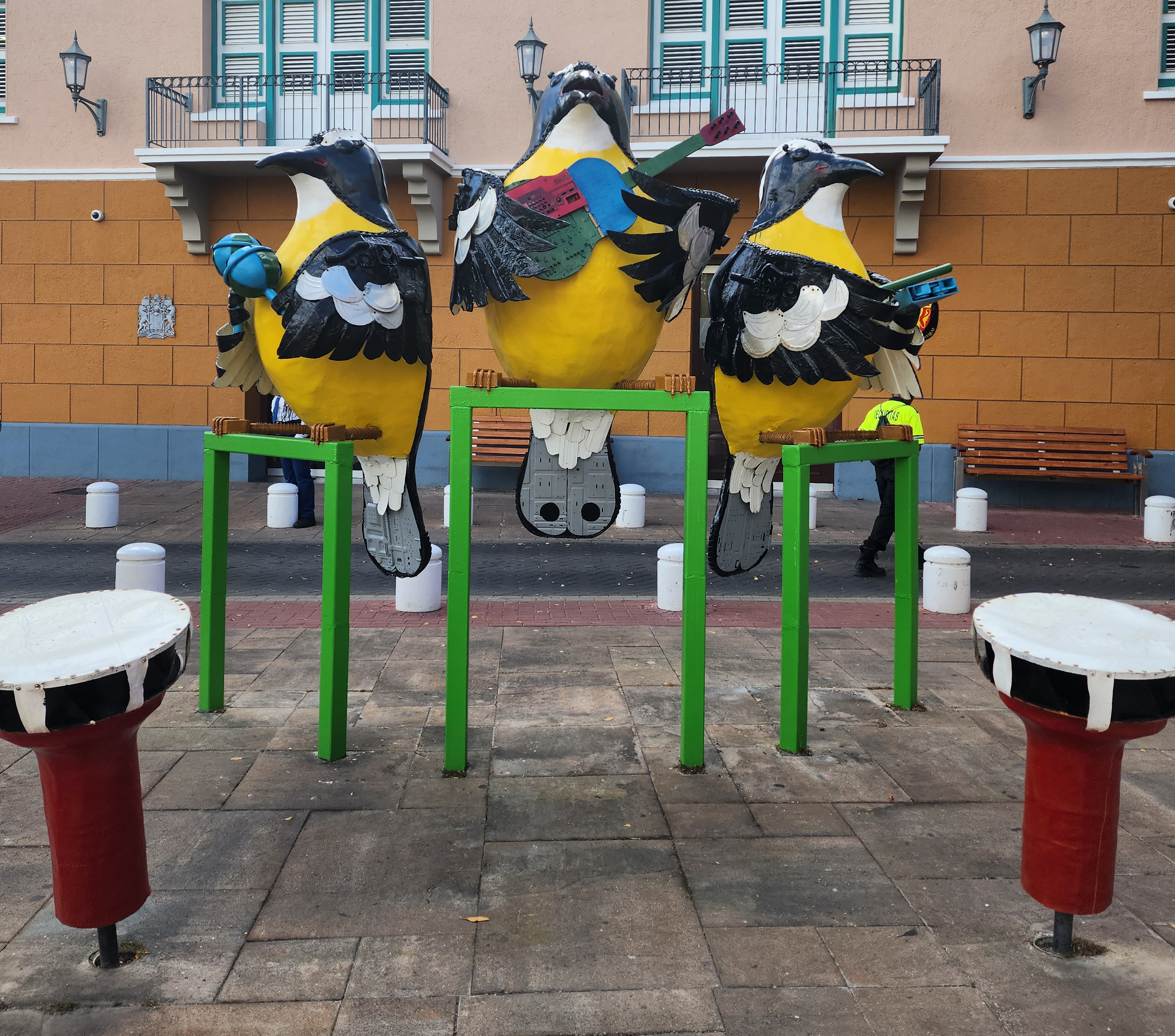
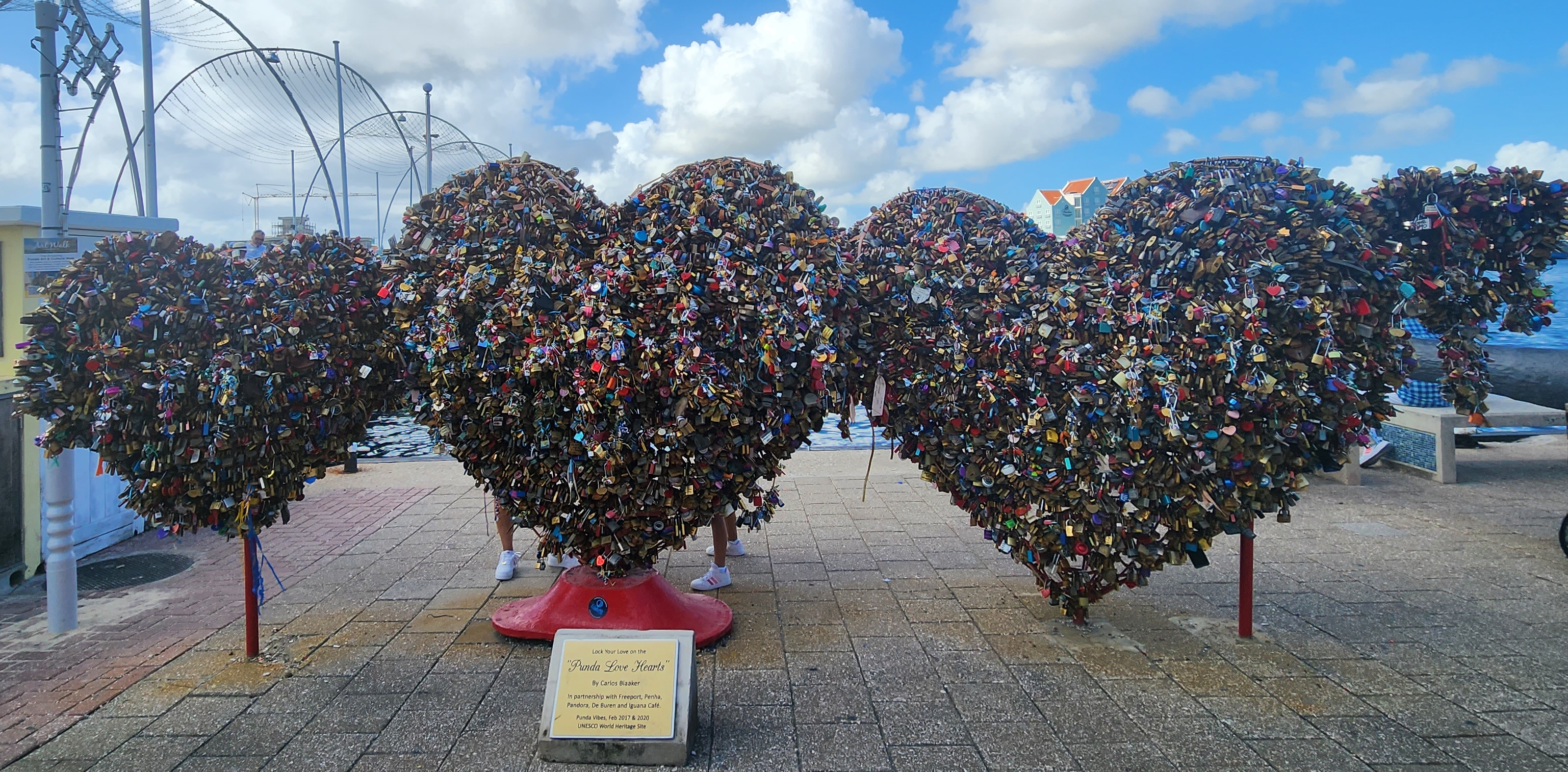
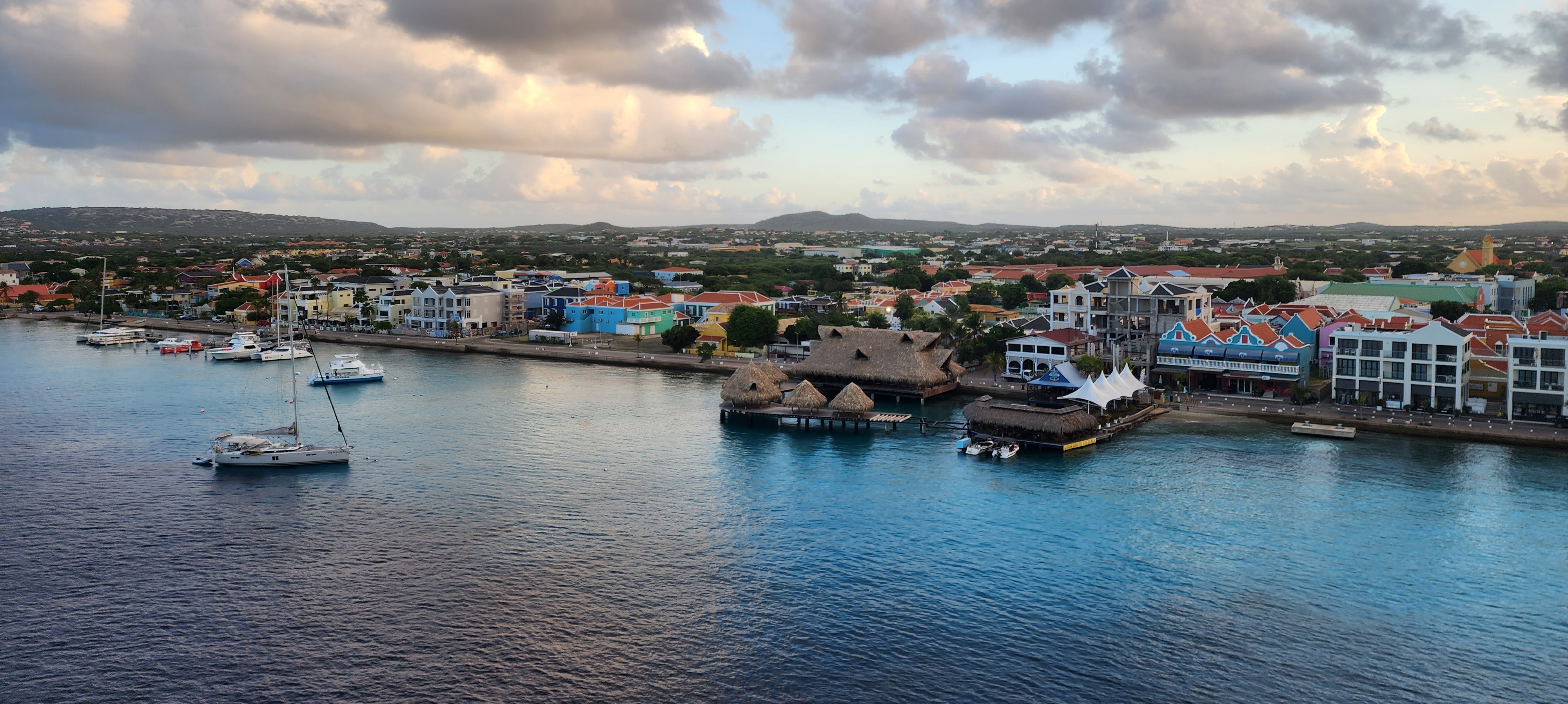
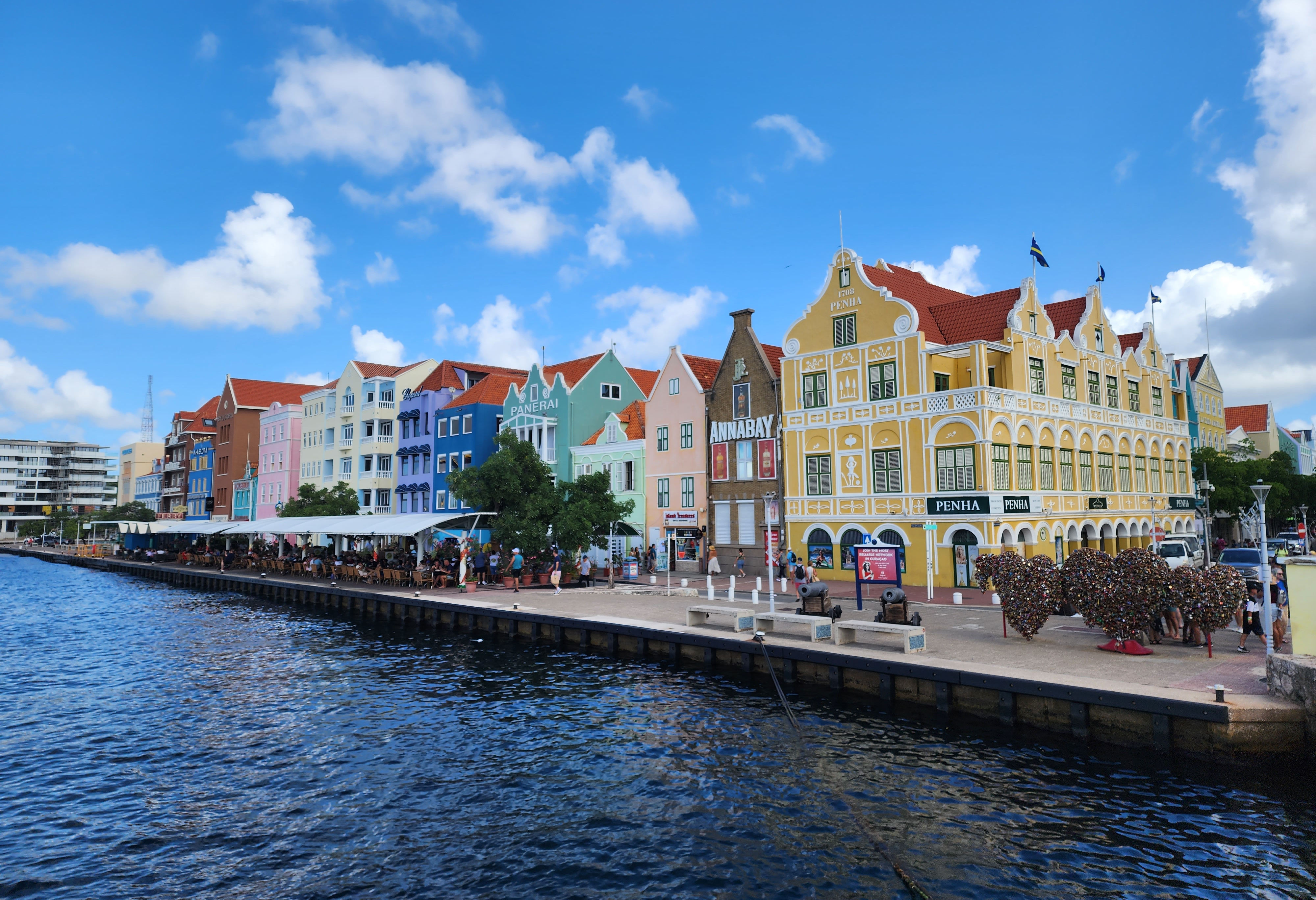
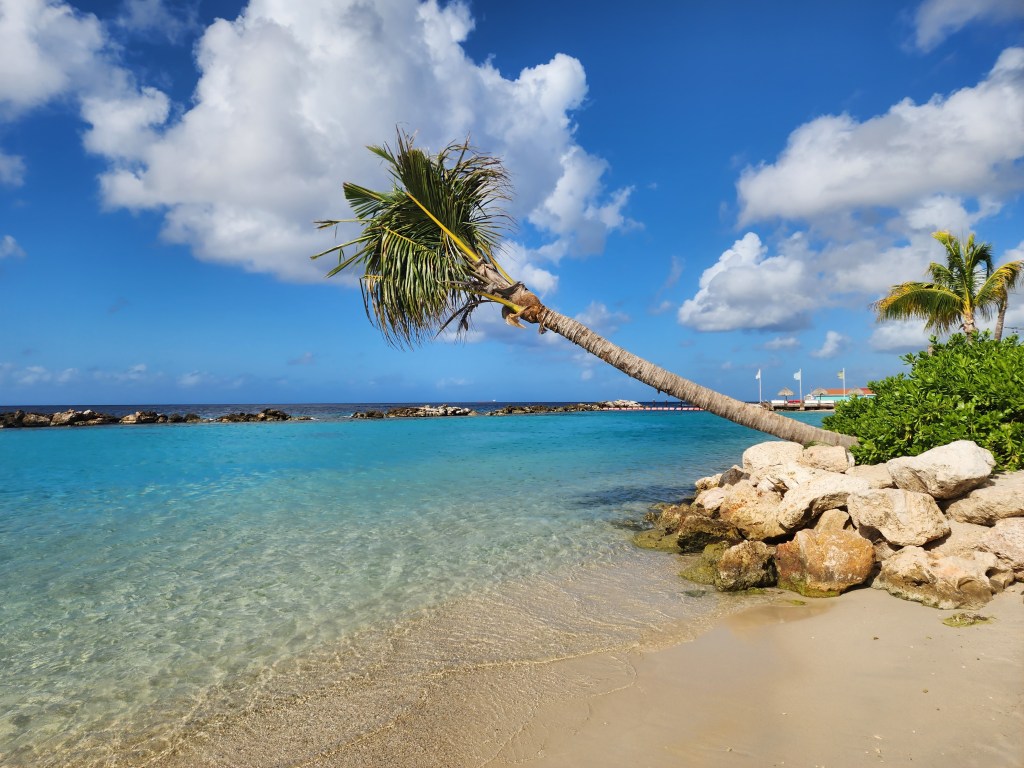

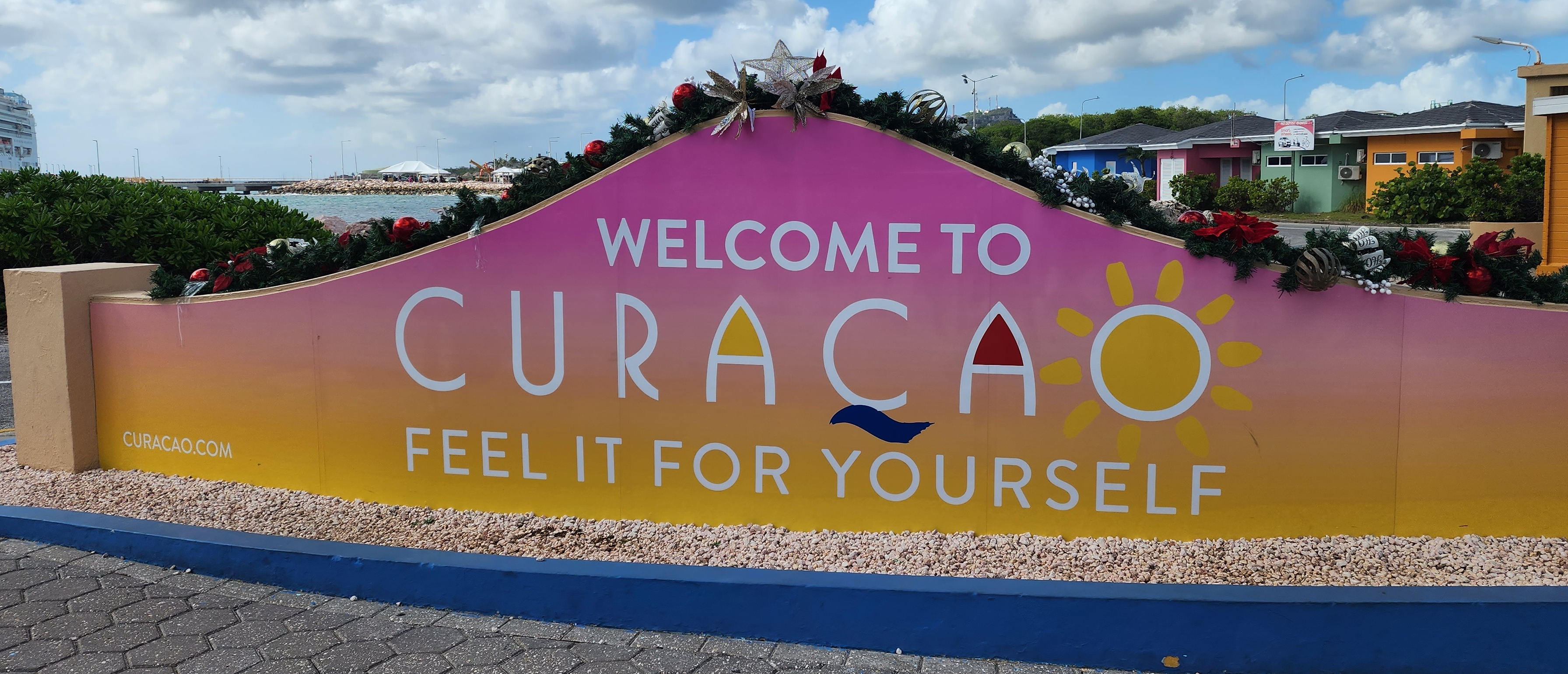
Curaçao, a jewel in the Caribbean Sea, offers an unparalleled blend of natural beauty, cultural richness, and vibrant experiences. Pristine beaches, picturesque national parks, and native flora and fauna await you. Whether you’re an outdoor enthusiast exploring Christoffel National Park with its breathtaking views and diverse wildlife or a beach lover soaking up the sun on the white fine sand beaches, Curaçao has something for everyone. Don’t miss the pastel-colored capital, Willemstad, a UNESCO World Heritage site, where Dutch colonial architecture meets Afro-Caribbean heritage. And for adventure seekers, crystal-clear waters offer world-class snorkeling and diving opportunities. So pack your sun hat and get ready to discover the magic of Curaçao!
go
The best time to visit Curaçao depends on your preferences and what you’d like to experience. Let’s break it down:

February through June: These months offer the lowest risk of rain, with an average of about one inch per month. It’s an excellent time for outdoor activities and exploring the island’s natural beauty.
June through September: If you’re a beach lover, this period is ideal for hot beach temperatures. The crystal-clear waters beckon for snorkeling and diving adventures.
December through March: During these months, temperatures are milder, making it perfect for land-based activities like hiking or sightseeing.
April through June: This time offers a great combination of low rain risk and warm temperatures. It’s a sweet spot for both beach and land activities.

Keep in mind that October through December sees more rainfall (averaging nearly four inches per month), but it’s also when many visitors escape winter in the northern hemisphere.
do
Here are some of the best must-do attractions:

Willemstad’s Historic District: Willemstad, the capital city, is a UNESCO World Heritage Site known for its colorful Dutch colonial architecture. Stroll through the streets of Punda and Otrobanda to admire the pastel-hued buildings, historic forts, and iconic landmarks. Don’t miss the Queen Emma Bridge, a floating pontoon bridge that connects Punda and Otrobanda. It opens to allow ships to pass, creating a unique experience for pedestrians.

Hato Caves: Located on the northern coast, the Hato Caves are ancient limestone formations with impressive stalactites and stalagmites. Take a guided tour to learn about their geological significance and the legends associated with them. Keep an eye out for the Indian petroglyphs, which add to the mystique of the caves.

CavesChristoffel National Park: If you’re an outdoor enthusiast, Christoffel National Park is a must-visit. It covers nearly 2,000 hectares and features hiking trails, diverse flora and fauna, and the Christoffelberg – the highest peak on the island. Climb to the summit for breathtaking views of the surrounding landscape.

ParkPlaya Knip (Kenepa Beach): Curacao boasts several stunning beaches, and Playa Knip is one of the most picturesque. Its turquoise waters, white sand, and rocky cliffs make it a perfect spot for swimming, snorkeling, and sunbathing.Pack a picnic and enjoy the natural beauty of this hidden gem.

Floating Market: Located in Willemstad, the capital city, the Floating Market is a vibrant and colorful experience. Local Venezuelan traders dock their boats along the waterfront, selling fresh fruits, vegetables, and fish. It’s a unique blend of cultures and flavors.
eat
Here are some must-try foods:

Yambo (Okra Soup): A traditional Curaçaoan dish, yambo is a flavorful okra soup. It’s made with okra, meat (usually beef or chicken), and various vegetables. The slow cooking process allows the flavors to meld, resulting in a hearty and comforting soup.

Bitterballen: Originally from the Netherlands, bitterballen are Dutch meatballs often served as a snack or bar food. These crispy, bite-sized treats are perfect for enjoying with a drink.

Arepitas: These are thick corn tortillas stuffed with cheese, meat, veggies, or other fillings. Arepitas have Venezuelan origins and are popular in Curaçao.

Balchi di Piská: A local appetizer, balchi di piská features cod or grouper mixed with potatoes. It’s a tasty way to start your meal.

Curry Goat: A Creole dish, curry goat is made with tender goat meat cooked in a flavorful curry sauce. It’s a must-try for those who enjoy spicy and aromatic flavors.

Braised Pike: Another Creole favorite, braised pike is a fish dish cooked with herbs and spices. The slow cooking process ensures that the flavors infuse the fish beautifully.

Boiled Cornmeal: This dish is made from cornmeal boiled until it thickens. It’s a staple in Curaçaoan cuisine and often served alongside other dishes.
tips
Here are some essential tips to make your experience memorable:

Currency: The official currency of Curaçao is the Netherlands Antillean guilder (ANG), also known as the Florin. It is subdivided into 100 cents. The exchange rate for the Antillean Guilder is fixed to the US Dollar at a price of 1 USD = 1.80 ANG.

Pronunciation: Curaçao is pronounced “Kur-uh-sau.” It’s a southern Caribbean Dutch Netherlands Antilles island located about 40 miles off the coast of Venezuela.

Autonomous Country: Curaçao is unique in that it’s an autonomous country within the Dutch Kingdom. You’ll see European influences around its vibrant capital, Willemstad.

Getting There: While getting to Curaçao isn’t overly complicated, direct flights may be limited. Consider connecting flights if needed. Also visiting the island in a cruise stop is a good option.

Rent a Car: To explore the island fully, rent a car. It’s the best way to discover Curaçao’s hidden gems.

Clothing: Wear loose and lightweight cotton clothes due to the hot and humid climate. Avoid tight synthetic fabrics.

Traffic Lights: When stopping at traffic lights, make sure to stop the car on the stop line.

English Spoken: English is widely spoken, so communication won’t be an issue.

Beaches: Curaçao boasts over 40 beaches. Explore as many as you can!

Blue Curaçao: Don’t miss out on trying the famous Blue Curaçao liqueur.

Sunscreen: Bring more sunscreen than you think you’ll need. The consistent year-round temperature can be intense.
 ameropasstravel.com