
Sun, Stunning Views, and Hospitality
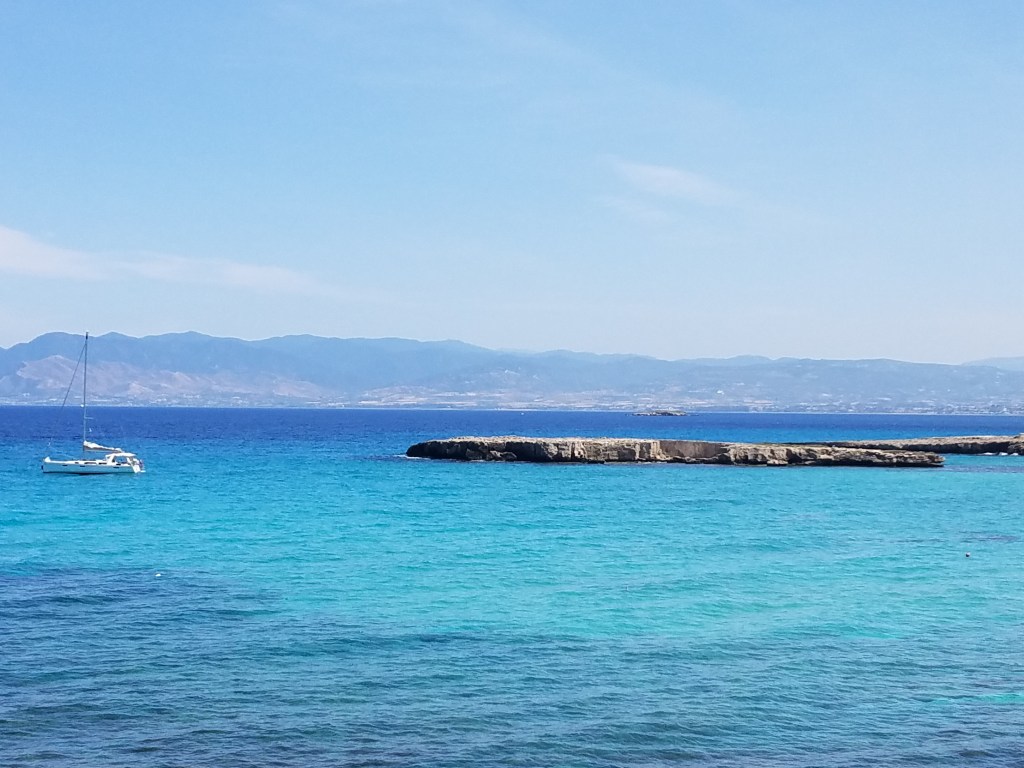
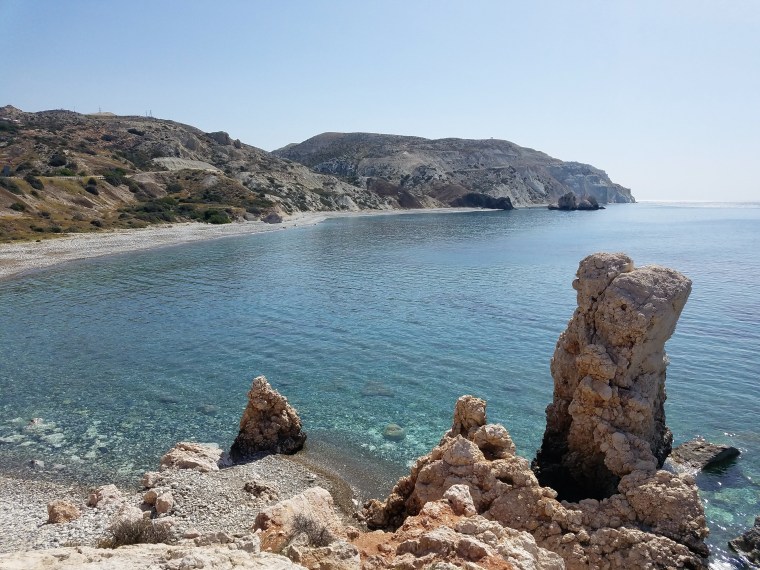
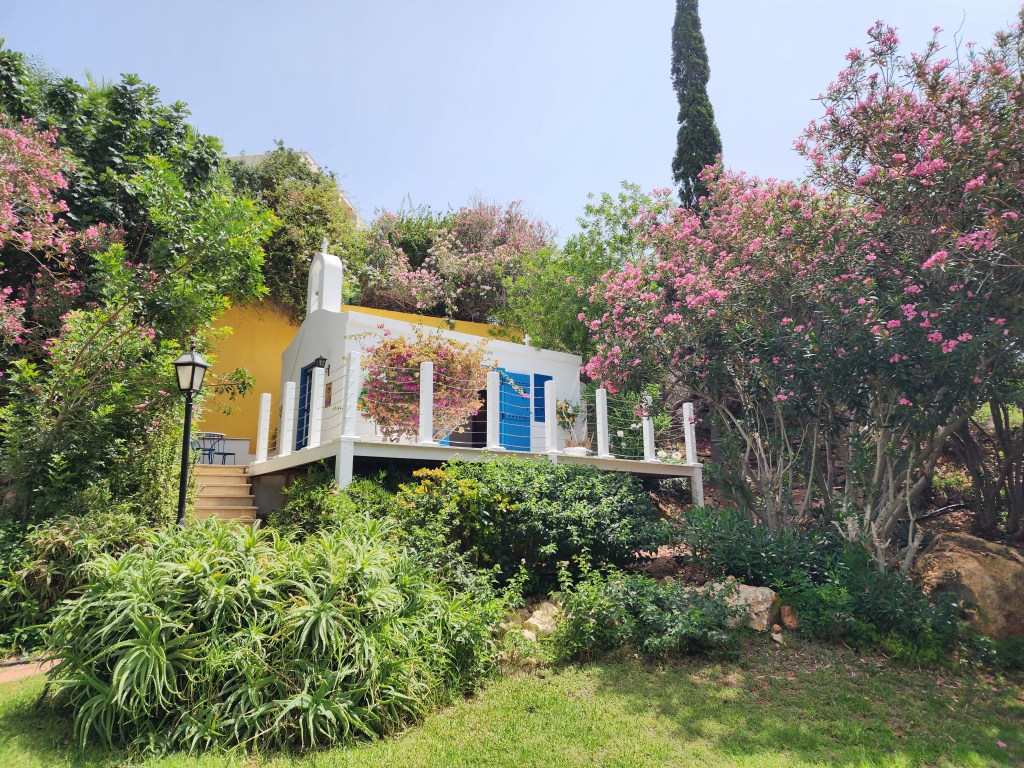
An enchanting Mediterranean island, beckons with its sun-kissed beaches, crystal-clear blue waters, and rich history. With an average of 320 days of sunshine per year, it’s a paradise for sunseekers. Explore ancient ruins, visit the medieval fort in Paphos, and savor local cuisine while enjoying the warm hospitality of this captivating island.
go
The best time to visit Cyprus depends on your preferences and the type of experience you’re seeking. Here are the key seasons:

Low Season (November to April): During the off-season, rates in hotels drop, and the tourist headcount decreases. Storms from the Mediterranean bring cloudy and rainy days, but the countryside, especially in the mountains, can be beautifully crisp. Snow even allows for a brief ski season in the Troödos Mountains and Mt Olympus.
Shoulder Season (May and June, September and October): These months offer pleasant weather without extreme heat. Almost everything is open, and you can enjoy beachside cafes without huge crowds. Cultural festivals also take place during this time, and it’s perfect for walking in the mountains.
High Season (July and August): The peak summer season features warm temperatures, endless swimming opportunities, and special events across the island. However, prices are at their highest, and crowds can be intense. Consider heading inland to escape the coastal crowds.

In summary, spring (March to early June) is ideal for pleasant weather without extreme heat, while May and June strike a balance between warm temperatures and fewer crowds. Enjoy your trip to this beautiful Mediterranean island!
do
Here are some of the must-do attractions:

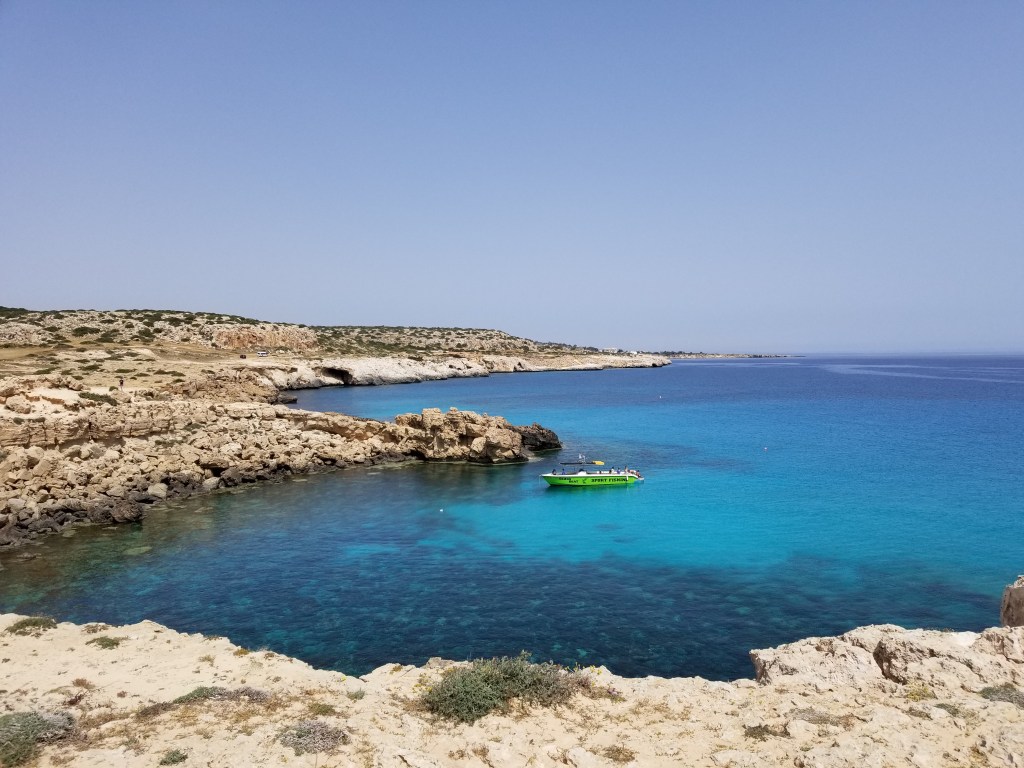
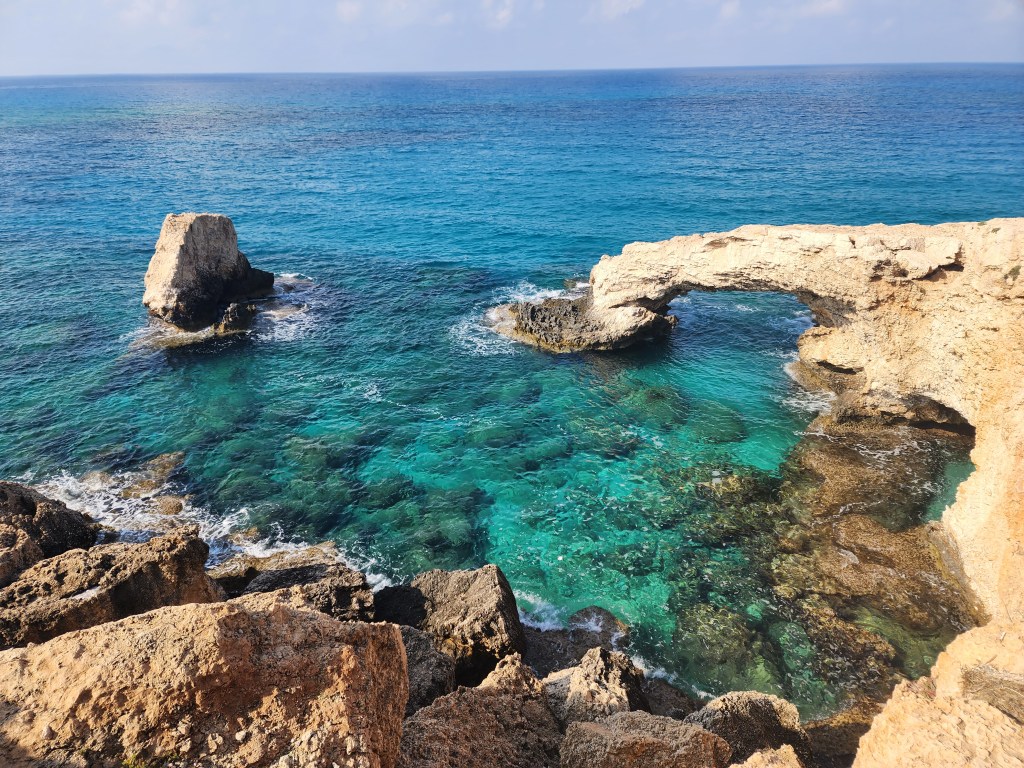
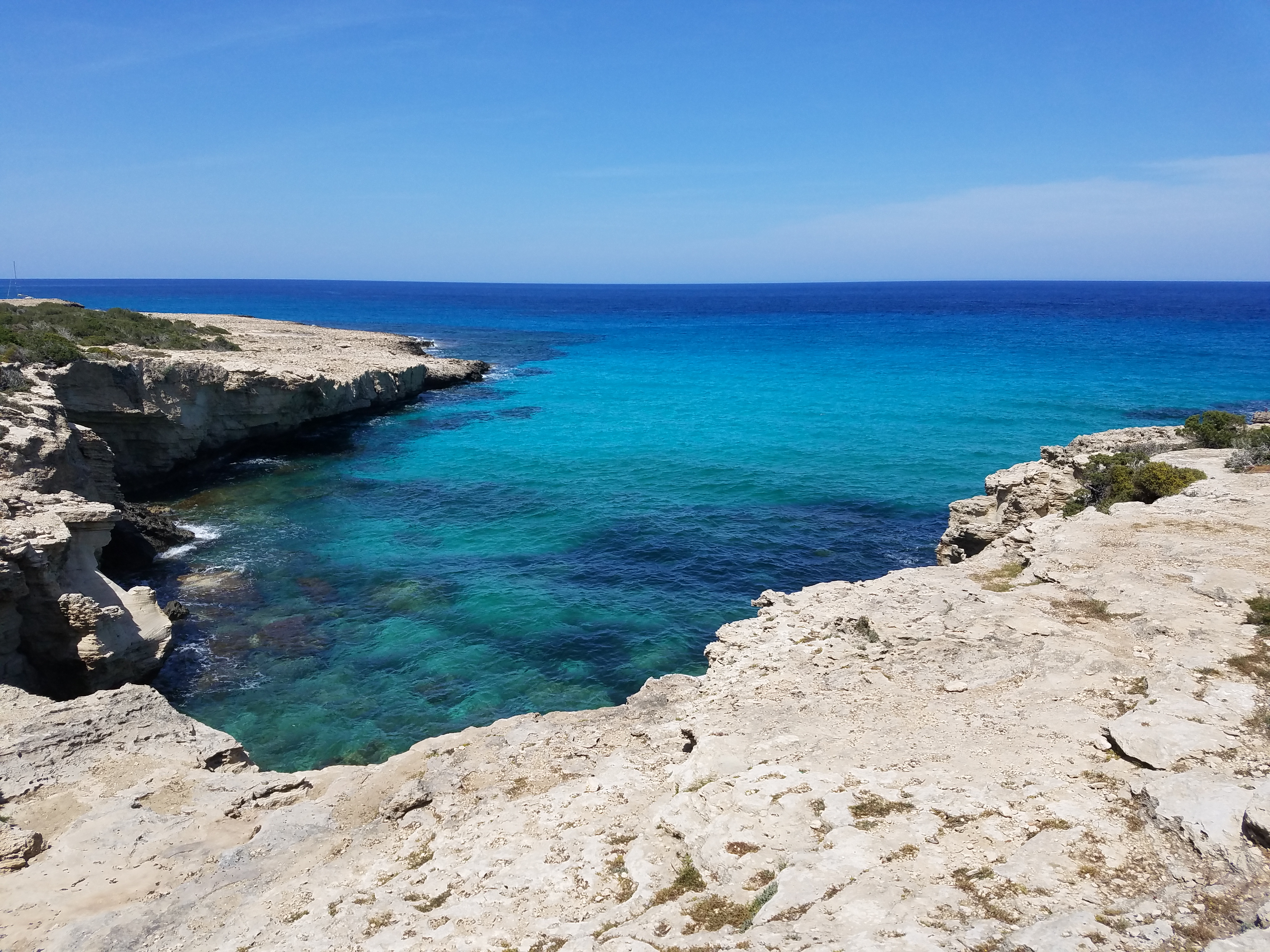
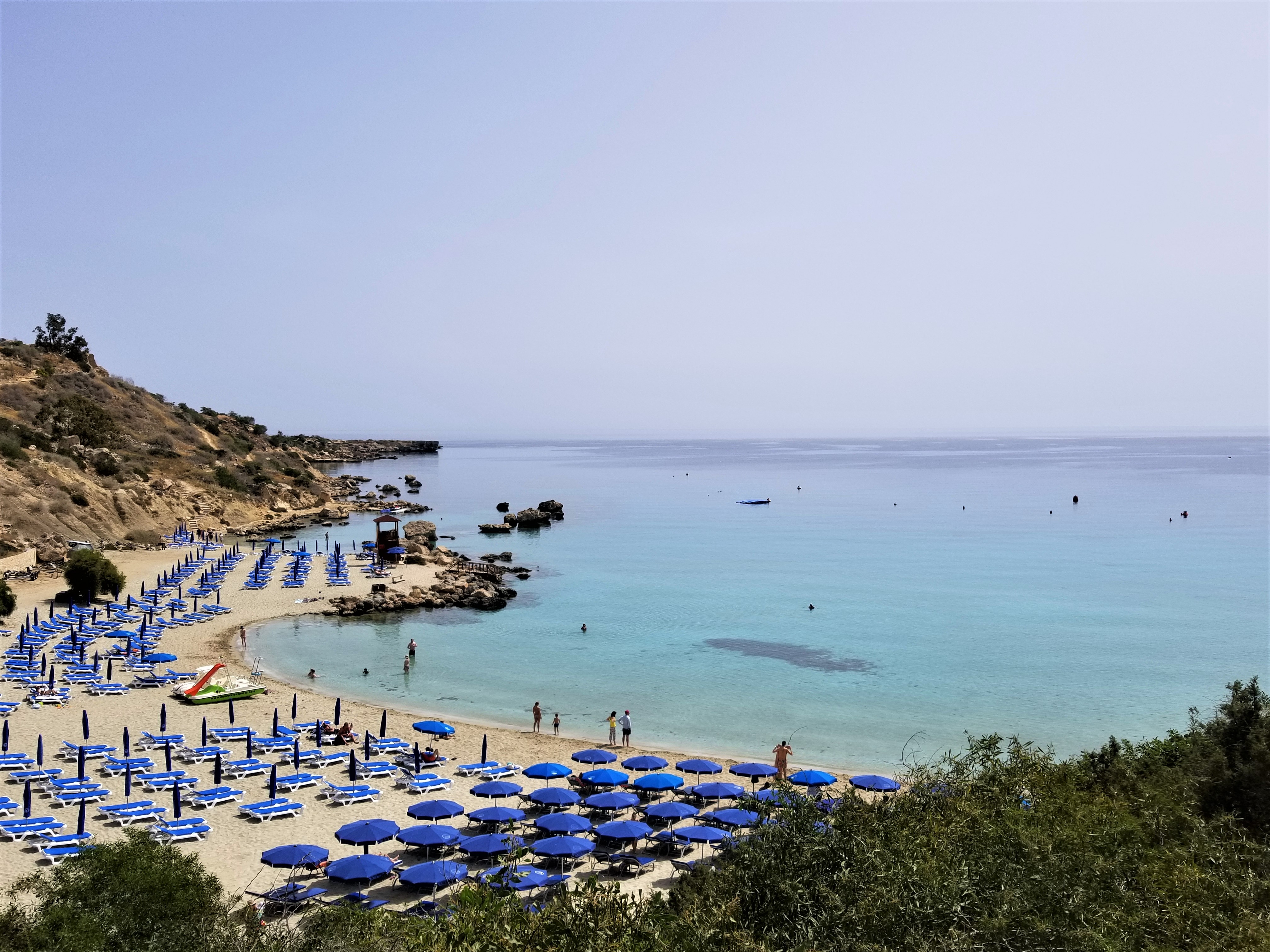
Cape Greco: Located on the southern peninsula of the island, Cape Greco offers stunning landscapes. You can explore pedestrian paths with splendid views and take a dip in the turquoise waters. Don’t miss the impressive natural arches and sea caves. The sunset from Cape Greco is often breathtaking.

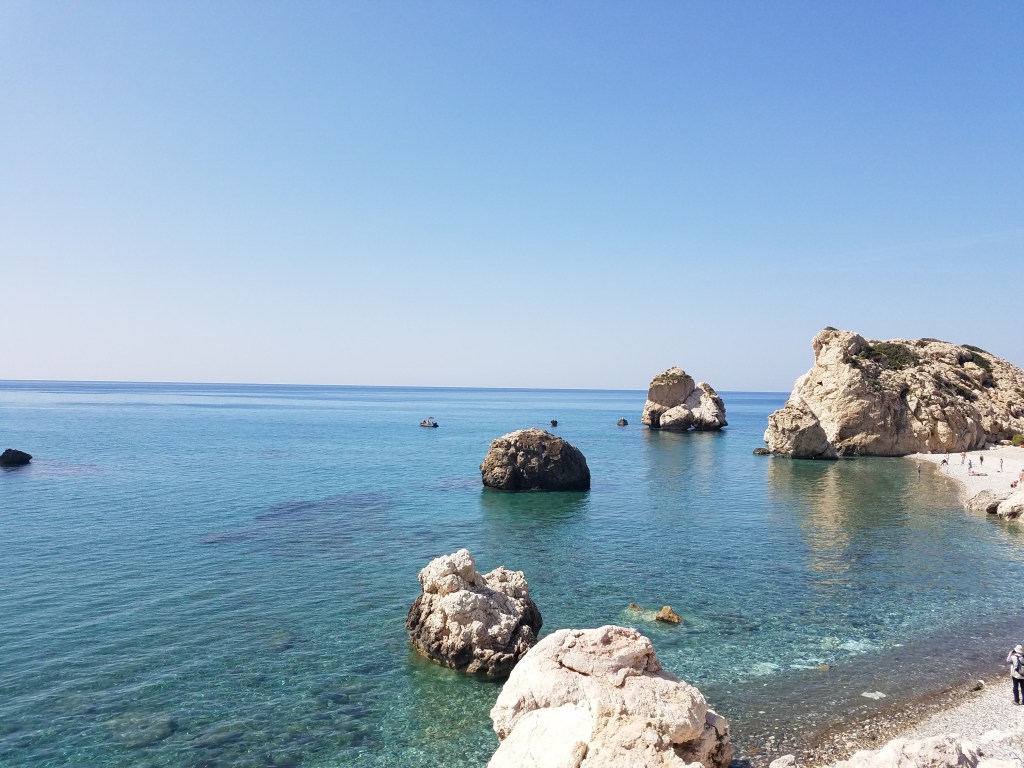
Paphos: Head to the west coast to discover the charming city of Paphos. According to mythology, Paphos was named after a Greek nymph who had a love affair with Apollo. Explore the old fort, lighthouses, and archaeological remains. Paphos also boasts Orthodox churches and offers various activities for tourists.

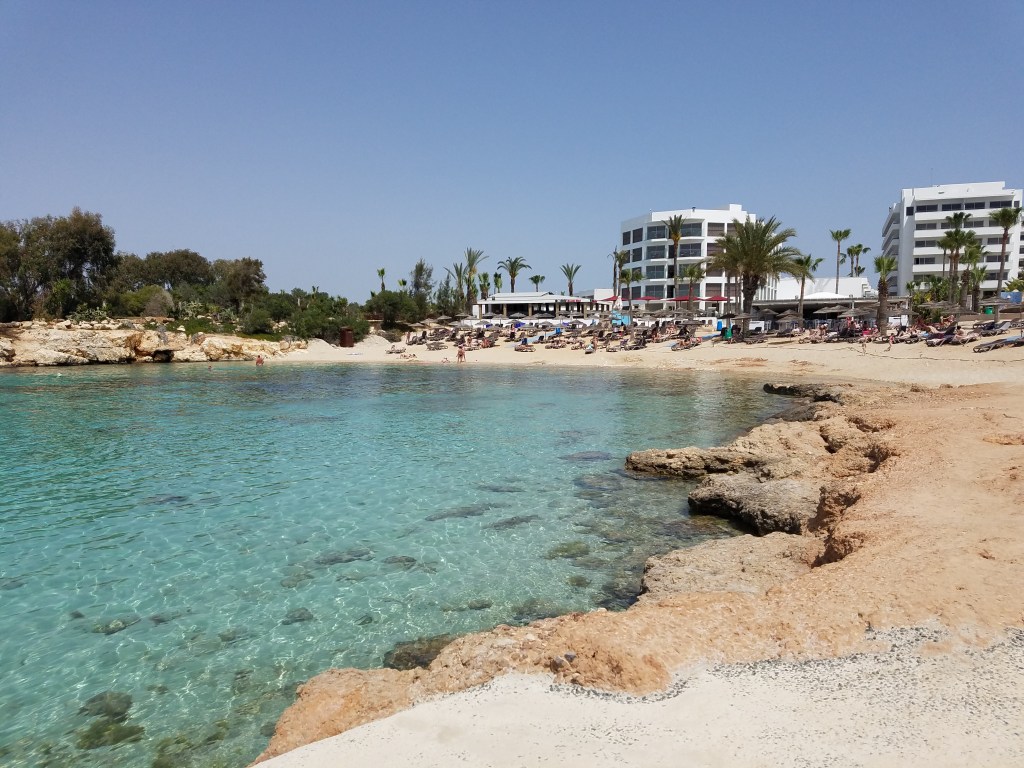
Coral Bay: Just north of Paphos lies Coral Bay, one of the most beautiful beaches in Cyprus. This vast sandy beach is perfect for sunbathing and swimming in crystal-clear waters. If you prefer not to be on the sand, you can rent a deckchair and relax. Visit during off-peak hours to avoid crowds.

Old Town of Nicosia: As the capital of Cyprus, Nicosia is rich in history. The city straddles both Greek and Turkish influences, making it particularly intriguing. Explore historical remains in the northern part and visit museums and folklore shops in the southern part. Nicosia is a must-see for its unique blend of cultures.

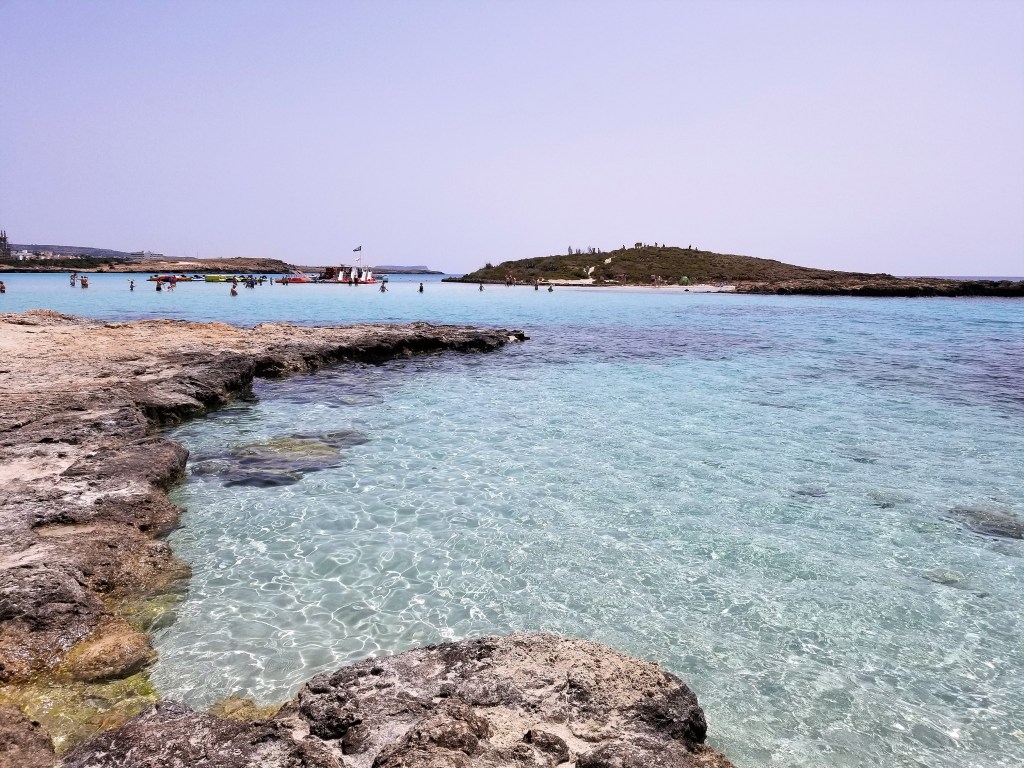
Ayia Napa: Known for its vibrant nightlife and pristine beaches, Ayia Napa captures the spirit of Cyprus. Spend sun-soaked afternoons on Nissi Beach and dance the night away in world-class clubs. It’s a place where memories are made.
eat
Here are some must-try options:

Souvlaki: These marinated and grilled meat skewers (usually chicken or pork) are served in pita bread with salad and lemon. You’ll find souvlaki everywhere in Cyprus, and it’s a must-try dish! For a great spot, check out Souvlaki.GR in Larnaca.

Halloumi: Originating from Cyprus, halloumi is a unique cheese made from a blend of goat, sheep, and sometimes cow’s milk. It’s known for its salty flavor and squeaky texture when grilled or fried.

Kleftiko: Slow-roasted lamb or goat, often cooked in a traditional clay oven. The meat becomes incredibly tender and flavorful due to the slow cooking process.
tips
Here are some useful tips:

Currency and Payments: The official currency is the Euro (€). Credit cards are widely accepted, but it’s a good idea to carry some cash for smaller purchases and in case you visit more remote areas.

Language: Greek and Turkish are the official languages. English is commonly spoken, especially in tourist areas. Learning a few basic Greek phrases can be helpful and appreciated by locals.

Driving and Transportation: Renting a car is a great way to explore the island. Remember that Cypriots drive on the left side of the road. Public transportation is available, but schedules may be less frequent in rural areas.

Cultural Etiquette: Cypriots are friendly and hospitable. Greet people with a smile and a “Kalimera” (good morning) or “Kalispera” (good evening). Dress modestly when visiting churches or monasteries.

Explore Beyond the Beaches: While the beaches are stunning, don’t miss out on the rich history and picturesque villages. Visit ancient ruins, Byzantine churches, and traditional tavernas.

Visit Both Sides of the Island: Cyprus is divided into the Greek Cypriot south and the Turkish Cypriot north. Crossing the “Green Line” allows you to experience both cultures.

Safety and Health: Cyprus is generally safe, but take standard precautions. Keep an eye on your belongings and avoid isolated areas at night. Ensure you have travel insurance and any necessary vaccinations.

Enjoy the Hospitality: Cypriots love sharing their culture and traditions. Attend local festivals, dance performances, and enjoy the warm hospitality of this beautiful island!
 ameropasstravel.com