
Kingdom of Swazi Culture
Previously known as Swaziland, is a small, landlocked country in southeastern Africa. It shares borders with South Africa and Mozambique, and its diverse topography includes rugged mountains, wildlife sanctuaries, and cultural heritage.
go
Eswatini, is a year-round destination with varying seasons. However, if you’re interested in wildlife viewing, the best time to visit is during the dry winter months from May to September. Here’s why:

Dry Season (May to September):
Wildlife Viewing: Animals gather around water sources, making wildlife viewing excellent.
Weather: Mild daytime temperatures, low humidity, and clear blue skies.
Activities: Ideal for safaris and exploring national parks.
Cons: Early morning game drives can be chilly.

Wet Season (October to April):
Scenery: Lush green landscapes.
Birding: Excellent birdlife.
Cons: Wildlife viewing isn’t as good due to the rain and humidity.

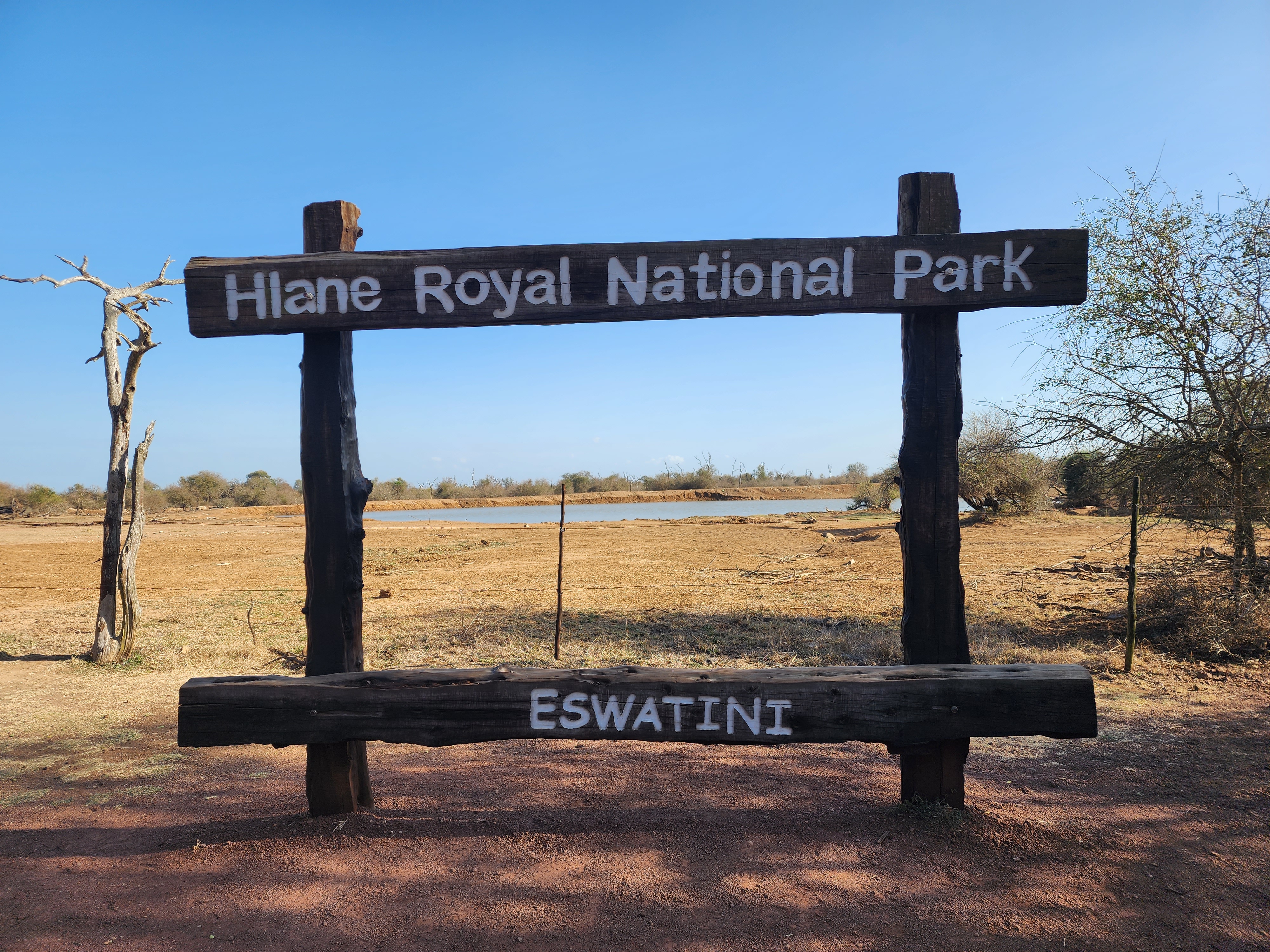
Remember that Eswatini offers more than just wildlife – its culture and scenery are worth exploring year-round!  For specific parks, Hlane Royal National Park and Mkhaya Game Reserve are great choices!
do
Eswatini, offers a variety of must-do attractions. Here are some recommendations:

Sibebe Rock: Explore this massive granite rock formation near Mbabane. It’s a great spot for hiking and enjoying panoramic views.

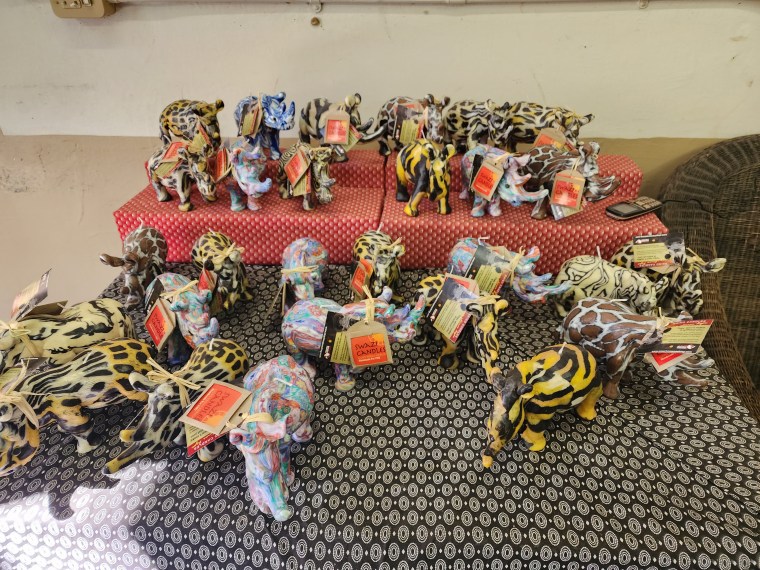
Mbabane Market: Immerse yourself in local culture by visiting this vibrant craft market in Lobamba. You’ll find unique handmade items and traditional Swazi crafts.

Malolotja Nature Reserve: Trek through pristine wilderness in this nature reserve. It’s home to diverse flora and fauna, including rare bird species.

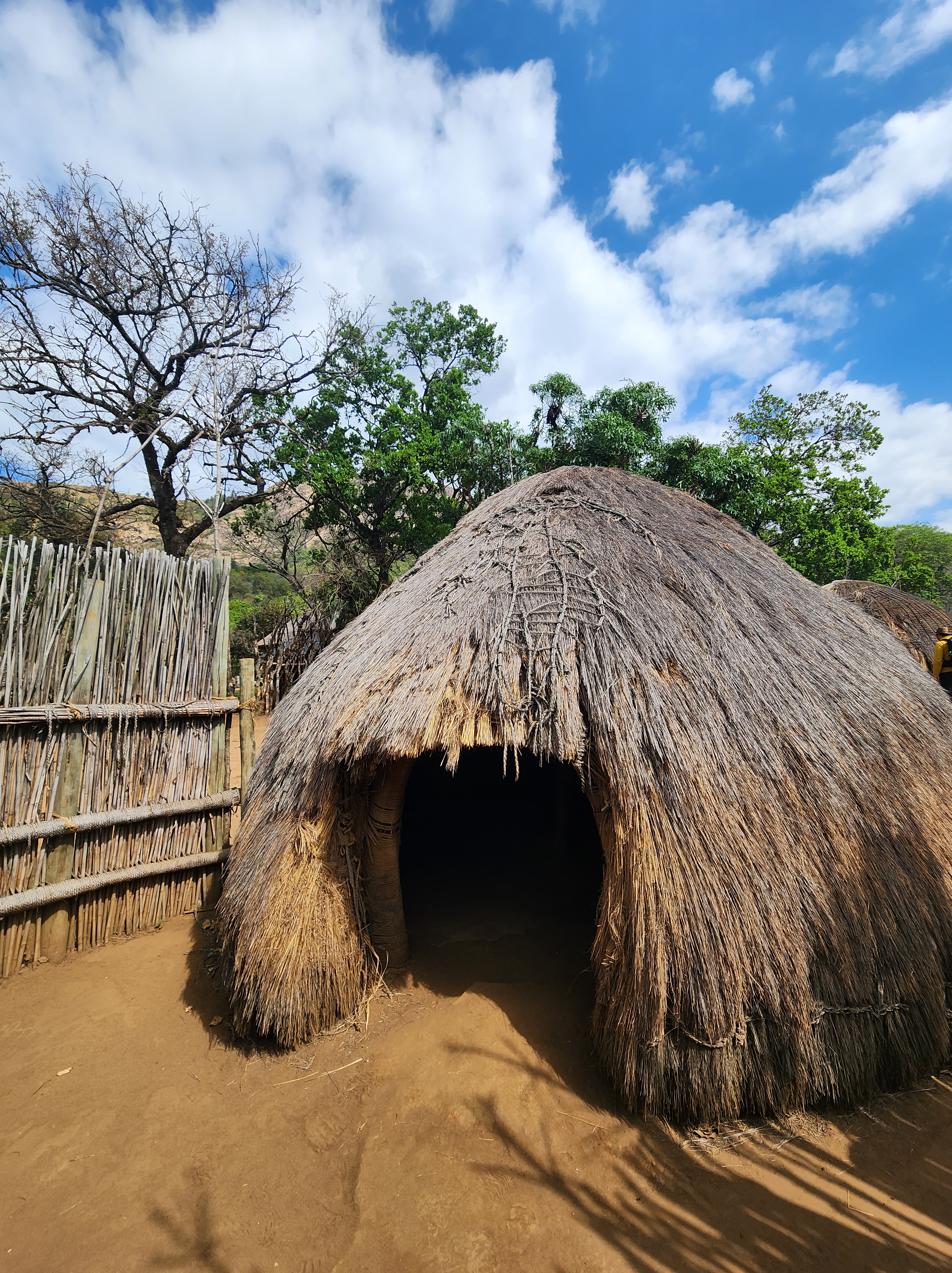
Mantenga Cultural Village: Discover the rich history and traditions of Swaziland’s people. The village showcases traditional dances, crafts, and lifestyle.

Lobamba: Visit the Lion Cavern and explore the Traditional Swazi Craft Markets in this historic town.
eat
Eswatini, offers a delightful array of traditional dishes that you must try during your visit. Here are some must-try foods:

Umncushu (Porridge): Umncushu is a classic Swazi dish made from samp (dehulled maize kernels) and beans. The beans are usually sugar or jugo beans, but any dried bean can be used. After boiling until soft, the samp and beans are mashed together and mixed with ground peanuts. Imagine thick mashed potatoes with bits of corn and beans—a true comfort food! You’ll also enjoy the crispy bottom stuck to the pot, known as “skhokho” 1.

Buganu (Marula Fruit Drink): This alcoholic brew is made from the juice and pulp of marula fruit. It’s potent and has its own annual festival. Ripe marula fruit are peeled, mixed with water, and left to ferment for about three days. A unique and flavorful beverage to try.

Ingwenyama (Grilled or Roasted Beef or Goat): Often served with vegetables and rice, Ingwenyama is a popular dish prepared for special occasions. The tender meat is grilled or roasted to perfection.

Mkhuluwa (Tripe Stew): Made with onions, tomatoes, and spices, Mkhuluwa is a flavorful tripe stew. It’s a hearty dish enjoyed by locals.

Ligusha (Jute Soup): High in protein, fiber, and vitamin C, Ligusha is made from fresh jute leaves cooked on low heat. The slightly slimy consistency might be an acquired taste, but it’s worth trying.
tips
Here are some useful tips for your visit to Eswatini:

Currency: The currency is the Swazi lilangeni (SZL). Credit cards are accepted in major cities, but it’s advisable to carry some cash for smaller establishments.

Respect Local Customs and Traditions: Eswatini has a rich cultural heritage, so take the time to learn about local customs. Greeting people with “Sawubona” (hello) and “Yebo” (yes) is appreciated.

Dress Modestly: When visiting rural areas or cultural sites, dress modestly out of respect for local norms. Avoid revealing clothing.

Health Precautions: Ensure you have necessary vaccinations and take precautions against malaria. Consult your doctor before traveling.

Safety: Eswatini is generally safe, but exercise common sense. Avoid walking alone at night and secure your belongings.

Explore Local Markets: Visit craft markets for unique souvenirs and support local artisans.
Transportation: Rent a car or use public transport to explore. Be prepared for winding roads and drive cautiously.
 ameropasstravel.com