
Ancient Wonders, Vibrant Landscapes
Ethiopia is a country in Africa known for its rich history, diverse culture, and stunning landscapes. It’s one of the oldest countries in the world, with ancient roots dating back thousands of years. This country is known for its stunning natural beauty, lush green countryside, impressive landscapes, and abundant wildlife.
go
The optimal time to visit Ethiopia is during the dry season, which runs from October to June. This period offers sunny and dry weather, ideal for exploring the country’s diverse landscapes and historical sites:

October to February: This is the best time to plan a trip to the ancient rock-cut churches of Ethiopia’s stunning Northern Highlands. The weather is both dry and sunny, although nighttime temperatures can drop dramatically, so pack plenty of layers.

September to November: If you’re interested in trekking the Simien Mountains, this is the ideal time. The weather is dry, green, and relatively dust-free. October, in particular, showcases spectacular mountain wildflowers in full bloom.

June to August: While summer brings minor temperature changes, it’s also the main rainy season in Ethiopia. If you plan to visit, be prepared for rainy weather, especially in June and July. Southwestern regions experience significant differences between daytime and nighttime temperatures.
do
Here are some must-do activities and places to visit:

Danakil Depression: Located on the border between Ethiopia and Eritrea, the Danakil Depression is one of the driest and hottest places on Earth. With temperatures often exceeding 50°C, it features active volcanoes, salted basins, hot springs, and a mesmerizing lava lake. Prepare well for the harsh climate and explore this lunar-like landscape.

Lalibela: This medieval town is home to the Rock-Hewn Churches of Lalibela, a UNESCO World Heritage Site. These 11 monolithic churches, carved out of volcanic rock, date back to the 12th century. St. George’s Cathedral, with its awe-inspiring design, is a must-see. Nearby monasteries add to the spiritual experience.

Harar: Known for its narrow alleyways, Harar is the oldest Islamic city in Africa. Explore its historic walls, centuries-old buildings, and immerse yourself in its enchanting atmosphere. Harar was once a vital commercial link between Africa and the Middle East.

Gondar: Visit Gondar, the former royal capital, where you’ll find a collection of castles, palaces, and churches reflecting the glory of the Gondarine dynasty. The Fasil Ghebbi complex, a UNESCO site, boasts majestic stone castles. Don’t miss Debre Berhan Selassie Church and Fasiladas’ Bath.

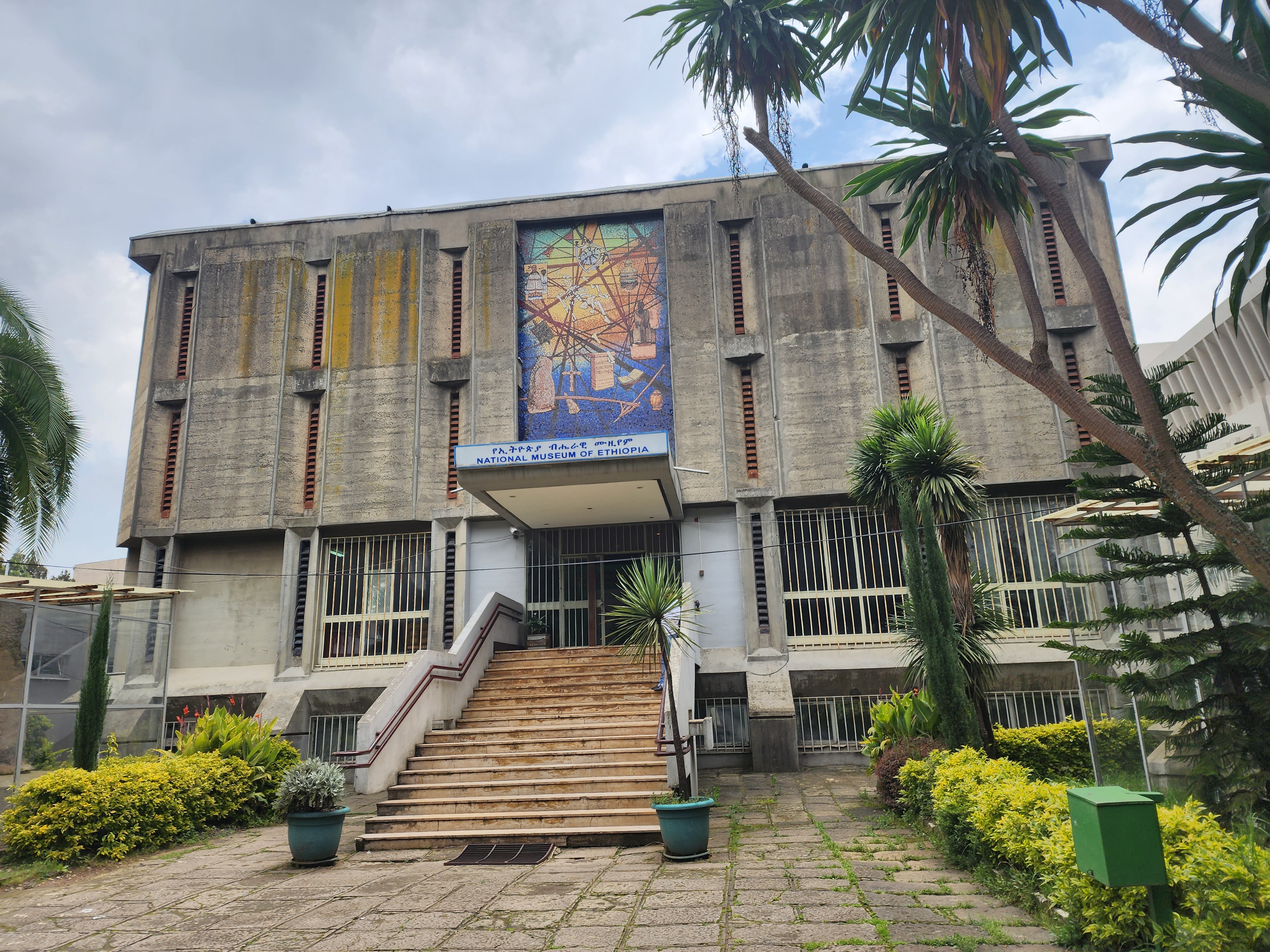
Addis Ababa: Ethiopia’s capital offers a blend of modern culture and historical sites. Explore the National Museum, home to the famous partial skeleton of “Lucy,” a human ancestor who lived over three million years ago.
eat
Here are some traditional Ethiopian dishes you should consider:

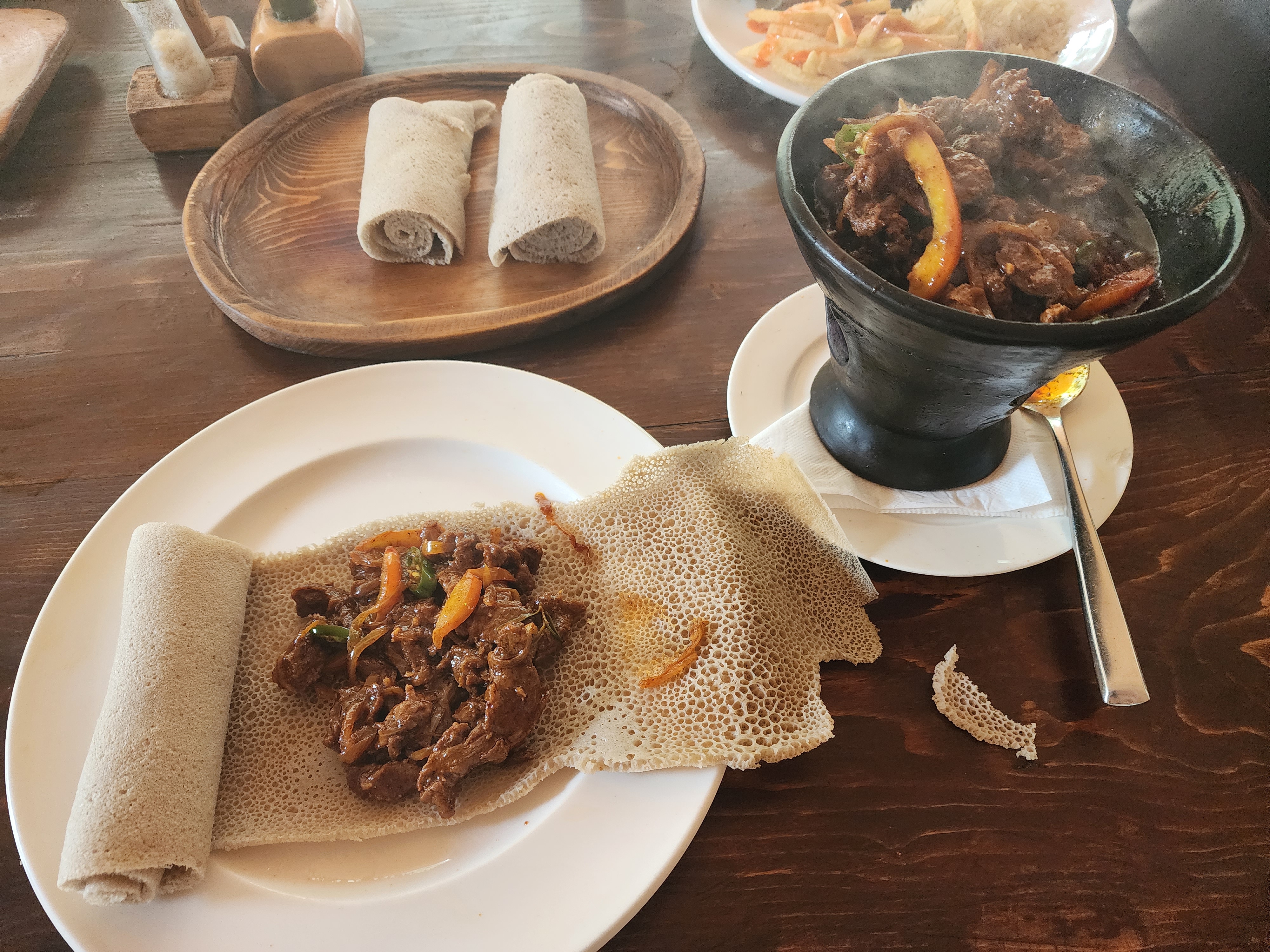
Injera: This sour flatbread is a staple in Ethiopian cuisine. Made from teff flour, injera serves as a base for various dishes. It’s slightly thicker than a crepe and is typically used to scoop up stews, meats, and sauces.

Tibs: If you’re a meat lover, Tibs is a go-to dish in Ethiopia. It features grilled or sautéed meat seasoned with a blend of spices. Tibs is often served with injera bread and can be made using beef, lamb, chicken, or goat meat.

Kitfo: A signature Ethiopian dish, Kitfo is made from minced lean meat (usually beef) that is warmed in a pan with a little butter. It’s often served raw, similar to French tartare, but can also be slightly cooked. Kitfo is typically mixed with mitmita (a spice blend) and niter kibbeh (spiced clarified butter).

Shiro Wat: Shiro Wat is a popular chickpea or bean puree dish. It’s lightly spiced with minced onions, garlic, and sometimes ground ginger or chopped tomatoes. Shiro Wat is commonly consumed during fasting seasons.

Remember that Ethiopian cuisine is diverse, and there are many more delightful dishes to explore beyond these!
tips
Here are some useful tips when visiting Ethiophia:

Currency: The primary unit of currency in Ethiopia is the Ethiopian birr (ETB). It is subdivided into 100 santims. As of the most recent update, 1 US Dollar (USD) is equivalent to approximately 57.27 Ethiopian Birrs,

Cultural Etiquette: Ethiopians are friendly and welcoming. Show respect by dressing modestly, especially when visiting religious sites. Always ask for permission before taking someone’s photo.

Climate Variations: Ethiopia’s diverse landscapes and altitudes result in varying climates. Pack layers and fleece to stay comfortable.

Local Guides: Consider hiring a local guide. They can provide valuable insights and enhance your understanding of the culture and history.

Accommodations: Choose accommodations wisely. Research options that align with your preferences and budget.

Road Travel: Be cautious when traveling by road. Some routes may be challenging due to road conditions.
 ameropasstravel.com