
Castles, History, Innovation
Germany is a captivating destination for tourists. Explore the historic streets of Berlin, visit fairytale-like Neuschwanstein Castle, and savor traditional bratwurst at lively markets. Don’t miss the scenic Black Forest and the enchanting Rhine River cruises.


go
The best time to visit Germany depends on your preferences and what you’d like to experience. Here are some insights to help you decide:

May: May is a fantastic time to visit Germany. The weather has finally warmed up, cherry blossoms are in bloom, and Berlin comes alive with festivals. Plus, the crowds of tourists haven’t arrived yet.
Summer (June to August): If you enjoy warm weather, long days (light until after 21:00), and a bustling schedule of tourist activities, summer is ideal. However, keep in mind that this is also the busiest time for tourists.
Fall (September to November): Fall is another great time to visit. The weather is pleasant, crowds are thinner, and you can enjoy the natural beauty of vibrant autumn leaves. Oktoberfest in Munich, the world’s biggest beer festival, takes place during this time.
Christmas Markets (Late November to New Year’s Eve): If you want a magical experience, consider visiting during the Christmas season. Germany sparkles with festive lights, occasional snow, and enchanting Christmas markets in every town and city.
do
Here are some must-do attractions:

Berlin’s Brandenburg Gate: An iconic Neoclassical structure in Berlin, with a rich history and impressive architecture.

Cologne Cathedral (Kölner Dom): A monumental Gothic cathedral in Cologne, known for its stunning design and city views.

The Black Forest: Explore this enchanting region in Baden-Württemberg, famous for its dense forests, charming villages, and cuckoo clocks.

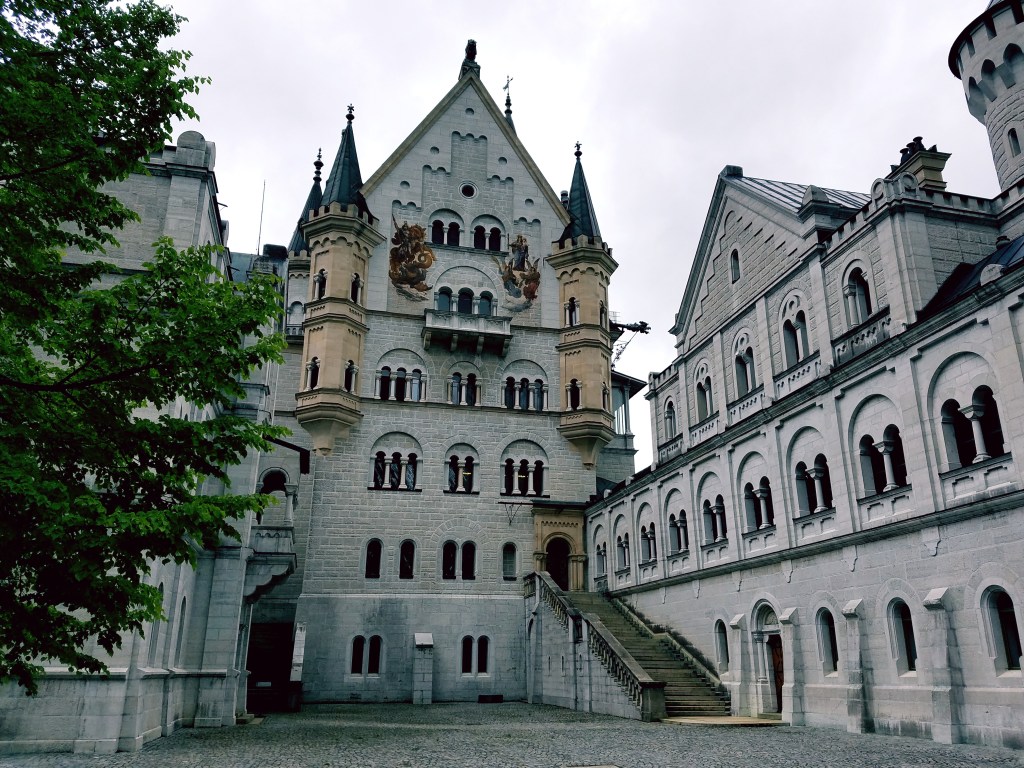
Schloss Neuschwanstein: The ultimate fairy-tale castle in Bavaria, perched atop a hill with breathtaking views.

Miniatur Wunderland and Hamburg’s Historic Port: Discover the world’s largest model railway and explore the vibrant port area in Hamburg.

The Rhine Valley: Cruise along the scenic Rhine River, passing medieval castles, vineyards, and charming towns.

Berlin’s Museum Island: A UNESCO World Heritage site with impressive museums and art collections.

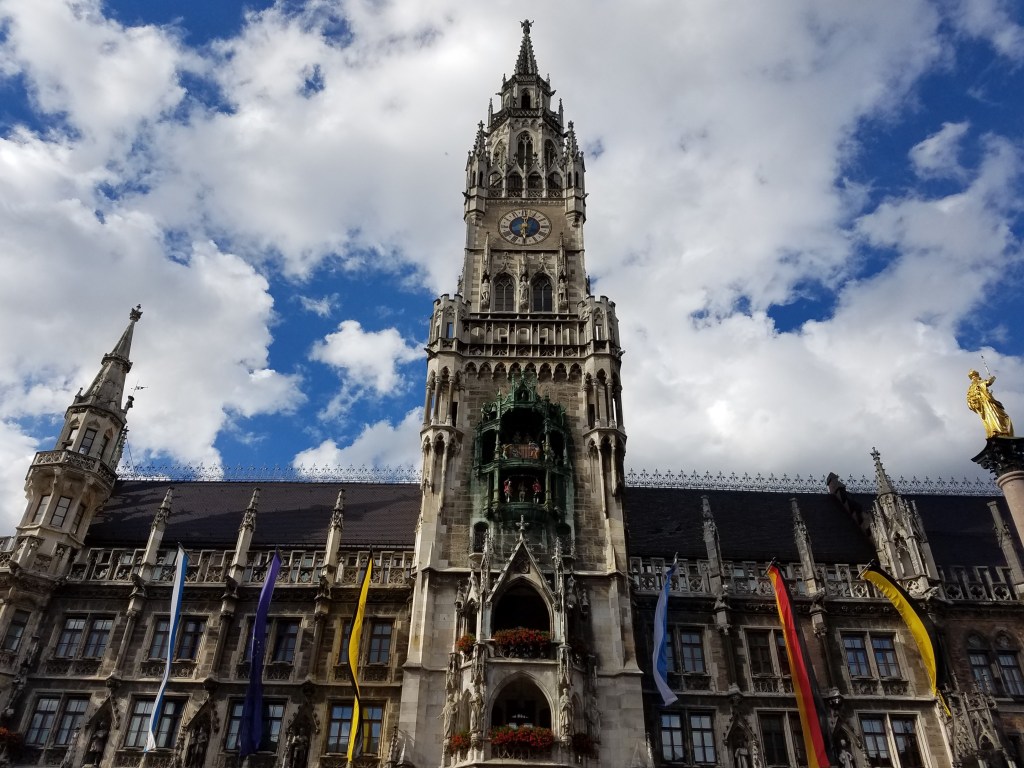
Munich’s Marienplatz: Visit this bustling square in Munich, surrounded by historic buildings and the famous Glockenspiel.

Bamberg and the Bürgerstadt: Explore the picturesque town of Bamberg in Bavaria, known for its well-preserved medieval architecture.

Zugspitze Massif: Head to Bavaria’s highest peak for stunning alpine views and outdoor adventures.
eat
Here are some must-try German foods:

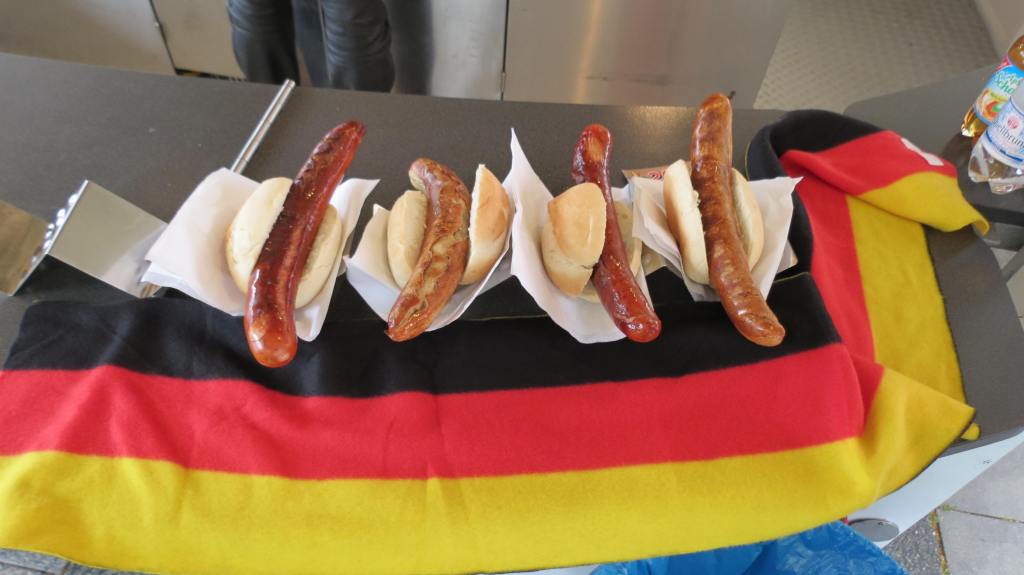
Bratwurst (Grilled Sausage): These sausages, made from ground pork, veal, or beef, are pan-fried or roasted until crispy. Enjoy them with mustard, sauerkraut, or potato salad. Bratwurst is also a popular fast food option.

Schnitzel (Breaded Cutlet): Thin slices of meat (usually pork) are breaded and fried. The classic Wiener Schnitzel, an Austrian dish, features veal cutlets layered with ham and cheese before frying. Serve with fried potatoes and cream sauces.

Brezeln (Pretzels): Soft, baked pretzels made from wheat dough are a German staple. Top them with sea salt, ground cheese, cinnamon sugar, or nuts for a savory or sweet treat.

Braised Cabbage: A comforting dish made by combining cabbage with broth, vegetables, and sometimes grains. It’s often part of hearty soups and stews.

Kartoffelpuffer (Potato Pancakes): Grated potatoes mixed with egg, onion, and seasonings, then fried until golden brown. Serve with applesauce or apple compote.

Hamburger Labskaus: A classic dish from Hamburg, it features boiled and riced potatoes stewed with beef, onions, and gherkins. Often paired with pickled herring or a fried egg.

Spätzle (Soft Egg Noodles): These soft, irregularly shaped noodles are a common side dish. They pair well with rich sauces or gravies.

Kartoffelsalat (Potato Salad): German potato salad varies by region, but it typically includes potatoes, onions, and a tangy dressing (often vinegar-based).

Knödel (Dumplings): These versatile dumplings can be made from bread, potatoes, or semolina. They accompany meat dishes or serve as a standalone meal.

Rouladen: Thinly sliced beef rolled around a filling of bacon, onions, and pickles, then braised until tender. Served with gravy and red cabbage.
tips
Here are some important tips:

Cash is Essential: While Germany is known for its technological advancements, credit cards are not widely accepted. Many places, including shops in major transit hubs, do not take credit cards. So, make sure to carry plenty of cash with you during your trip.

Recycling Matters: Germans are environmentally conscious, and recycling is taken seriously. Separate your recyclables properly, and return bottles to the store for a deposit refund.

Square Pillows: If you’re staying in hotels, be prepared for square pillows. It’s a common feature in German accommodations.

Sundays are for Relaxation: On Sundays, most shops and businesses are closed. Plan your activities accordingly and enjoy a leisurely day.

Bag Your Own Groceries: Unlike some other countries, bagging your own groceries at supermarkets is the norm in Germany. Be ready to pack your items after checkout.

Water is Not Cheap: Tap water is not typically served for free in restaurants. If you want water, you’ll need to order it and pay for it separately.

Learn Basic Phrases: While many Germans speak English, learning a few basic phrases in German can enhance your experience.
 ameropasstravel.com