
Geologic, Contrasting, and Captivating
A Nordic island country, captivates with its unique geology—geysers, volcanoes, glaciers, and lava fields. Sparsely populated, it’s home to just 380,000 residents. Explore Vatnajökull National Park, Snæfellsjökull volcano, and the untouched wilderness of Hornstrandir.
go
Here are some insights to help you decide:
Summer (June to August): Summer is the most popular time to visit Iceland. It offers mild weather, long daylight hours, and a wide range of activities. You’ll have access to various outdoor adventures, including hiking, glacier tours, and whale watching. Plus, the midnight sun allows for extended exploration. Crowds can be significant, and prices tend to be higher during this season.
Winter (September to March): Northern Lights: Winter months are increasingly popular due to the chance to witness the mesmerizing Northern Lights. The dark nights provide optimal conditions for aurora viewing. Fewer tourists, lower prices, and a unique winter wonderland experience. You can also enjoy ice caves and snow-covered landscapes. Cold temperatures and shorter daylight hours. Be prepared for icy roads and limited accessibility to some areas.
Spring (April to May): As the snow melts, Iceland comes alive with blooming lupine flowers. It’s a great time for photography and exploring without the summer crowds.
Fall (September to October): Fall foliage adds vibrant colors to the landscape. Fewer tourists mean more peaceful experiences. Mild weather, fewer crowds, and better chances of seeing the Northern Lights compared to summer. Some attractions may still be closed, and weather can be unpredictable.
do
Here are some of the must-do attractions:

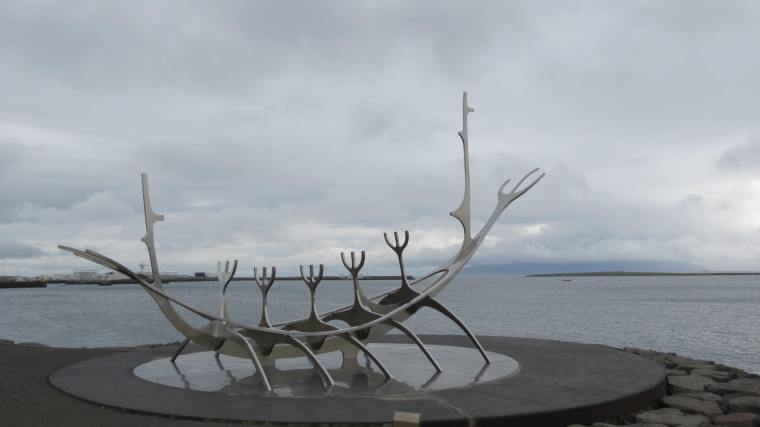
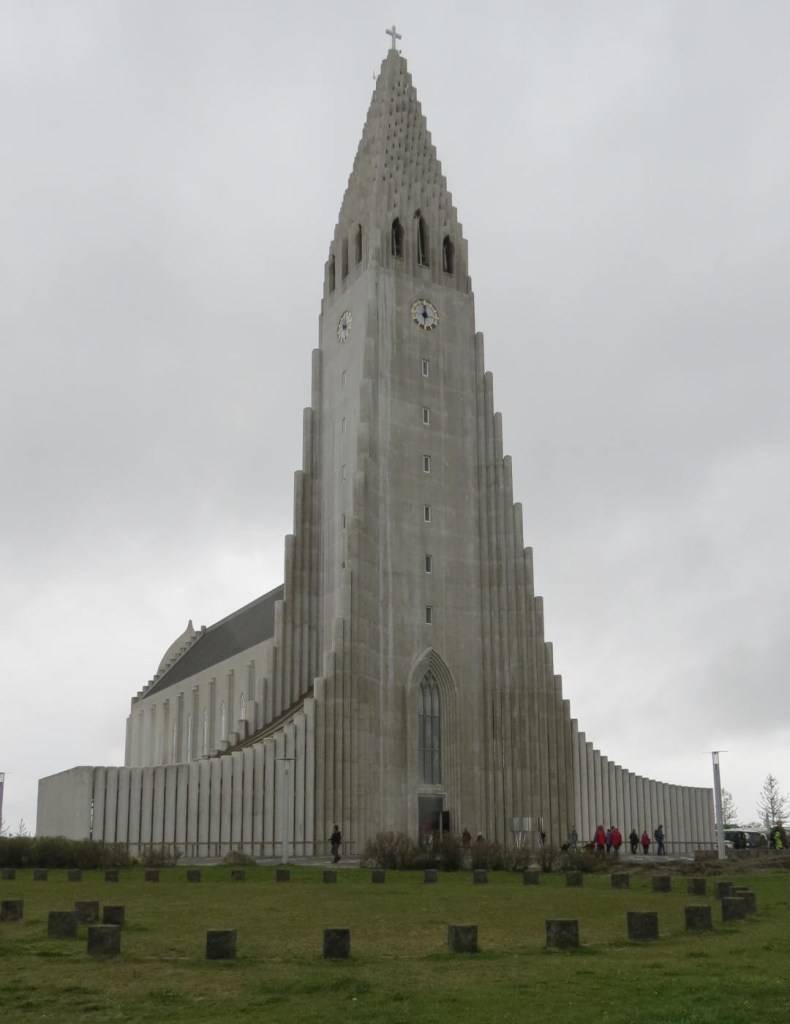
Reykjavik: Start your trip by exploring the capital city. Visit iconic locations like Hallgrimskirkja church and the Sun Voyager sculpture. Don’t miss relaxing in one of Reykjavik’s 17 thermal pools.

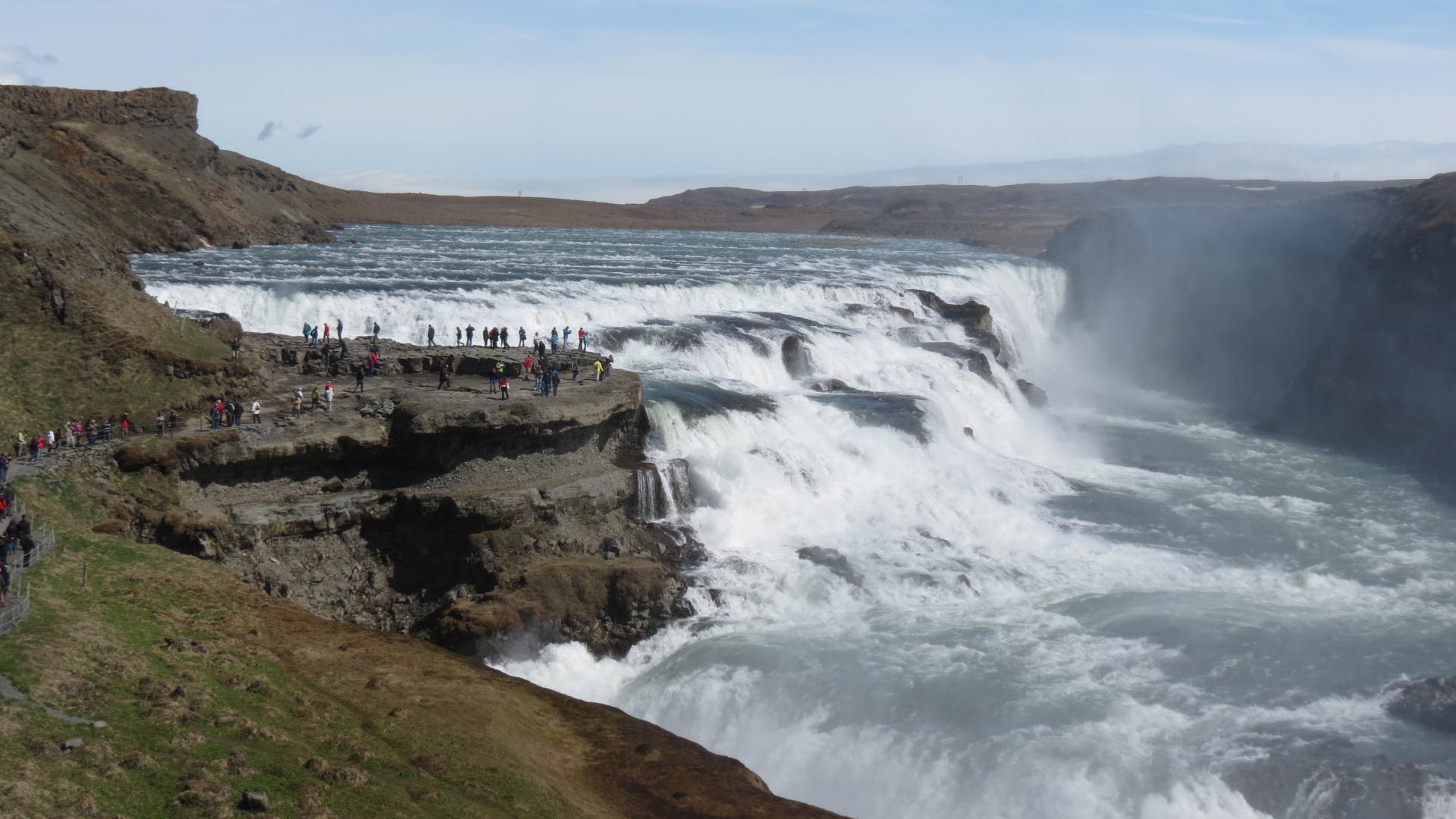
Gullfoss Waterfall: Witness the stunning power of this massive waterfall located in the Golden Circle.

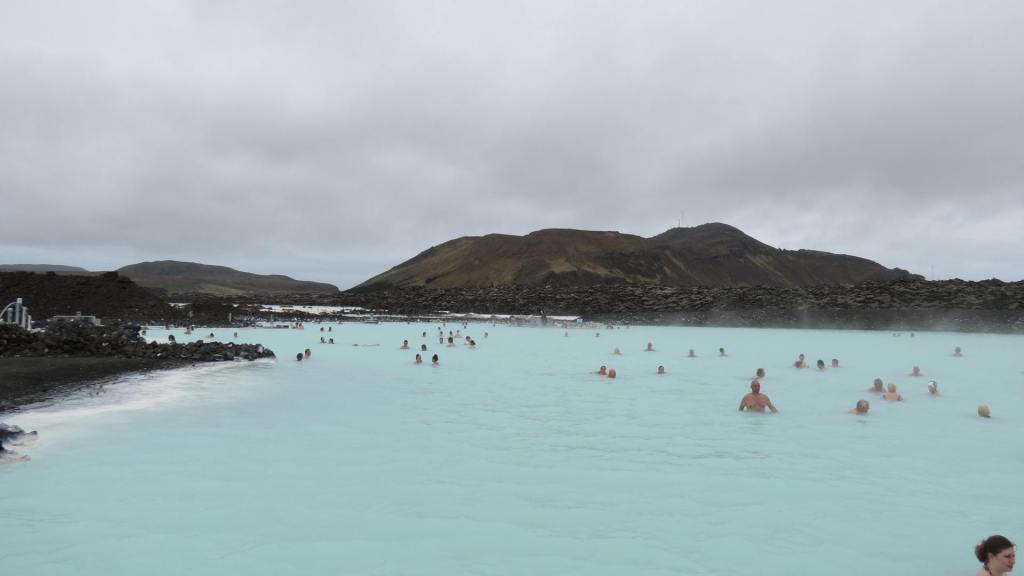
Blue Lagoon, Grindavík: Soak in the geothermal waters of this famous spa.

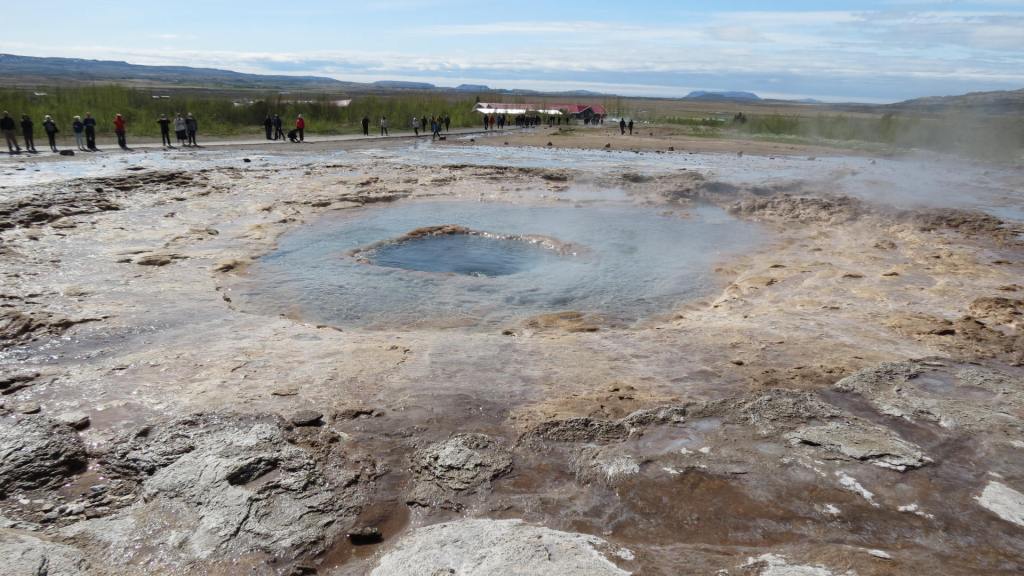
Geysers: Watch geysers erupt at the Geysir Geothermal Area.

Northern Lights (Aurora Borealis): Experience this magical natural phenomenon during the winter months.

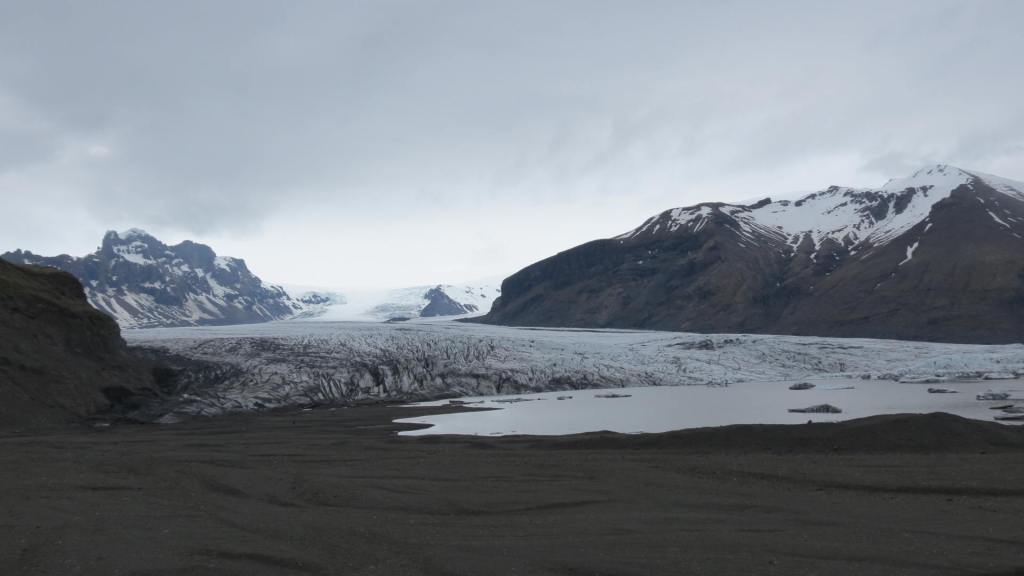
Vatnajökull Glacier: Explore Europe’s largest glacier and its ice caves.

Dettifoss Waterfall: Feel the spray of this powerful waterfall.

Kirkjufell Mountain, Grundarfjördur: Capture the beauty of this iconic mountain.

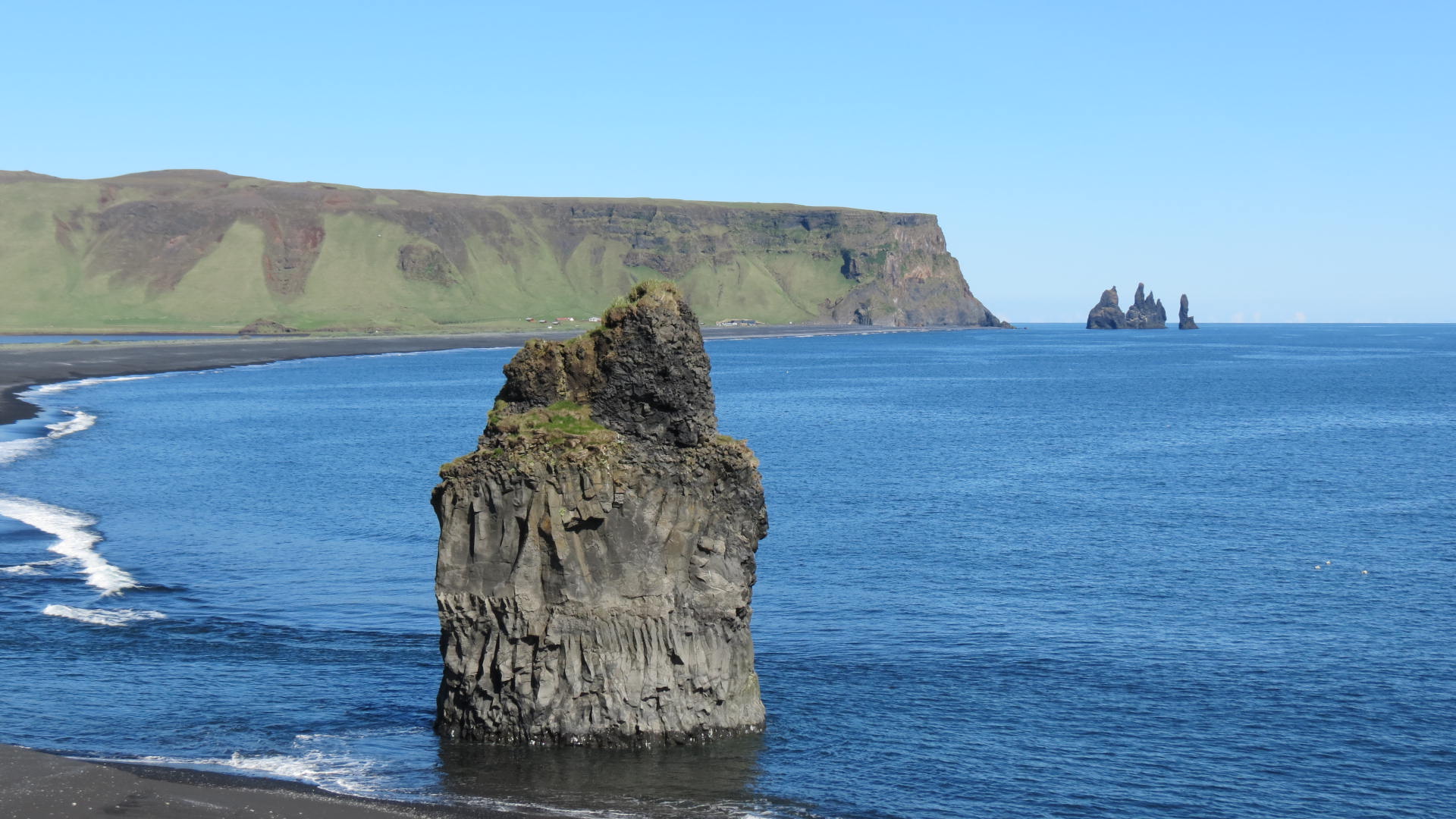
Reynisfjara Black Sand Beach: Visit the striking black sand beach near Vik.

Raufarhólshellir Lava Tunnel: Tour this fascinating lava tube.
eat
Here are some must-try Icelandic dishes:

Icelandic Lamb: Locals claim it’s the best lamb in the world. The flavor is exceptional due to the sheep’s diet of wild herbs and grasses.
Skyr: A thick, creamy dairy product similar to yogurt. It’s high in protein and often enjoyed with berries or honey.
Rye Bread (Syett Rúgbrauð): This dense, dark bread is baked in geothermal ovens. Pair it with butter or smoked fish for an authentic taste.
Fish & Chips: Iceland’s fresh fish (such as cod, Arctic char, and salmon) makes for delicious fish and chips. Enjoy it with a side of crispy fries.
Plokkfishur: A comforting fish stew made with cod or haddock, potatoes, and onions. Warm and hearty, especially during colder months.
Harðfiskur: Dried fish jerky, often eaten as a snack. It’s a traditional way to preserve fish for long winters.
Thyme Tea: A soothing herbal tea made from wild Icelandic thyme. Perfect for chilly days.
Rye Bread Ice Cream: Yes, you read that right! Creamy ice cream flavored with rye bread and often drizzled with caramel sauce.
Waffles: Enjoy warm waffles topped with whipped cream and jam. A delightful treat for any time of day.
Kleina: A twisted doughnut-like pastry, lightly fried and dusted with sugar. Great with coffee.
Appelsín: A popular orange soda in Iceland. Refreshing and nostalgic.
Opal & Tópas: Icelandic liquorice candies with unique flavors. Opal is minty, while Tópas has a licorice-anise taste.
Snorri Beer: Local craft beer with various flavors. Explore the beer scene while in Iceland.
Icelandic Schnapps: Made with birch or moss, this strong spirit is an acquired taste but worth trying.
tips
Here are some useful tips for visiting Iceland:

Respect the Moss: When exploring Iceland’s natural wonders, avoid walking on the delicate moss covering lava fields. Moss grows very slowly (only about 1 cm per year), so even minimal damage can be severe. Let’s preserve Iceland’s beauty for future generations.

Bring a Reusable Water Bottle: Iceland’s tap water is pristine and delicious. Save money and reduce waste by using your own reusable water bottle. The tap water is free and closely monitored for quality. Plus, it’s free of nitrate, calcium, and chlorine.

Plan Ahead: Investigate driving times, road conditions, weather forecasts, and safety issues before setting out. Ask locals for insider tips on each place you plan to visit.

Dress in Layers: Iceland’s weather can change rapidly. Wear layers and a waterproof outer layer to stay comfortable in varying conditions.

Pack Waterproof Shoes: Whether you’re exploring waterfalls, glaciers, or geothermal areas, waterproof shoes are essential. Keep your feet dry and comfortable.

Monitor Weather Alerts and Road Closures: Stay informed about weather conditions and any road closures. Iceland’s weather can be unpredictable, so be prepared.

Budget Wisely: Know how much to budget for your trip. Iceland can be expensive, so plan accordingly.

Book in Advance: Whether it’s accommodations, tours, or tickets to attractions like the Blue Lagoon, booking ahead ensures you get the best experience.

Use Credit Cards with a PIN: Credit cards are widely accepted, but having a PIN is essential for certain transactions.

Be Prepared for Ever-Changing Weather: Bring layers, waterproof gear, and warm clothing. Iceland’s weather can shift quickly.
 ameropasstravel.com