
Rugged Cliffs, Green Landscapes
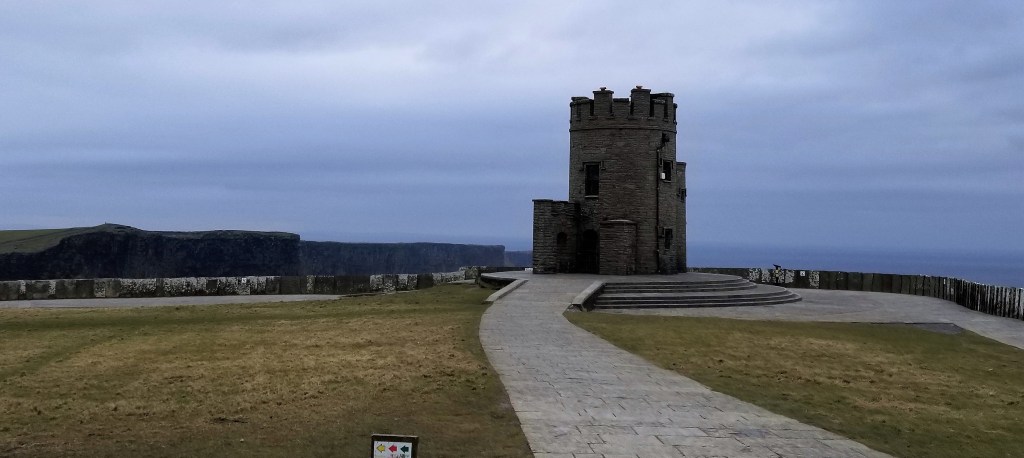
Ireland’s beauty lies in its rugged landscapes, from the Cliffs of Moher dramatically plunging into the Atlantic to the otherworldly Giant’s Causeway with its hexagonal stone columns.








go
Here’s a concise breakdown of the best times to visit Ireland:

Summer (June, July, and August): Warmest weather, ideal for sightseeing and festivals. Crowds and higher prices.
Winter (December, January, and February): Lower prices, quieter attractions. Cold weather, shorter days.
Spring (March, April, and May): Spring arrives, St. Patrick’s Day festivities. Rainy in March and April.
Autumn (September, October, and November): Longer days in September and October. Shorter days in November, wintery weather.
do
Here are some must-do attractions:

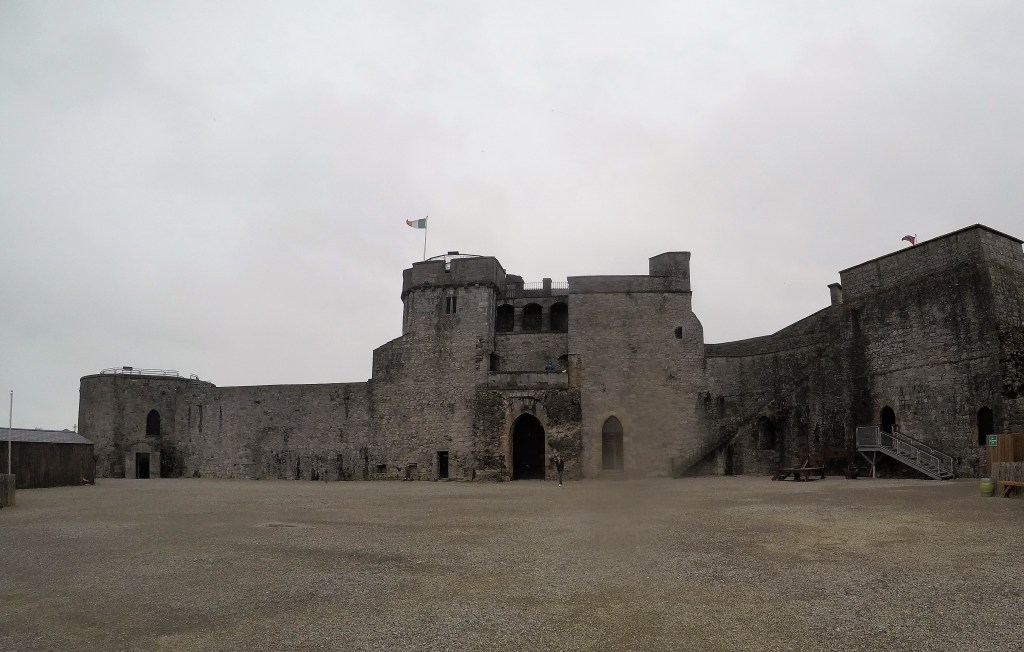
Dublin Castle: A historic fortress with impressive architecture, located in the heart of Dublin. Explore its rich history and beautiful surroundings.

Christ Church Cathedral: A stunning medieval cathedral in Dublin, known for its Gothic architecture and fascinating crypt. Don’t miss the chance to climb its tower for panoramic views.

Cliffs of Moher: These dramatic cliffs on the west coast provide breathtaking views of the Atlantic Ocean. A must-see natural wonder.

Giant’s Causeway: A UNESCO World Heritage site in Northern Ireland, featuring unique hexagonal stone columns formed by volcanic activity.

Newgrange: A prehistoric monument with a fascinating alignment to the winter solstice sun. Discover ancient mysteries at this Neolithic site.
eat
Here are some must-try Irish foods:

Irish Stew: A hearty one-pot dish made with onions, potatoes, and mutton. Some variations include carrots and pearl barley for extra flavor and thickness.

Soda Bread: A popular bread made without yeast. It rises using baking soda and buttermilk. Pair it with honey, dried fruits, or seeds for a tasty treat.

Colcannon (or Champ): Creamy mashed potatoes mixed with butter and cabbage. Colcannon is flavored with spring onions, while Champ includes milk and additional butter.

Boxty: A versatile potato pancake made by mixing grated potatoes into mashed potatoes and frying them. Try it with smoked salmon and Crème Fraîche or bacon and eggs.

Dublin Coddle: A comforting dish made with sausages, bacon, onions, and potatoes, slow-cooked together.

Shepherd’s Pie: A classic dish with minced lamb or beef, topped with mashed potatoes and baked until golden and crispy.

Boiled Bacon and Cabbage: Simple yet delicious, this dish features boiled bacon served with cabbage and potatoes.

Potato Farl: A type of potato bread, often served as part of an Ulster Fry breakfast. It’s crispy on the outside and soft on the inside.
tips
Here are some useful tips for your trip to Ireland:

Plan Your Irish Road Trip Carefully: If you’re road-tripping, map out your route in advance.
Ensure your itinerary is realistic, logical, and follows a route that makes sense. Don’t underestimate travel times – Ireland’s winding roads can take longer than expected.

Consider Public Transport: You don’t need a car to get around Ireland.
Combine buses, trains, and day tours for an alternative way to explore the country.

Pack Light Layers: Ireland can experience four seasons in one day. Be prepared by wearing layers. Bring a waterproof jacket and slip-proof shoes to stay comfortable in changing weather.

Immerse Yourself in Local Culture: Interact with locals, visit pubs, and enjoy traditional music sessions. Don’t just stick to cities – explore the countryside and coastal villages for an authentic experience.

Never Trust the Weather Completely: Even during summer, rain is common. Always carry an umbrella or raincoat. Embrace the unpredictable weather and enjoy the beauty of the Emerald Isle regardless.

Get Travel Insurance: Protect yourself with comprehensive travel insurance. It covers illness, injury, theft, and cancellations. Don’t leave home without it – it’s essential for peace of mind.

Taste Guinness in Ireland: Guinness beer tastes better when enjoyed in its home country. Visit a local pub and savor the experience.
 ameropasstravel.com