
History, Culture, Beauty
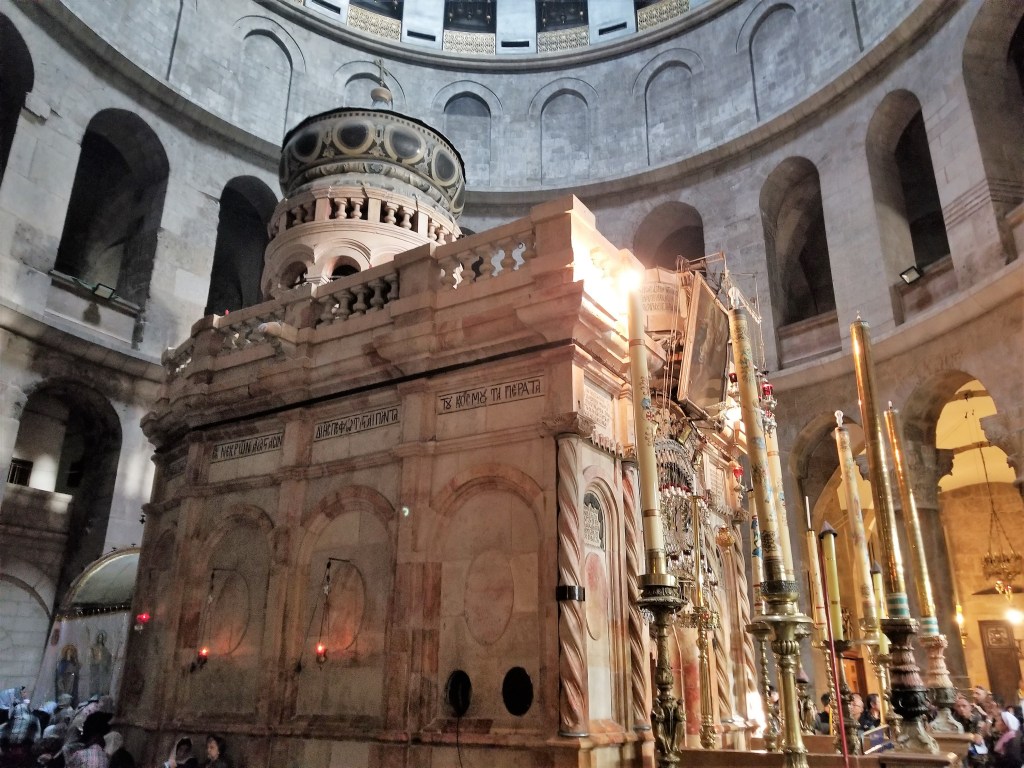
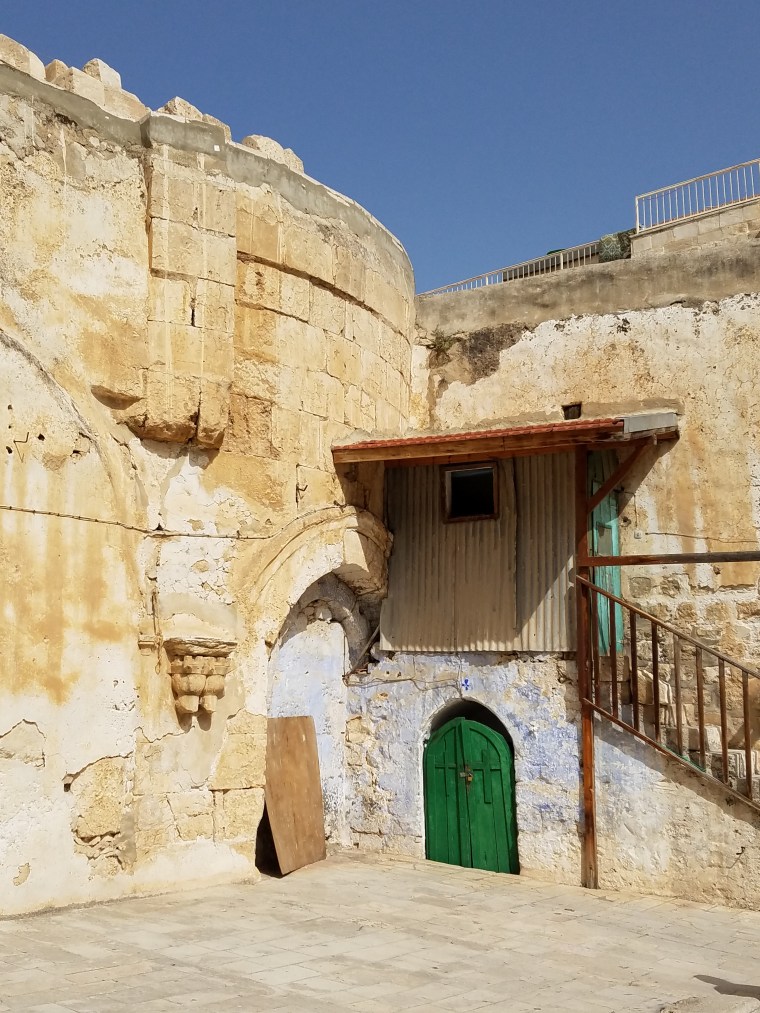
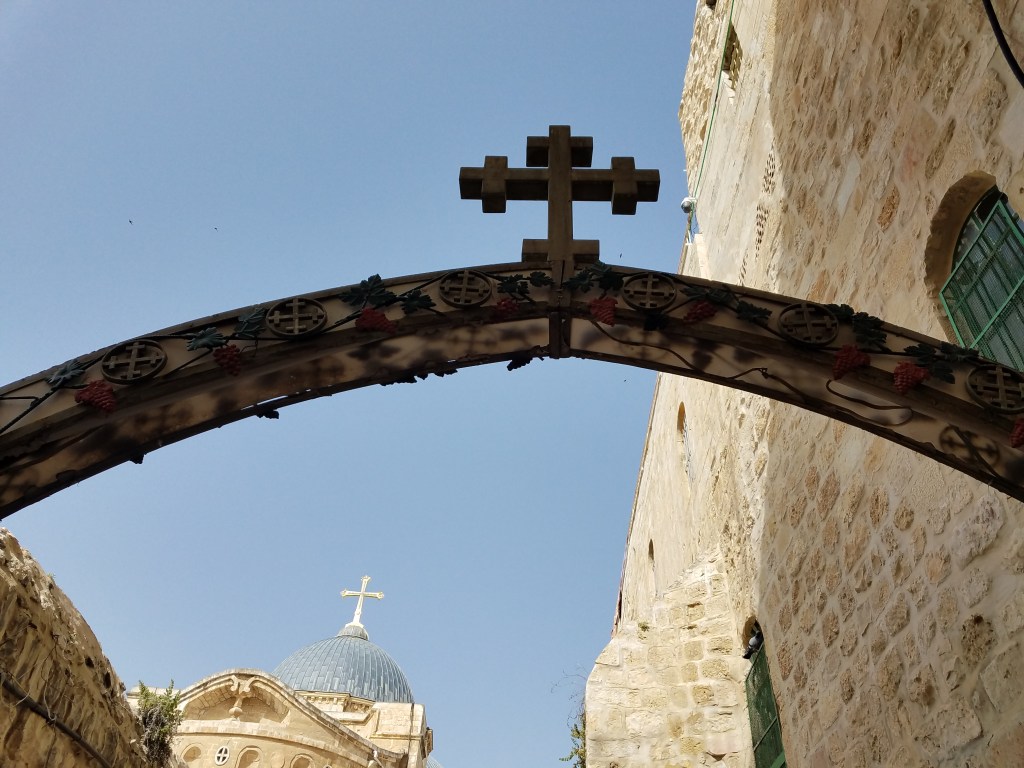
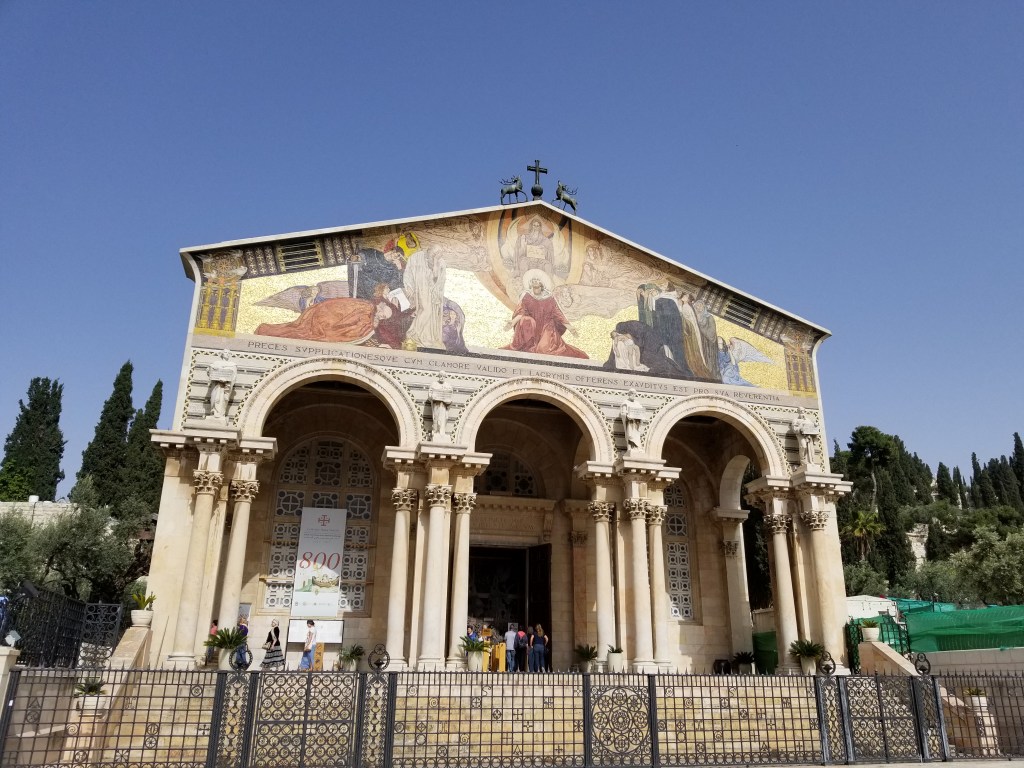
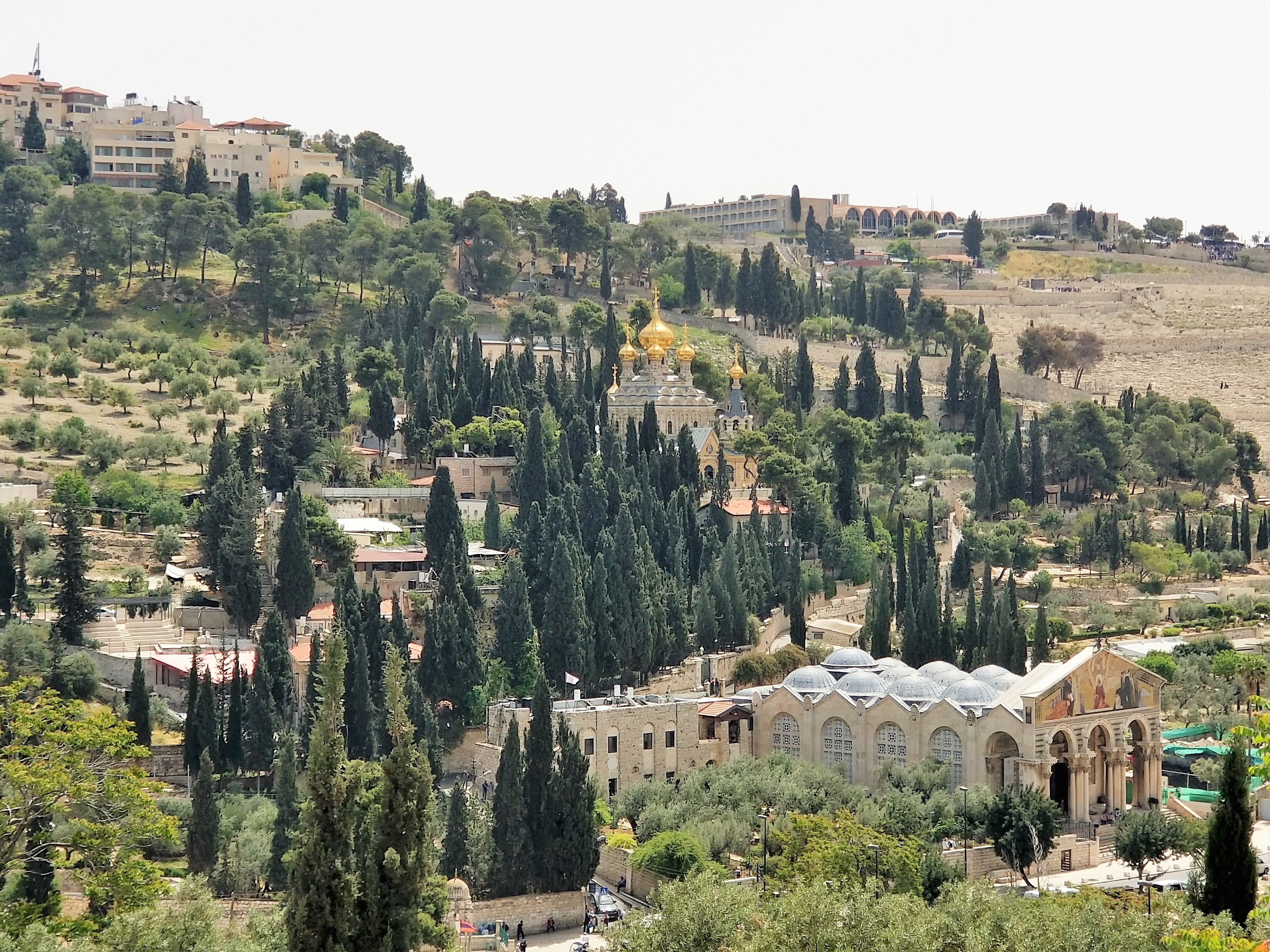
Israel’s history is a captivating tapestry woven over thousands of years, from biblical times to the Crusades and the Ottoman Empire. As you explore this ancient land, you’ll encounter the echoes of civilizations that have left their indelible mark on its landscape and culture.



go
The best times to visit Israel are in spring or fall. During these seasons, the days are pleasantly warm, with temperatures around 79°F, and the nights are cool. If you don’t mind the heat, summer (June to August) can be quite hot during the day, with average temperatures of 90°F. However, evenings are cooler, and you’ll enjoy smaller crowds at popular sites. Keep in mind that October and August tend to be the busiest months, so plan ahead if you’re visiting during those times.
do
Here are some top tourist attractions you might want to explore:

Old City of Jerusalem: This historic neighborhood features four culturally diverse quarters, ancient gates, and sacred sites. Take guided tours, explore vibrant markets, and enjoy serene walks along cobbled streets.

Yad Vashem - The World Holocaust Remembrance Center: A Holocaust memorial museum with emotional exhibits and personal survivor accounts. It’s a poignant place to learn about history and pay respects. Guided tours and multimedia presentations are available.

Western Wall (Wailing Wall): A historical site revered for its spiritual significance. Visitors can experience gender-segregated prayer areas and participate in the tradition of placing notes in ancient wall crevices. Night visits are particularly serene.

Jaffa Old City: This historic port neighborhood in Tel Aviv blends narrow, art-filled lanes with a lively market and tranquil sea views. Explore local culture and admire historical architecture.

Israel Museum: Located in Jerusalem, this museum houses a vast array of archaeological artifacts, including a detailed Second Temple period model and the famous Dead Sea Scrolls. Don’t miss the sculpture garden and modern art exhibits.

Masada National Park: Visit this historic mountaintop fortress with panoramic views of the Dead Sea.
eat
Here are some must-try Israeli dishes:

Hummus: Creamy pureed chickpeas with tahini, garlic, and lemon. Often served with warm pita bread.

Falafel: Crispy fried balls made from ground chickpeas, herbs, and spices. Enjoy them in pita pockets with tahini and salad.

Shakshuka: A flavorful dish of poached eggs in a spicy tomato and bell pepper sauce. Perfect for breakfast or brunch.

Sabich: An Israeli sandwich with fried eggplant, hard-boiled eggs, and tahini, wrapped in flatbread.

Shawarma: Thinly sliced marinated meat (usually chicken or lamb) served in pita bread with veggies and sauces.
tips
Here are some useful tips:

Currency: The currency is the New Israeli Shekel (NIS). While some establishments accept US dollars or Euros, it’s best to have shekels or a credit card. Shekels can be withdrawn from ATMs at Ben Gurion Airport or in major cities. Shekels are also legal tender in Palestinian cities in the West Bank.

Visa and Passport Requirements: Ensure your passport is valid for at least six months from your initial entry into Israel. Border officials no longer stamp passports upon entry, but provide an entry visa. Visitors from many countries (including the USA and UK) are visa-exempt, but check if you need prior approval or a tourist visa if you’re from an Arab country.

Understand Israel’s History and Culture: Israel has a rich history spanning over 3000 years. Familiarize yourself with its past, including the establishment of the State of Israel in 1948. Respect the cultural diversity and religious significance of the region.

Dress Modestly: Pack modest clothing, especially if you plan to visit religious sites. Cover your shoulders and knees, and avoid revealing attire.

Airport Security: Be prepared for strict interviews at the airport. Answer questions honestly and confidently. Keep the paper visa/slip you receive safely.

Visit Tel Aviv at Night: Tel Aviv comes alive after dark. Explore its vibrant nightlife, restaurants, and beachfront promenade.

Shabbat Hours: Be aware of Shabbat (the Jewish Sabbath) from Friday evening to Saturday evening. Many businesses and services close during this time.

Use Monit Sheruts: Shared taxis (Monit Sheruts) are a convenient way to get around. They operate on fixed routes and are cheaper than regular taxis.
 ameropasstravel.com