
Iconic Landmarks, Stunning Landscapes
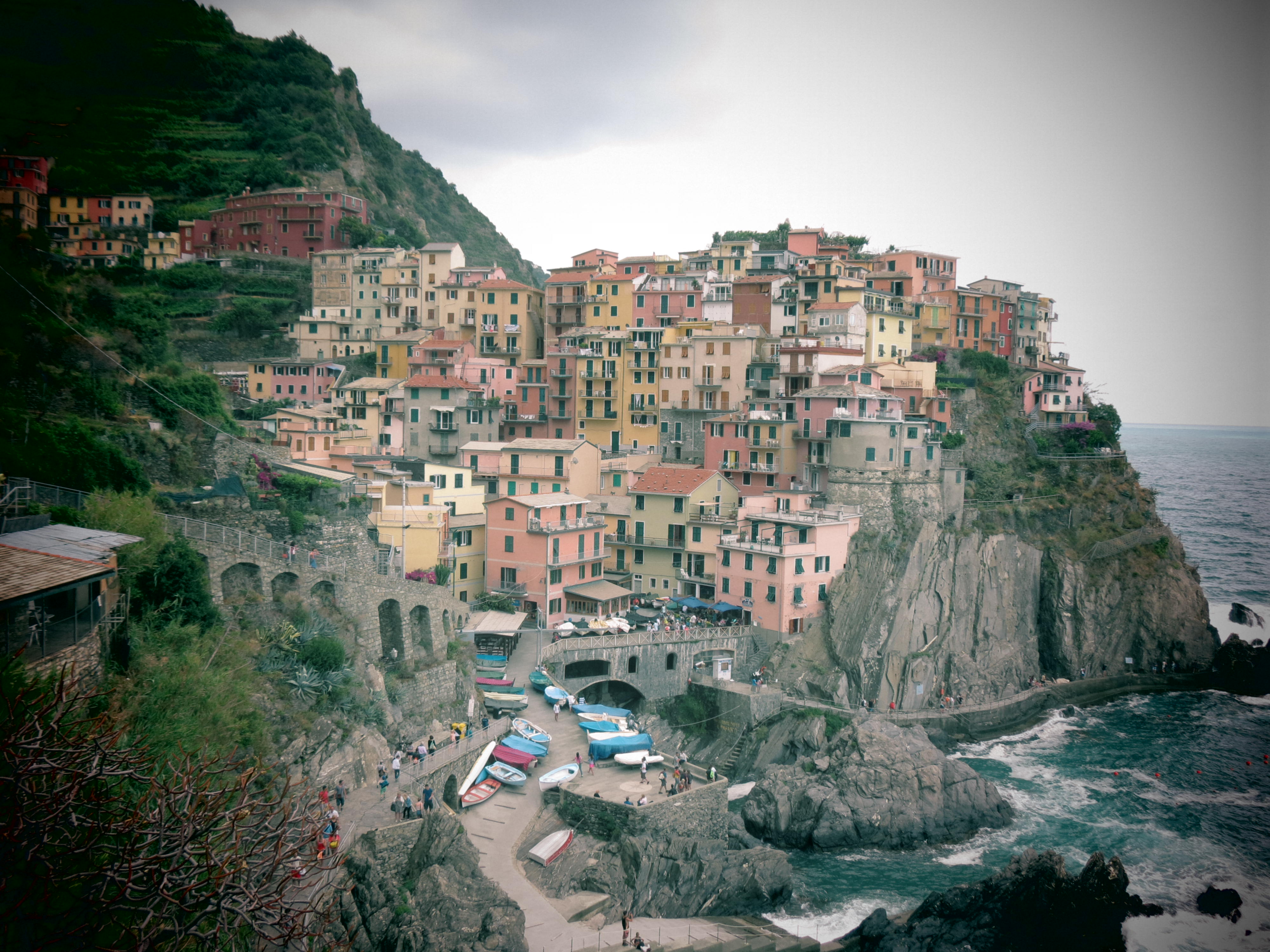
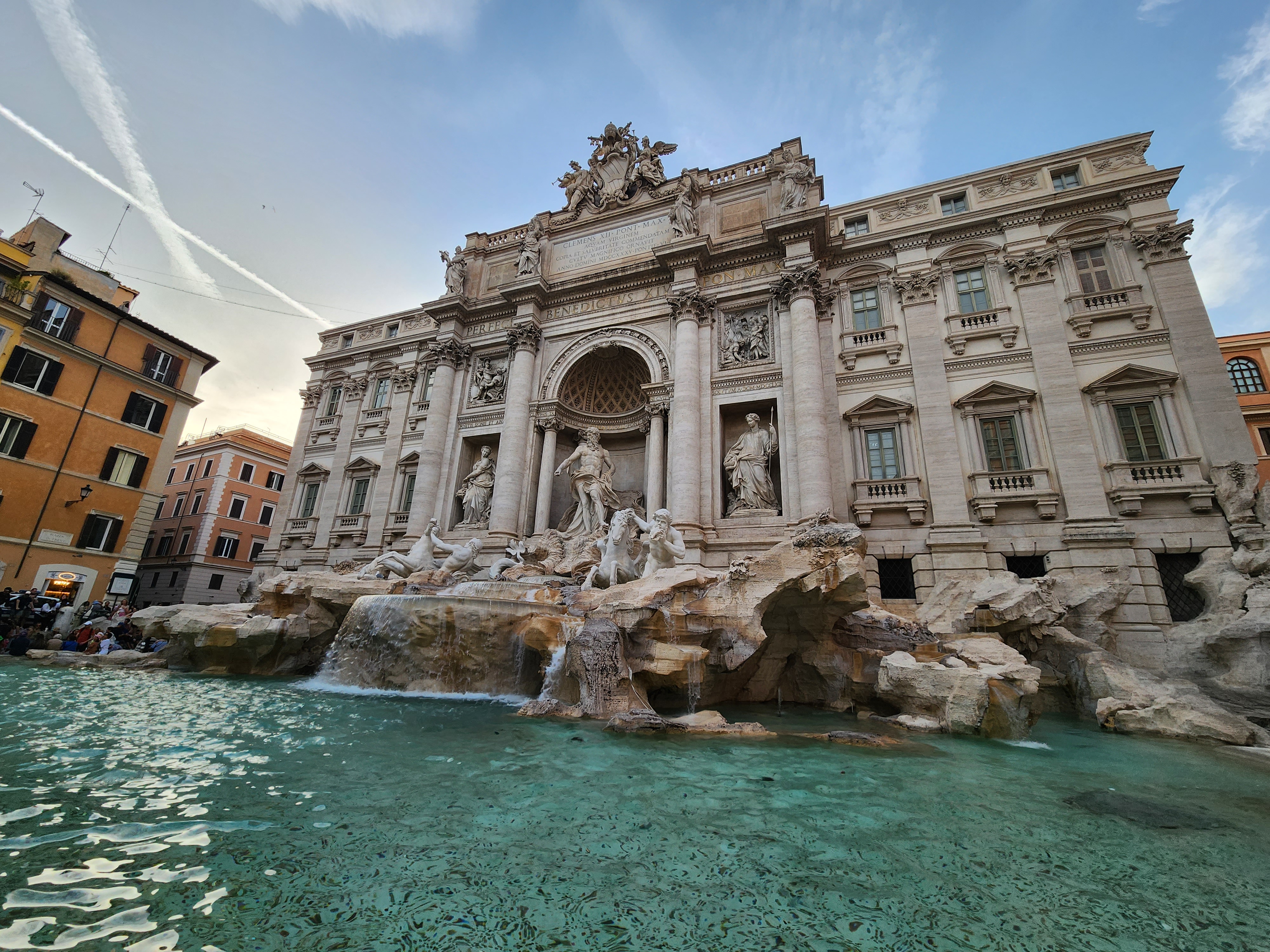
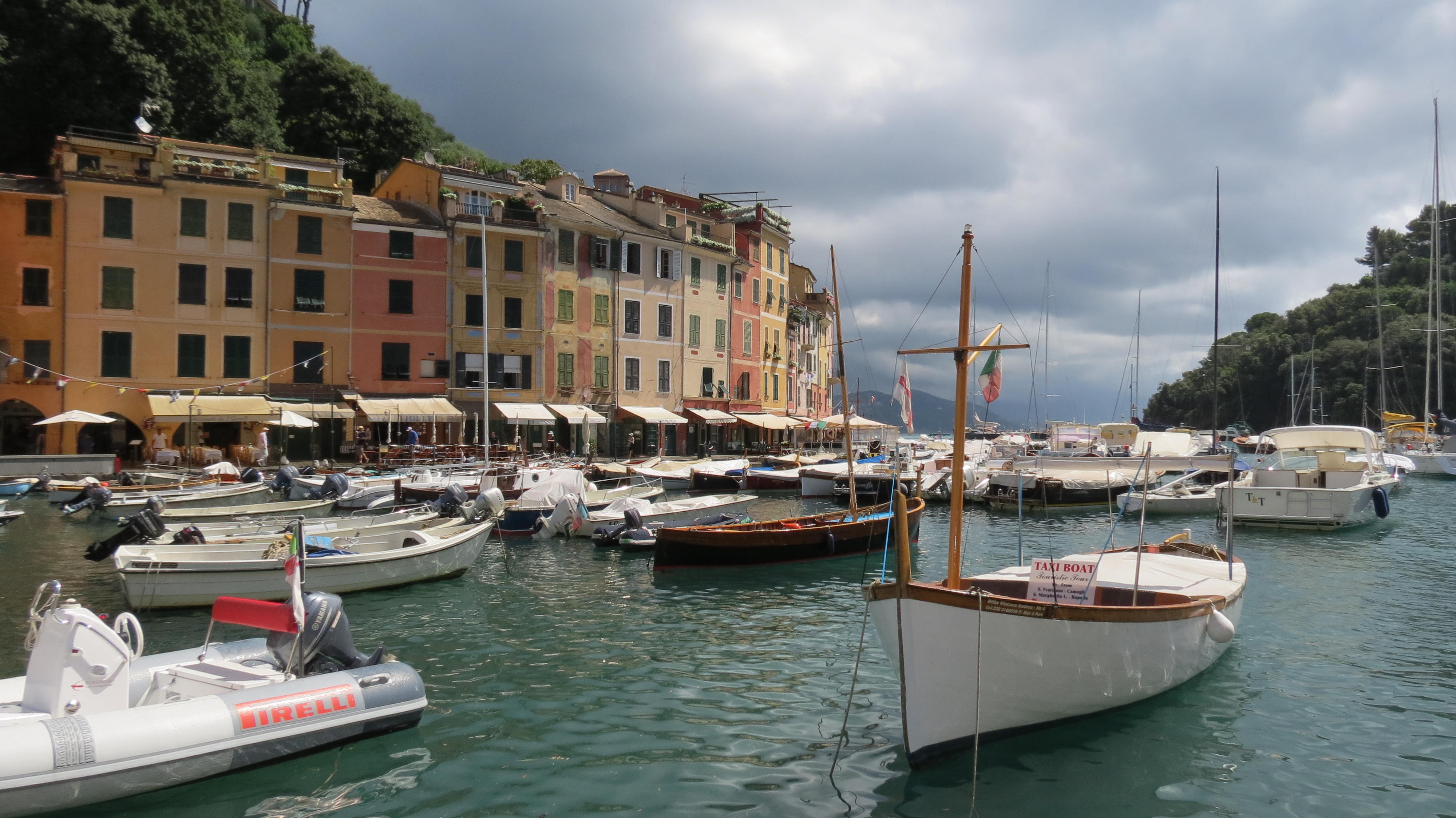
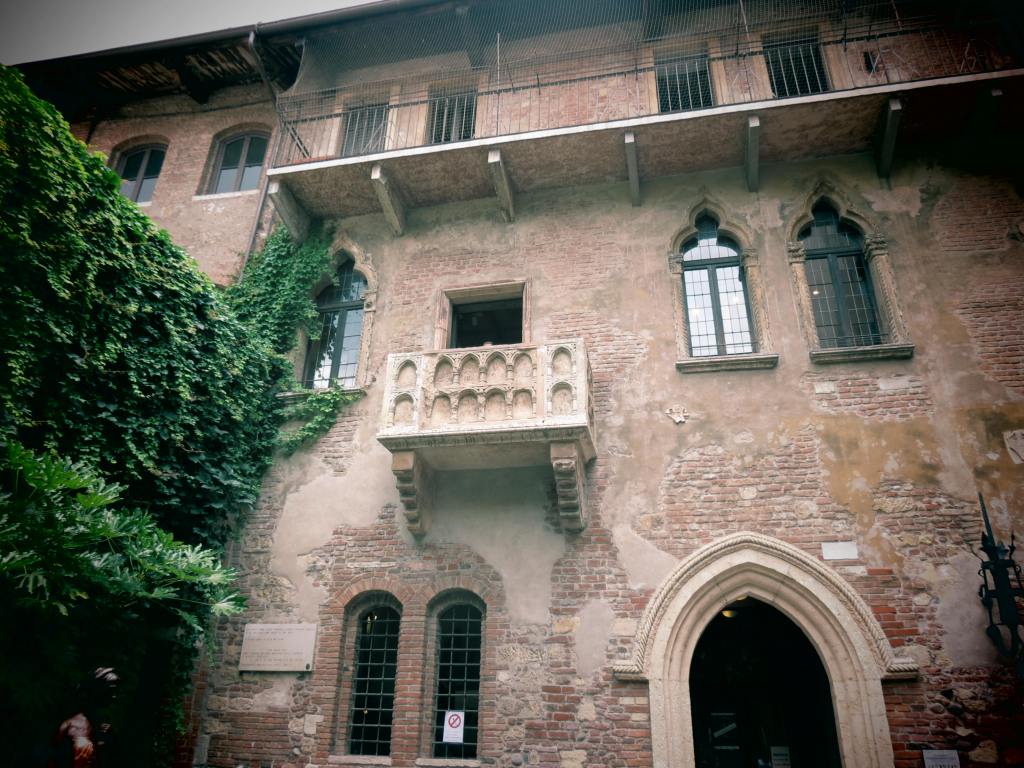
Italy is a country abounding with breathtaking landscapes. From iconic ruins to romantic cities, dazzling islands to seascapes, spectacular mountain ranges to sparkling lakes, and picturesque small towns and villages, Italy offers a diverse range of beauty.


go
The best time to visit Italy depends on your preferences and what you want to experience. Here are some considerations:

Smaller Crowds:
Winter (December to February) is the best time to avoid crowds. Italy’s high season stretches from May to September, so during winter, you’ll find uncrowded hotels and piazzas. Unless you’re headed to an Alpine ski town like Cortina D’Ampezzo, winter in Italy means fewer tourists and more elbow room.
Good Weather:
Italy’s warm, largely rain-free summers are popular, but soaring temperatures can make July and August uncomfortable in some regions. For sunny skies and balmy beaches without extreme heat, consider visiting during late spring (May) or early fall (September). These months offer ideal temperatures for sunbathing, swimming, and exploring historic towns and cities.
Spring Months:
If you’re interested in exploring Italy’s historical sites and attractions, the spring months of March through May are ideal. The weather is moderate, daylight hours increase, and attractions are less crowded. Plus, you’ll see cities and botanical gardens in full bloom.
do
Here are some must-do attractions:

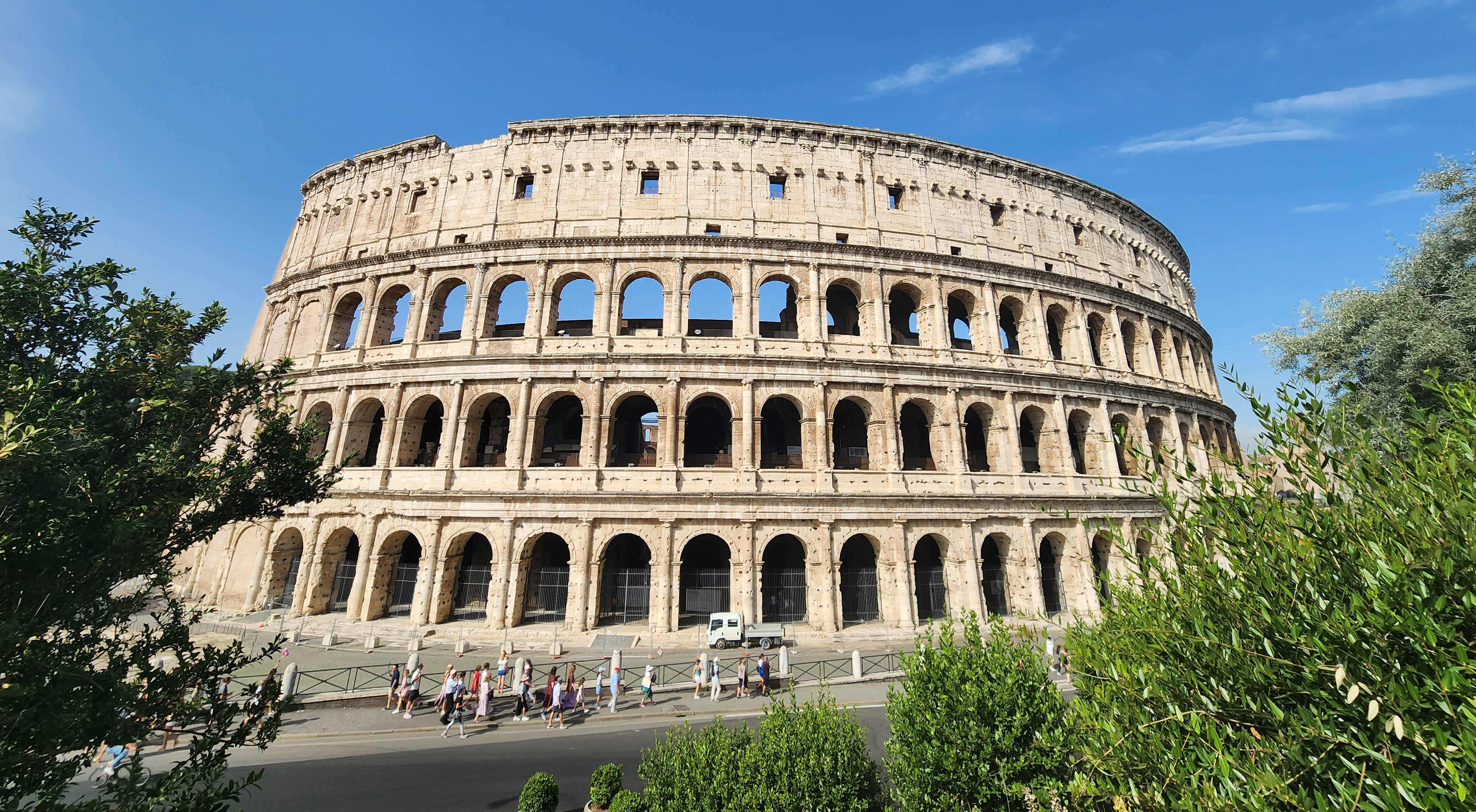
Colosseum, Rome: This ancient amphitheater, built by the Roman Empire, remains an iconic symbol of history and grandeur.

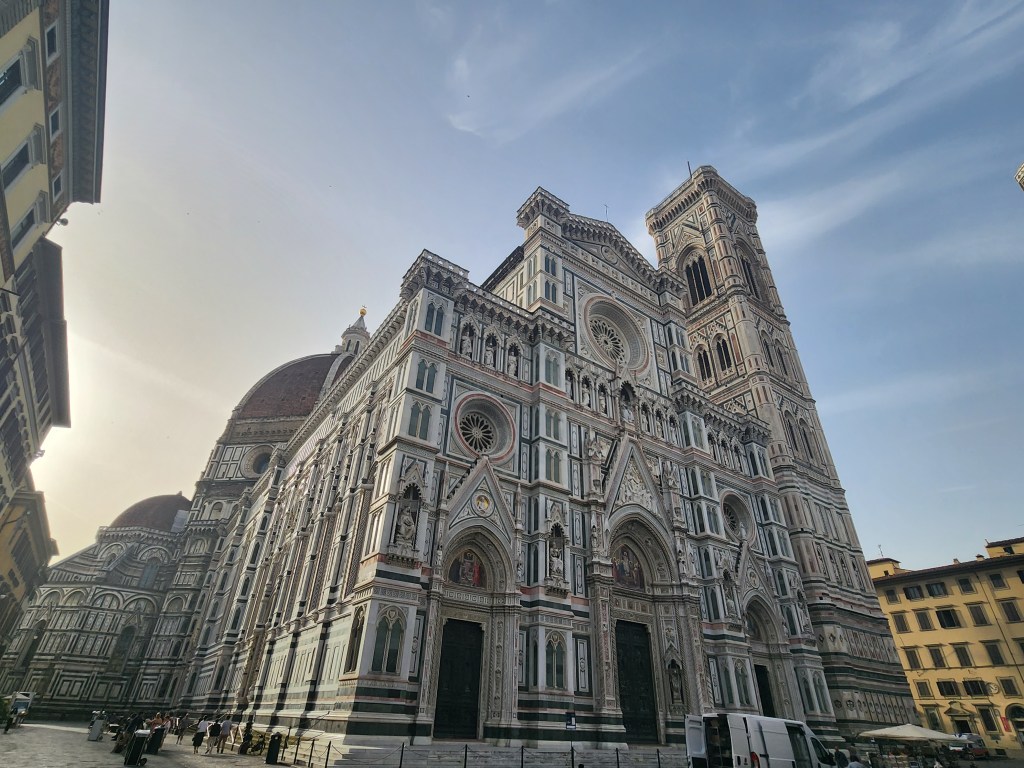
Florence Duomo Santa Maria del Fiore: A magnificent cathedral dominating the Florence skyline, renowned for its architectural beauty.

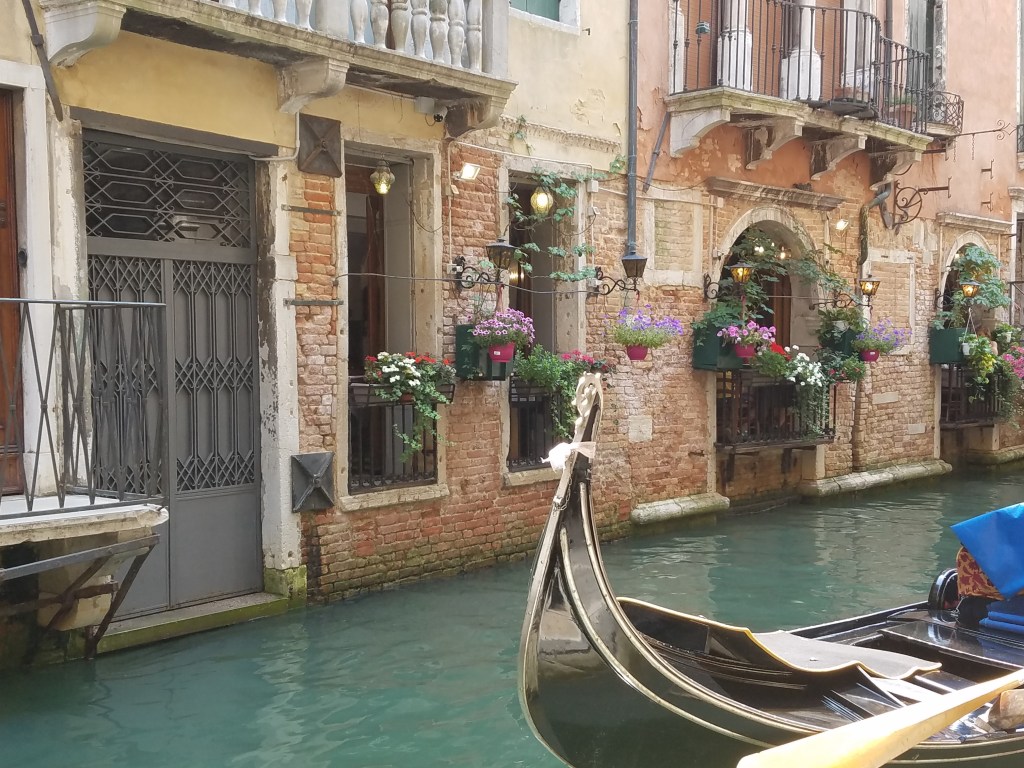
The Grand Canal in Venice: Explore Venice’s picturesque waterways and historic buildings.

Leaning Tower of Pisa: A quirky architectural wonder in Pisa.

Vatican City: Visit St. Peter’s Basilica, the Sistine Chapel, and Vatican Museums.
eat
Here are some mouthwatering options:

Spaghetti alla Carbonara (Rome): Made with pancetta or guanciale (pork cheek), Pecorino cheese, pepper, and a raw egg added at the last minute. Best enjoyed in Rome, where you’ll find variations like cacio e pepe and amatriciana. Try them at Trattoria da Oio in Rome’s Testaccio neighborhood.

Pizza (Naples, Rome, or Anywhere!): Naples is the birthplace of pizza, and the classic Margherita (cheese pizza) is a must-try. In Rome, pizza crust is paper-thin and foldable, offering a delightful balance of yeasty crust, tomato sauce, and fresh mozzarella cheese. Explore some of the best pizzerias in Naples for an authentic experience.

Fresh Cannoli (Sicily): These festive pastries consist of a tube of fried dough filled with sweetened ricotta cheese and mascarpone. Seek out an authentic Sicilian pasticceria for the best cannoli experience.
tips
Here are some helpful tips:

Learn Basic Italian Phrases: While many Italians speak English, knowing a few basic Italian phrases can enhance your experience. Learn words like “grazie” (thank you), “ciao” (hello/goodbye), and “scusa” (excuse me/sorry). My personal favorite is “non capisco,” which means “I don’t understand.”

Explore Early: Wake up early and hit the streets before the crowds. Before 8 am is an excellent time to explore and observe local life. It’s also the golden hour for photographers.

Know the Regions: Italy has 20 diverse regions, each with its own unique charm. From the Dolomites in the North to Sicily in the Mediterranean, there’s something for everyone. Familiarize yourself with the regions before planning your trip.

Use the Train System: Train travel is efficient and affordable in Italy. The extensive network connects major cities and picturesque towns. Trenitalia and Italo are the main train companies. Remember that even with a Eurail pass, you may need to pay a reservation fee.

Consider Buses: While not as popular as trains, buses can take you to less touristy spots. FlixBus operates on a national level, and regional buses are available too.

Pre-Book Tickets: For popular attractions like the Colosseum or Uffizi Gallery, book tickets in advance to skip the lines.

Dress Modestly: When visiting churches or religious sites, cover your shoulders and knees out of respect.

Round Up Instead of Tipping: Tipping isn’t common in Italy. Instead, round up your bill as a gesture of appreciation.

Validate Train Tickets: If you’re taking regional trains, validate your ticket at the station before boarding.

Avoid Driving in Cities: Italian cities can be chaotic to drive in. Opt for public transport or walking instead.
 ameropasstravel.com