
Tradition, Innovation and Tranquility
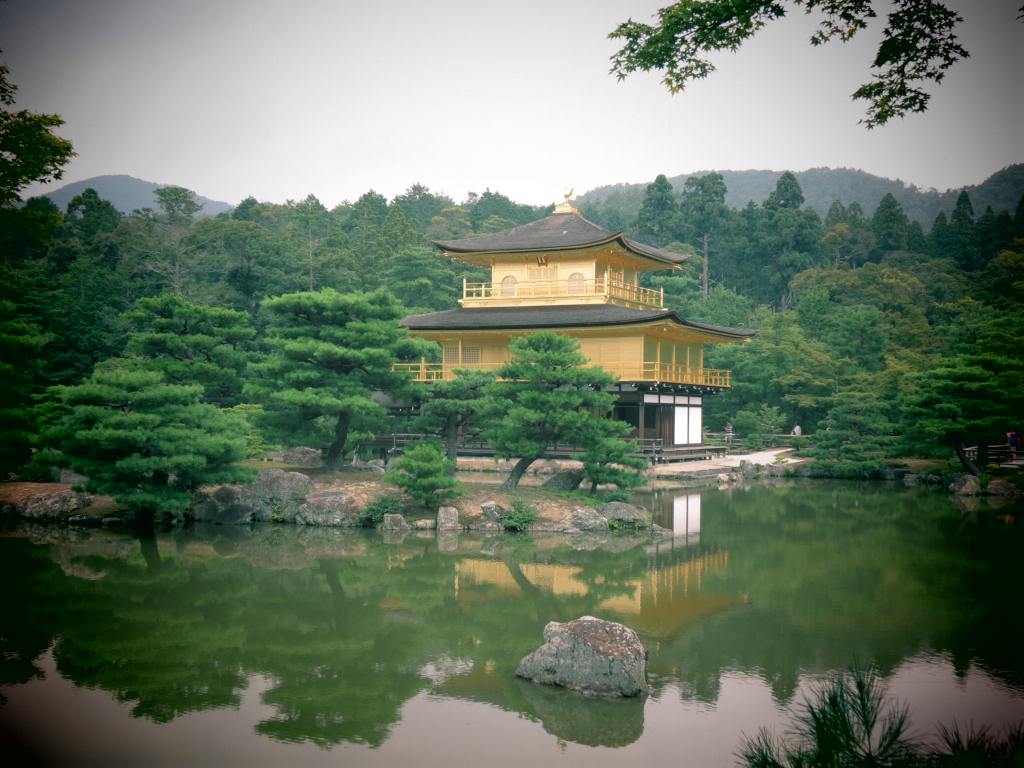
Japan is a captivating blend of modern innovation and timeless traditions. It’s a land where futuristic skyscrapers stand alongside ancient temples, and meticulous attention to detail coexists with serene tranquility.



go
The best times to visit Japan are during spring (March to May) and fall (September to November). Here’s why:
Spring (Cherry Blossoms): March to May is when Japan’s iconic cherry blossoms bloom. The best time to catch them in full splendor is from late March to early April. If you prefer fewer crowds, visit a week before full bloom (around March 16th to 23rd).
Fall (Colorful Foliage): September to November offers pleasant weather and stunning fall foliage. Explore vibrant red and golden leaves across the country.
do
Here are some must-do attractions:

The Imperial Palace (Kyokyo): Located in Tokyo, the Imperial Palace is a historic site surrounded by beautiful gardens. It serves as the official residence of the Emperor of Japan. You can explore the East Gardens and enjoy the serene atmosphere.

Senso-ji Temple: Situated in Asakusa, Tokyo, Senso-ji is Tokyo’s oldest temple and a popular cultural landmark. Its vibrant red gate (Kaminarimon) and bustling Nakamise Street make it a must-see for visitors. Don’t miss the opportunity to experience traditional Japanese culture here.

Mount Fuji: Although not a man-made attraction, Mount Fuji is an iconic symbol of Japan. The majestic peak offers breathtaking views and is a UNESCO World Heritage Site. Climbing it or simply admiring it from afar is an unforgettable experience.

Ueno Park (Tokyo): Ueno Park is a vast green space in Tokyo, home to several museums, including the Tokyo National Museum. It’s a great place to enjoy cherry blossoms, visit the zoo, and explore historical artifacts.

Osaka Castle: Osaka Castle is a magnificent fortress with a rich history. The castle grounds are beautifully landscaped, and you can learn about its significance in Japanese history. The view from the top is spectacular.
eat
Here are some must-try dishes:

Ramen: A steaming bowl of flavorful noodles in broth. Look for milky broth and add-ons like bean sprouts and soft-boiled eggs.

Sushi: Visit a conveyor belt sushi restaurant (like Hama Zushi) for an affordable sushi feast. Each plate costs around 100 Yen ($1) and contains two pieces of sushi.

Gyoza: Pan-fried dumplings filled with savory meat and vegetables. Dip them in soy sauce and enjoy!

Steamed Buns: Soft, fluffy buns filled with various savory or sweet fillings. Try the classic pork bun (nikuman).

Japanese Curry: A mild, thick curry served with rice. Often includes vegetables and meat.
tips
Here are some useful tips:

Currency Exchange: Research exchange rates in your home country, airports, banks, or Japanese currency exchange shops. Check ATM withdrawal fees and opening hours in Japan.

Payment Methods:
Carry cash at all times during your travels. Use credit or debit cards when possible at restaurants and stores. Download a currency converter app to track exchange rates.

Japanese Yen Denominations: Familiarize yourself with the yen banknotes: ¥1,000, ¥2,000 (rare), ¥5,000, and ¥10,000. Each note features historical figures or cultural motifs.
Yen coins come in six denominations: ¥1, ¥5, ¥10, ¥50, ¥100, and ¥500. Keep them organized in a coin purse or wallet compartment.

Etiquette and Safety:
When making payments, follow Japanese cultural norms. Be cautious with your money and use safety features on banknotes.

Book Accommodation in Advance: Top accommodations can book up weeks or even months ahead, especially during busy travel periods like cherry blossom season and “Golden Week. Smaller inns or ryokan (traditional Japanese inns) have fixed check-in times, so coordinate your arrival time in advance.

Pack Light: Hotel rooms in Japan tend to be small, so pack light. Comfortable walking shoes are essential, and consider shoes that are easy to slip on and off since you might find yourself sitting on the floor at restaurants.

Get a Data-Heavy SIM Card: Japan’s address system can be tricky, but smartphones with navigation apps are helpful. Buy a data-heavy SIM card at the airport upon arrival.

Respect Local Customs:
Be mindful of cultural etiquette. For example, take off your shoes at religious sites, inns, and some restaurants. Learn basic Japanese phrases and polite gestures.
 ameropasstravel.com