
Rich History and Stunning Landscapes
A captivating destination that offers a rich blend of history, culture, and natural wonders. From the iconic rose-red cliffs of Petra to the warm hospitality of its people, Jordan invites travelers to explore its UNESCO-listed sites and diverse landscapes year-round.
go
The best times to visit Jordan are spring (March to May) or fall (September to November). During these seasons, the days are warm, with temperatures ranging from 61°F to 99°F, while the nights remain cool. It’s an ideal climate for exploring historical sites, hiking in nature reserves, and enjoying the abundant flora and fauna. If you’re planning a trip during the fall or spring, make sure to book in advance, as these periods attract more travelers and locals alike.
do
Here are some of the must-do tourist attractions:

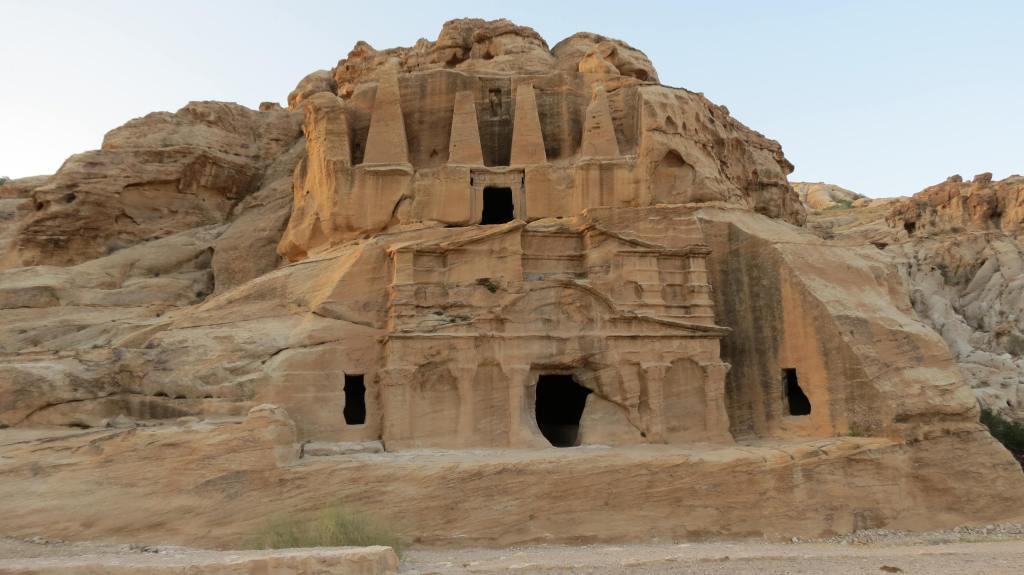
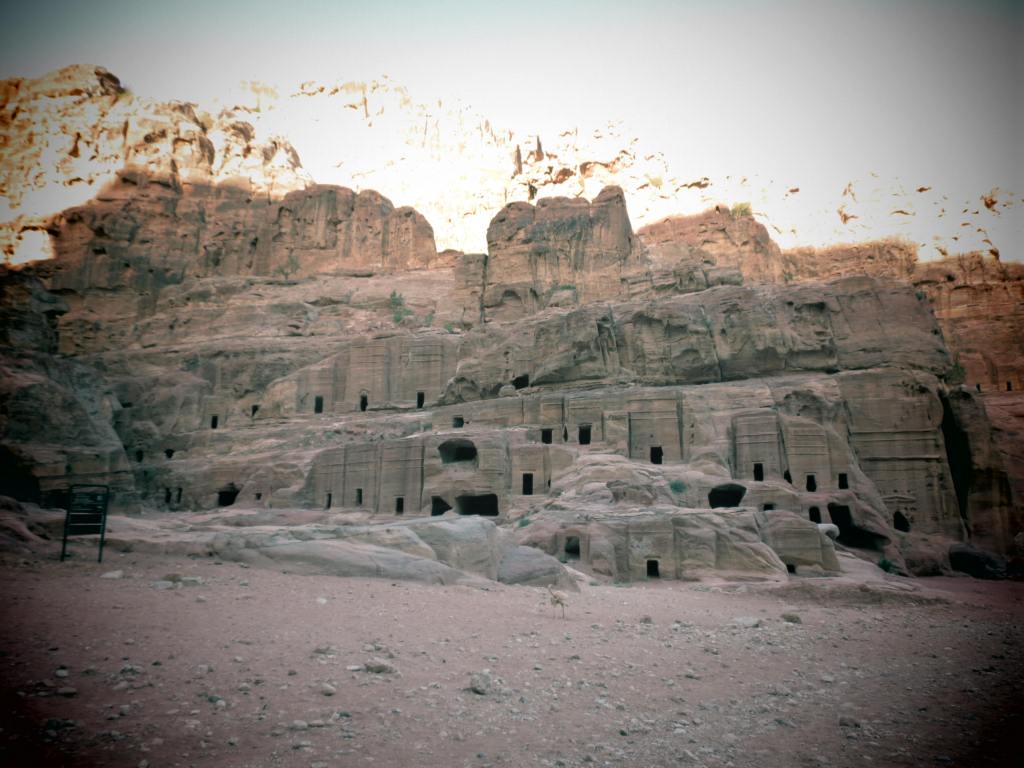
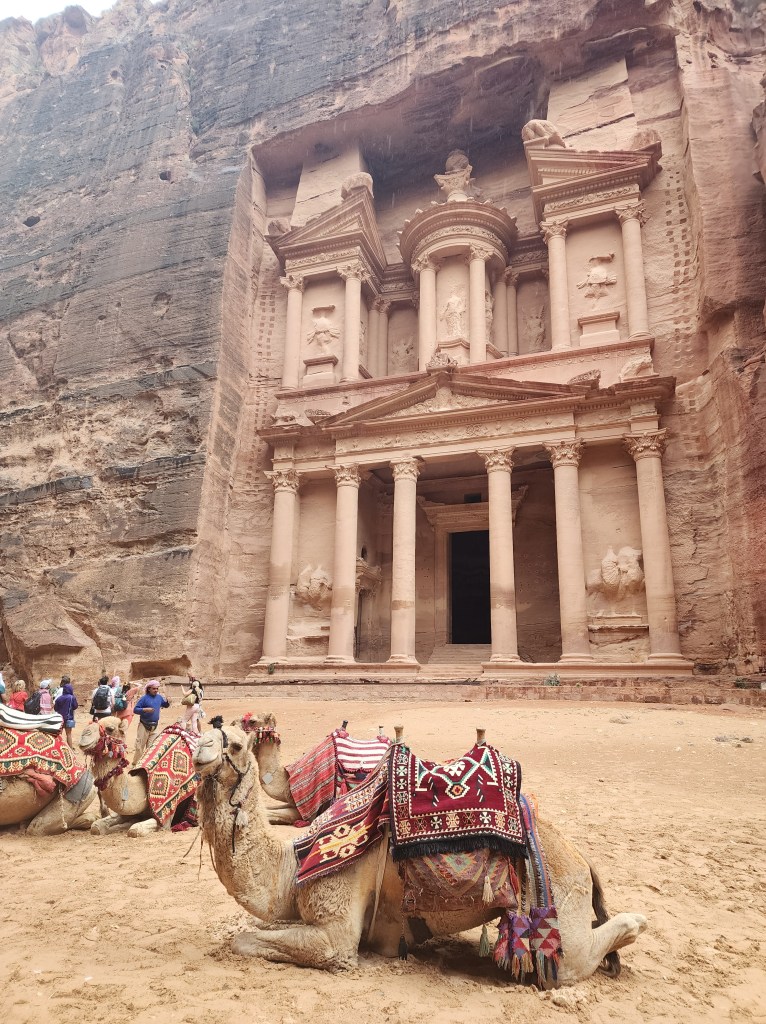
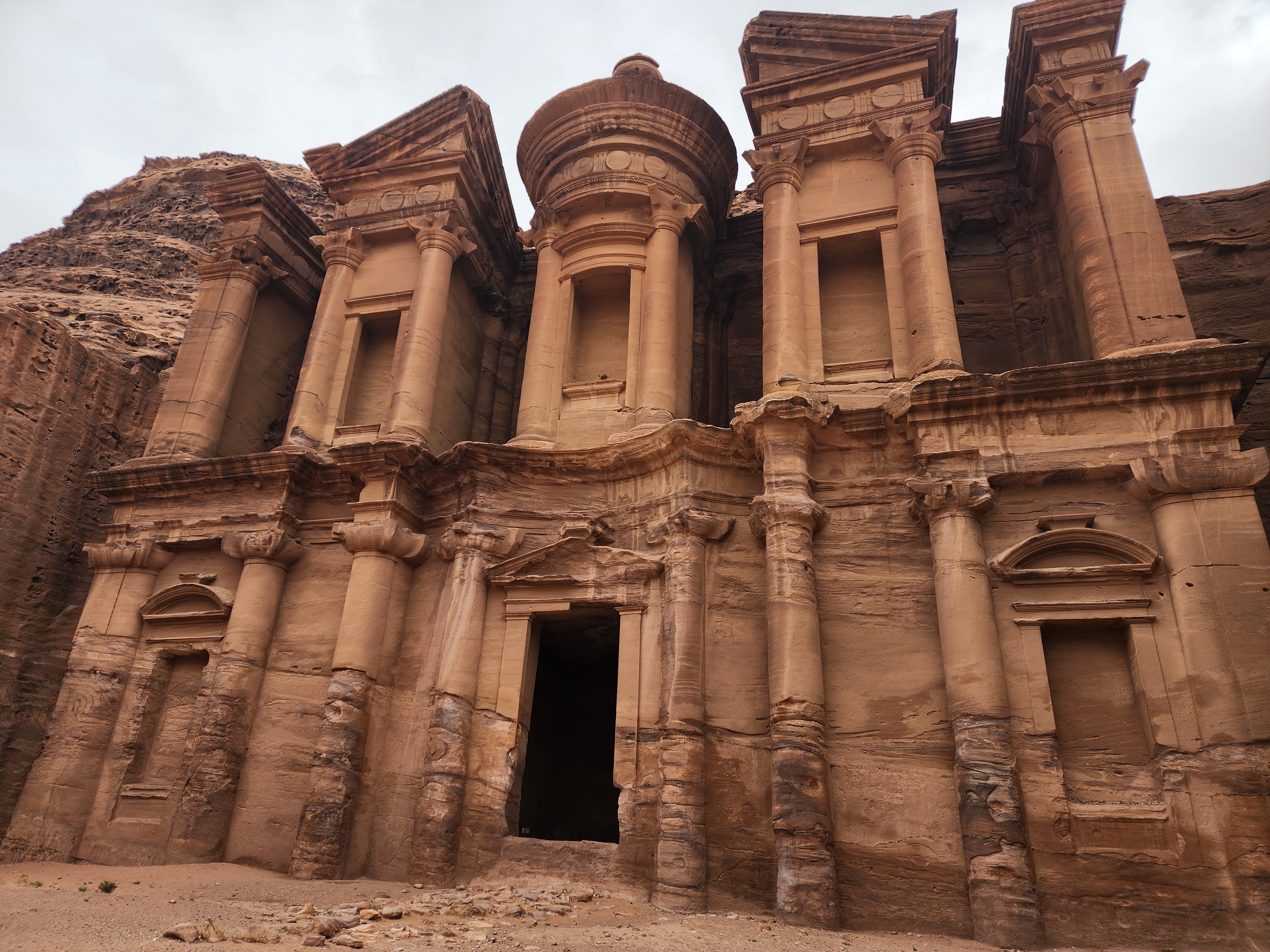
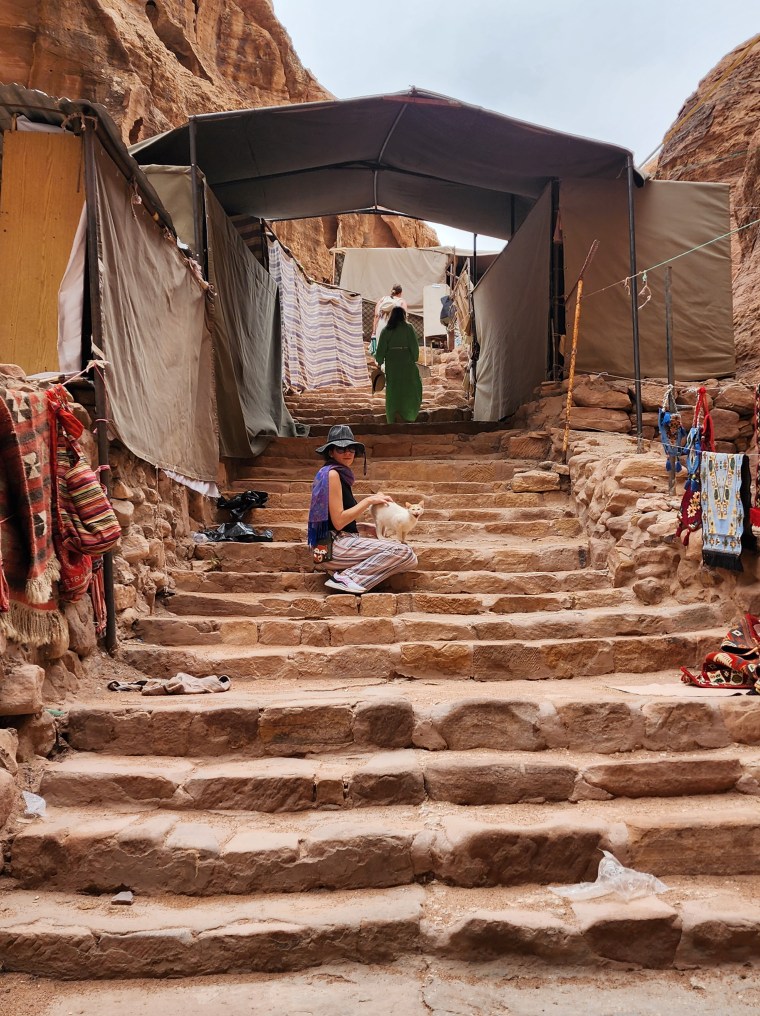
Petra: Known as one of the New7Wonders of the World, Petra is an ancient city carved into rose-red cliffs. Explore its fascinating architecture, including the iconic Treasury (Al-Khazneh) and other remarkable sites.

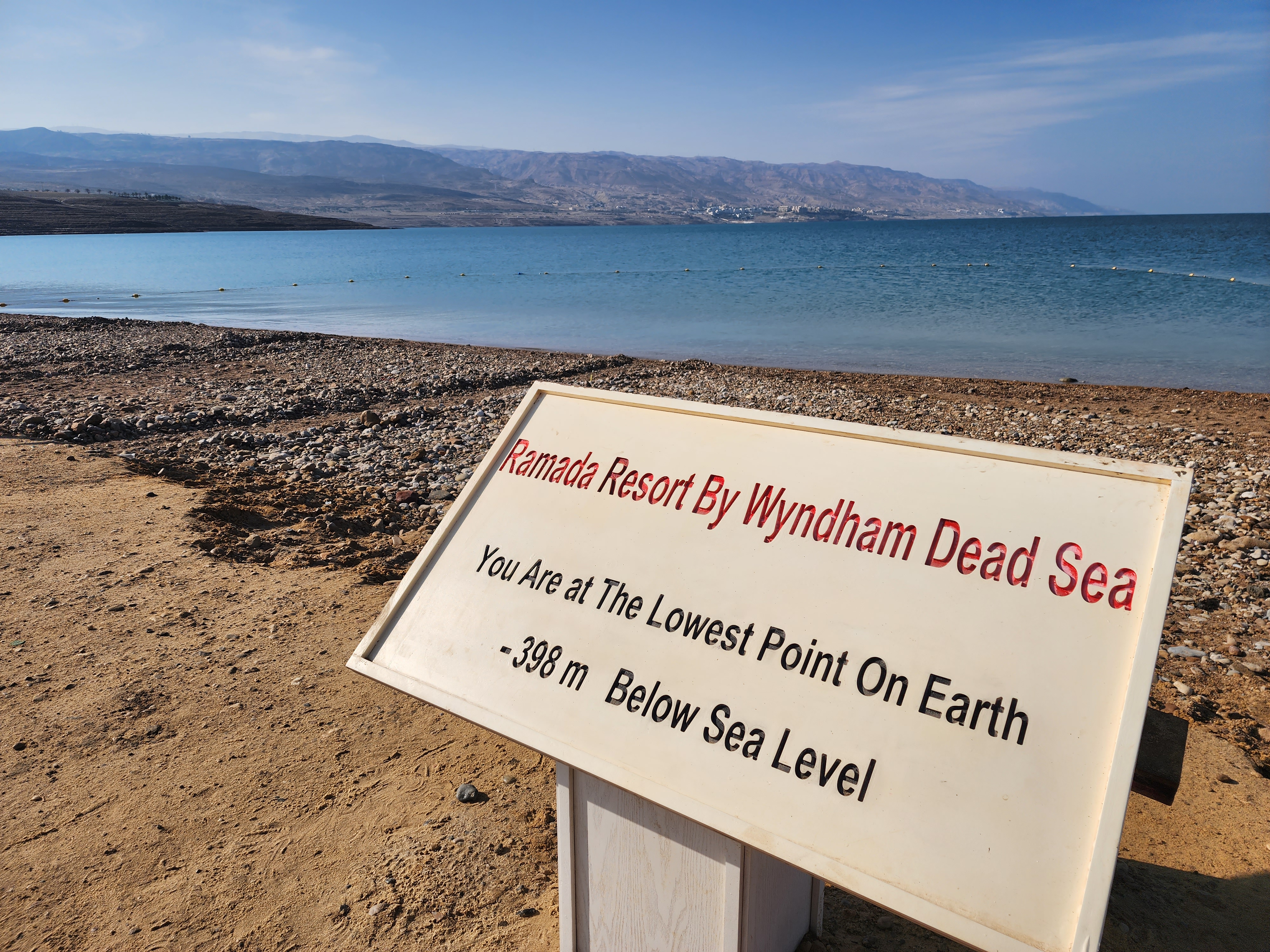
Dead Sea: The lowest point on Earth, the Dead Sea offers a unique experience where you can effortlessly float due to its high salt concentration. Pamper yourself at the luxurious waterfront resorts while enjoying the therapeutic mud and mineral-rich waters.

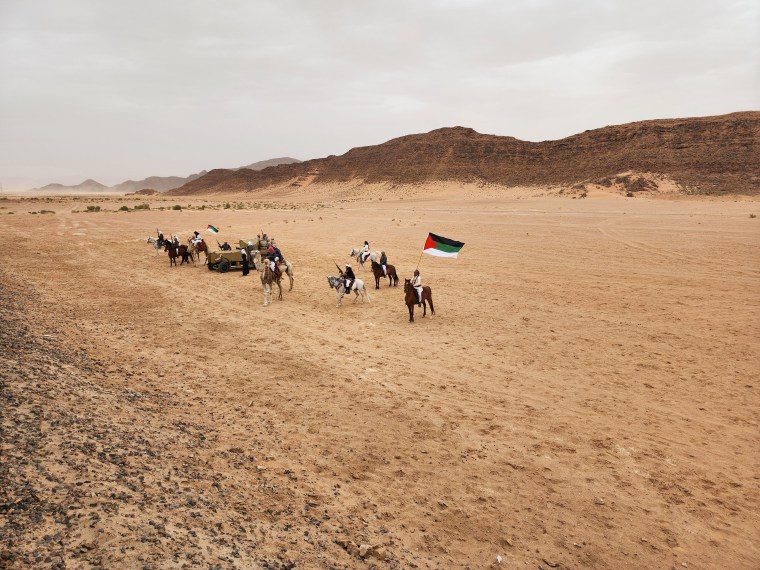
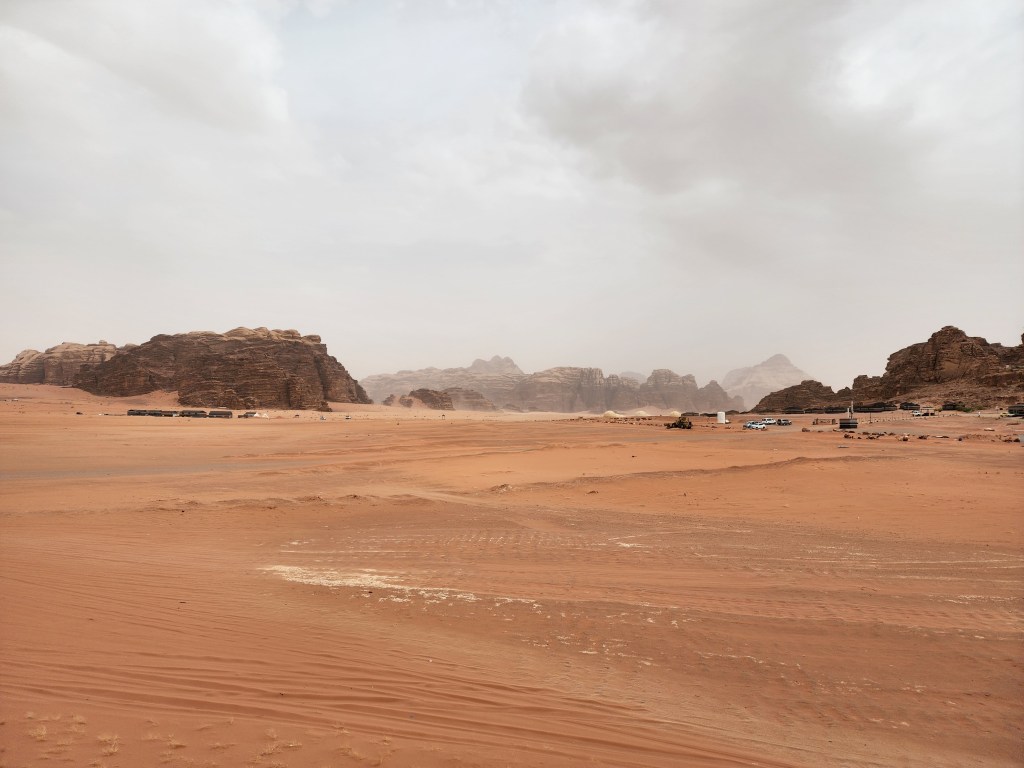
Wadi Rum: Also known as the Valley of the Moon, Wadi Rum is a mesmerizing desert landscape with towering sandstone formations. It’s a great place for adventure enthusiasts, offering jeep safaris, camel rides, and stargazing tours.

Jerash Ruins: Explore the well-preserved ancient Roman city of Jerash, known for its impressive architecture, temples, and theaters.

Aqaba: This coastal city on the Red Sea is perfect for diving and snorkeling. Don’t miss the Aqaba Archaeological Museum, which showcases artifacts from the region’s history.

Roman Ruins in Amman: The capital city, Amman, boasts ancient Roman ruins, including the Citadel and the Roman Theater.

Ancient Mosaics of Madaba: Visit Madaba to see intricate Byzantine mosaics, including the famous Madaba Map.

Wadi Mujib: Known as the “Grand Canyon of Jordan,” Wadi Mujib offers stunning canyons, waterfalls, and hiking trails.

Desert Castles: Explore the desert castles, such as Quseir Amra, which features fading frescoes and historic architecture.

Ajloun Castle: Located in Ajloun National Park, this 12th-century castle offers panoramic views and a glimpse into Jordan’s history.

Mount Nebo: Visit the biblical site where Moses is said to have seen the Promised Land. Enjoy breathtaking views of the Jordan Valley and the Dead Sea.
eat
Here are some must-try traditional dishes:

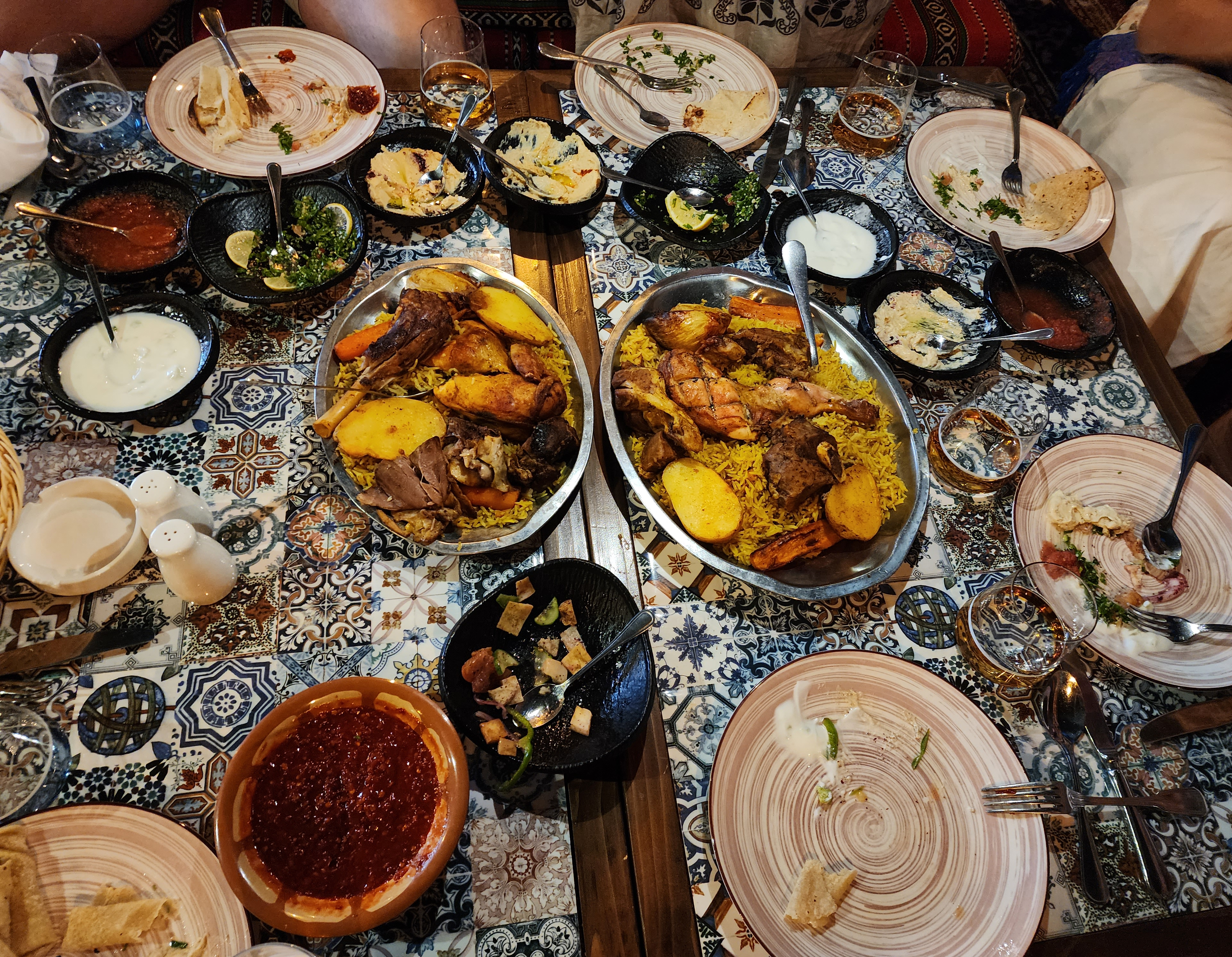
Mansaf: Known as the “national dish of Jordan,” mansaf is a must-try. It’s a rice-based dish topped with chunks of lamb and a gravy made with jameed (a dry, salty yogurt). Typically served communally with super-thin bread, it’s eaten by hand.

Falafel: These crispy balls of ground chickpeas are a common street food snack or light meal. Enjoy them on their own, with bread, or stuffed into sandwiches. The falafel in Jordan is light, fluffy, and aromatic with cumin, garlic, and parsley.

Moutabel: Similar to baba ghanoush, moutabel is a roasted eggplant dip. It uses yoghurt in its recipe and is a popular choice in Jordan.

Shawarma: Thinly shaved meat (usually lamb or chicken) roasted on a vertical rotisserie, then served in a thin bread with lettuce, tomato, and other toppings. You can find it across Jordan, especially in Amman.

Knafeh: A sweet dessert made with thin layers of shredded phyllo dough, filled with sweetened cheese or semolina, and soaked in sugar syrup. It’s a delightful treat.

Zarb: A Bedouin specialty, zarb is barbecued meat (often lamb or chicken) roasted in an underground pit. The slow-cooked flavors are unforgettable.

Maqlubah: A Levantine dish served upside-down, maqlubah consists of rice and stewed chicken or lamb. It’s a comforting and flavorful meal.

Kebabs: Jordanians love their kebabs! Whether it’s skewered lamb, chicken, or beef, grilled to perfection and served with flatbread, kebabs are a staple.

Tabbouleh: A refreshing salad made with finely chopped parsley, tomatoes, mint, onions, and bulgur wheat, dressed with olive oil and lemon juice. It’s a great side dish.

Labneh: A creamy strained yogurt, labneh is often served with olive oil, za’atar, and flatbread. It’s perfect for dipping or spreading.
tips
Here are some useful tips to keep in mind:

Currency and Exchange Rate: The official currency in Jordan is the Jordanian Dinar (JOD). It’s pegged to the U.S. dollar (USD), with an approximate exchange rate of 1 JOD = $1.41 USD12.
While credit cards are accepted in many places, it’s wise to carry cash as well. Major currencies (such as USD and Euro) are widely accepted.

Exchange Money Before Traveling:
Exchange your currency to JOD before arriving in Jordan. Avoid exchanging money at the airport, where rates may be less favorable.

Safety First: Despite its location in a historically conflict-prone region, Jordan is a safe destination. Violent crime is rare, and people feel secure walking alone at night. Standard precautions apply, such as having travel and health insurance and safeguarding valuables.

Hospitality: Beneath the initial stern expressions, Jordanians are deeply hospitable. You might be invited for tea or a meal by shopkeepers or strangers. Remember to greet locals with “Ahlan wa sahlan” (welcome) and follow their lead in greetings.

Gender Etiquette: When greeting someone, observe their lead. Some Muslims won’t touch people of a different gender unless related by blood. Be prepared to adapt and respect local traditions.

Weather: Contrary to the misconception, Jordan isn’t always hot and sunny. While it’s true from May to September, there’s a winter season too. Pack accordingly.

Tipping: Tipping isn’t compulsory, but it’s customary. Round up taxi fares, tip tour guides (10% per person), and leave about 10% at restaurants.
 ameropasstravel.com