
Wildlife, Landscapes, Vibrant CULTURE
Kenya, with its iconic Masai Mara, diverse cultures, and breathtaking landscapes, invites you to explore its vast savannah. Witness the dramatic Great Rift Valley, serene lakelands, and majestic mountain highlands. Visit during migration season for a wildlife spectacle like no other!

go
The best time to visit Kenya is from June to October. During this period, there’s virtually no rain, and daytime temperatures are pleasant. It’s also the ideal time for wildlife viewing. However, Kenya’s diverse geography and moderate climate make it a great year-round safari and beach holiday destination.
do
Here are some must-do activities and attractions:

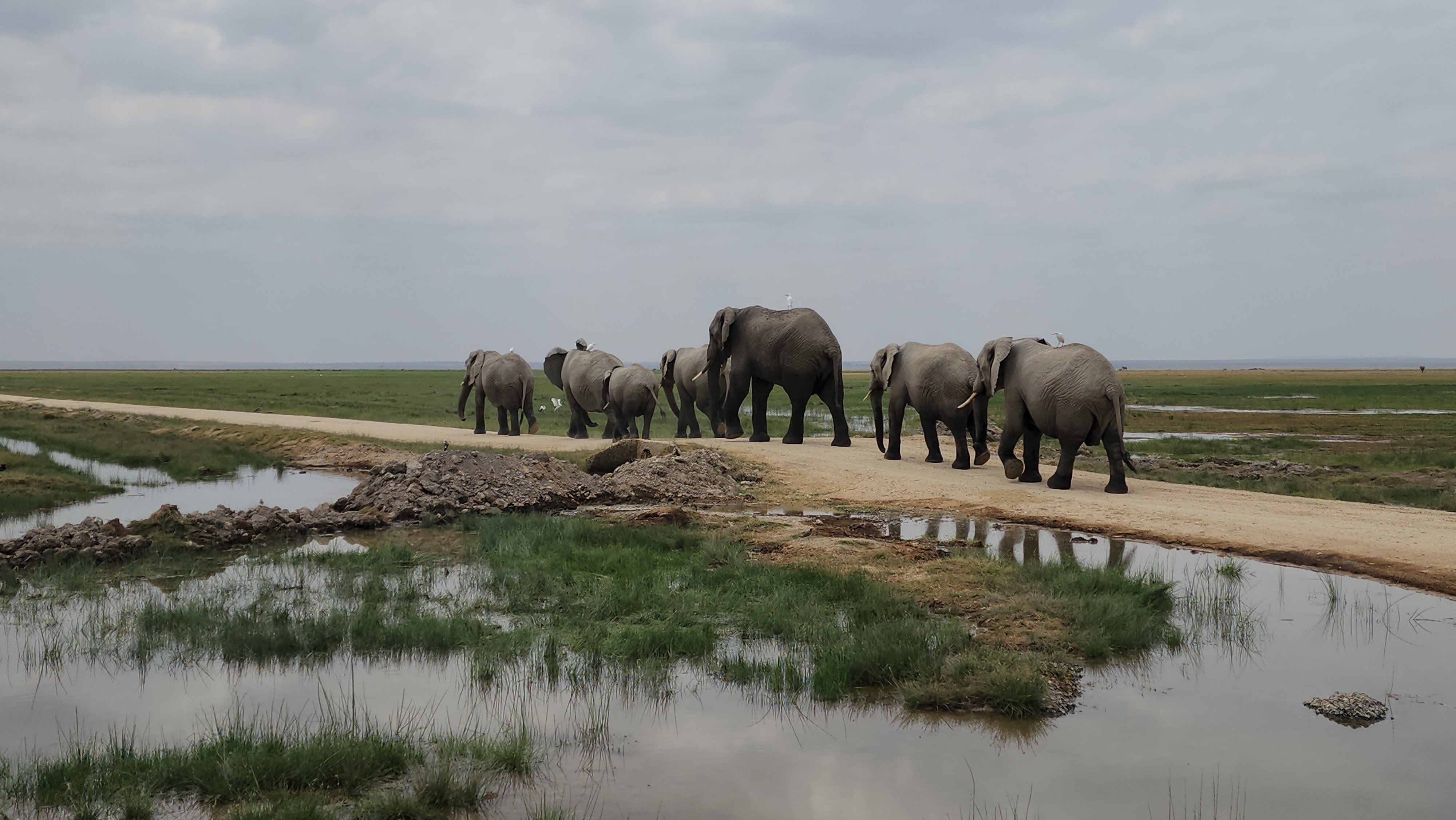
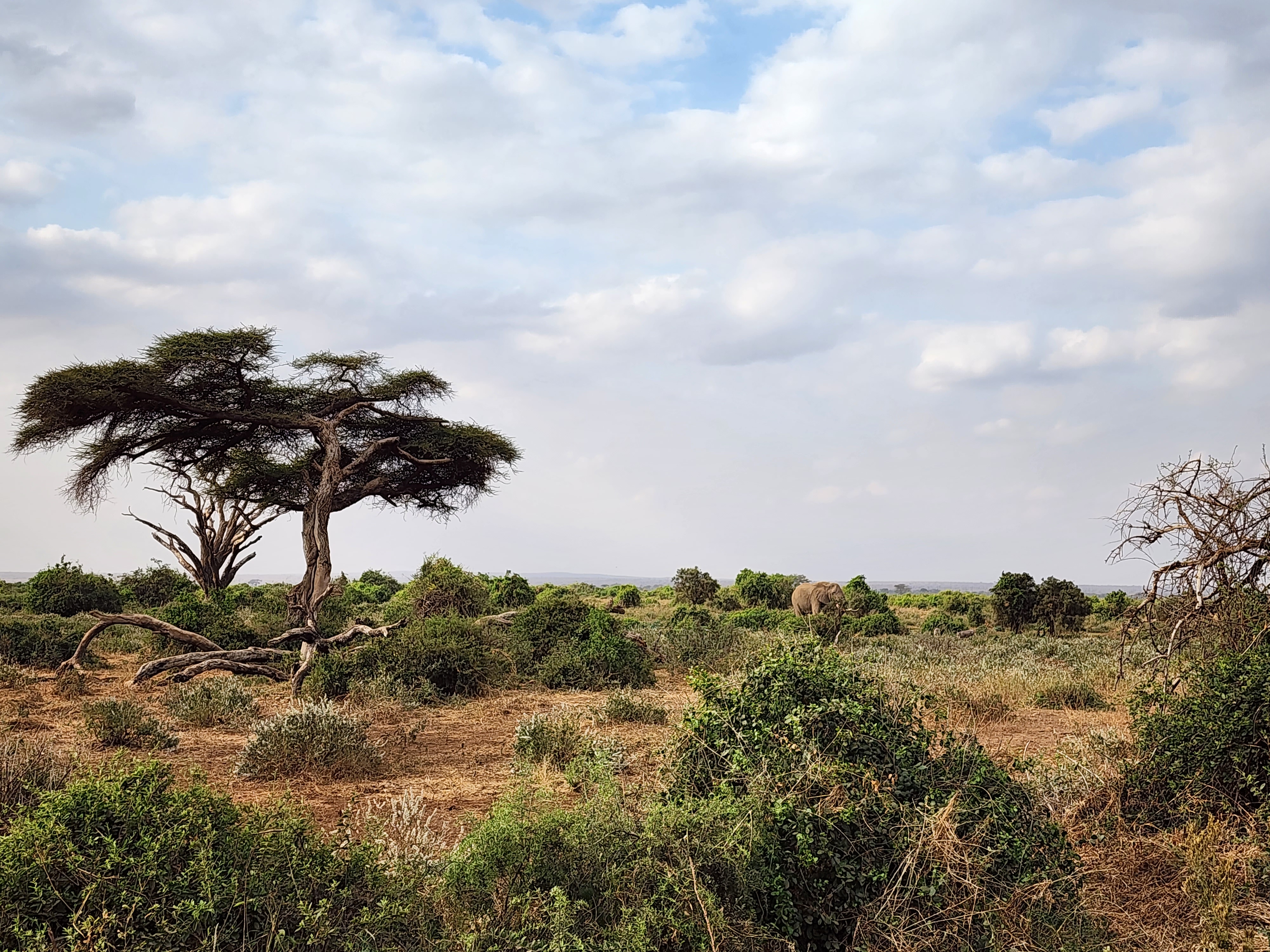
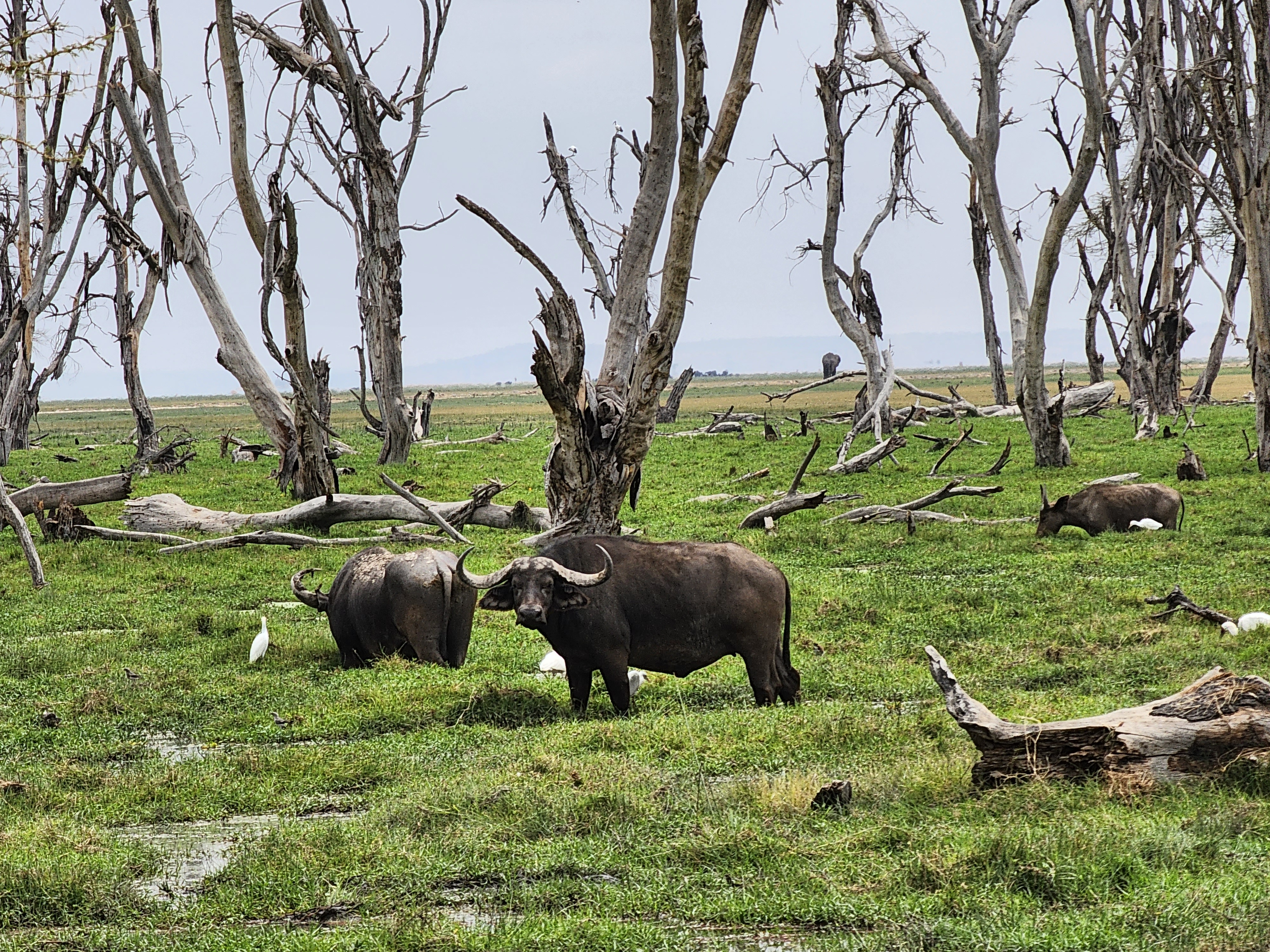
Safari: Witness the Big Five (lion, elephant, buffalo, leopard, and rhino) on a thrilling safari in national parks like Amboseli, Maasai Mara, or Tsavo.

Hike: Explore the breathtaking Great Rift Valley on foot. The views are spectacular!

Giraffe Centre: Visit the Giraffe Centre in Nairobi, where you can get up close to these gentle giants and even feed them.

Witness the Great Migration: If you’re in Maasai Mara during the migration season (July to October), you’ll witness millions of wildebeest and zebras crossing the Mara River.

Dhow Sailing: Sail on a traditional dhow along the Kenyan coast, enjoying the turquoise waters and stunning landscapes.

Lake Naivasha: Take a boat ride on Lake Naivasha to spot hippos, birds, and other wildlife.
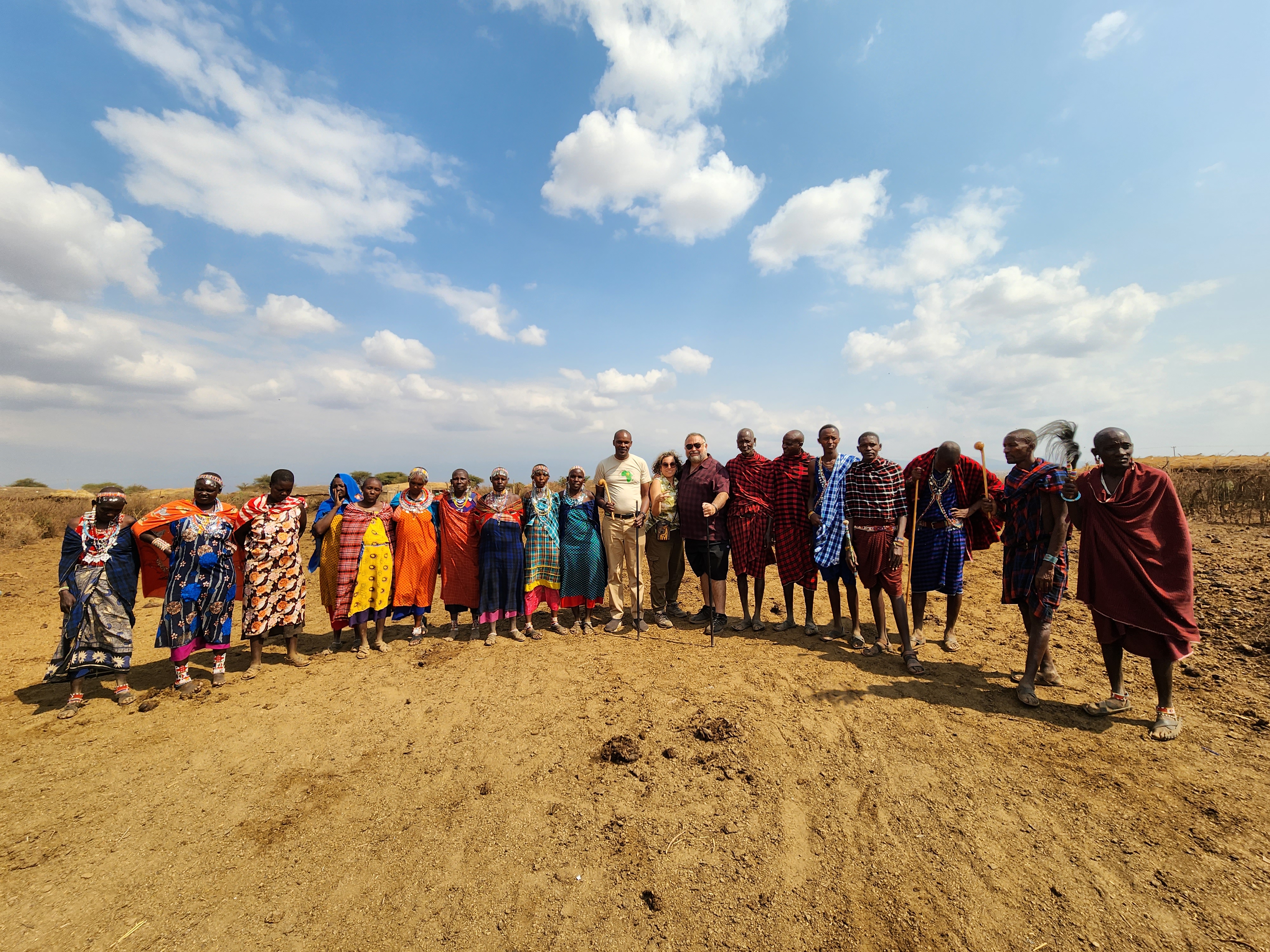
Meet Kenya’s Diversity: Interact with local communities and learn about Kenya’s rich cultural heritage.

Beach Time: Relax on the pristine beaches of Diani, Watamu, or Mombasa along the Indian Ocean.
eat
Here are 10 must-try Kenyan foods that will tantalize your taste buds:

Ugali: A staple in Kenyan cuisine, this starchy side dish is made from white or yellow cornmeal, salt, and hot water. Tear off a piece, roll it into a ball, and use it to mop up stews, soups, or grilled meat and fish.

Irio (Mukimo): A nutritious mix of mashed potatoes, corn, peas, and greens, often served with stews or barbecued meat and fish.

Githeri: A comforting one-pot stew made with red beans, potatoes, onion, meat, and corn in a rich tomato and beef gravy.

Matoke: A rich stew made from green bananas, tomatoes, onion, garlic, and spices, served with rice, ugali, or chapati.

Nyama Choma: Kenya’s unofficial national dish, meaning “grilled meat” in Swahili. Goat, beef, chicken, or fish is seasoned, slow-cooked over hot coals, and served with rice, chapati, and kachumbari (a tangy relish).

Sukuma Wiki: A leafy green vegetable sautéed with onions, tomatoes, and spices.

Chapati: Soft, unleavened flatbread often served with stews or curries.
Mahamri: Sweet, deep-fried doughnuts flavored with coconut milk and cardamom.

Samosa: Triangular pastries filled with spiced meat or vegetables.

Mandazi: Similar to doughnuts, these fried pastries are popular as snacks or breakfast treats.
tips
Currency: The currency in Kenya is the Kenyan shilling (KES). Each shilling is divided into 100 cents. When you’re buying currency for Kenya, look out for the currency code KES.

Pack Smart: Kenya’s weather can vary. Early morning safaris can be chilly, so take layers. Similarly, temperatures can drop at night in the highlands. Pack cool, breathable fabrics for the coast or city. Always cover up in the midday sun.

Leave Plastics at Home: Kenya banned single-use plastic bags in 2017. Avoid bringing any carrier bags, single-use plastic water bottles, or straws. Luggage is often scanned, so don’t pack items in plastic bags. Bring a reusable water bottle from home.

Malaria Precautions: The majority of Kenya falls into a malarial zone. Consult your physician, pharmacy, or travel clinic for advice on antimalarial medication. Take necessary precautions to avoid mosquito bites.

Learn Basic Swahili Phrases: While English is widely spoken, learning a few basic Swahili phrases can enhance your experience and interactions with locals.
 ameropasstravel.com