
Complex History, Ethnic Dynamics
A self-declared independent country in the Balkans region of Europe, is a hidden gem for adventurous travelers. Despite its tumultuous past, this young country boasts a rich history and culture, from ancient Ottoman mosques to medieval monasteries.
go
The best time to visit Kosovo depends on your preferences and the type of experience you’re seeking. Here are some recommendations based on the climate and seasons:

Spring (April to June): Springtime offers pleasant temperatures and blooming nature. It’s a great time for exploring historical sites, hiking, and enjoying the vibrant atmosphere.
Summer (July to August): Summer is ideal for outdoor festivals, hiking, and enjoying lakes and waterfalls. The weather is generally warm, and you’ll find plenty of activities to keep you entertained. Additionally, July, August, and September are considered the best months for very good weather throughout the country.
Autumn (September to October): Autumn brings beautiful fall foliage and cooler temperatures, creating a picturesque setting for hiking and sightseeing. It’s a quieter time with fewer crowds and lower prices compared to summer.
Winter (December to February): If you’re a fan of winter sports, this is the perfect time to visit. You can enjoy skiing and snowboarding in the mountains.
do
Here are some must-do attractions:

Visoki Decani Monastery: Dating back to the 14th century, this is the best-preserved Serbian monastery, representing an exceptional synthesis of Byzantine and Western medieval styles.

Kalaja Fortress: An old, huge fortress atop the city, offering amazing views of the surroundings.

Ethnographic Museum (Muzeu Etnologjik): Explore Kosovo’s history through exhibits and passionate guides.

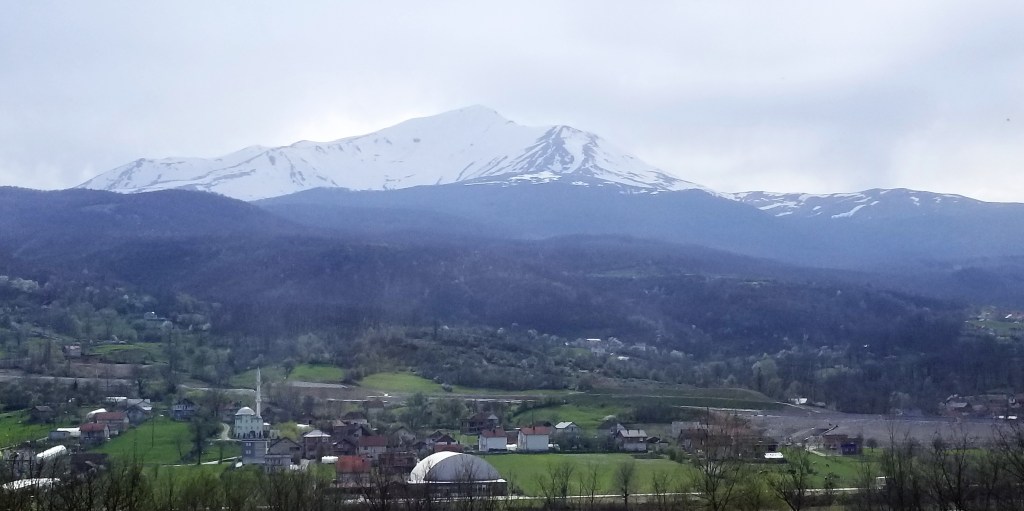
Rugova Mountains: A stunning drive with breathtaking landscapes.

Gracanica Monastery: Visit this wonderful church from the 14th century with extraordinary frescoes.

Sinan Pasha Mosque: Located in the center of town, it’s easy to find and offers architectural beauty.

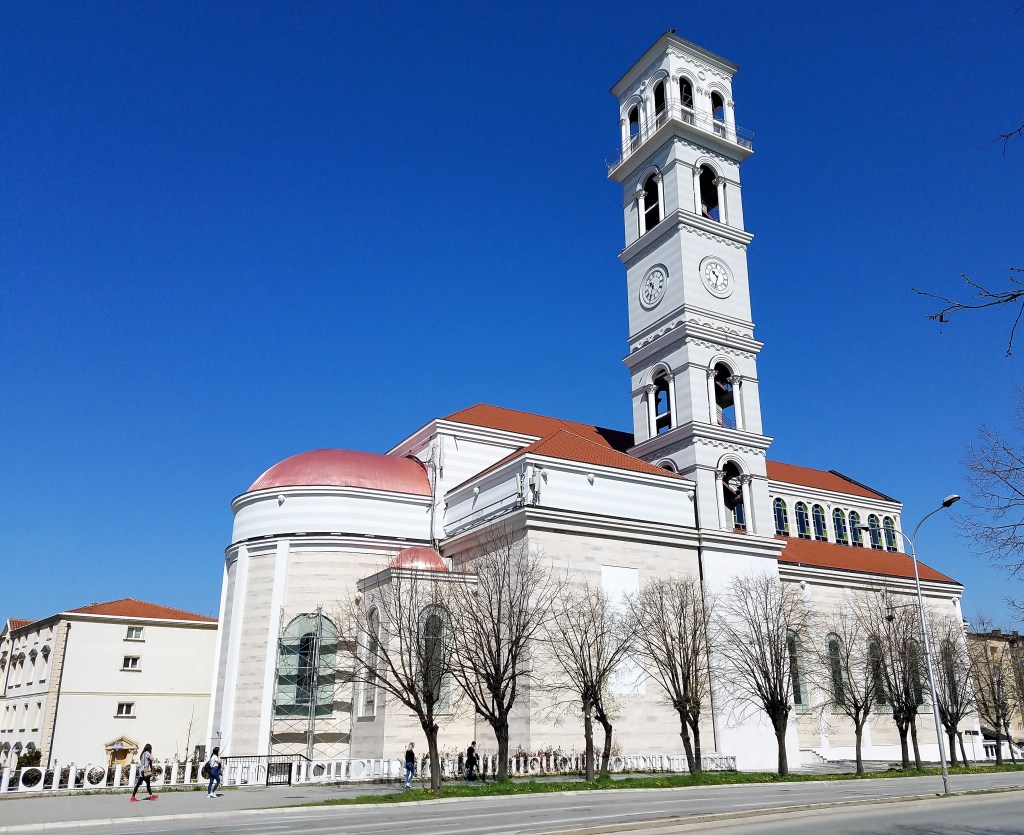
Mother Teresa Cathedral: Pristina’s new cathedral, unofficially named after the famous ethnic Albanian nun, is a welcome addition to the city’s skyline.
eat
Here are some must-try traditional dishes:

Tavë Prizreni: Although Kosovo has yet to officially declare a national dish, Tavë Prizreni is a casserole that stands out. Made with lamb, flour, onion, green peppers, and tomatoes, it has a true Kosovar origin. The name translates to “Dish of Prizren,” the capital city of Kosovo, which holds historical significance. You can find this dish in restaurants across Prizren and it’s highly recommended for visitors.

Tavë Kosi: This casserole features lamb and rice, baked with a yogurt and egg topping, seasoned with oregano and garlic. While it’s a national dish in neighboring Albania, it has become popular in Kosovo as well.

Flija: A layered dish made from thin crepes, Flija is cooked over an open fire. Each layer is spread with a mixture of cornmeal, water, and butter. It’s a labor-intensive dish but worth trying for its unique preparation and flavor.

Pasul (Bean Stew): A hearty bean stew made with white beans, onions, garlic, and spices. It’s often served with crusty bread or rice.

Sarma (Stuffed Cabbage or Grape Leaves): Cabbage or grape leaves are stuffed with a mixture of minced meat, rice, and spices. These savory rolls are then simmered in a tomato-based sauce.

Lakror me Hithra (Cabbage and Nettle Pie): A savory pie filled with cabbage and nettles. The combination of flavors and textures makes it a delightful dish.

Mish me Speca (Stuffed Peppers): Fresh peppers are stuffed with minced meat or ground beef, vegetables, and rice. Spices like paprika and savory add flavor to this traditional summer dish.

Pite me Spinaq (Spinach Pie): A flaky pastry filled with spinach, onions, and feta cheese. It’s a popular snack or appetizer in Kosovo.
tips
Here are some valuable tips to keep in mind:

Understanding the Situation: Kosovo is a partially recognized country that split from Serbia in 2008. It’s essential to know that the topic of Kosovo’s statehood can be sensitive. Avoid discussing whether Kosovo is a country or not, as opinions vary widely. Kosovo is home to both Albanians (Muslims) and Serbs (Christian Orthodox), and both groups consider themselves Kosovars. Be respectful of this complex historical context.

Visa Requirements:   You don’t need a visa to travel to Kosovo. Upon arrival, you’ll receive a friendly stamp valid for three months. If you collect stamps, make sure to ask for it specifically.

Safety and Awareness: Avoid demonstrations and stay alert in areas frequented by Westerners. Monitor local media for breaking events and adjust your plans accordingly. Enroll in the Smart Traveler Enrollment Program (STEP) to receive alerts and facilitate emergency assistance.

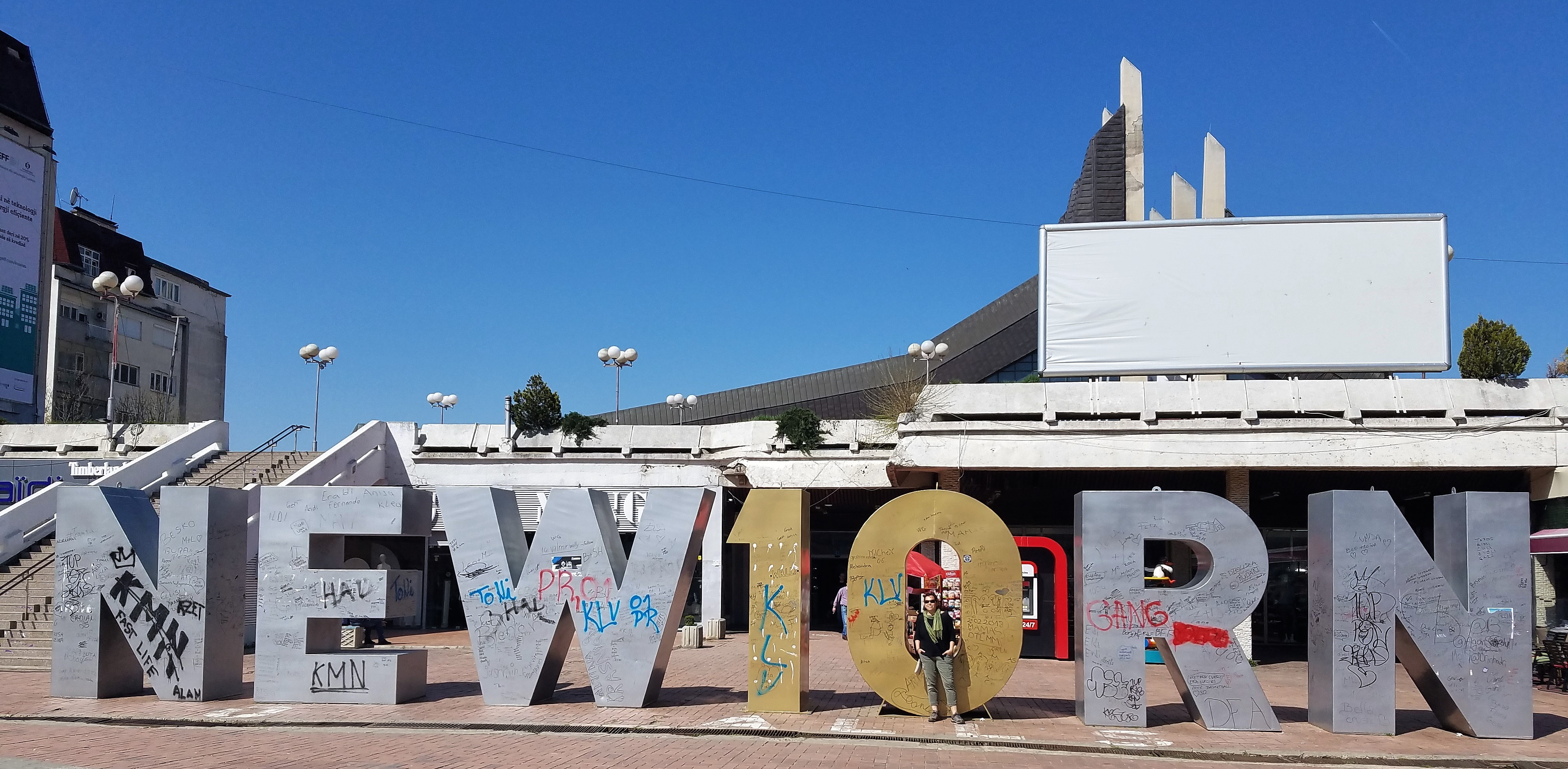
Top Experiences: Explore the café culture in Pristina, the capital. Despite its slightly shambolic appearance, it has a vibrant atmosphere. Get active in the Rugova Valley, where the Accursed Mountains offer opportunities for snowshoeing, hiking, and paragliding.

Budget-Friendly Destination: Kosovo is one of the most affordable places in Europe. Enjoy the warm hospitality of the locals without breaking the bank.
 ameropasstravel.com