
Ancient Tales, Modern Vibrancy
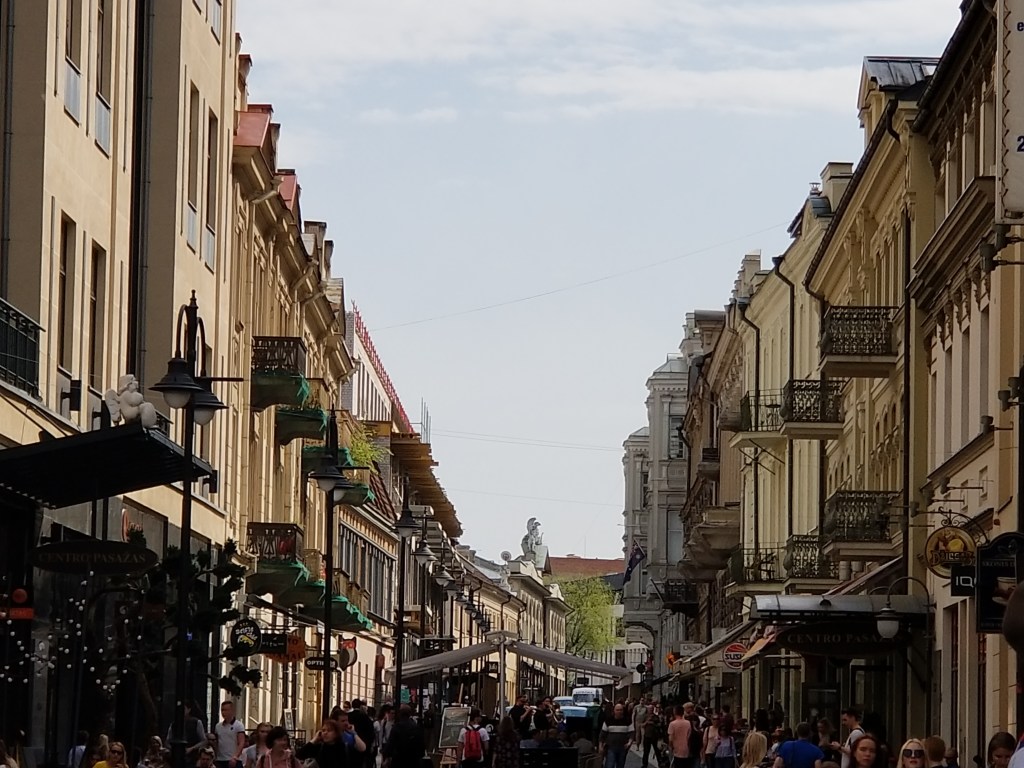
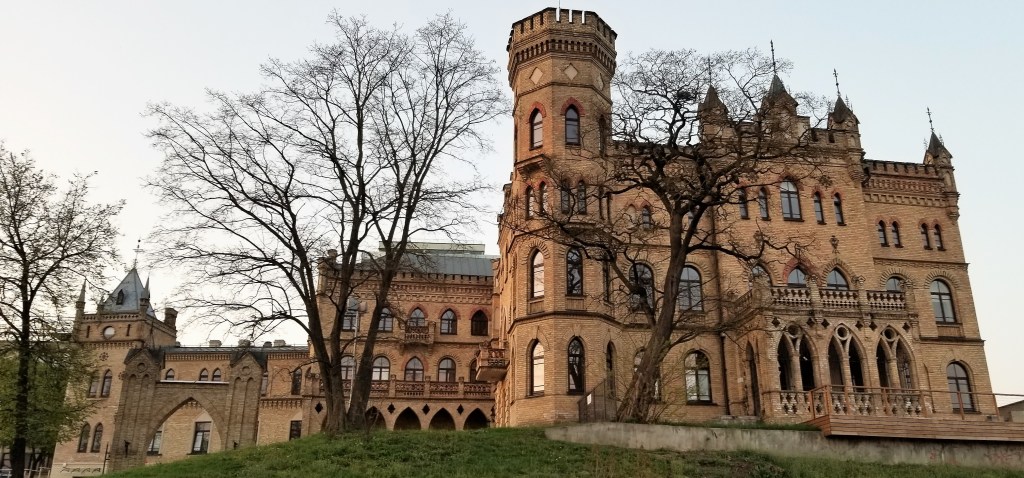
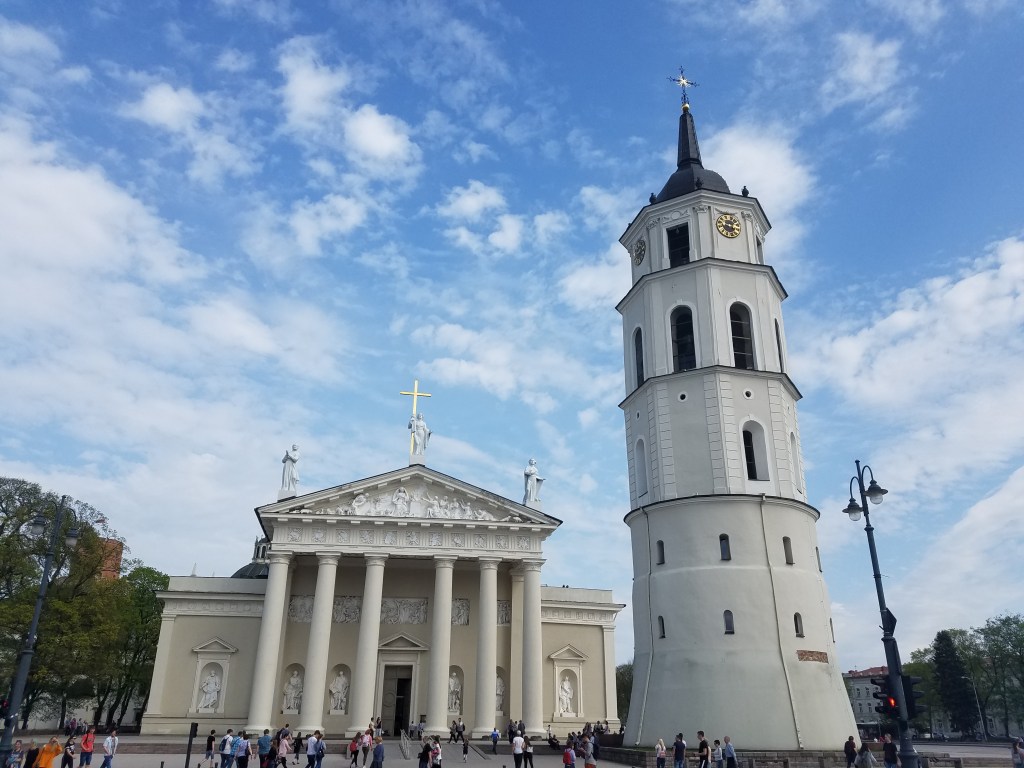
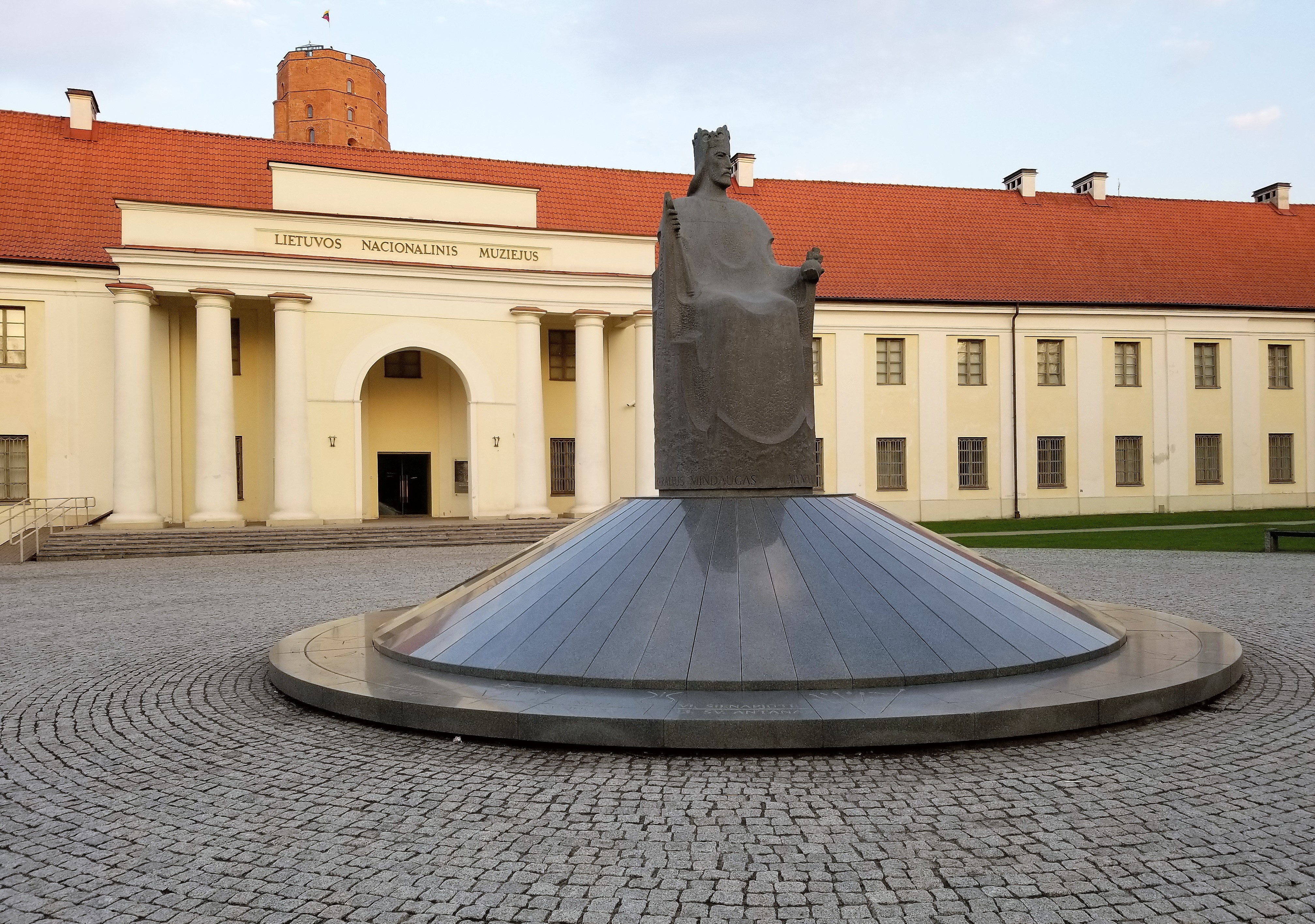
A captivating blend of ancient tales and modern vibrancy, boasts historical gems like Vilnius with its Medieval and Baroque architecture, and Kaunas, home to charming Old Town streets. Don’t miss the mysterious Kernave, once the capital of the Grand Duchy of Lithuania. Nature lovers will find solace in the Trakai Island Castle, Hill of Crosses, and the Curonian Spit.


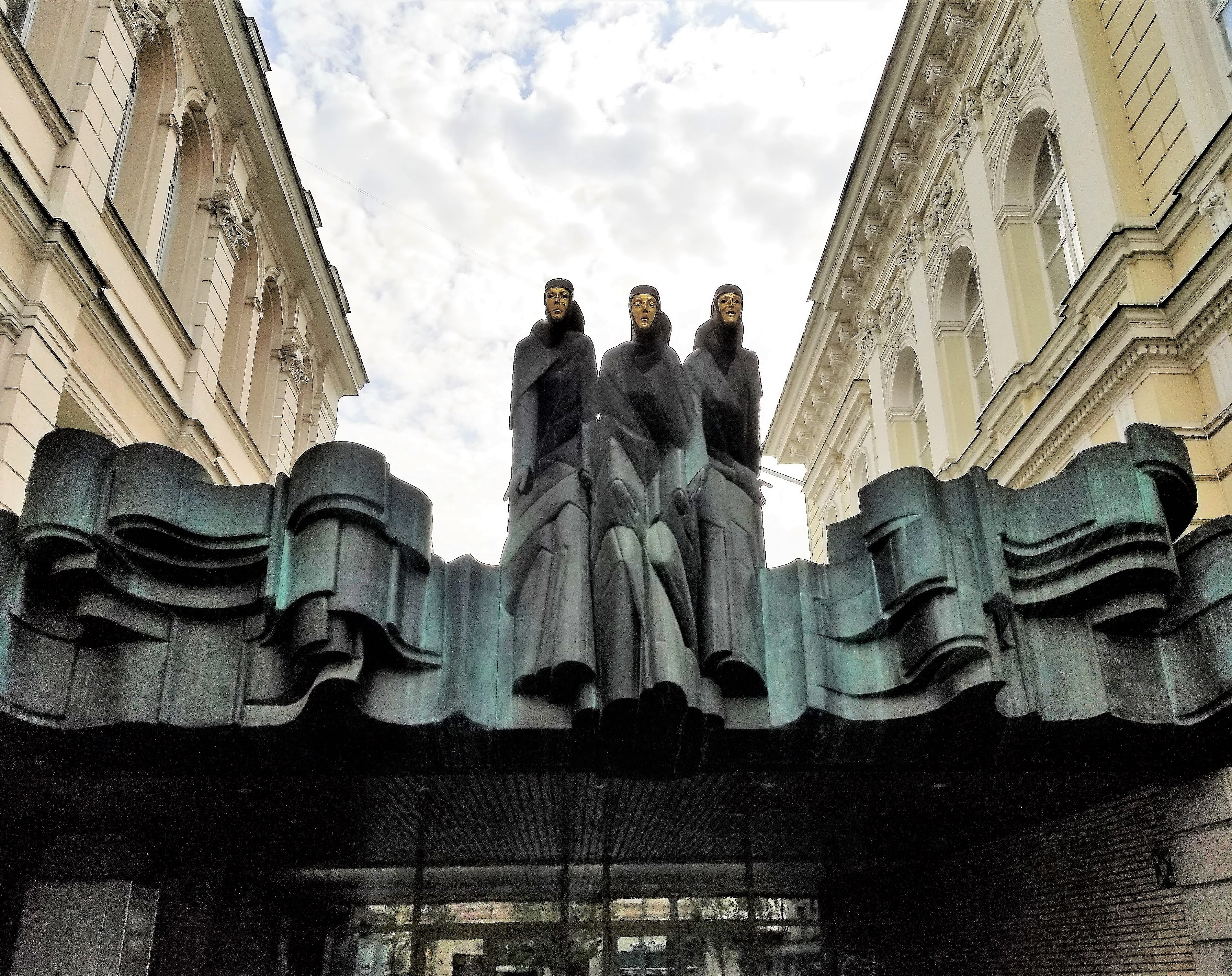
go
The best time to visit Lithuania depends on your preferences and what you’d like to experience. Here are some insights:

Summer (May to September): Pleasant weather, longer daylight hours, and beach time on the Baltic Sea coast.
Spring and Autumn: Fewer crowds, cultural experiences, and fall foliage.
Winter: Frosty beauty, Christmas markets, and indoor activities.
do
Here are some must-do attractions:

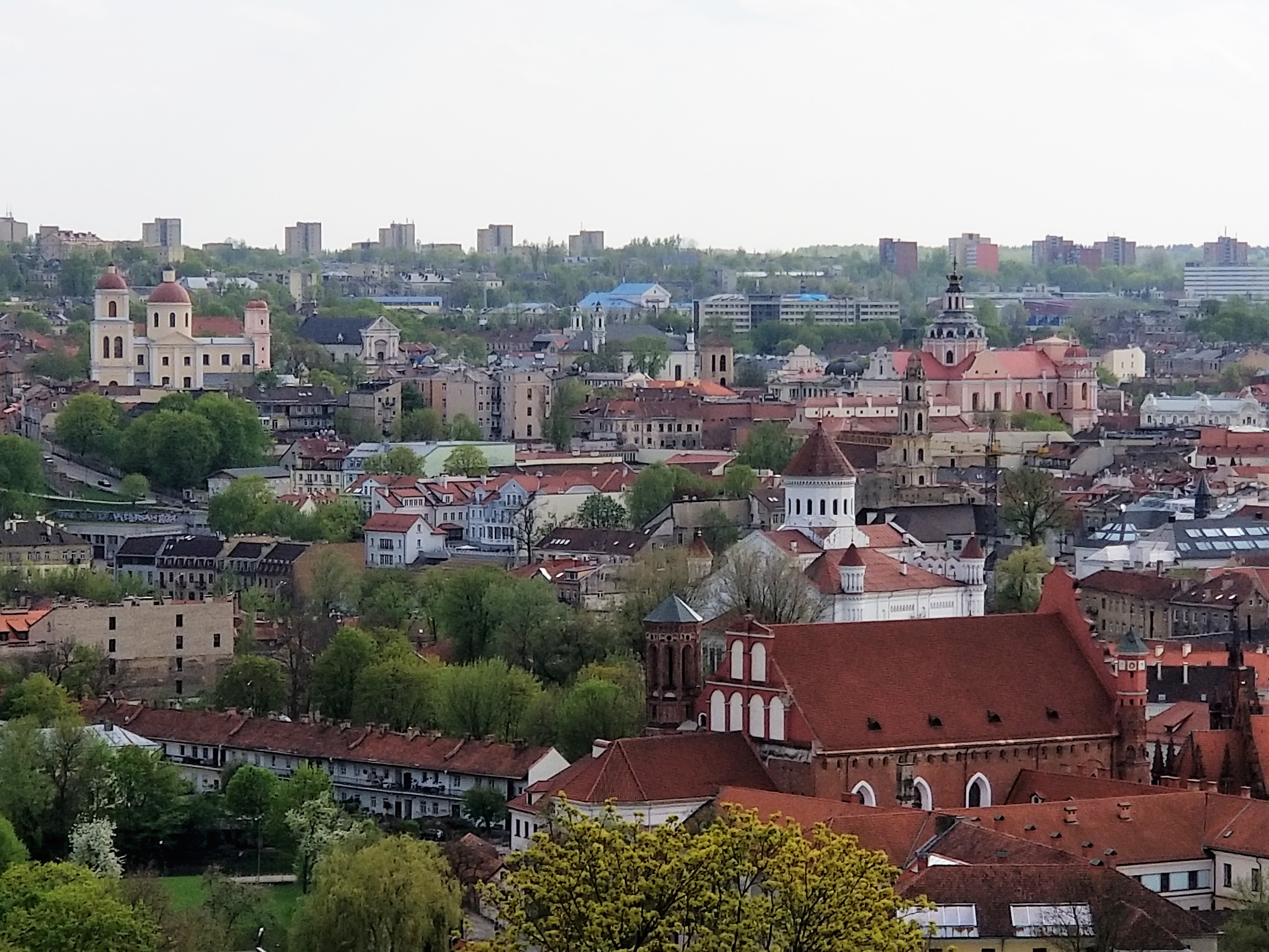
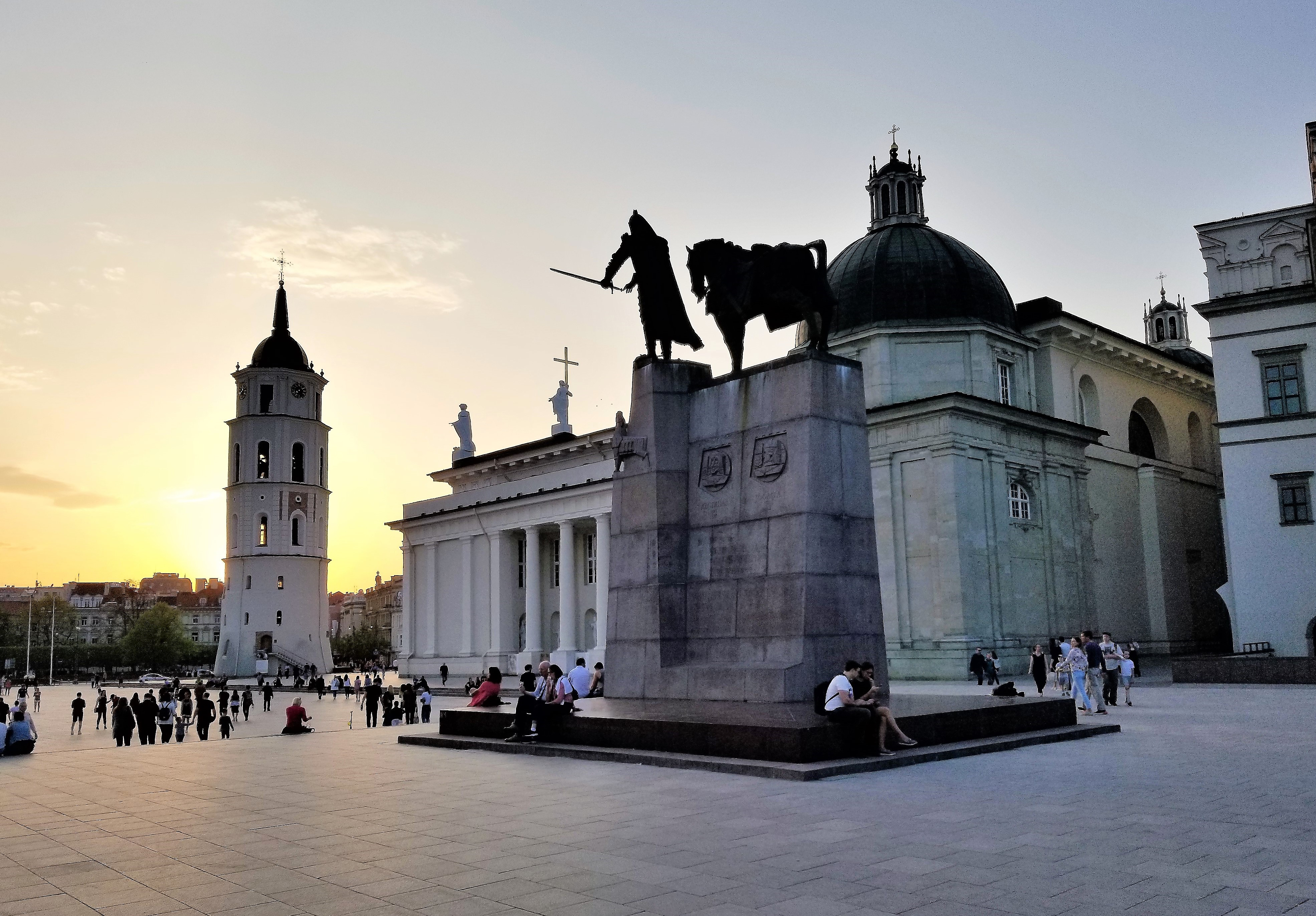
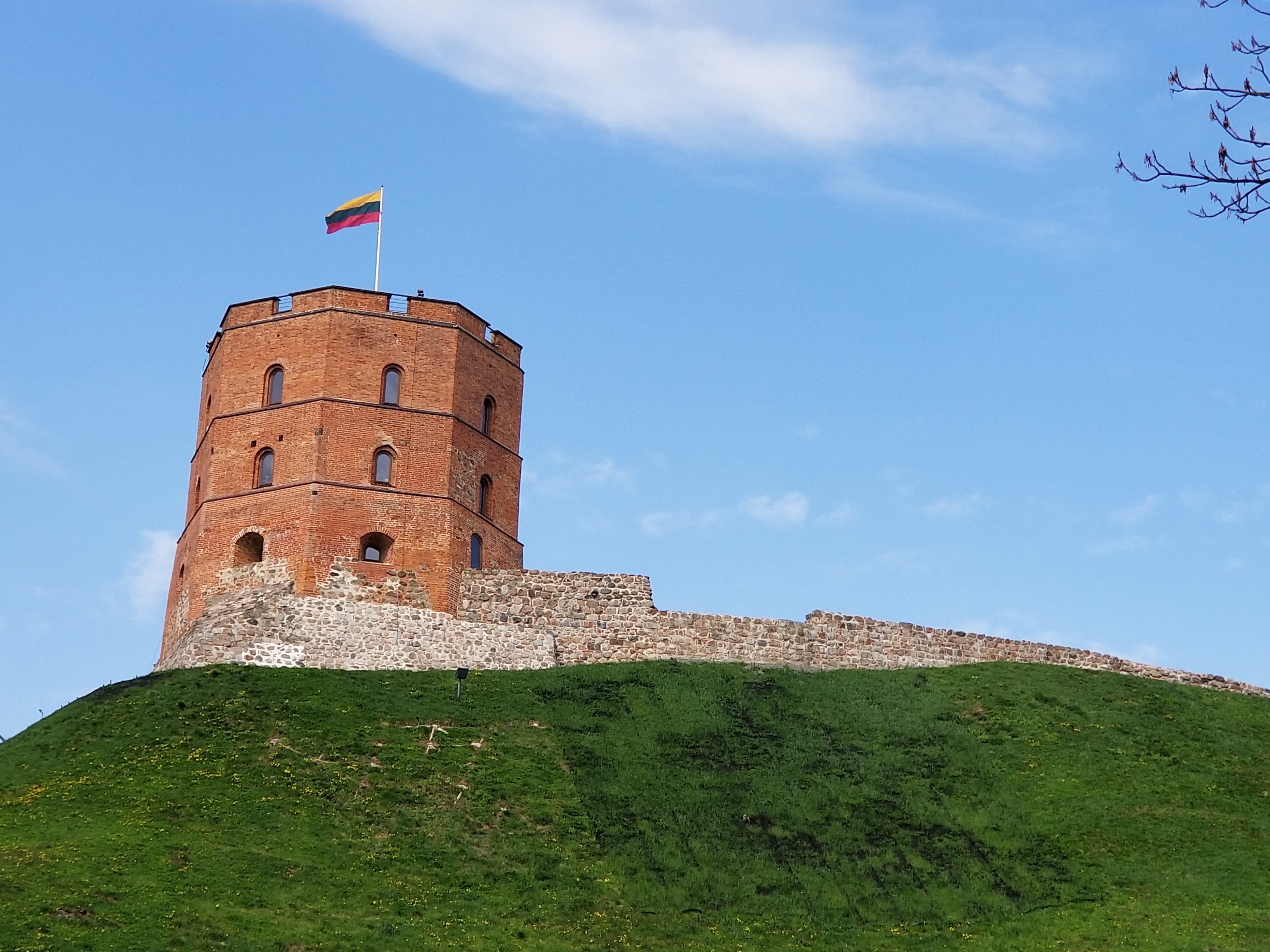
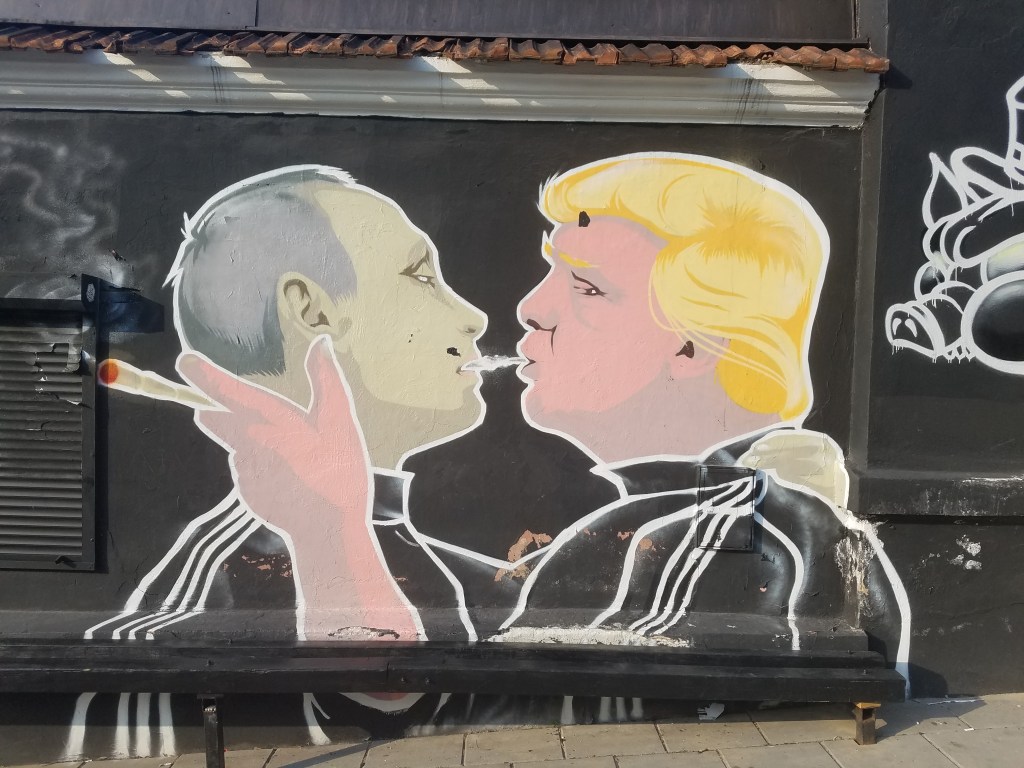
Vilnius: The capital city, Vilnius, boasts a wealth of historical sights, including Medieval and Baroque structures. Don’t miss the alternative artist enclave of Uzupis, which declared itself an independent state as a playful joke.

Kaunas: Lithuania’s second-largest city, Kaunas, features an Old Town with charming Medieval architecture. Explore the 1.6 km pedestrian zone known as “Freedom Lane” in the 19th-century New Town.

Kernave: Despite its small size, Kernave holds historical significance as the former capital of the Grand Duchy of Lithuania. The remains of this ancient settlement are preserved under earth mounds.

Lithuania is also famous for its amber craftsmanship, distinctive folk art, and beautiful natural attractions like the Trakai Island Castle, Hill of Crosses, and Curonian Spit.
eat
Here some must-try traditional dishes:

Cepelinai: These potato dumplings are filled with minced meat and often served with sour cream or bacon. A Lithuanian classic!

Varškėčiai: A delightful cottage cheese dessert, usually topped with sweet cream and sugar.

Bulviniai blynai: Potato pancakes served with sour cream or applesauce. Crispy and comforting!

Šaltibarščiai: A cold beetroot soup, perfect for hot summer days. It’s refreshing and tangy!

Kugelis: Lithuanian potato pudding, baked until golden brown. Served with sour cream or bacon.

Kibinai: Savory pastries filled with minced meat, onions, and spices. Originally from the Karaim community in Trakai.

Skilandis: Also known as “Lithuanian sausage,” it’s made from minced pork and garlic, then smoked.

Saltibarsciai: A pink-colored cold beet soup, often garnished with fresh dill. Perfect for summer!

Rugine duona: Dark rye bread, a staple in Lithuanian cuisine. Enjoy it with butter or cheese.

Šakotis: A unique cake resembling a tree, made by layering thin batter on a rotating spit. A festive treat!
tips
Here are some useful tips:

Currency and Costs: Lithuania uses the Euro (EUR). It’s an affordable destination, so you’ll get good value for your money. Budget travelers will find plenty of options for accommodation, food, and activities.

Getting There: Lithuania is a member of the European Union and the Schengen Zone, so entry is straightforward for European passport holders. You can also easily travel within the Schengen Zone to neighboring countries like Latvia and Poland.

Safety Precautions: Keep your personal belongings secure, especially in crowded areas. Avoid walking alone at night in poorly lit places. Use secure parking facilities and never leave belongings unattended in a vehicle.

Language: Lithuanian is the official language, but English is widely spoken, especially in tourist areas.

Baltic Amber: Lithuania is known for its amber, often called “Baltic gold.” Visit amber workshops and museums to learn about its formation, history, and craftsmanship. You can even find unique amber jewelry to take home as a souvenir.

Public Transportation: Lithuania has a well-connected public transportation system. Consider taking a luxury bus between cities – they’re comfortable and affordable. You can also use trains or rent a car to explore the countryside.

Festivals: Check if there are any local festivals or events during your visit. Lithuanians love celebrating their culture through music, dance, and food. The Joninės (Midsummer) festival is particularly lively.
 ameropasstravel.com