
Corals, Atolls and Turquoise Waters
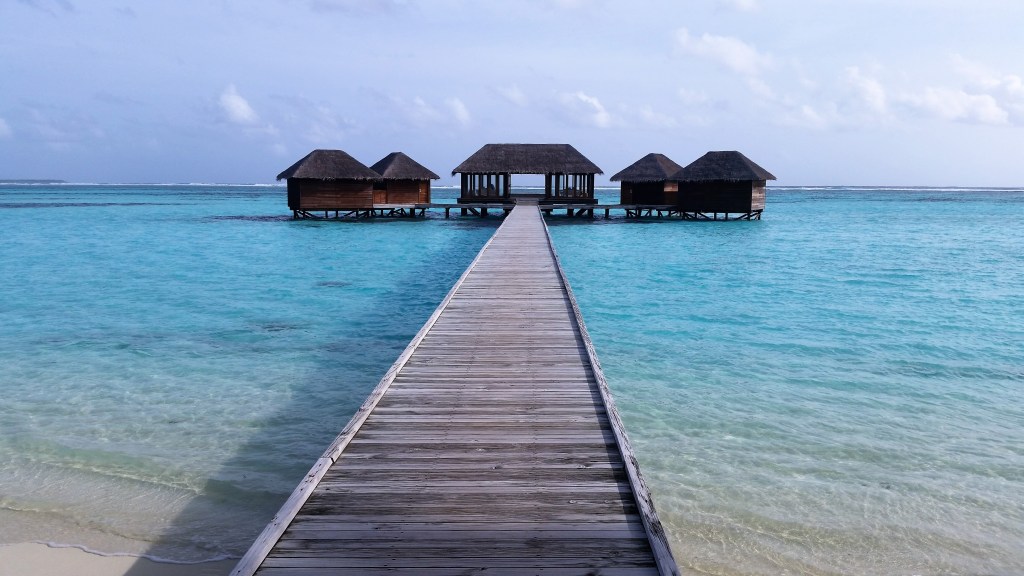
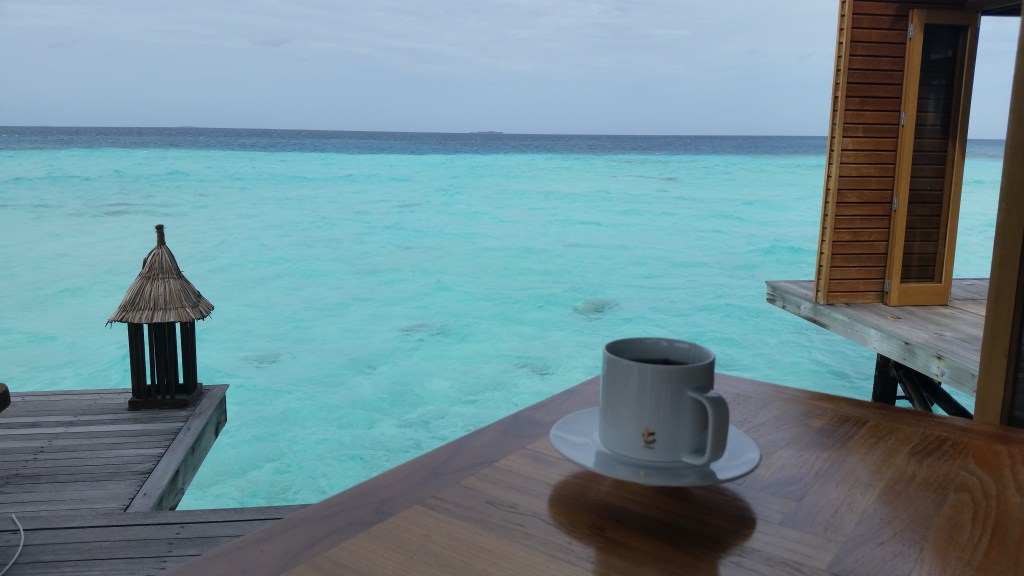
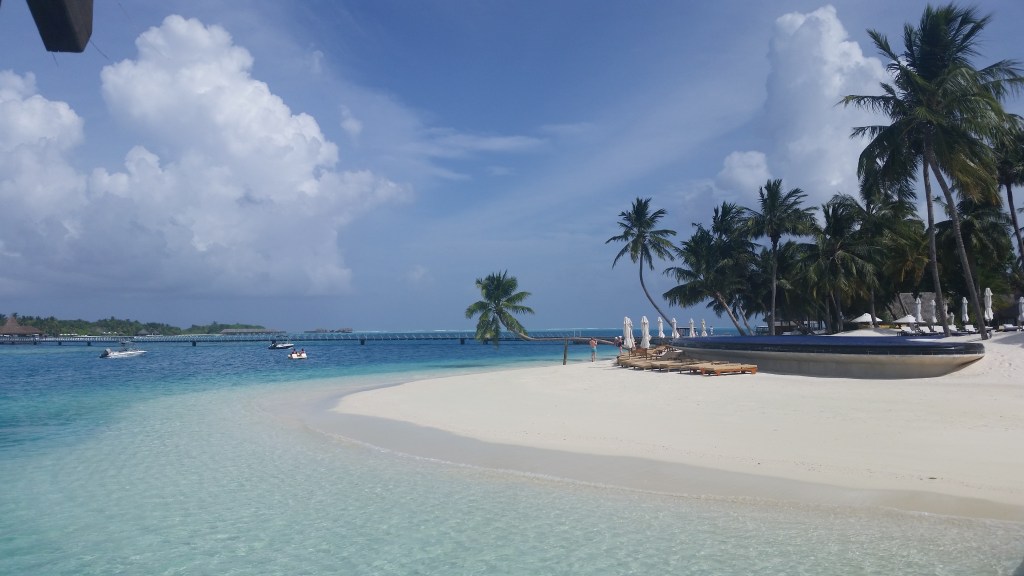
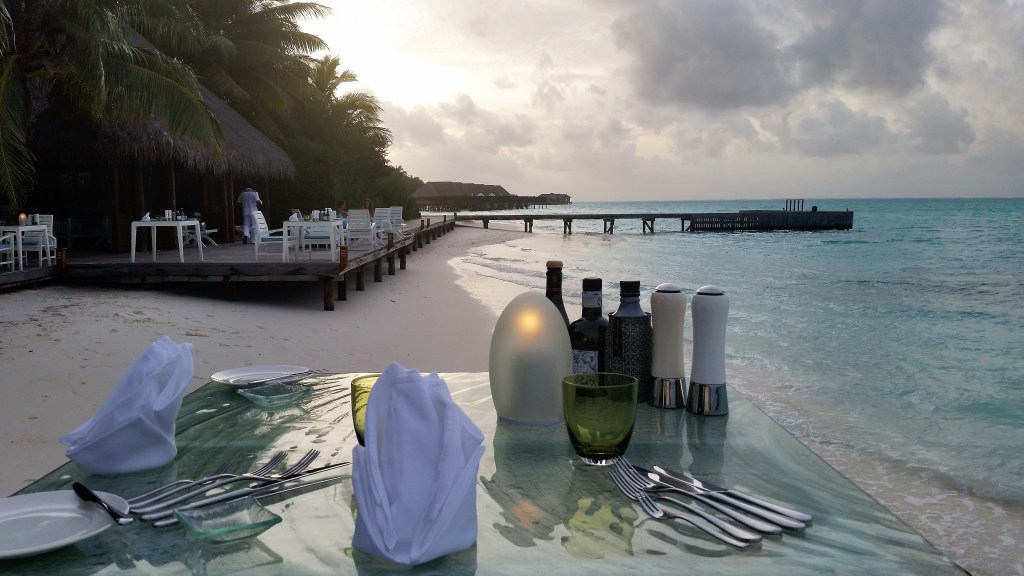
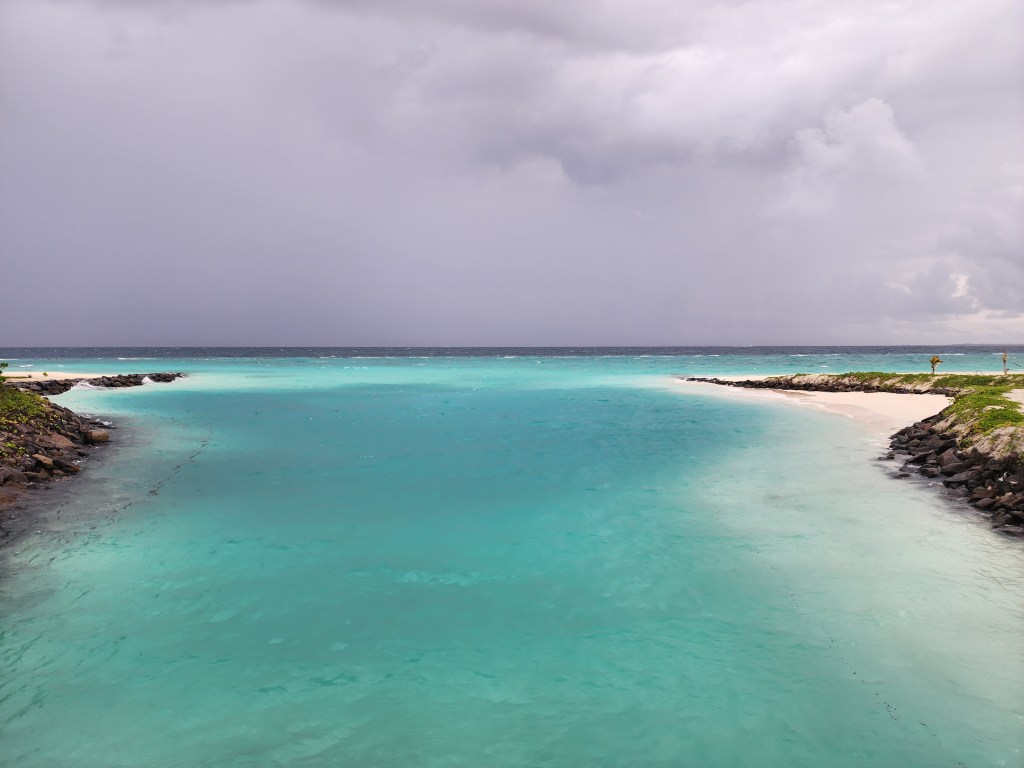
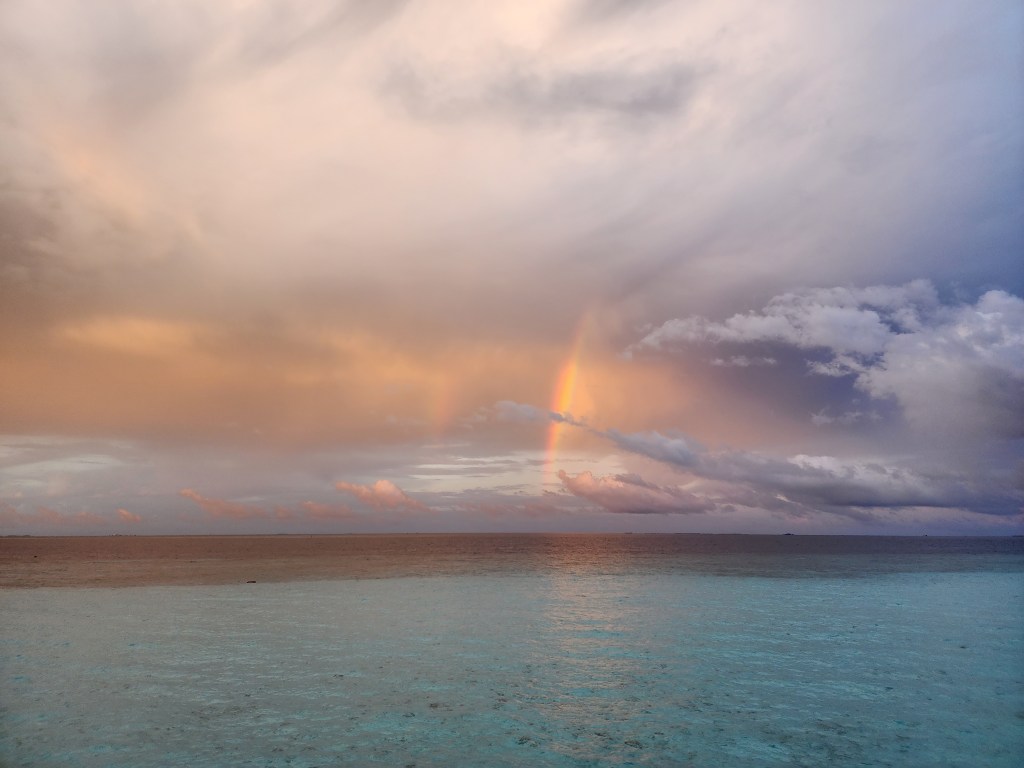
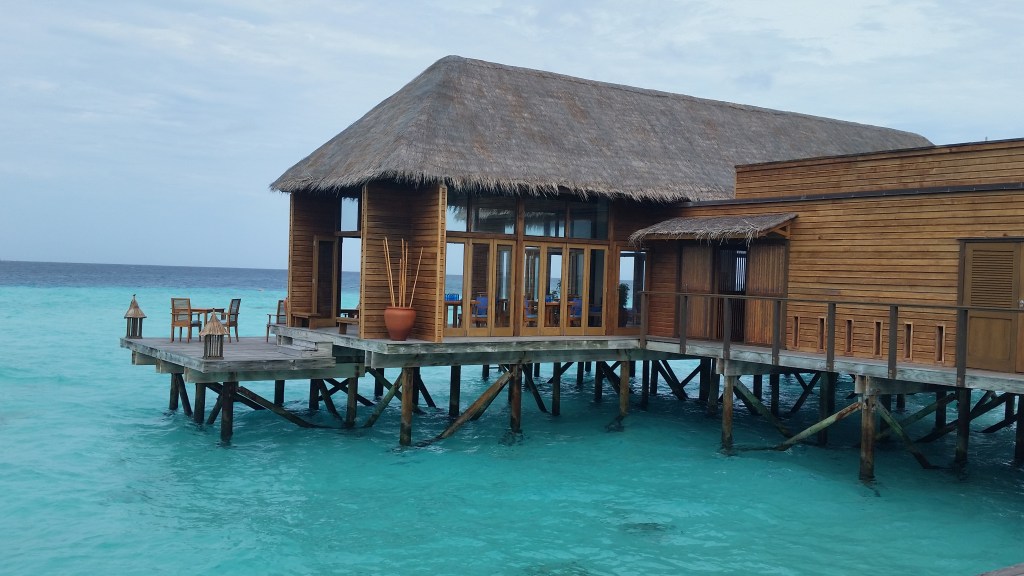
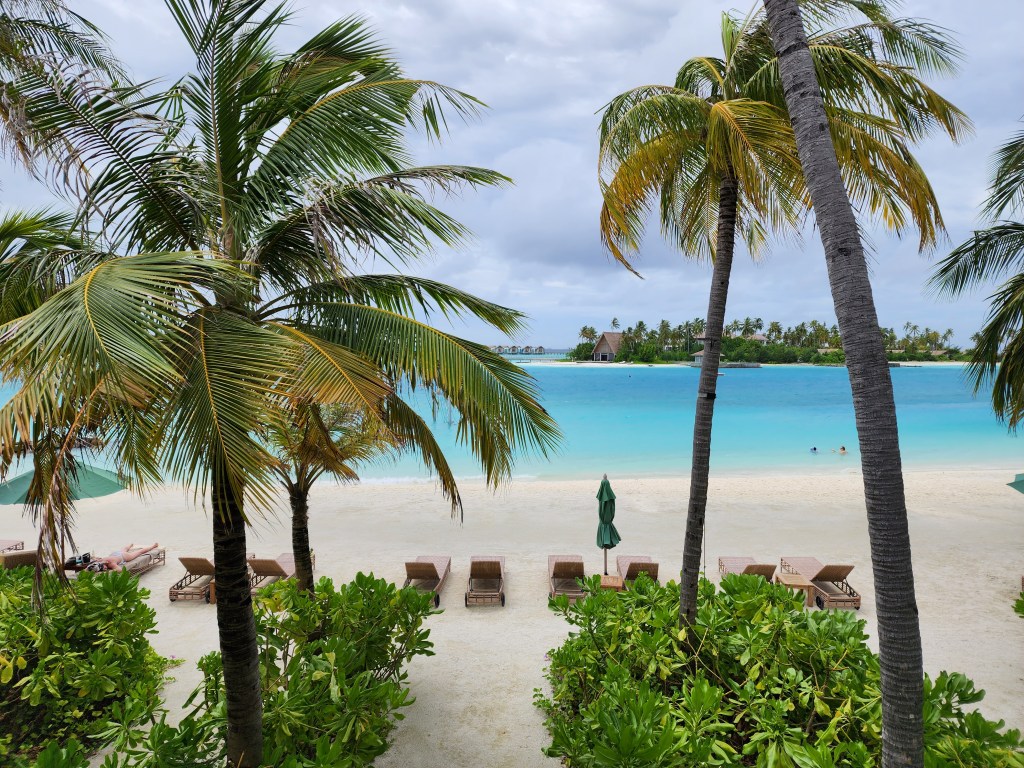
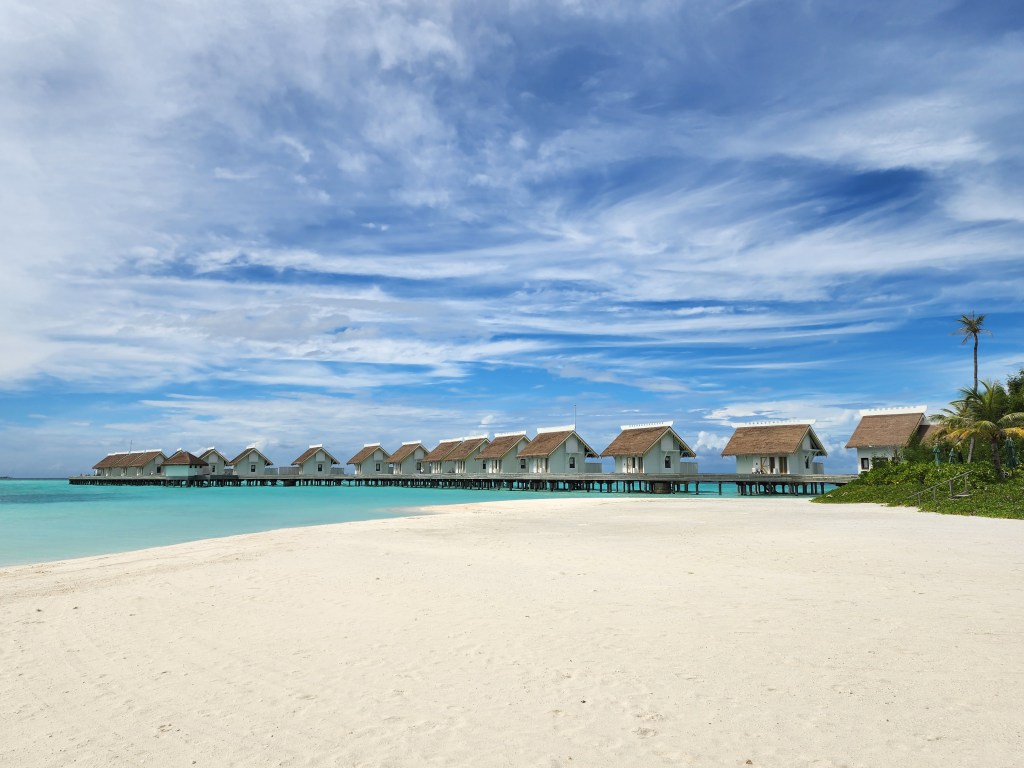
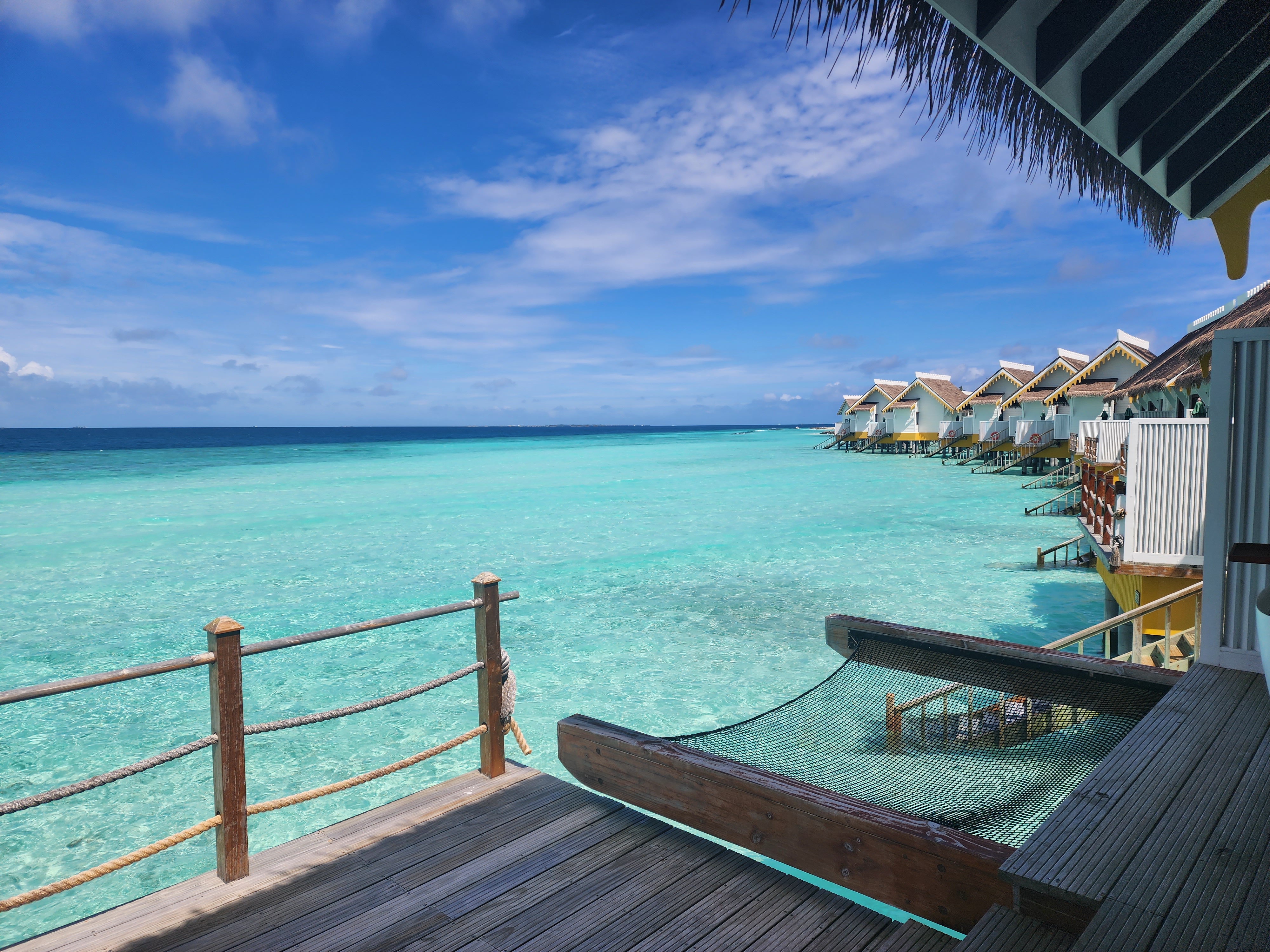
The Maldives, a tropical paradise in the Indian Ocean, boasts 1,000 coral islands across 26 atolls. With white-sand beaches, turquoise waters, and vibrant marine life, it’s a dream destination for relaxation and adventure.
go
The best time to visit the Maldives is between November and April. During this period, the climate is warm and tropical, with average highs consistently ranging from 29°C to 31°C year-round. January to April are the driest months, with little rain and low humidity, making it the peak season at the resorts1. If you’re looking for sunny days, warm temperatures, and ideal conditions for outdoor activities, plan your trip during these months!
do
Here are some of the must-do tourist attractions:

Tsunami Monument: Located in Malé, the capital city, this monument serves as a memorial to the victims of the 2004 Indian Ocean tsunami. It’s a somber yet significant site that commemorates a tragic event in the region’s history.

Hulhumale Beach: Hulhumale is an artificial island near Malé, and its beach is perfect for relaxation and water activities. You can enjoy swimming, snorkeling, or simply sunbathe on the soft sands.

Underwater Adventures: The Maldives is renowned for its incredible underwater world. Consider going snorkeling or diving to explore colorful coral reefs, encounter exotic fish, and maybe even spot a majestic manta ray or a gentle whale shark.

Island Hopping: With over 1,000 coral islands, island hopping is a must-do activity. Each island has its unique charm, from luxurious resorts to local villages. Don’t miss out on experiencing the local culture and cuisine.

Biyadhoo Island: Known for its lush greenery and excellent diving spots, Biyadhoo Island is a tranquil escape. Explore the vibrant marine life, and if you’re lucky, you might see sea turtles and reef sharks.

Maafushi Island: This local island offers a mix of budget-friendly accommodations, water sports, and a glimpse into Maldivian daily life. Enjoy the laid-back atmosphere and pristine beaches.
eat
Here are some must-try traditional dishes:

Moringa Leaf Omelette: An omelette made with Moringa leaves, which have a taste similar to matcha or strong spinach.

Dhon Riha: A Maldivian tuna fish curry cooked with coconut milk, cardamom, and spices like fennel, cumin, fenugreek, and cinnamon.

Tharukaaree Riha: An orange-colored vegetable curry made with carrots, pumpkins, and coconut milk, flavored with ginger, turmeric, chilies, and pandan leaves.

Garudhiya: A fragrant fish soup made from tuna, water, and salt, often served with rice and lime.
tips
Here are some useful tips for your trip to the Maldives:

Currency: The official currency of the Maldives is the Maldivian Rufiyaa (MVR). While most resorts and tourist areas accept major credit cards, it’s a good idea to carry some local currency for small purchases and local experiences. You can exchange money at the airport or your resort.

Plan for at least 5 nights: Given the remote location, plan for a minimum of 5 nights to fully enjoy this paradise. If time and budget allow, consider staying longer to embrace island life.

Transport options: Choose an island resort reachable by either seaplane or speedboat. Seaplane transfers offer scenic views but can be more expensive. Speedboats are a budget-friendly alternative. Remember the 25kg luggage limit on seaplanes.

Island-hopping: You don’t have to stick to just one resort. Beach bums can split their time between different islands. Travel back to Male airport and transfer to your next resort via seaplane or speedboat.

Arrive in the morning: If your resort is accessible by seaplane, aim to arrive in the morning. Seaplanes stop flying after sunset, so arriving at night may require an overnight stay in Male or Hulhumale. The stunning Maldives scenery is worth seeing during daylight hours.
 ameropasstravel.com