
Ancient History, Landscapes, Culture
The gem of the Mediterranean, beckons with its azure waters, ancient temples, and charming villages. Explore the knights’ history in Valletta, dive into the Blue Grotto, and savor pastizzipastries. Whether you’re a history buff, a beach lover, or a foodie, Malta awaits.


go
The best time to visit Malta depends on your preferences and what you want to experience during your trip. Here are some insights to help you decide:

Summer Months (June to August): The overall best time to visit Malta is during the sunny summer months of June to August. The weather is warm, with temperatures averaging between 70ºF and 80ºF (21ºC to 26ºC), and it’s perfect for swimming and outdoor adventures. If you enjoy lazy days on the beach, this is the ideal time. Additionally, summer is great for hiking, exploring smaller islands, and experiencing some of the best diving and snorkeling in Europe.
Shoulder Seasons (April to May and September to October): If you prefer fewer crowds and pleasant weather, consider visiting during the shoulder seasons. April to May and September to October offer budget-friendly options. During these months, the weather is generally mild and sunny, making it ideal for outdoor activities without the intense heat. You can explore Malta’s historic sites, neolithic ruins, and museums during these seasons.
Winter Months (December to February): For a quieter experience and cooler temperatures, visit Malta during the winter months. While it’s not beach weather, you can still explore the island’s historic nature, including crusaders’ castles, the stunning Verdala Palace, and more. Just be prepared for cooler conditions.
do
Here are some must-do attractions to visit:

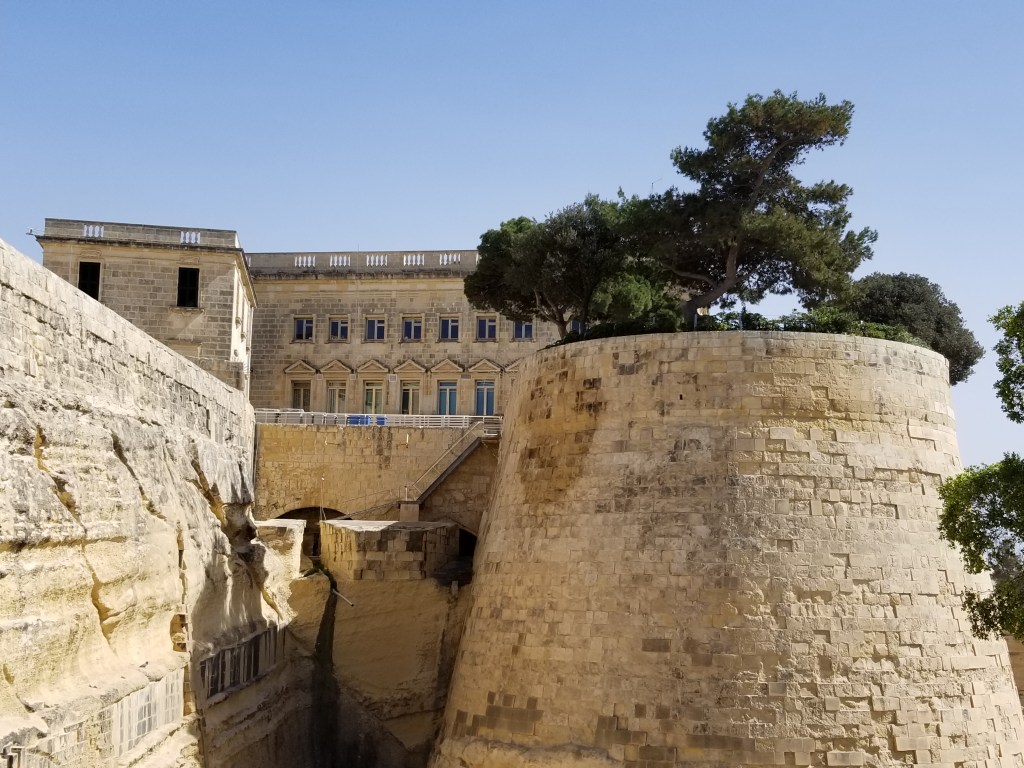
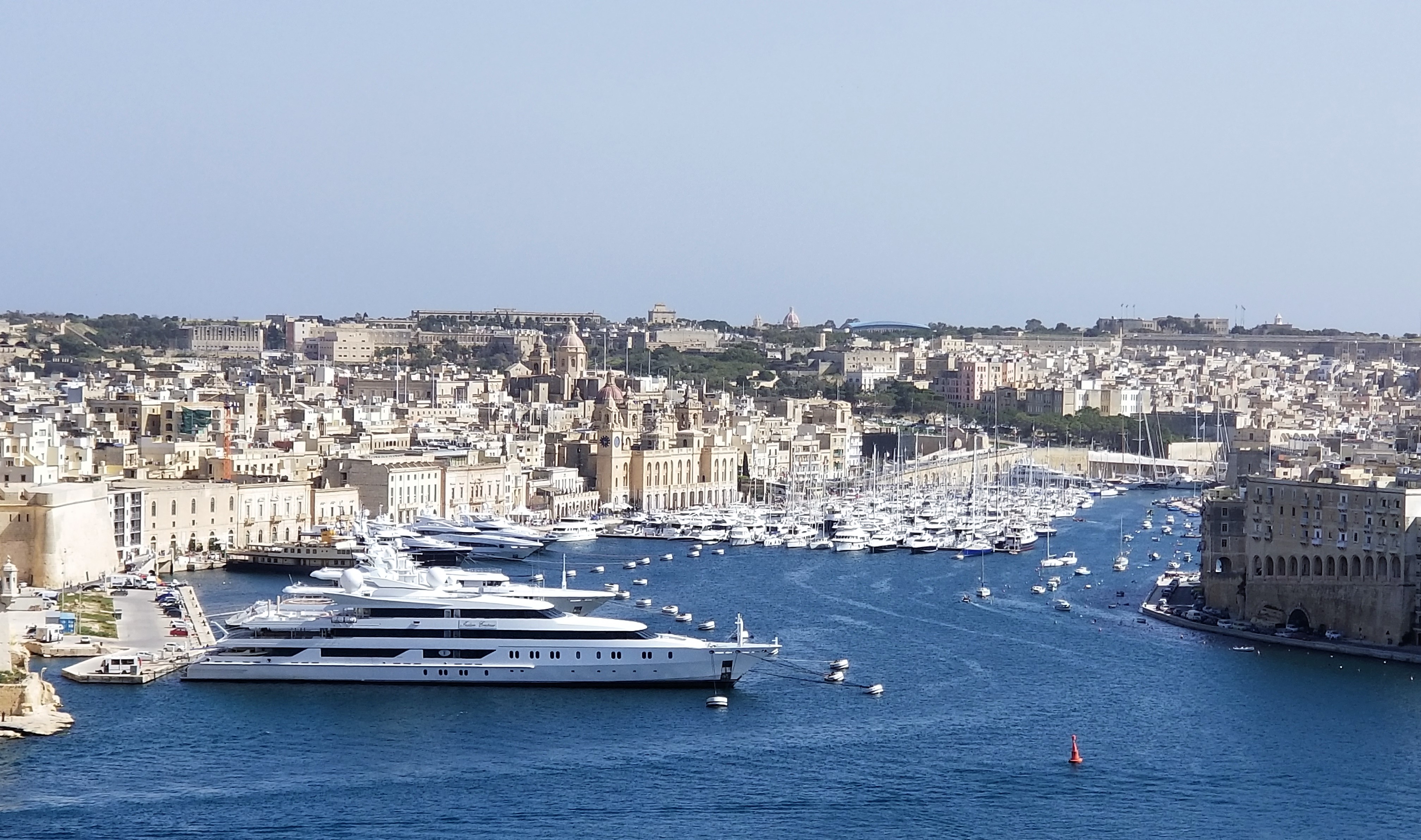
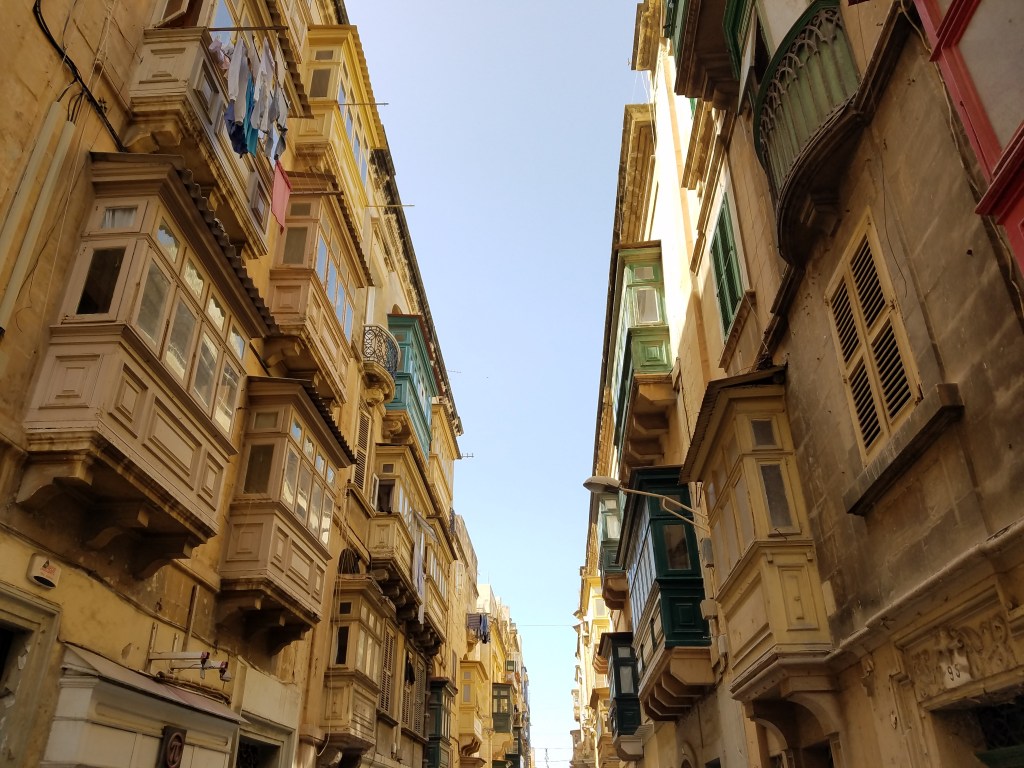
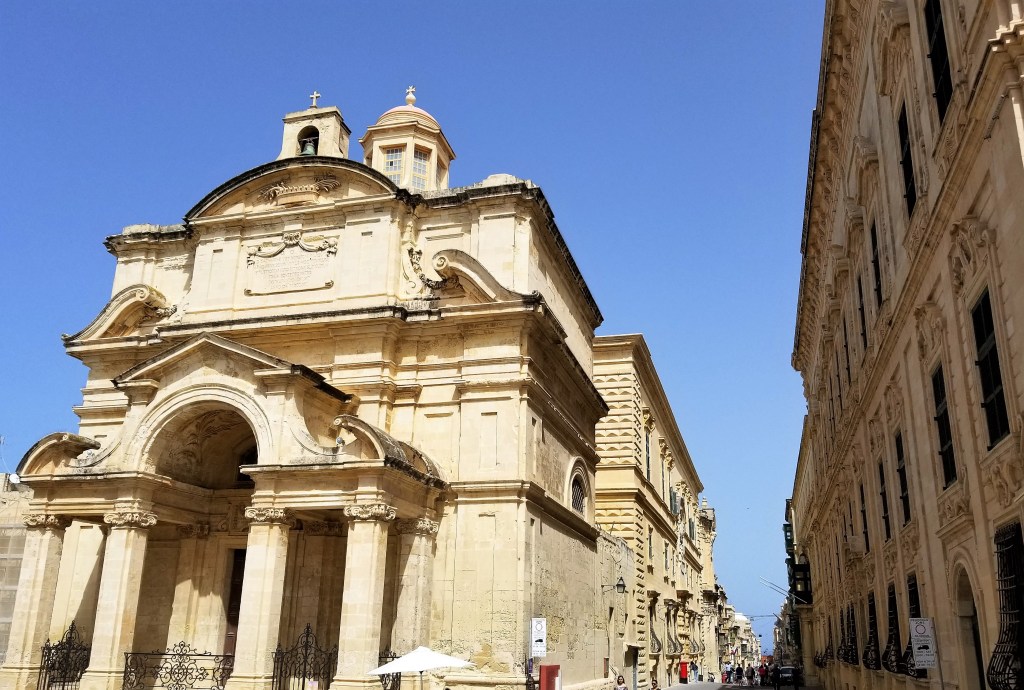
Valletta: Malta’s elegant capital, known for its grandeur and historical significance. Explore the orderly streets, squares, and harbors while appreciating the Knights of Malta’s legacy.

Gozo: The idyllic sister island, perfect for relaxing beach vacations and outdoor adventures.

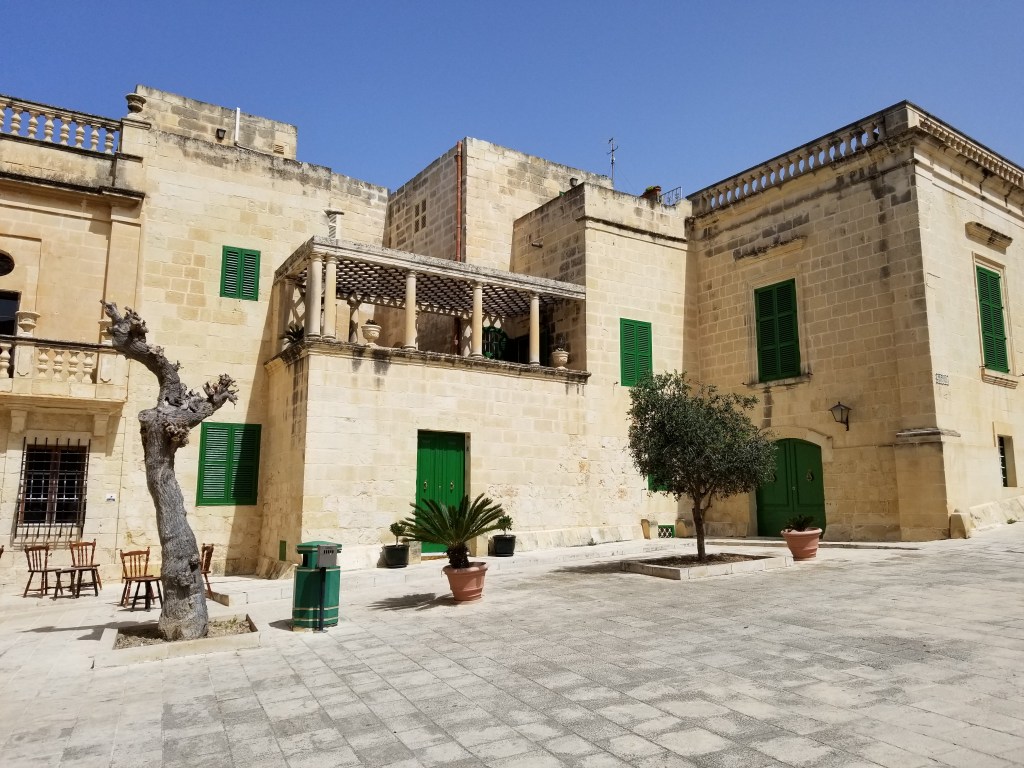
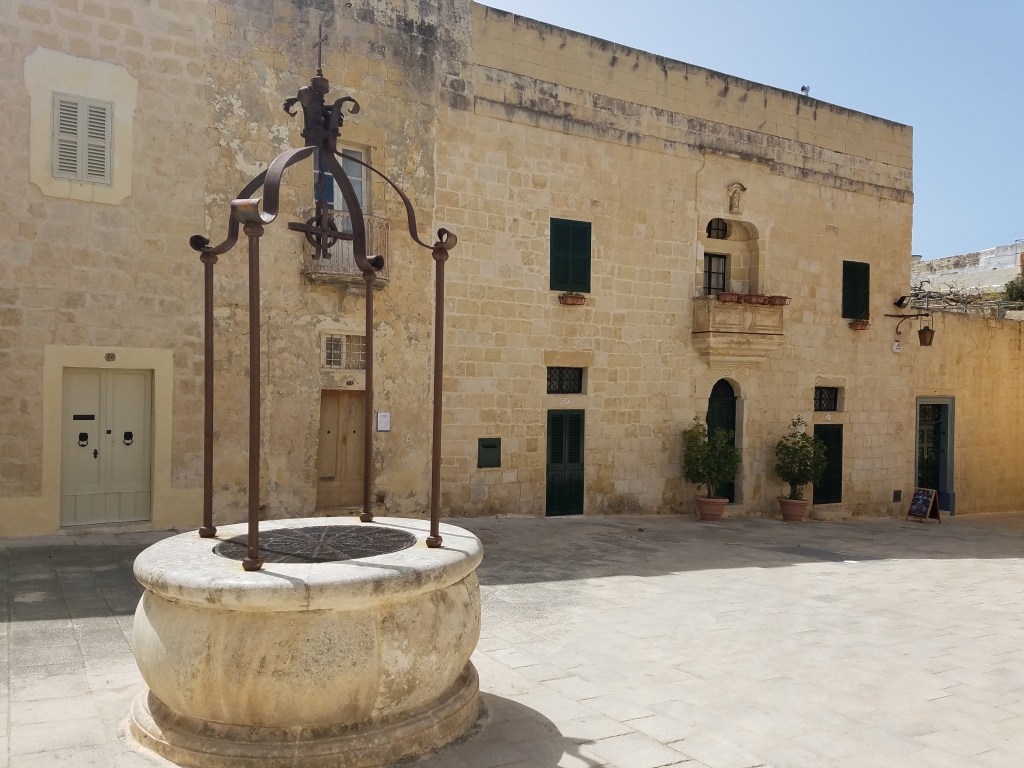
Mdina: A medieval hilltop town on the Island of Malta, steeped in history and surrounded by ancient walls.

Rabat: Discover historical attractions in this town, including St. Paul’s Catacombs and Roman Villa.

Ħal Saflieni Hypogeum: A Neolithic cult site, an underground complex with fascinating chambers.

Tarxien Temples: Prehistoric megalithic temples on the Island of Malta.

Blue Lagoon (Comino): Nature’s perfect swimming pool with crystal-clear waters.

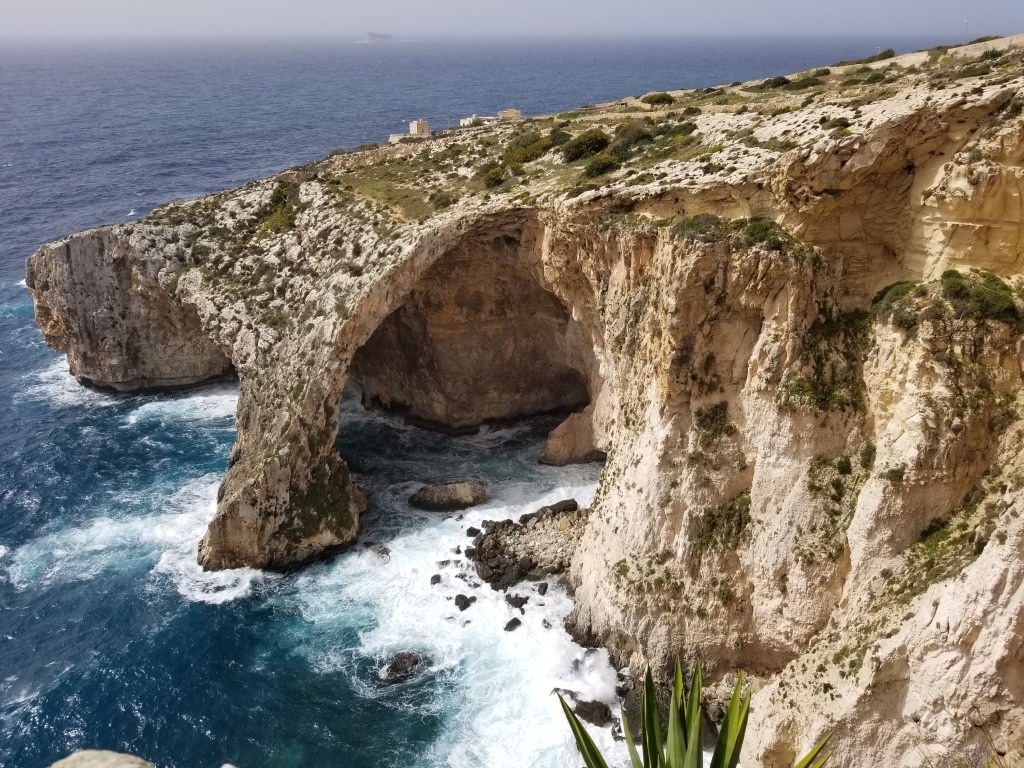
Blue Grotto: Explore sea caves and stunning rock formations on the Island of Malta.

Dingli Cliffs: Breathtaking views await at these dramatic cliffs.

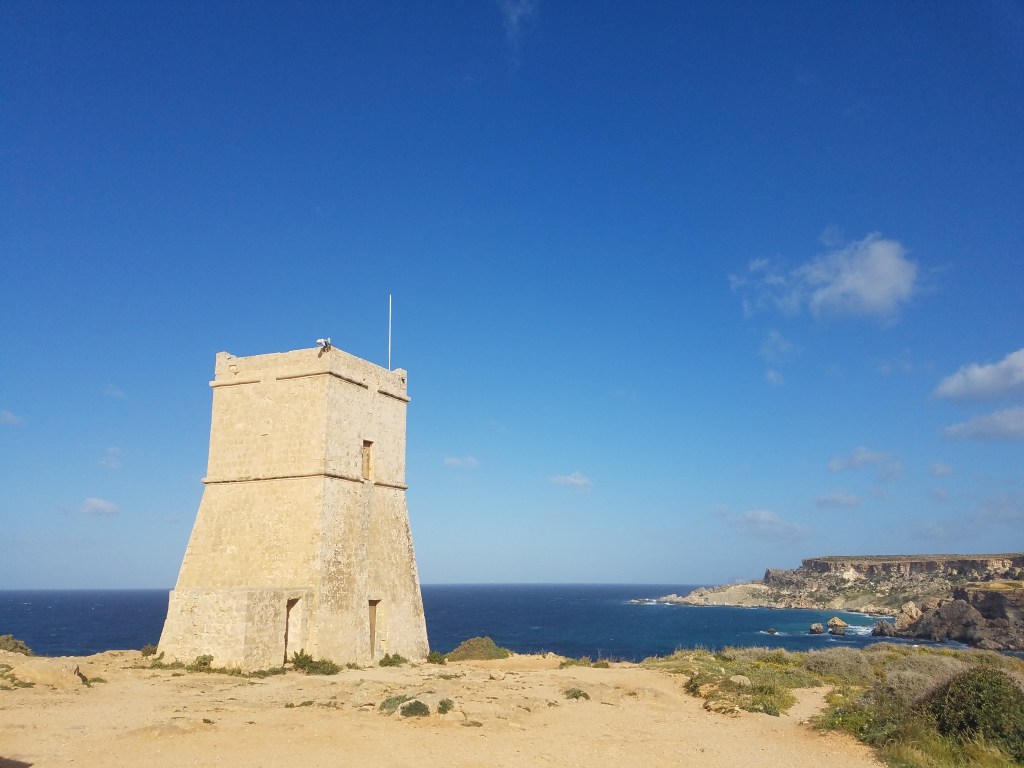
Golden Bay Beach: A beautiful sandy beach on the Island of Malta.

Ghajn Tuffieha Bay and Gnejna Bay Beaches: More pristine beaches to enjoy.

Mellieha: Seaside charm and picturesque views on the Island of Malta.

Ħaġar Qim Temples: Another prehistoric megalithic site worth visiting.

Mnajdra Temples: Explore Bronze Age temples on the Island of Malta.

Siggiewi: A traditional Maltese village with local character.

Zebbug: Experience the country village life on the Island of Malta.

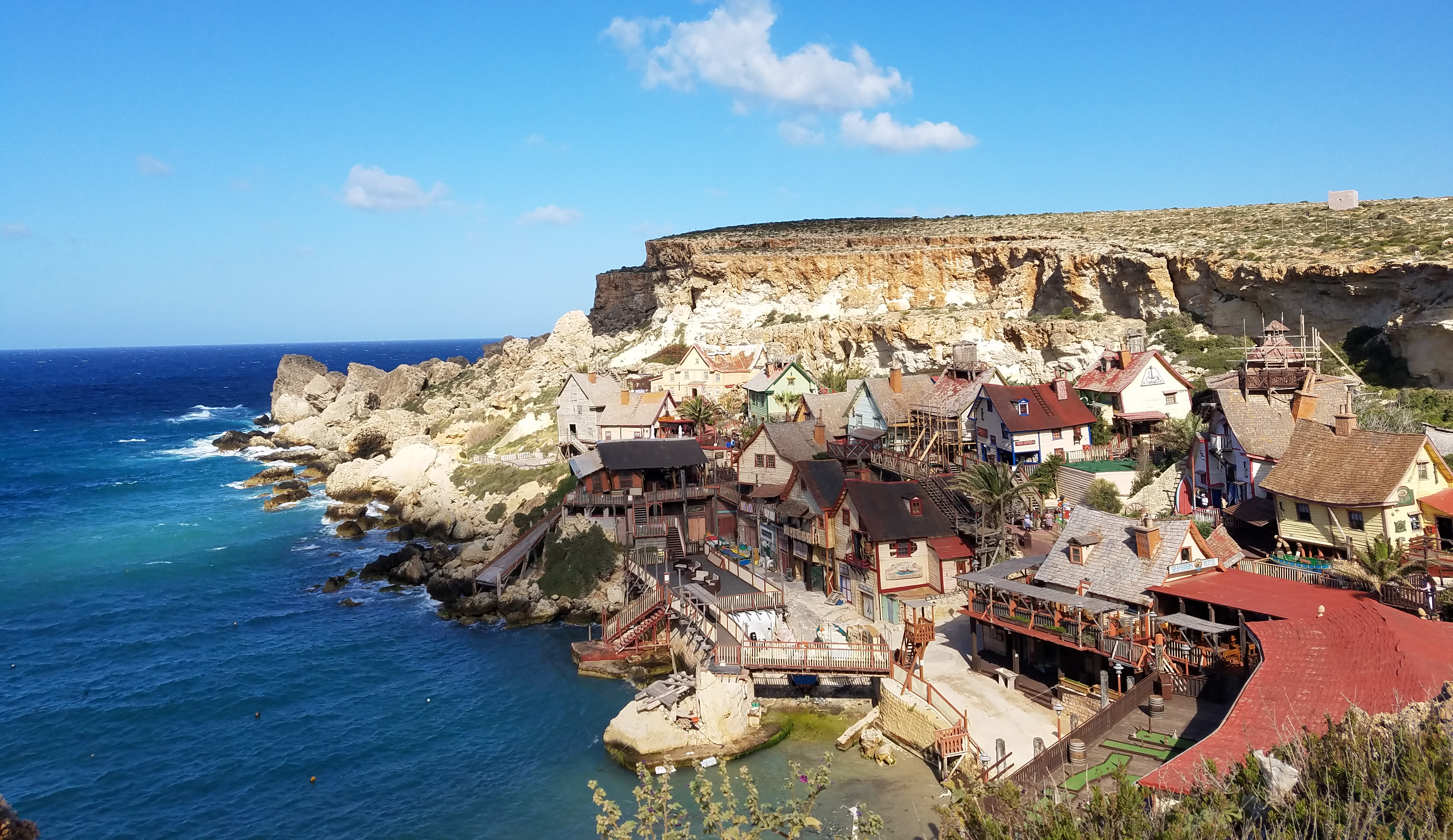
Popeye Village: Fun for families, this film set-turned-attraction is on the Island of Malta.
eat
Here are some must-try foods:

Ħobż/Ftira biż-Żejt (Open Sandwich): Similar to Italian bruschetta, this wholesome Maltese open sandwich features traditional Maltese bread spread with kunserva (a sweet tomato paste) and topped with olive oil, tomatoes, tuna, salt, and pepper. Other toppings may include capers, corn, green olives, and diced green peppers. It’s a simple yet flavorful snack, especially popular during the summer.

Pastizzi: These savory pastries are a staple of Maltese street food. Made with flaky phyllo pastry, they come in two classic fillings: ricotta cheese or mushy peas. Pastizzi are affordable and available at pastizzerias across the villages. The aroma from these little diamond-shaped delights is irresistible, making them a must-try snack in Malta.

Stuffat tal-Fenek (Rabbit Stew): Malta’s national dish, this beloved rabbit stew has historical significance dating back to the Knights of St. John. The rabbit is slow-cooked with aromatic herbs and spices, resulting in a rich and flavorful stew. It’s a true taste of Maltese tradition.

Lampuki: Also known as mahi-mahi or dolphinfish, lampuki is a seasonal delight. When in season (usually late summer and early autumn), you’ll find it in various Maltese dishes, such as lampuki pie or grilled lampuki fillets. Its firm texture and mild flavor make it a favorite among locals.

Kwareżimal: These traditional Maltese biscuits are typically enjoyed during Lent. Made with ground almonds, honey, and spices, they’re both sweet and fragrant. Kwareżimal biscuits are often shaped into rectangles and topped with powdered sugar.

Bebbux (Edible Land Snails): If you’re feeling adventurous, give bebbux a try. These edible land snails are cooked with garlic, parsley, and olive oil. They’re a delicacy enjoyed by those who appreciate unique flavors.

Bragioli (Beef Olives): Thin slices of beef are stuffed with a mixture of minced meat, garlic, parsley, and sometimes bacon. The rolls are then simmered in a tomato-based sauce until tender. Bragioli are a comforting and hearty dish.
tips
Here are some essential tips to make the most of your visit:

Choose Your Base Wisely: If you’re looking to relax and enjoy the sun, consider staying in Mellieha, where Malta’s largest sandy beach is located. For travelers who want to explore the island, both Sliema and Valletta (the capital) are excellent options. They offer easy access to public transport for day trips around Malta.

Visit Gozo and Comino: Don’t miss the chance to explore Malta’s sister islands. Gozo boasts attractions like the Citadel in Victoria, salt pans, Dwerja Bay, and Ramla Bay.
You can take cruises from Sliema, the Gozo Fast Ferry from Valletta, or join full-day tours from various locations.

Travel Timing: Visit between October and May to avoid the peak summer crowds.
Summers can be busy, so plan accordingly if you prefer a quieter experience.

Driving and Traffic: Be prepared for traffic jams, especially during peak tourist seasons.
If you rent a car, drive carefully and follow local traffic rules.

Language and Culture: English is widely spoken, so communication won’t be an issue.
Embrace the interesting mix of cultures, influenced by centuries of history and various civilizations.
 ameropasstravel.com