
Floral Paradise with French Flair
Martinique, known as the “Island of Flowers,” is a captivating gem in the Caribbean. Its lush vegetation, vibrant tropical flowers, and dense rainforests create a stunning backdrop. Crystal blue waters invite you to explore white and black sand beaches, where colorful coral reefs await snorkelers and swimmers.

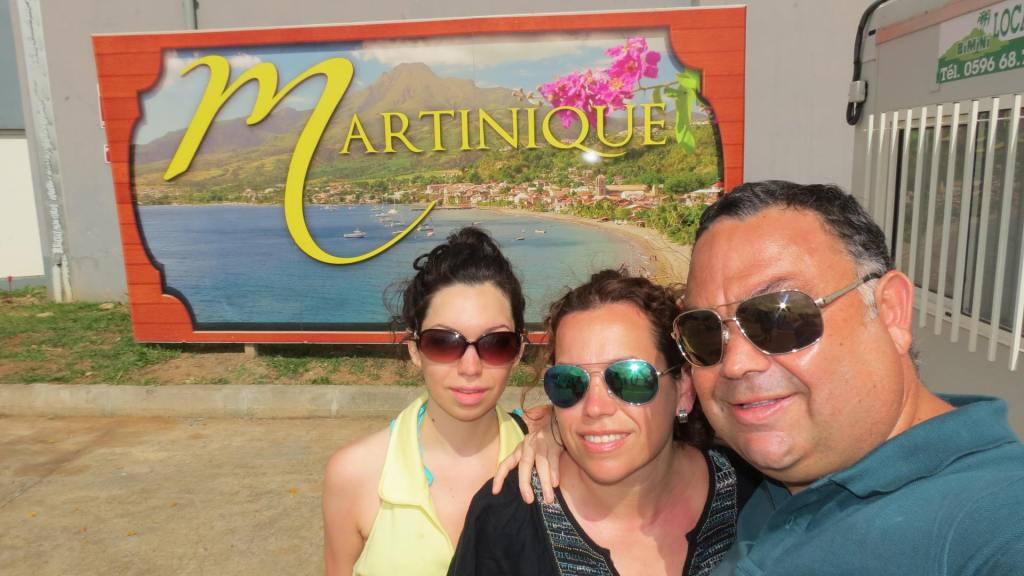
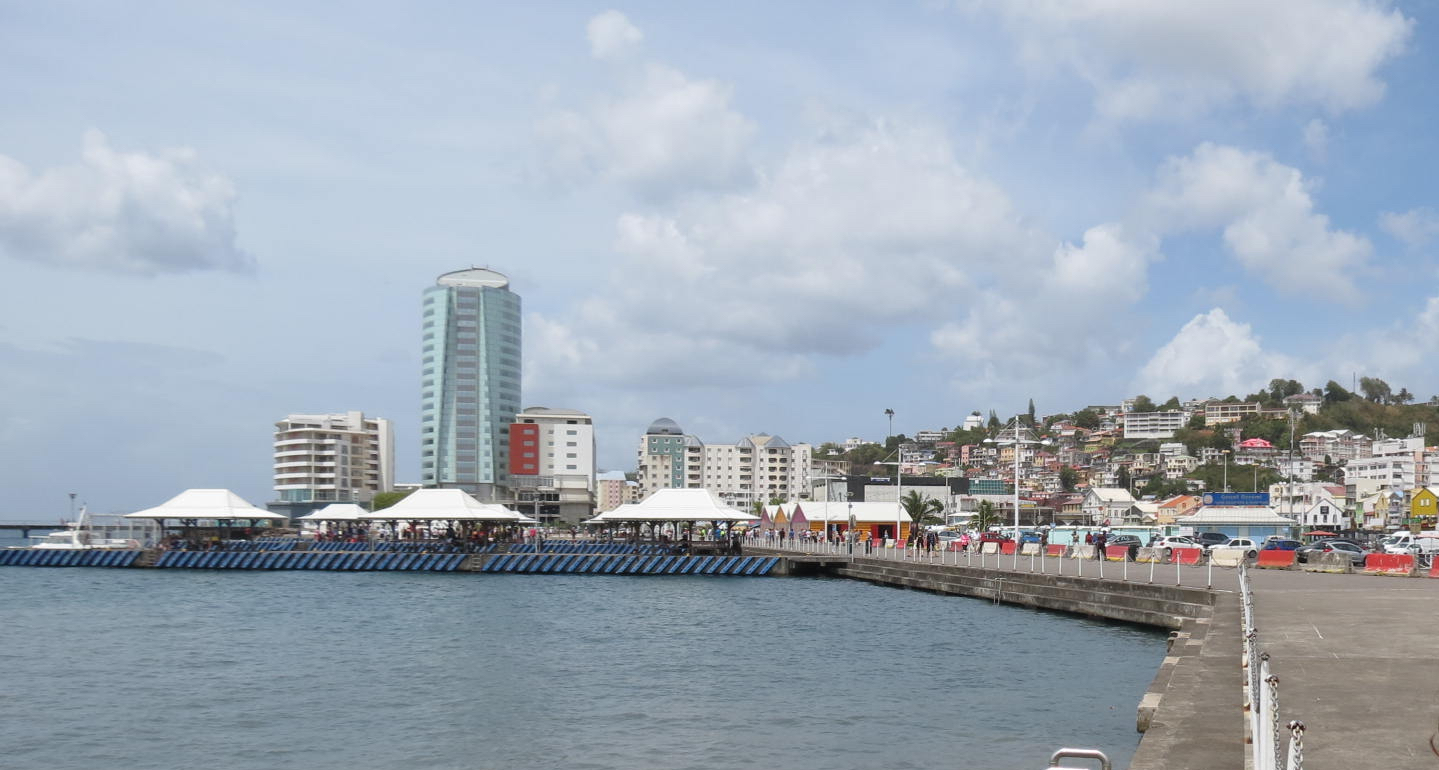
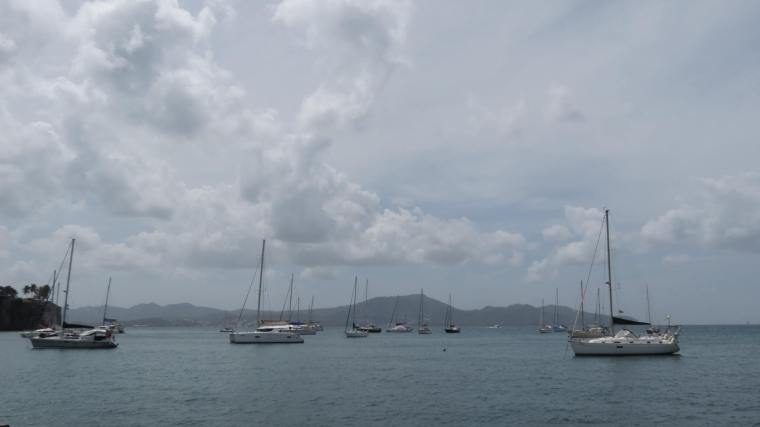
Martinique, where paradise meets French flair. Imagine soft, sun-kissed sands, turquoise waters, and hidden coves framed by lush palm trees. Explore botanical wonderlands, ascend Mount Pelée for awe-inspiring views, and savor French-Creole fusion in Fort-de-France. History echoes through colorful villages, and the Carnaval de Martinique celebrates joie de vivre. Bon voyage! P.S. Not the best pictures are featured here, but back then, I wouldn’t have known that I would need them for this blog. I’ll be back to take many more!
go
The best time to visit Martinique depends on your preferences for weather and crowd levels. However, here are some considerations based on different seasons:

Spring (March to May): Spring is a delightful time to explore Martinique. The weather is warm but not scorching, making it ideal for beach activities and outdoor adventures. The island bursts into color as flowers bloom, creating a picturesque landscape. Whether you’re snorkeling in crystal-clear waters or hiking through rainforests, spring offers a perfect blend of pleasant temperatures and natural beauty.
Fall (September to November): Fall is another excellent season to visit. The summer crowds have dissipated, and the island feels more tranquil. The weather remains warm, and you can still enjoy the beaches and water activities. Plus, fall brings the harvest season, so you’ll find an abundance of fresh tropical fruits and local delicacies to savor.
Avoid Hurricane Season: Martinique experiences hurricane season from June to November. While the chances of a direct hit are relatively low, it’s essential to stay informed about weather updates during this period. If you prefer to avoid any risk, plan your trip outside of hurricane season.
do
Here are some of the best must-do attractions:

Port Saint-Louis: Located in Fort-de-France, Fort Saint-Louis is a historic fort that dates back to the 17th century. It offers stunning views of the harbor and the city. You can explore its ramparts, learn about its history, and enjoy the picturesque surroundings.

Schoelcher Library: This architectural gem is situated in Fort-de-France as well. The Schoelcher Library was built in the late 19th century and is named after the French abolitionist Victor Schoelcher. It houses an impressive collection of books and has a unique iron structure.

Diamond Rock (Rocher du Diamant): This iconic rock formation rises dramatically from the sea near the southern coast of Martinique. It has historical significance as a former British naval base during the Napoleonic Wars. You can take boat tours to get up close and learn about its fascinating past.

Les Salines Beach (Plage des Salines): If you’re a beach lover, Les Salines is a must-visit. It’s one of the most beautiful beaches on the island, with soft white sand, crystal-clear waters, and swaying palm trees. Perfect for sunbathing, swimming, and picnicking.

Jardin de Balata: Located near Fort-de-France, this botanical garden is a lush paradise. Explore the tropical flora, including vibrant flowers, exotic plants, and towering palms. The highlight is the treetop walkway that offers stunning views of the surrounding landscape.

Mount Pelée: Adventure seekers should hike up Mount Pelée, an active volcano. The challenging trail takes you through lush rainforests, and at the summit, you’ll be rewarded with breathtaking panoramic views. Remember to check for safety advisories before attempting the hike.

Saint-Pierre: Once known as the “Paris of the Caribbean,” Saint-Pierre was devastated by the eruption of Mount Pelée in 1902. Today, it’s a charming town with remnants of its past glory. Visit the ruins, the museum, and enjoy the coastal views.
eat
Here are some must-try foods:

Boudin: A traditional blood sausage, boudin comes in two versions: boudin blanc (made from seafood like prawns, sea conch, and fish) and boudin creole (typically made with pork, pig’s blood, and various spices). During winter, it’s a popular Christmas food item. You can find fresh boudin creole at Le Barracuda, a beachside restaurant.

Chatrou (Octopus): You’ll see chatrou (octopus) on many restaurant menus. Try it as “fricassée de chatrou,” a traditional octopus stew with a blend of spices, lemon, onions, and tomatoes. Alternatively, enjoy it as “ragout de chatrou,” a rice dish with lentils, chopped yams, and beans, perfect for a quick meal on the go. La Luciole in Fort-de-France serves excellent fricassée de chatrou.

Accras de Moure: These fritters are a quick and tasty snack found all over Martinique. They’re usually filled with salt fish and fried in batter. Mama’s Snack in the Fort-de-France spice market sells delicious accras de moure for around 5 euros.

Lambis (Conch) Stew: Lambis, also known as conch or sea snail, is a seafood delicacy. Conch stew is a frequent dish, and you’ll find it throughout Caribbean cuisine. Try it at Le Bambou Restaurant Creole.
tips
Here are some essential tips to make your experience memorable:

Currency: Euros are the standard currency throughout Martinique.

Language: French is the official language of Martinique.While some locals may know English, it’s wise to practice some conversational phrases in French to explore the island more fully.

Getting Around: Consider renting a car or hiring a driver to explore the entire island. Taxis are costly, and Uber is not available. Public transport is not widely known.If you prefer not to deal with a car, staying near Fort-de-France or Pointe De Bout allows easy access to the ferry, which runs on a schedule and can take you around the island.

Cash: Some of the best places to visit are locally-owned and family-run, which may not always have credit card machines. Take out a certain amount of cash to make your trip easier, especially if you plan to explore outside tourist centers like Fort-de-France. Use ATMs at the airport for the best rates.

Sun Protection: Protect yourself from the heat and sun. Stay hydrated (drink at least 2 liters of water), wear a hat, sunglasses, and apply sunscreen regularly. Avoid lying directly on hot sand; use your towel or sarong.
 ameropasstravel.com