
Coastal Beauty, Mountain Magic
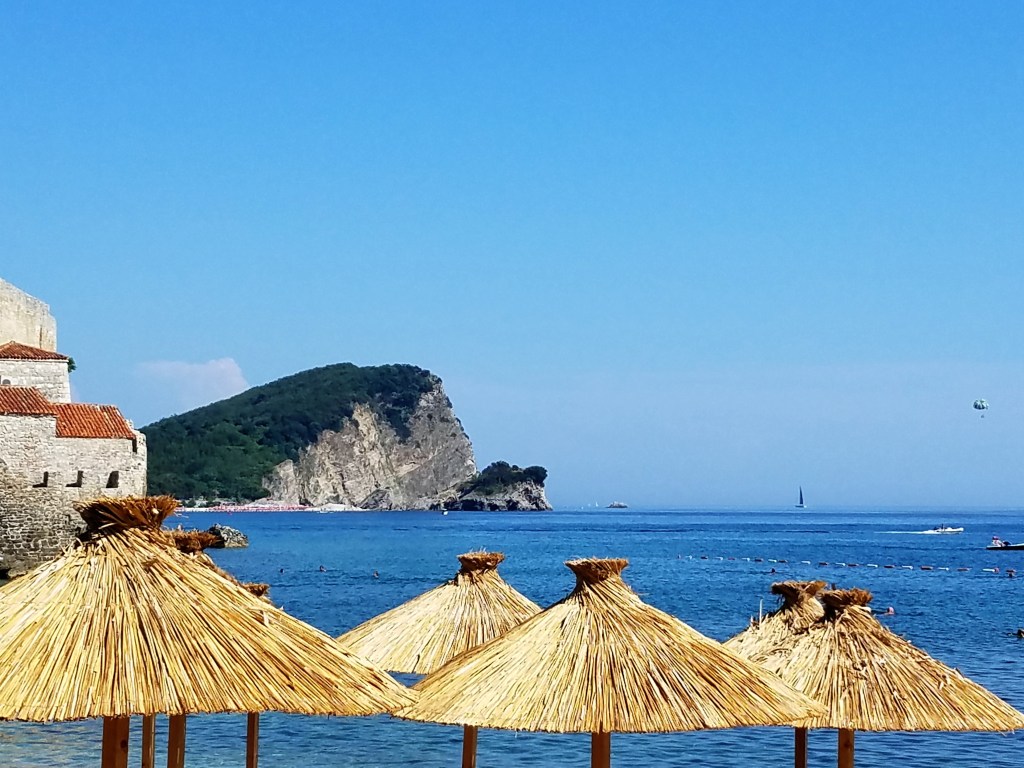
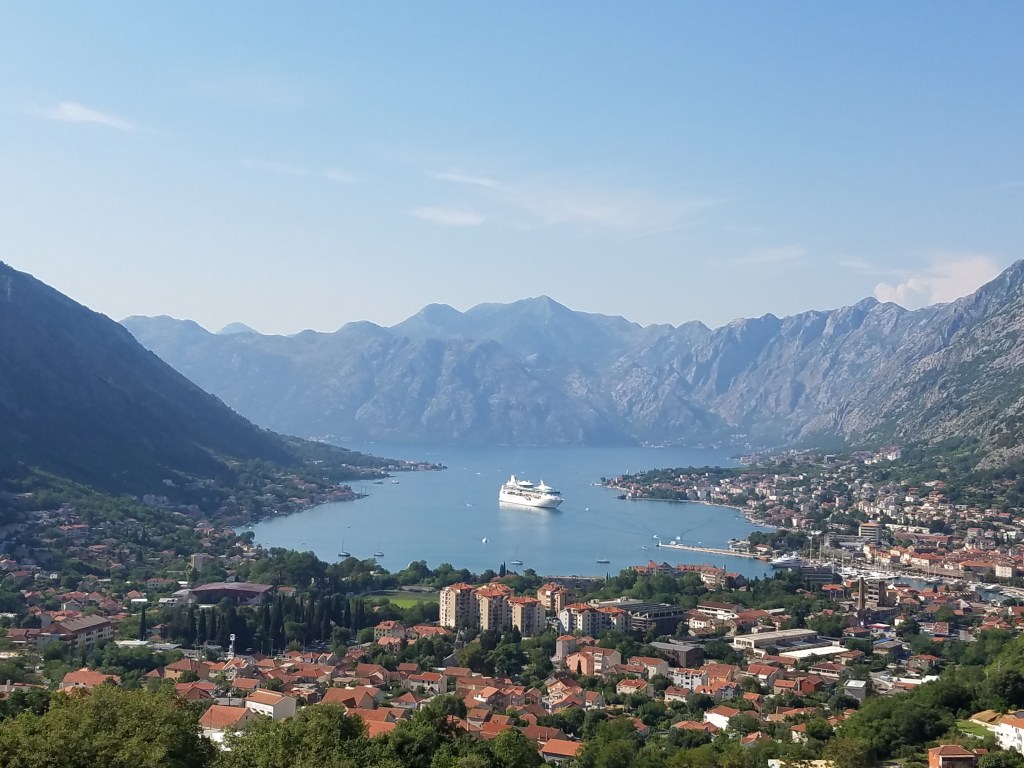
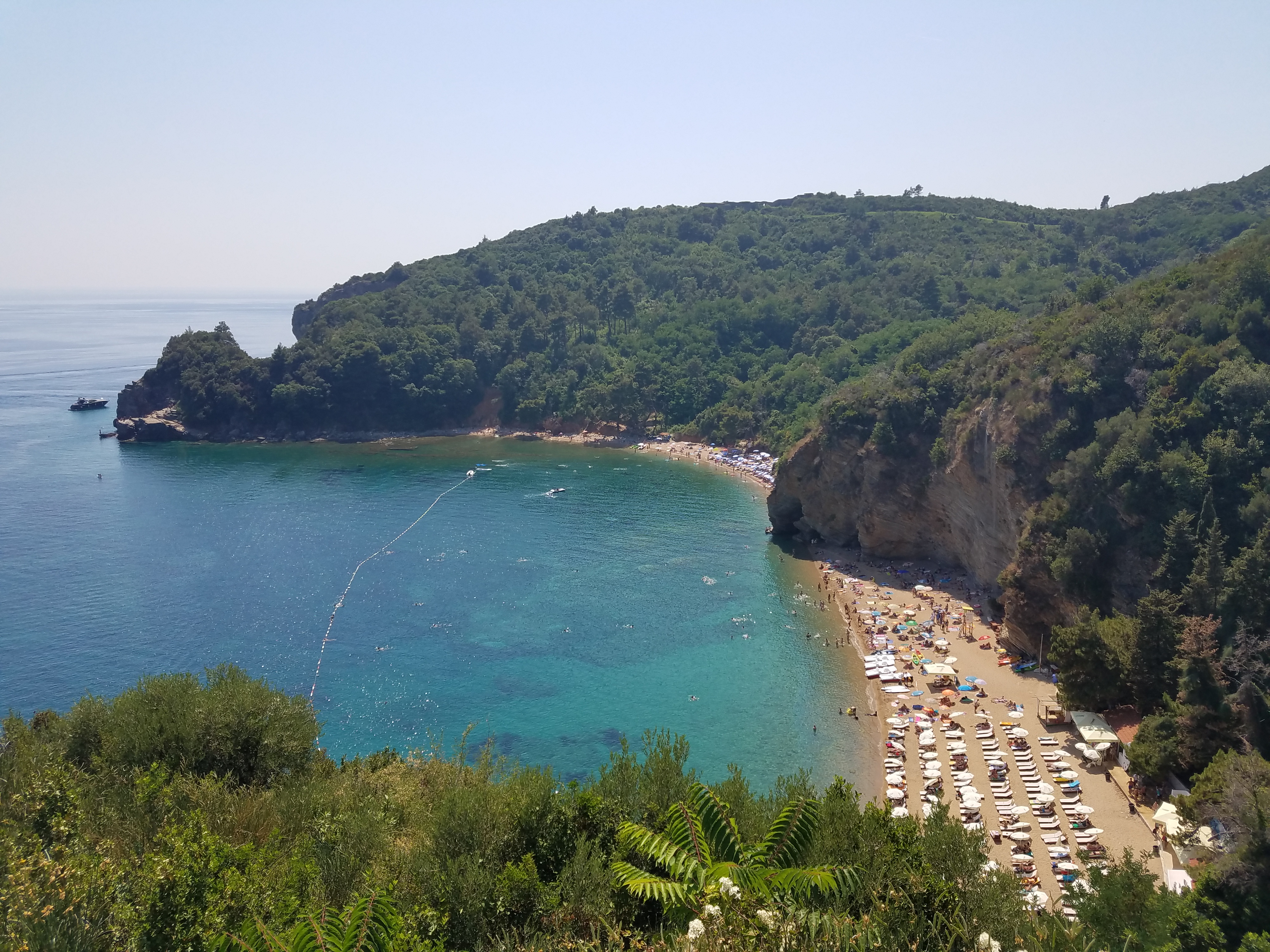
Montenegro, a hidden gem nestled in the Balkans, beckons with its rugged beauty. Imagine azure waters caressing sun-kissed beaches along the Adriatic coast. Kotor, a UNESCO World Heritage Site, enchants with its medieval charm, while Durmitor National Park boasts dramatic peaks and glacial lakes. Wander through Cetinje, the historical heart, where tales of resilience echo off ancient walls. And don’t miss Sveti Stefan, a fairytale island-hotel that graces postcards and dreams alike.

go
The best time to visit Montenegro depends on your preferences and interests. Here are some insights to help you plan your trip:

May to October: This period offers optimal weather conditions for those who enjoy beach time, sunny days, and swimming in the sea. The coastal region experiences typically Mediterranean weather during these months, with hot summers and mild winters.

July and August: While it gets very hot during these months, the beaches are also quite crowded. If you prefer a quieter experience, consider heading to the mountains during this time.

January to March: If you’re a skier, this is the ideal time to visit Montenegro. The snow sports season is in full swing, and the mountains offer excellent conditions for winter enthusiasts.

June and September: For those who can be flexible with their travel dates, June and September provide perfect weather without the peak-season crowds.
do
Here are some of the must-try attractions in Montenegro:

Kotor Old City: Explore this charming old city with beautiful churches and historic sites1.
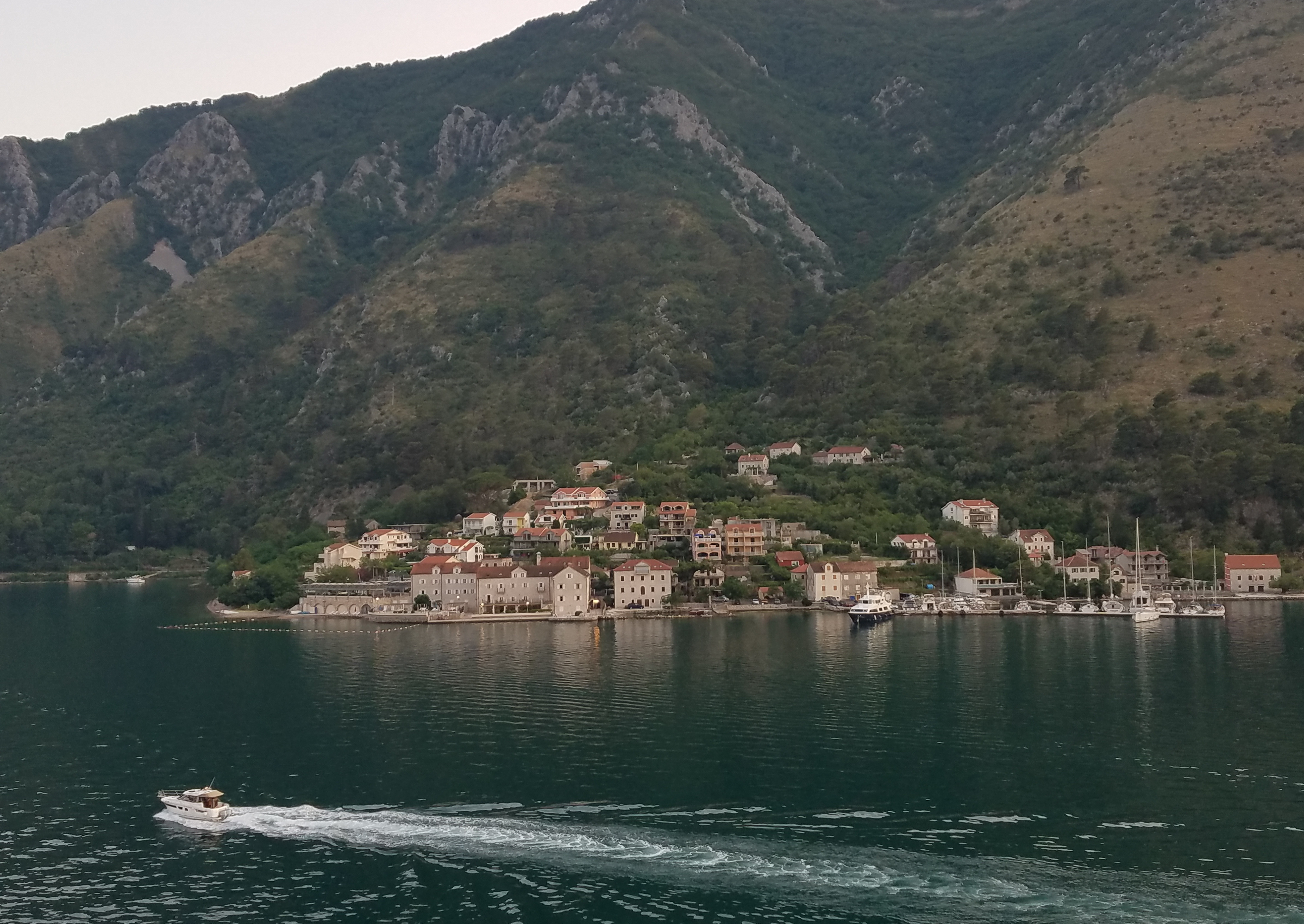
Bay of Kotor: Stroll along the picturesque waterfront and enjoy the views of the bay.

City Walls: Climb the ancient city walls for panoramic vistas of Kotor.

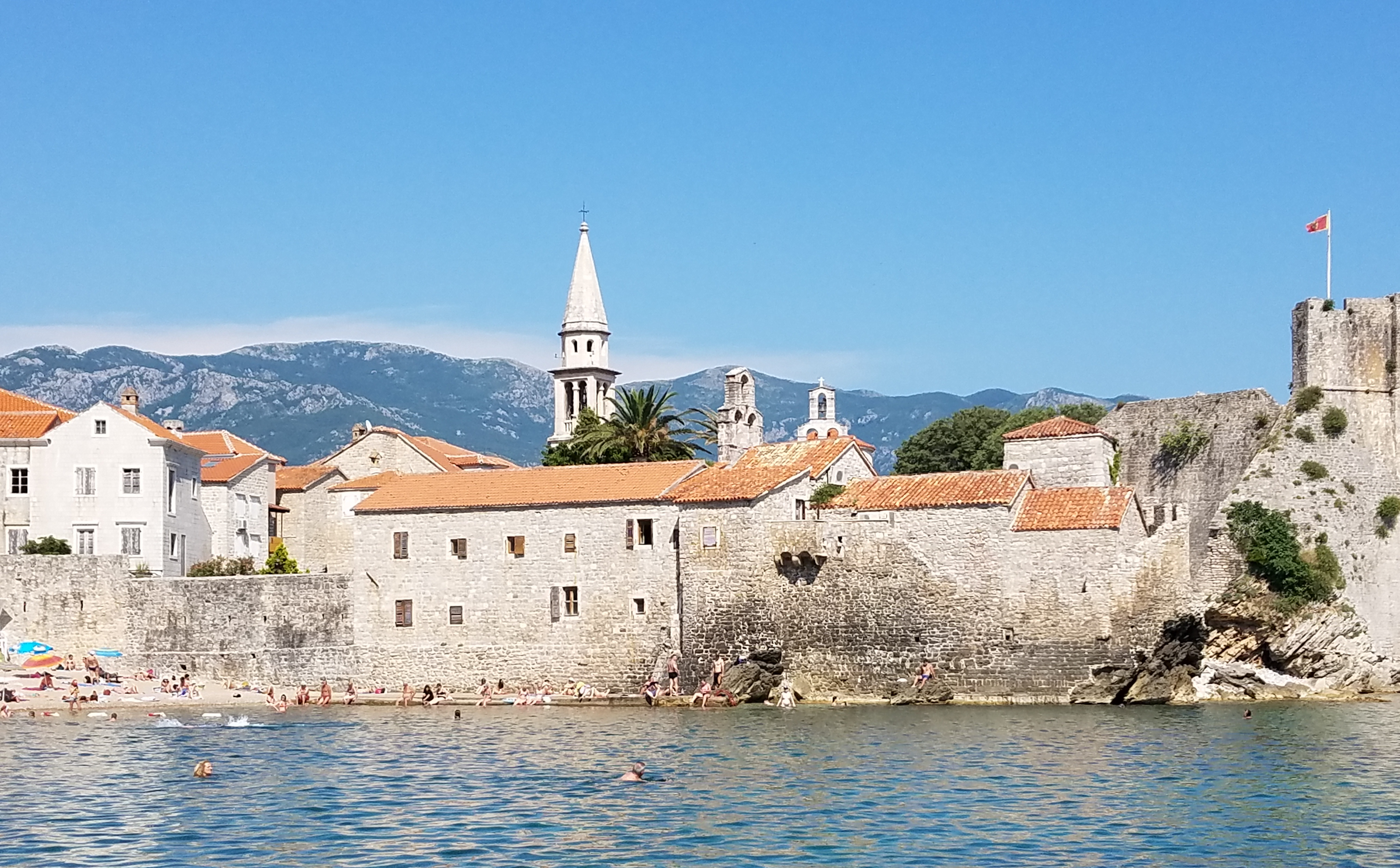
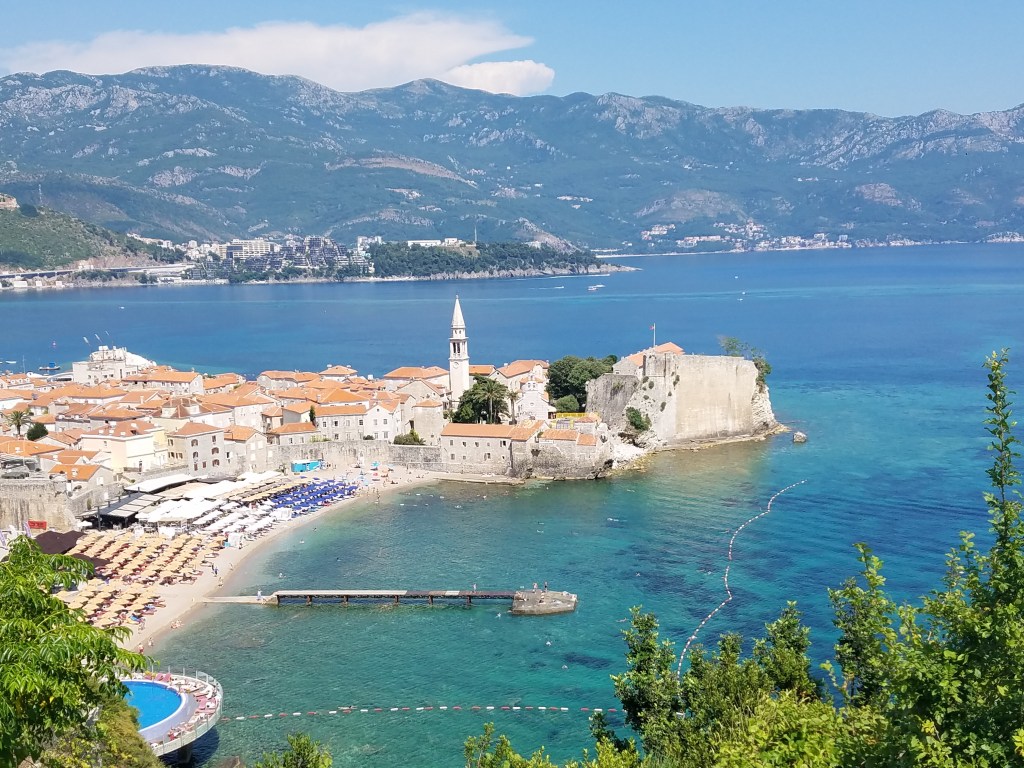
Altstadt (Old Town) Budva: Wander through narrow streets, palaces, and churches in this fortress town.

Lipa Cave: Discover the impressive 2.5 km-long cave system near Cetinje.
eat
Here are some traditional Montenegrin dishes you must try:

Njegusi Prosciutto: Originating from Njegusi village, this prosciutto is a delicacy. Whole pig hind legs are salted, dried, and smoked for four months. It’s often served thinly sliced with local cheese or cooked with cabbage.

Njeguski Steak: A Montenegrin classic, this steak features veal or pork schnitzel filled with Njegusi prosciutto and cheese. The best versions come with a generous dollop of melting kajmak, a local cream cheese.

Buzara: Loved by coastal Montenegrins, buzara is a seafood dish. Shellfish, prawns, and shrimps are cooked in either a red or white sauce. The white sauce, considered an art form, is made with white wine.

Ispod Saca: This Balkan version of a Sunday roast involves slow-roasting meat (usually veal, lamb, or goat) with potatoes, carrots, onions, and a pinch of paprika under a metal dome covered with coals. The result is tender meat and succulent vegetables.

Black Risotto: A coastal specialty, black risotto gets its color from cuttlefish ink. It’s flavored with white wine, bay, garlic, and nutmeg. Just be prepared for black teeth after enjoying this dish.

Montenegrin Lamb in Milk: Found only in northern Montenegro, this traditional dish features lamb slow-cooked in milk. It’s a hearty and flavorful option.
tips
Here are some essential tips to make the most of your visit:

Driving is the Best Way to See Montenegro: Renting a car is highly recommended. It allows you to explore the country at your own pace and discover hidden gems. Book your car well in advance if you’re traveling during the summer season.

Accommodation Tips: Consider staying at guesthouses or homestays for an authentic local experience. If you’re visiting popular locations, book your accommodation well ahead, especially during the summer months. Look for accommodations with parking if you’re staying along the Adriatic coast or in Kotor Bay.

Explore Beyond Kotor Bay: While Kotor Bay is stunning, don’t limit yourself to just this area. Montenegro has much more to offer. Visit the mountains, lakes, and canyons. Explore the five national parks, each with its unique beauty. Don’t miss a boat ride on Lake Skadar, the largest lake in the Balkans. Consider a visit to Sveti Stefan for its picturesque views from a distance, and explore Ulcinj for sandy beaches and an off-the-beaten-path experience.

Cost and Payment: Inland areas tend to be more budget-friendly than coastal regions.
Bank cards are widely accepted, but it’s still a good idea to carry some cash.

Safety and Practical Tips: Get to know the place where you’ll stay and check the weather forecast in advance. Use marked trails and roads, wear appropriate clothing and sturdy footwear. Always carry enough water, charged mobile phones, and flashlights with spare batteries.
 ameropasstravel.com