
Pagodas, Landscapes, and Culture
Myanmar, also known as Burma, is an unexplored gem in Southeast Asia. From the snow-covered rugged Himalayas in the north to the pristine deep blue waters in the south, Myanmar offers a diverse range of natural beauty. Travelers can explore ancient pagodas, vibrant festivals, and a rich culinary scene. Don’t miss destinations like Bagan, Mandalay, Inle Lake, Yangon, and Nay Pyi Taw.
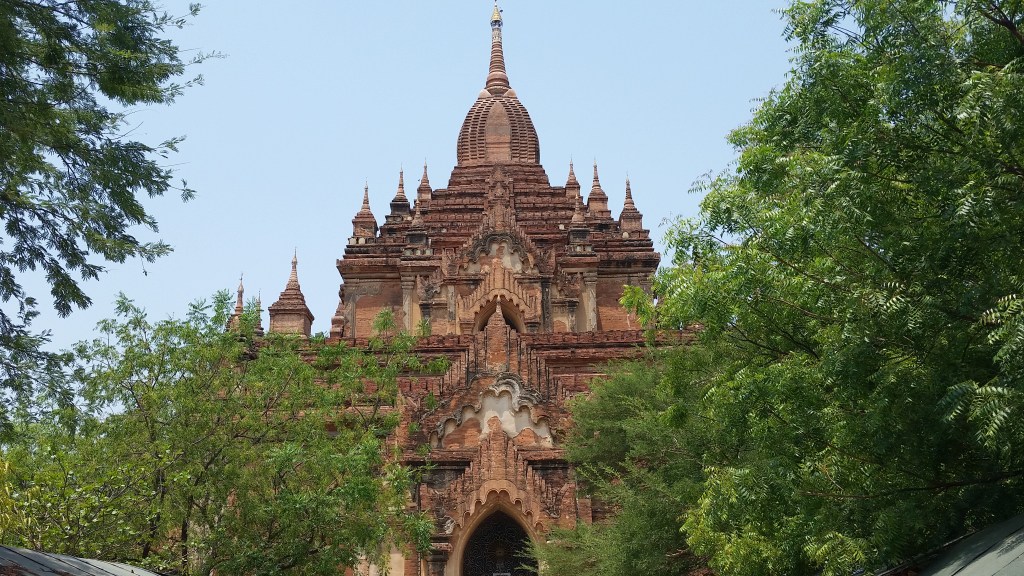
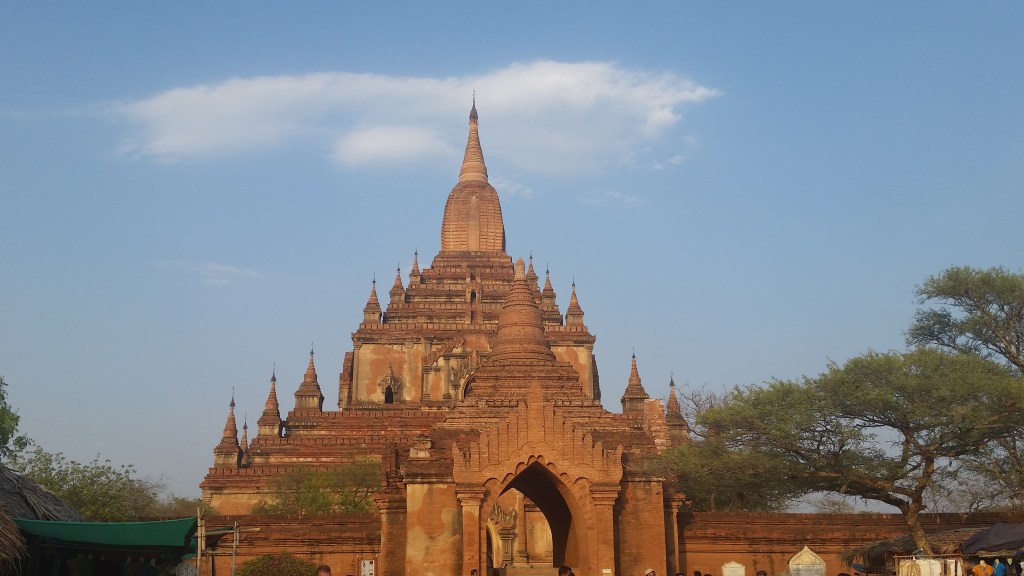

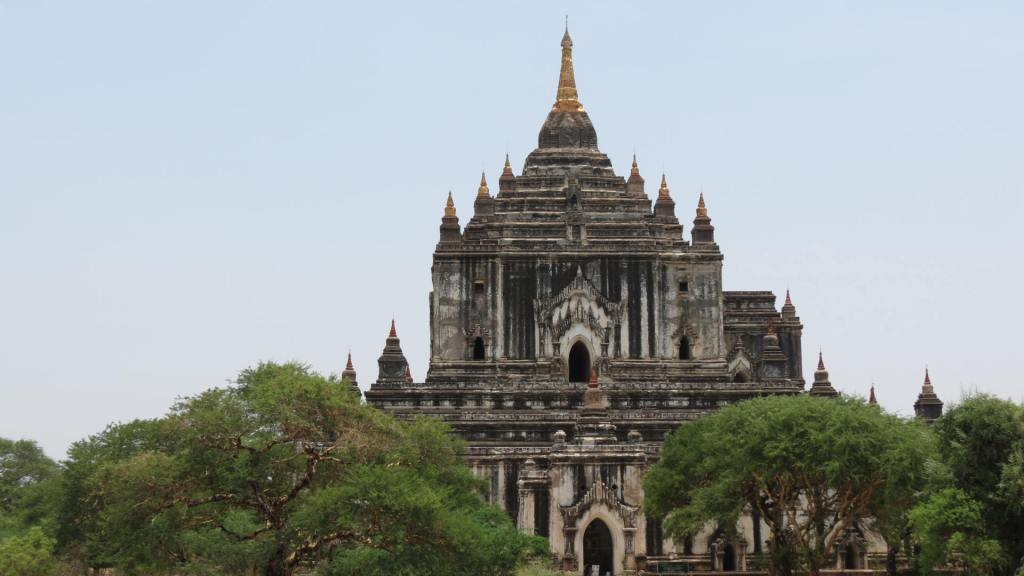
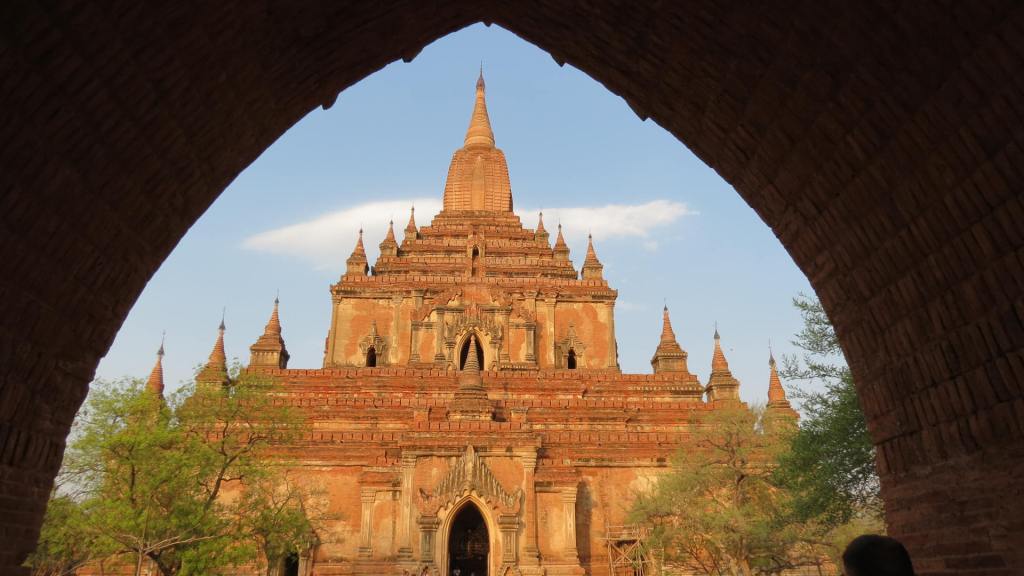
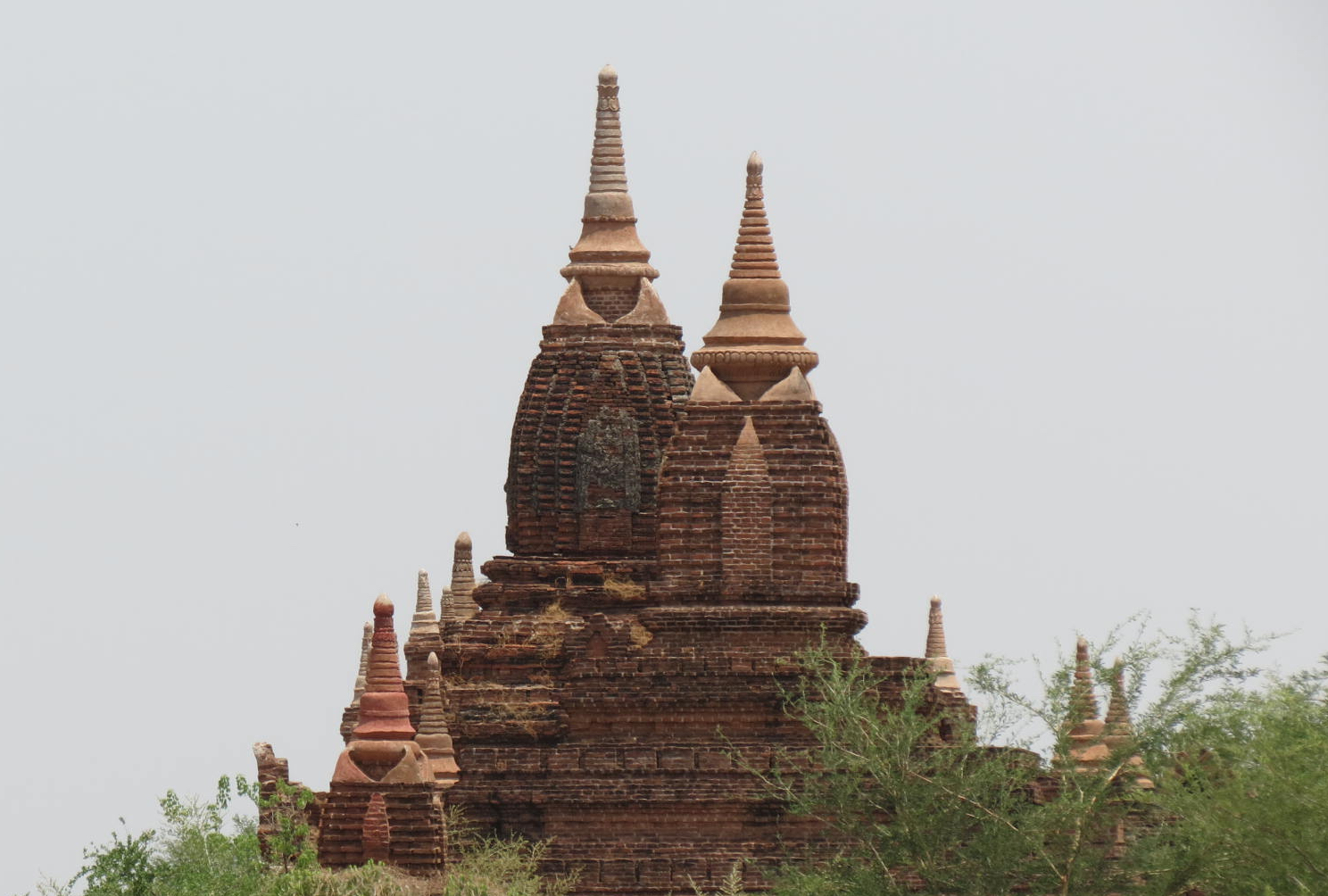
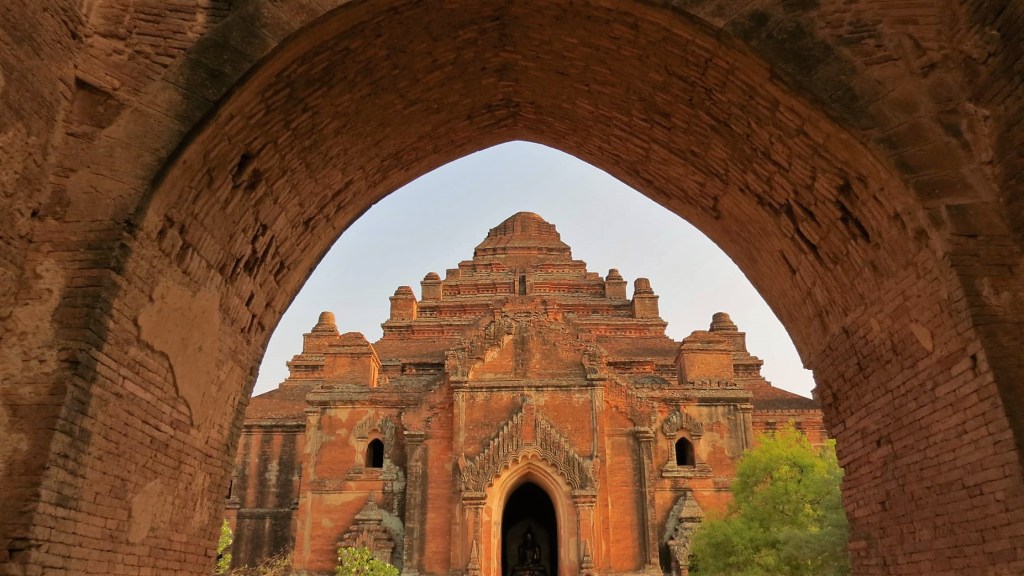
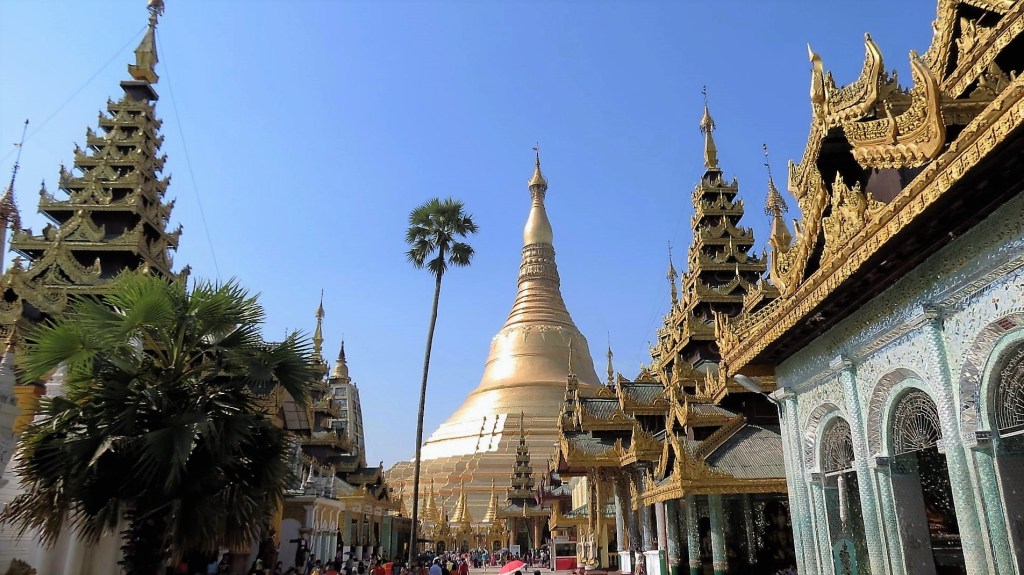
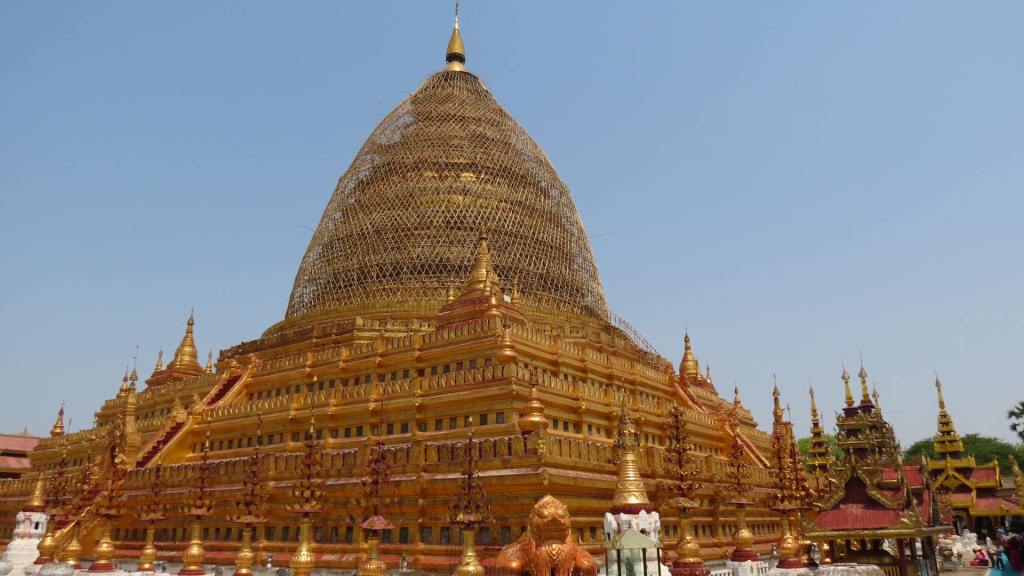
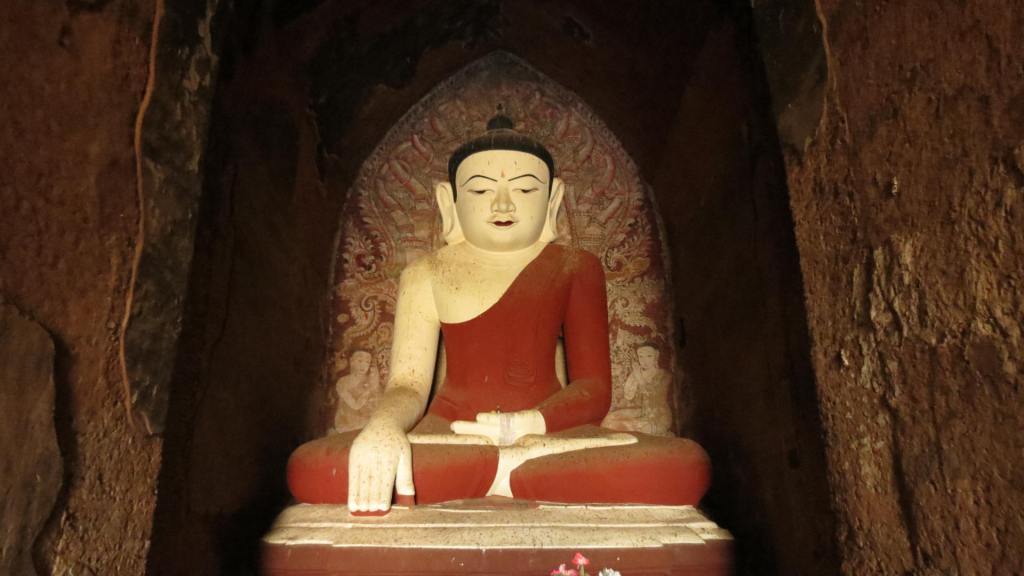
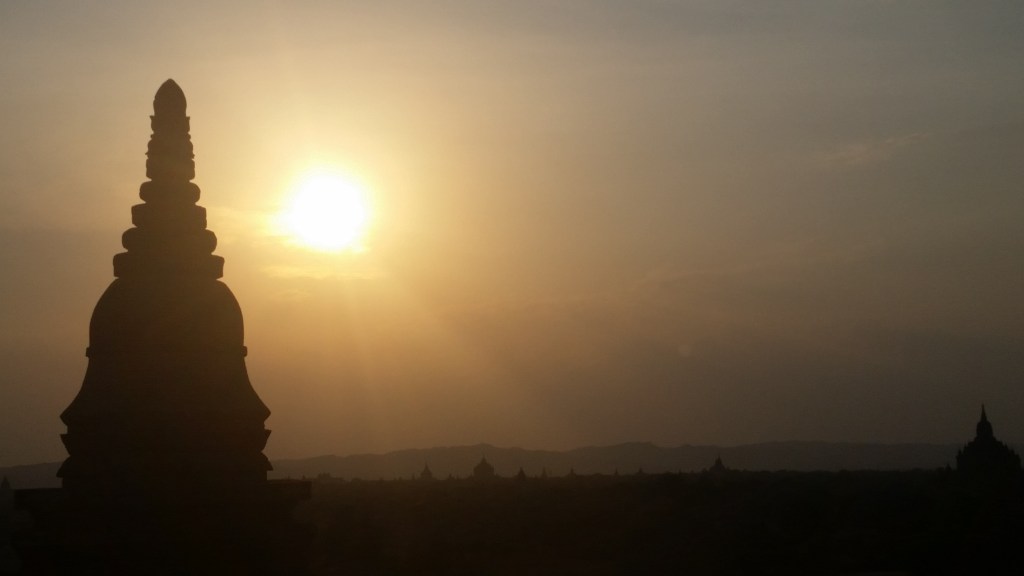
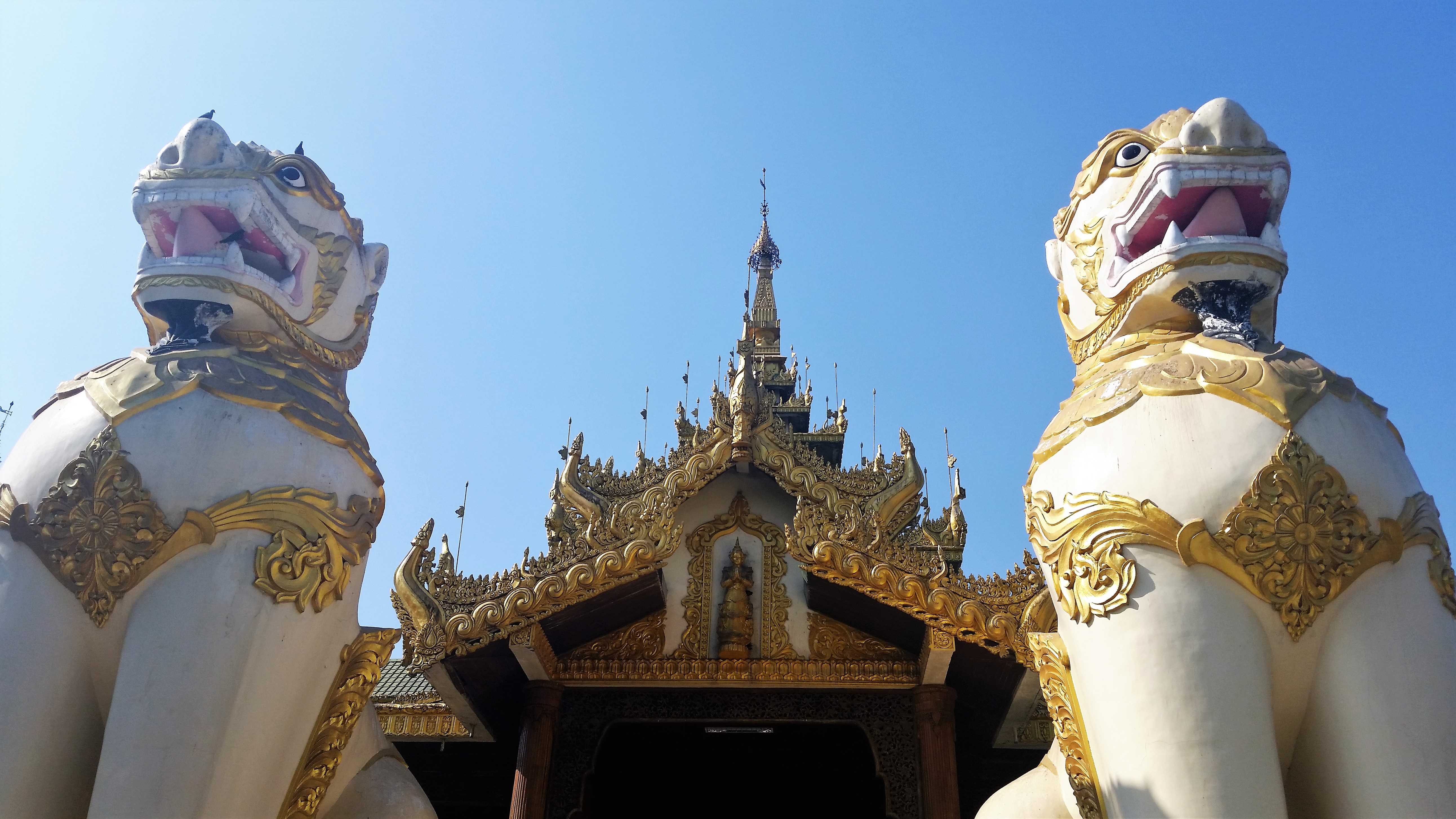

They are often referred to as “zedis” in the Burmese language. Pagodas are considered sacred and are central to Buddhist practice
go
Here’s a concise summary for the best time to visit Myanmar:

December to February: Colder months with dry weather. Ideal for exploring Myanmar’s attractions.
Late October: Fewer crowds, but a mix of rainy and sunny days.
March and April: Hottest months; temperatures can reach 98°F (37°C).
Monsoon Season (April to July): Heavy rain, but still enjoyable if you’re flexible.
January: Optimal weather with minimal rainfall.
do
Here are some must-do tourist attractions:

Mandalay Hill: Located in Mandalay, this iconic hill offers breathtaking panoramic views of the city and the Irrawaddy River. Don’t miss the opportunity to visit the Shwe Kyi Myin Pagoda at the summit.

Inle Lake: Situated in Shan State, Inle Lake is famous for its unique floating villages, stilt houses, and leg-rowing fishermen. Explore the serene waters, visit local markets, and witness the traditional way of life here.

Bagan: Known for its ancient temples and pagodas, Bagan is a UNESCO World Heritage Site. Rent an e-bike or take a hot air balloon ride to admire the stunning sunrise and sunset views over the temple-studded plains. Key temples include the Ananda Temple, Bagan Archaeological Museum, and Htilominlo Pahto.

Yangon: Myanmar’s largest city is home to the Shwedagon Pagoda, a magnificent golden stupa that dominates the skyline. Explore the bustling streets, visit the National Museum of Myanmar, and enjoy the scenic Inya Lake and Kandawgyi Lake.
eat
Here are a few must-try foods from Burmese cuisine:

Nan Gyi Thoke: Also known as Mandalay Mont Di, this hearty warm salad features fat rice noodles, chicken or beef curry, chili oil, toasted chickpea powder, coriander, and sliced shallots.

Burmese Tofu: Made from chickpeas (unlike the more standard soy-based tofu), Burmese tofu can be enjoyed as crispy fritters (tohu kyaw), sliced in a salad (tohu thoke) with a tangy dressing, or served warm and molten (tohu nway) over spicy noodles.

Mohinga: Myanmar’s national dish, Mohinga is a herb-based, lemongrass-infused rice noodle soup. It’s often eaten for breakfast and includes crispy split-pea fritters, soft-boiled duck eggs, and fishcakes.

Tea Leaf Salad (Lahpet Thoke): A unique and flavorful salad made with fermented tea leaves, fried garlic, peanuts, sesame seeds, and other ingredients. It’s a delightful mix of textures and tastes.

Shan Noodle (Shan Khao Swè): Originating from the Shan State, this dish features rice noodles served in a savory broth with your choice of toppings like chicken, pork, or tofu.

Burmese Curry: Whether it’s chicken, lamb, shrimp, or vegetables, Burmese curries are rich, flavorful, and often accompanied by rice or noodles.

Mone Lone Yay Paw: These sweet and savory coconut pancakes are a popular street food, perfect for satisfying your sweet tooth.
tips
Here are some useful tips to keep in mind:

Currency: The currency in Myanmar is the kyat (ISO 4217 code MMK). It’s officially recognized by the Myanmar government, and you can use it for all financial transactions within the country.

Tourism Infrastructure: While tourism is booming, the infrastructure is still developing. Book accommodations in advance, especially during peak seasons.

Cash: Carry cash (preferably US dollars) as credit cards are not widely accepted. Exchange money at official exchange counters or banks.

Dress Code for Temples: When visiting temples, dress modestly. Cover your shoulders and knees, and remove your shoes before entering.

Local SIM Card: Purchase a local SIM card for mobile data and communication. It’s affordable and convenient.

Talk to Locals: Engage with the friendly Burmese people. Learn about their culture, customs, and stories.
 ameropasstravel.com