
Stark, Wild, and Awe-Inspiring
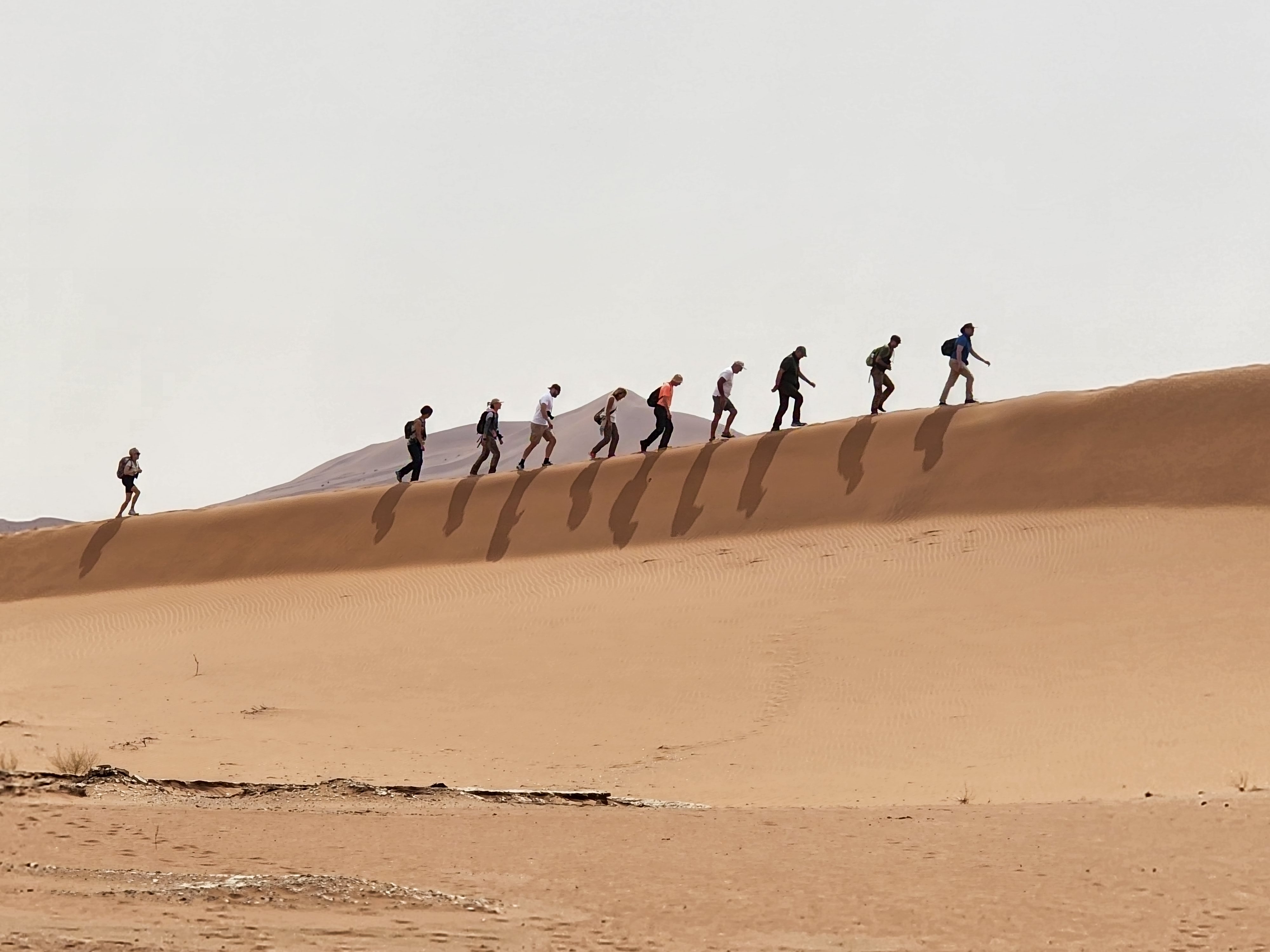
Namibia, a perfect starting point for beginner travelers to Africa, offers awe-inspiring natural wonders. Its vastness will make you feel small, and Mother Nature’s finest achievements await. Explore Etosha National Park for incredible wildlife encounters, including black rhinos, elephants, and majestic big cats. Interact with traditional tribespeople, surf the dunes, and unwind in Swakopmund with coffee and cake.
go
The best time to visit Namibia is from May to September. During this dry season, you can expect mild daytime temperatures and clear, sunny skies, making it ideal for African safaris. If you’re planning a trip, consider these months for an unforgettable experience!
do
Here are some must-do attractions:

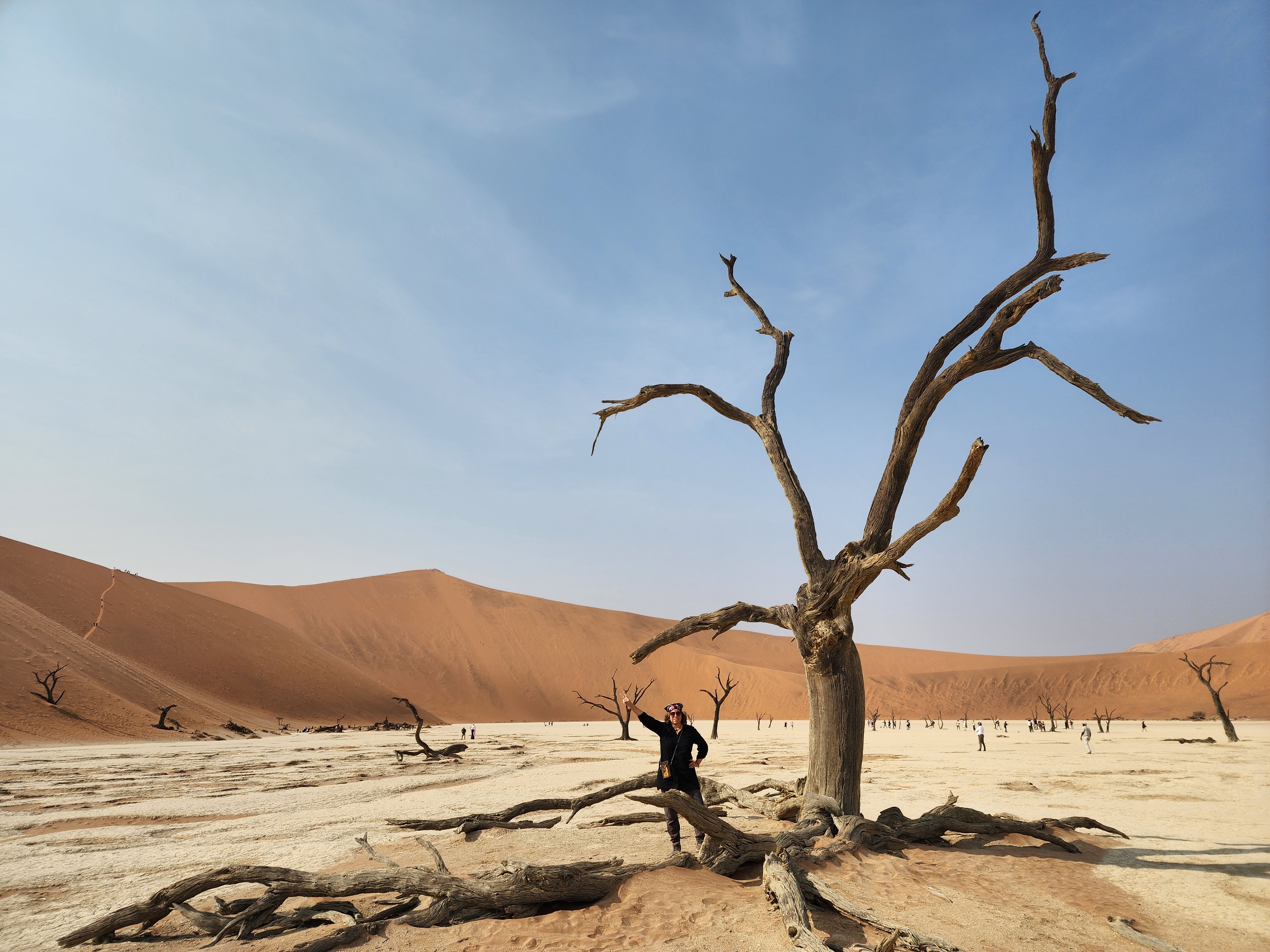
Deadvlei: Located within the Namib-Naukluft National Park, Deadvlei is an otherworldly pan surrounded by towering red sand dunes. The stark contrast of the dead camel thorn trees against the orange sands creates a surreal and hauntingly beautiful scene. It’s a must-visit for photographers and nature enthusiasts.

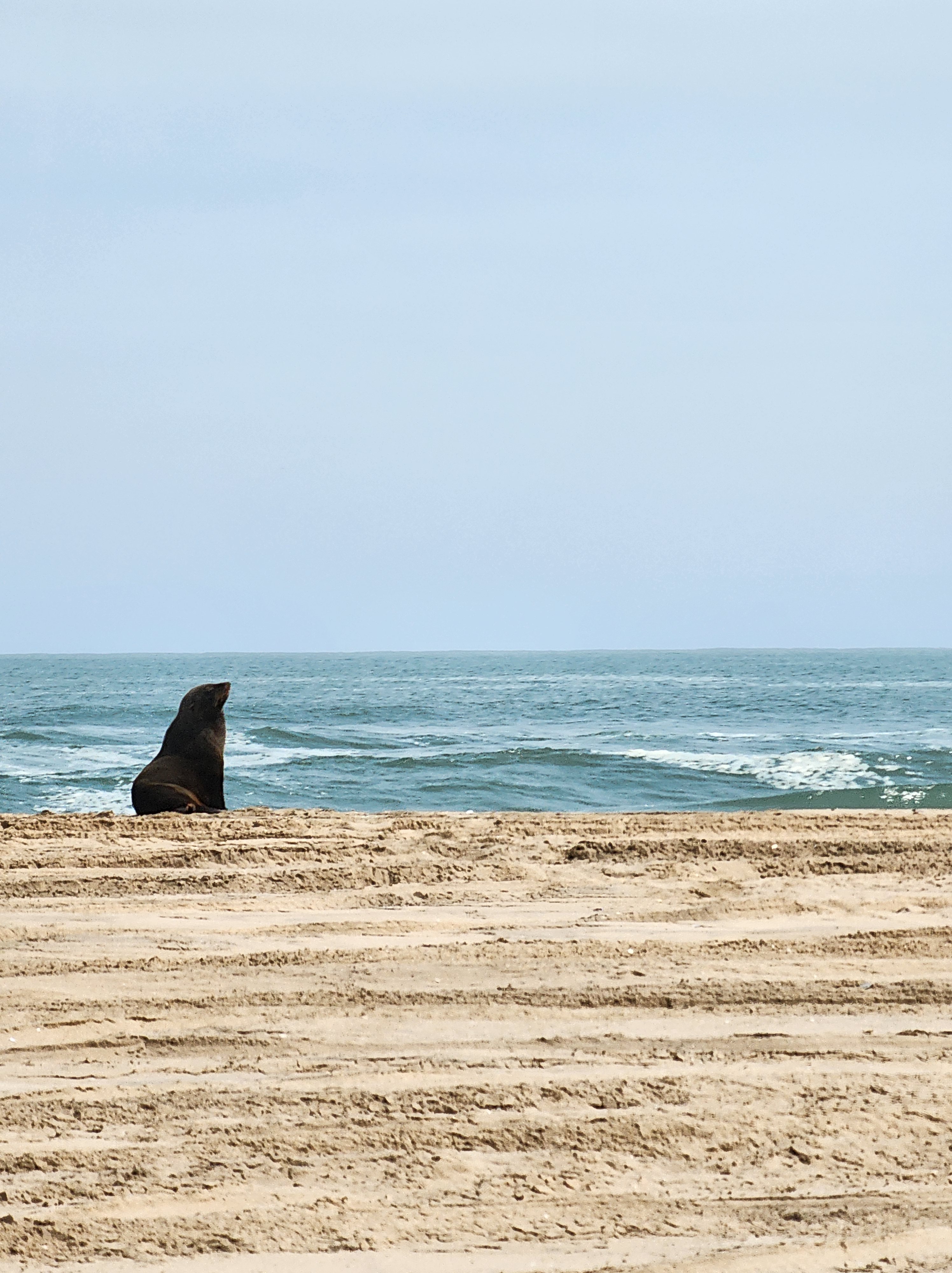
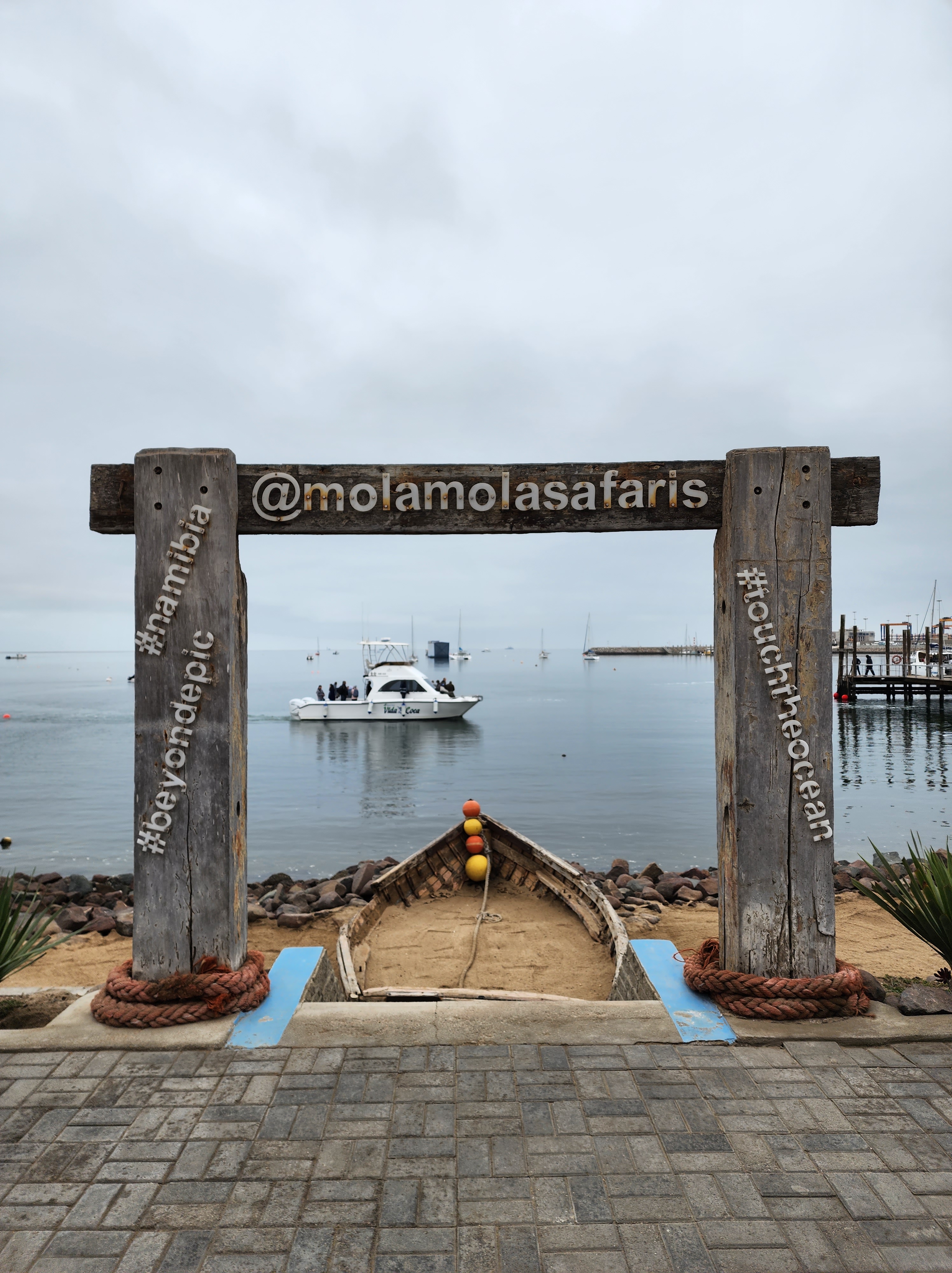
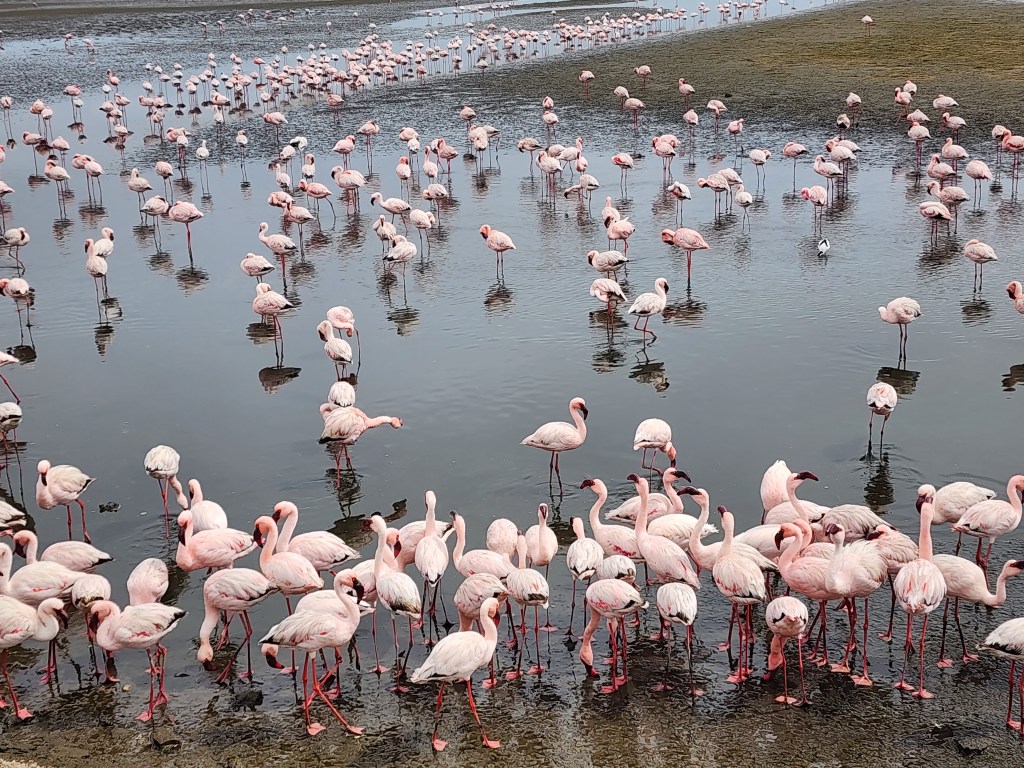
Walvis Bay Waterfront: Walvis Bay, situated on the Atlantic coast, offers a picturesque waterfront area. You can explore the harbor, enjoy fresh seafood, and take boat tours to see dolphins, seals, and pelicans. Don’t miss the chance to witness flamingos in the nearby lagoon.

Swakopmund: This coastal city, founded by German colonists, has a unique blend of African and European influences. Stroll through its charming streets, visit the National Marine Aquarium, and indulge in delicious German-inspired cuisine. Swakopmund is also a hub for adventure activities like sandboarding and quad biking.

Windhoek: Namibia’s capital city, Windhoek, offers a mix of modern amenities and historical sites. Explore the Parliament Gardens, learn about Namibia’s past at the National Museum, and admire the iconic Christuskirche (Christ Church).
eat
Here are some must-try traditional dishes:

Oshithima (Maize or Mahangu Pap): A gluten-free porridge made from pearl millet flour, often served with stews like spinach, vegetable, or beef stew.

Oodhingu (Dried Meat): Sun-dried strips of goat, beef, or game meat, seasoned with salt and enjoyed as a snack or in stews.

Omboga (Dried Wild Spinach): Wild spinach boiled, dried, and cooked with cherry tomatoes, butter oil, and chili.

Omagungu (Mopane Worm): Adventurous eaters can try these protein-rich worms, often cooked over an open fire.

Additionally, explore kapana (grilled meat skewers) and vetkoek (fried dough bread) for a taste of Namibian street food!
tips
Here are some essential travel tips to keep in mind:

Currency: The currency in Namibia is the Namibian dollar (NAD). While ZAR is still widely accepted, the Namibian dollar is used for all financial transactions within Namibia. Remember to carry enough cash for places that don’t accept cards, especially for park entrance fees and tips. Euro, British Pounds, US Dollars, and other major currencies can also be traded locally or exchanged in advance.

Self-Driving: Rent a vehicle and explore Namibia on your own. The vast landscapes and distances are best experienced with your own set of wheels. Stick to safe driving practices and be prepared for flat tires or getting stuck in soft sand.

Long Distances: Namibia is larger than it seems. Plan for longer travel times, and don’t underestimate the distances between attractions.

Sun Protection: The sun can be intense. Stay hydrated, wear sunscreen, and protect your skin from UV rays.

Visit Etosha National Park: For incredible wildlife viewing, visit Etosha at the end of your trip (if following a north-bound itinerary).

Drive Safely: Avoid driving too fast and never drive in the dark. Corrugated roads and soft sand can be challenging.

International Driver’s License: Check if you need one before driving in Namibia.

Rent a 4x4: Many roads are gravel or sand, so a 4x4 vehicle is recommended.

Full Insurance: Take full insurance coverage for your rental car.
 ameropasstravel.com