
Majestic Mountains, Serene Spirituality
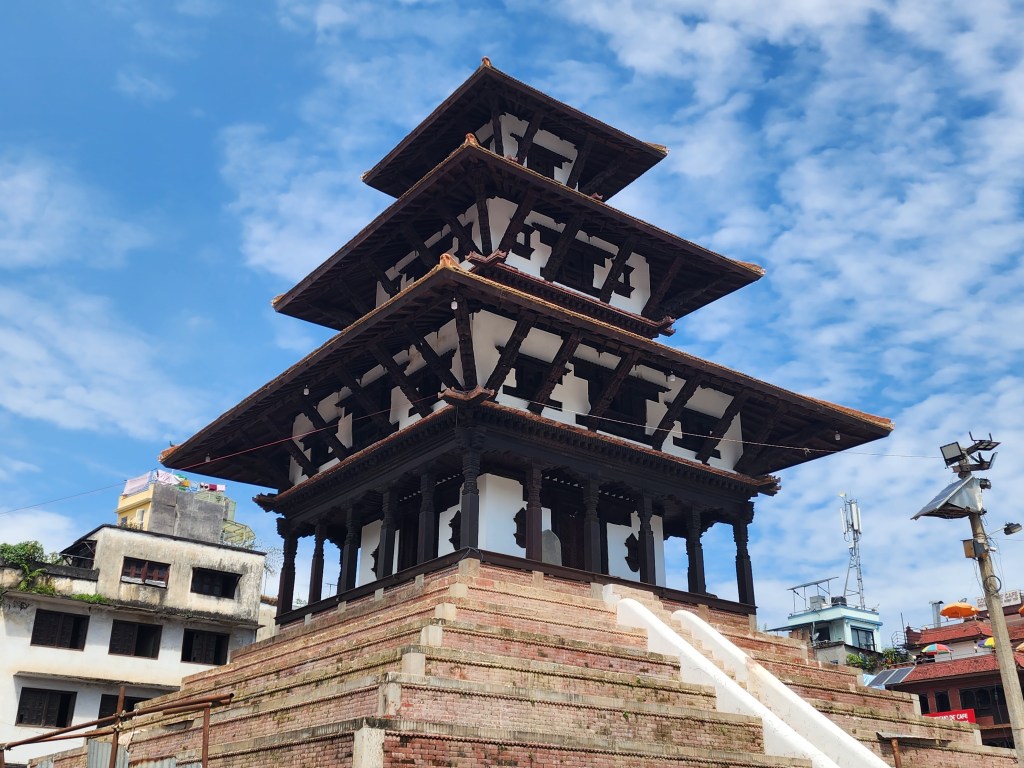
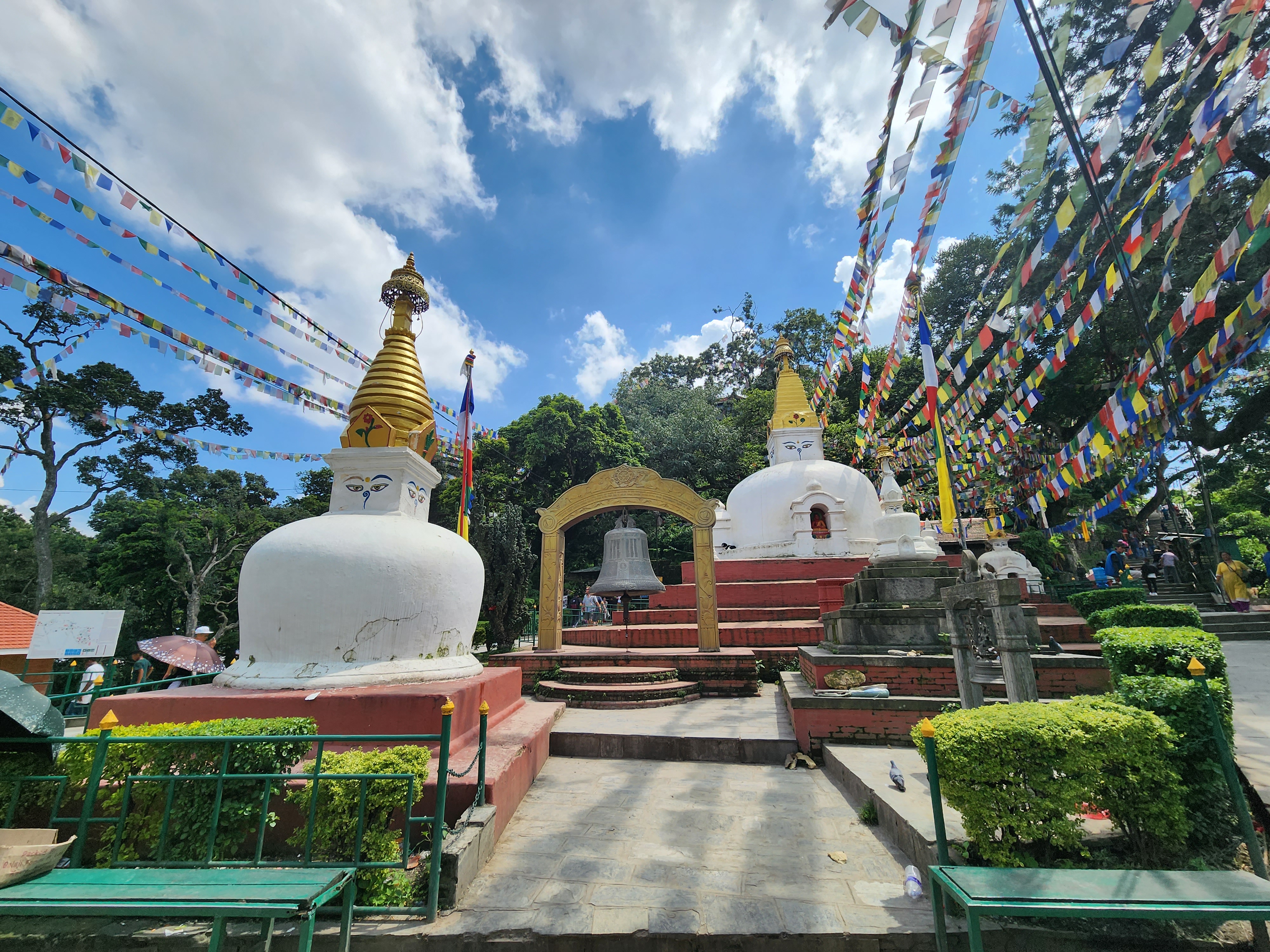
In Nepal, prayer flags flutter against towering peaks, creating a magical atmosphere. The spiritual energy resonates through ancient temples, monasteries, and the calm eyes of meditating monks. Mountains, forests, and rivers form an adventurous tapestry, inviting trekkers and seekers. Time slows down in Nepal, allowing travelers to embrace ancient rituals, yak-butter lamps, and the Himalayan whispers. Whether seeking inner awakening or nature’s majesty.
go
The best time to visit Nepal is between October and February. During this period, the weather is perfect for hiking, climbing, and festivals. You’ll experience dry conditions, mild temperatures, and minimal rainfall, making it ideal for outdoor adventures and wildlife safaris.
If you’re interested in wildlife viewing, late January and February are especially great, with clear views and accessible national parks1. Another beautiful season is spring (March to May) when the rhododendrons are in bloom.
Keep in mind that January and February can be quite cold, especially at night, with average temperatures of around 43°F3. So, plan your trip accordingly!
do
Here are some must-do attractions:

Kathmandu, the capital and largest city of Nepal, is a unique blend of ancient history and bustling modern life. Despite the damage caused by the 2015 earthquake, it remains a captivating destination.
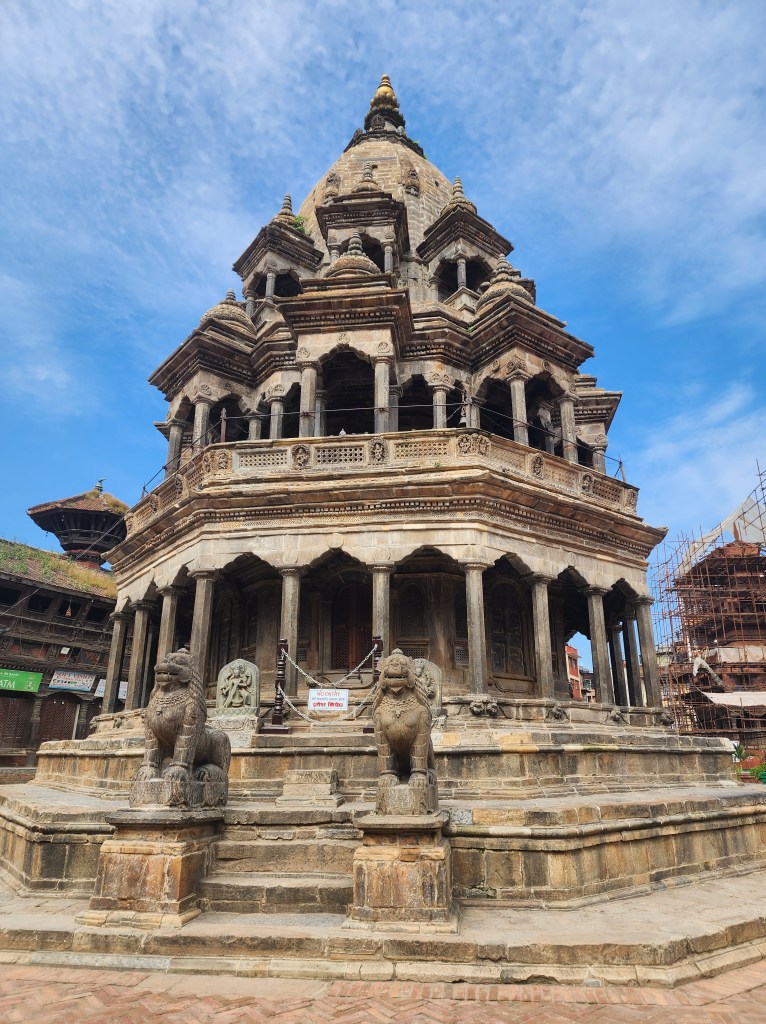
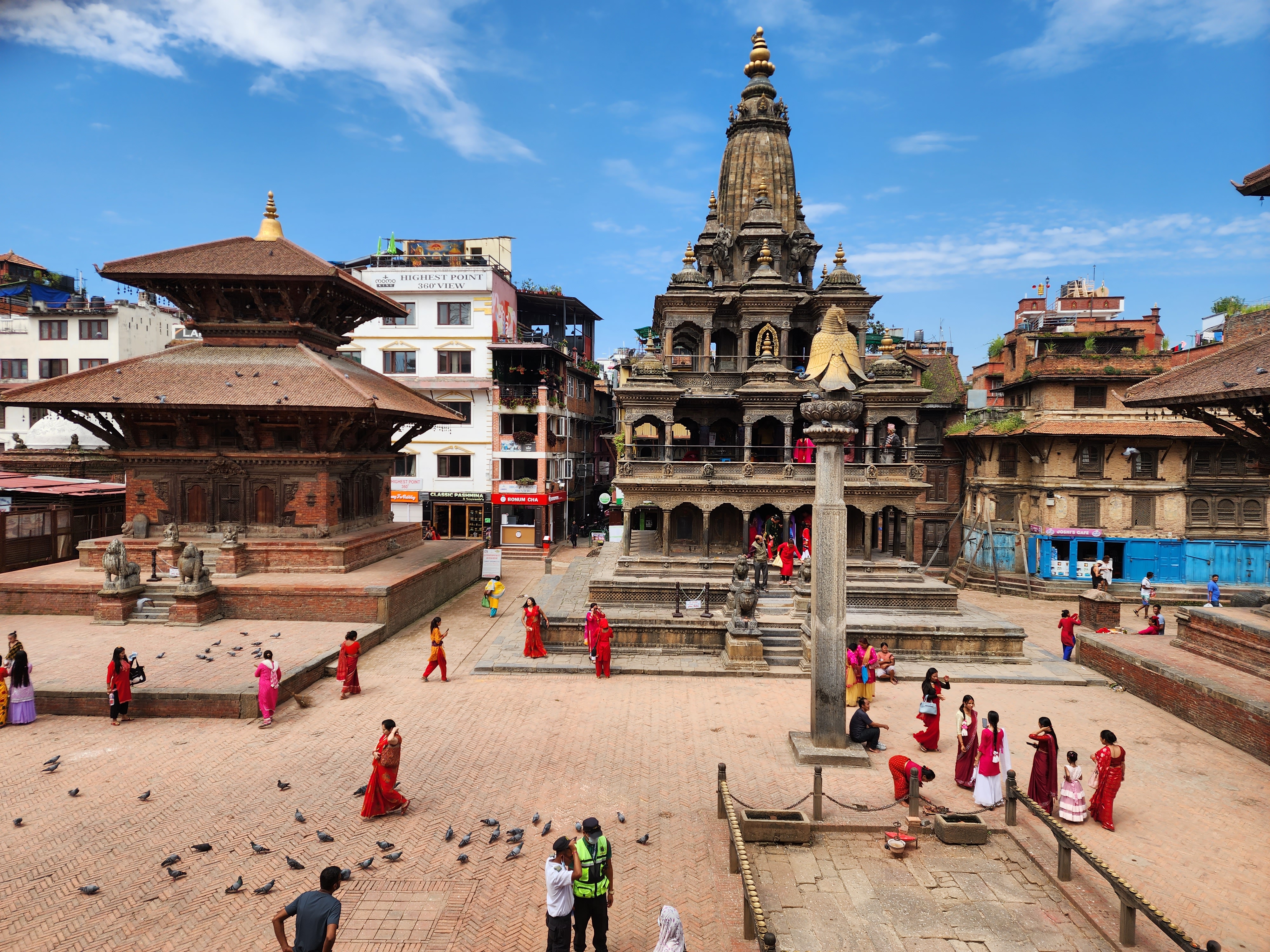
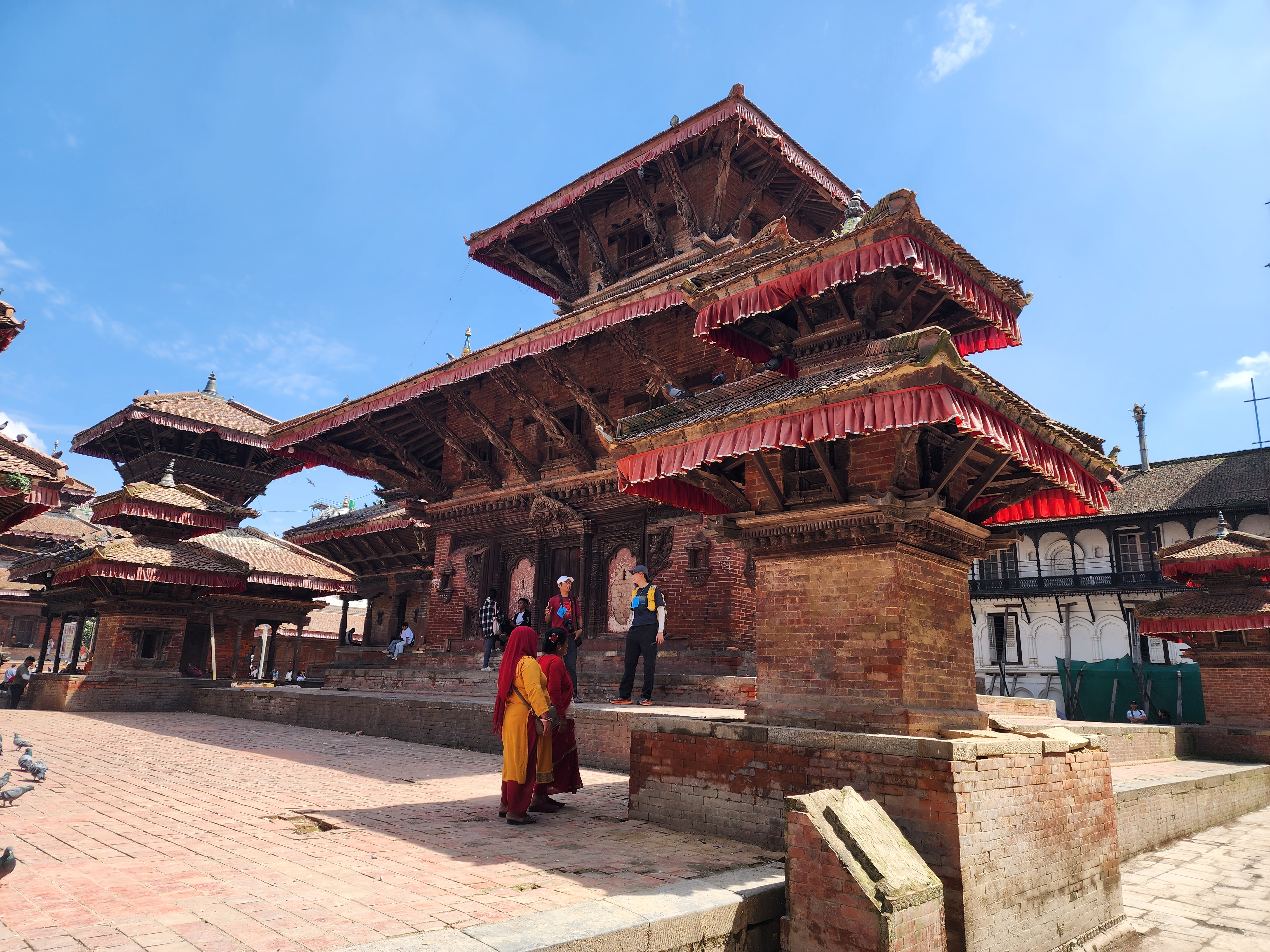
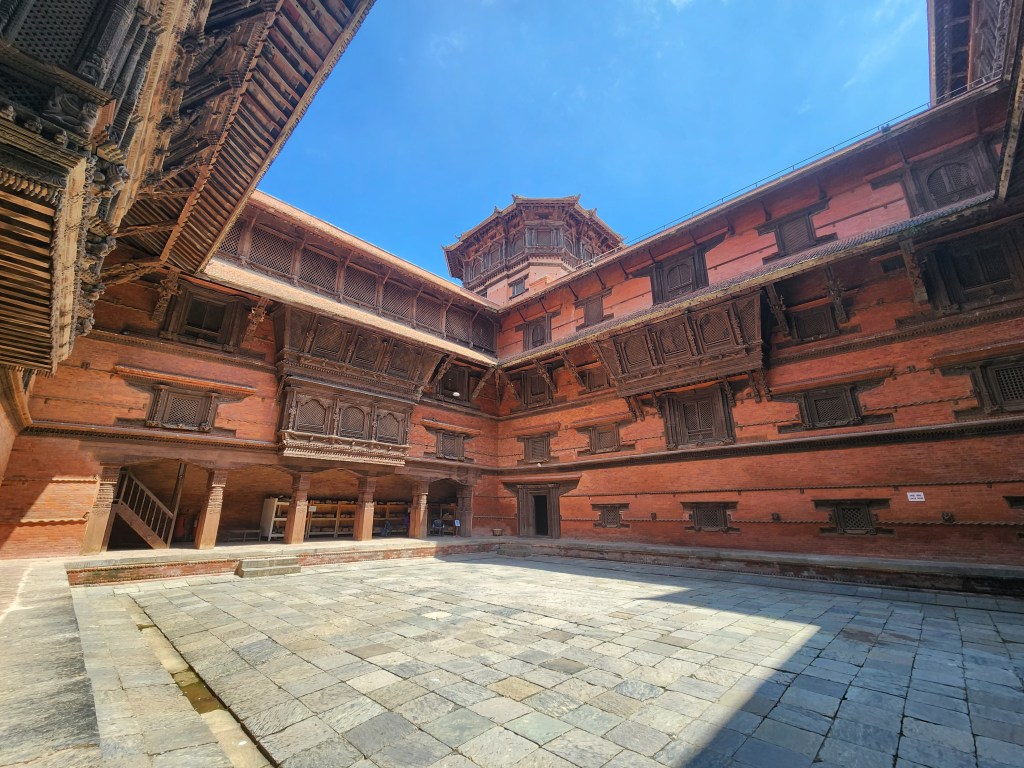
Durbar Square in Kathmandu is the largest of the palace squares in the three royal cities and a UNESCO World Heritage Site. It features temples, monuments, and historic architecture from various faiths.
Don’t miss the opportunity to explore the narrow streets, smell the incense, and witness the lively atmosphere that permeates the city.

Bhaktapur, also known as the “City of Devotees,” lies just outside Kathmandu. It was one of the three rival royal cities along with Kathmandu and Patan.
This ancient city is famous for its well-preserved medieval architecture, intricate wood carvings, and vibrant culture.
Explore the Durbar Square in Bhaktapur, which showcases stunning temples, palaces, and courtyards.

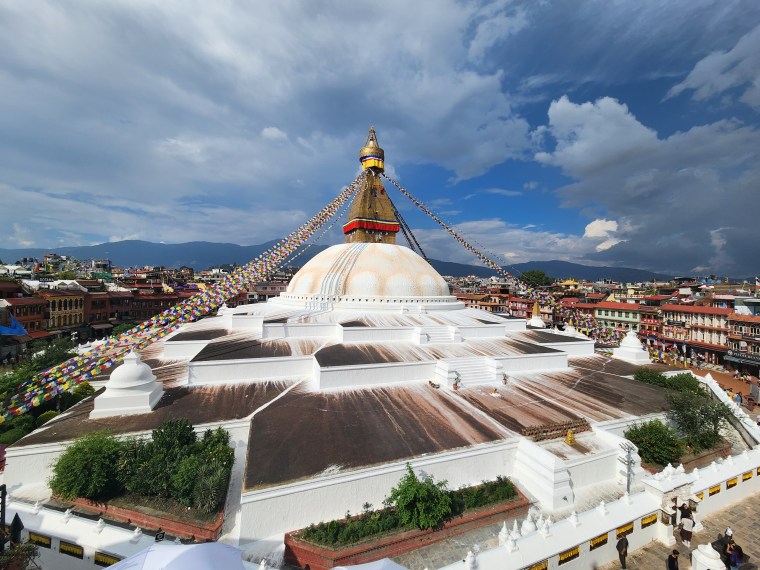
Boudhanath Stupa (Bodhnath): located in the Kathmandu Valley, the Boudhanath Stupa is one of the largest stupas in the world and a significant pilgrimage site for Buddhists.
Its massive white dome, adorned with colorful prayer flags, is an iconic sight. Visitors can walk around the stupa, spin prayer wheels, and soak in the spiritual atmosphere.

Pokhara, a lakeside town, is a gateway to some of Nepal’s most famous trekking routes, including the Annapurna Circuit.
The serene Phewa Lake offers stunning reflections of the surrounding Annapurna and Machapuchare peaks. You can take a boat ride or simply enjoy the view.
Adventure enthusiasts can try paragliding, zip-lining, or explore the nearby caves and waterfalls.

Trekking in the Annapurna Region: while not a specific attraction, trekking in the Annapurna region is a must-do experience. The Annapurna Circuit and Annapurna Base Camp treks offer breathtaking mountain views, diverse landscapes, and encounters with local communities.
The trails take you through lush forests, terraced fields, and traditional villages. It’s a chance to immerse yourself in Nepal’s natural beauty.
eat
Here are some of the must-try foods:

Dal Bhat: A traditional meal consisting of rice served with lentils and side dishes like meat, vegetables, curd, and pickles. It’s a staple and often considered the national dish of Nepal.

Newari Khaja: Also known as ‘Newari Bhoye’ or ‘Samai Baji,’ this ethnic Newar community dish includes items like beaten rice (baji), achar, chhoyela, egg, soybeans, bara, Aalu Tama (potato and bamboo shoots), and chhyang (rice beer).

Momo: These dumplings are popular street food. They come in various fillings, such as meat, vegetables, or cheese, and are usually served with spicy dipping sauce.

Thukpa: A hearty noodle soup with vegetables, meat, or tofu. It’s especially comforting during colder months.

Chatamari: Often referred to as “Nepali pizza,” chatamari is a thin rice crepe topped with minced meat, eggs, and vegetables.

Juju Dhau: A delicious sweet curd (yogurt) from Bhaktapur, known for its creamy texture and unique taste.

Selroti and Aalu Achaar: Selroti is a traditional rice-based doughnut-like snack, and Aalu Achaar is a spicy potato pickle.

Yomari: A sweet Newari delicacy made from rice flour dough filled with jaggery and sesame seeds.

Gundruk ko Achar: A fermented leafy green pickle, often served as a side dish.

Sherpa Stew: A hearty stew with meat, potatoes, and vegetables, commonly enjoyed in the Himalayan region.
tips
Here are some essential travel tips for visiting Nepal:

Exchange Currency: The official currency is the Nepalese rupee (NPR). Exchange your foreign currency at banks or authorized exchange centers.

Avoid Trekking Solo: When trekking, always ensure you’re accompanied by other travelers or a guide. Solo treks can be risky due to cases of tourists disappearing in recent years.

Carry a Universal Adapter: Bring a universal adapter for your electronic devices. Nepal uses 220V plugs, so having an adapter will save you time searching for one locally.

Hit Nightclubs Early: If you’re interested in nightlife, visit nightclubs early. Many places close by midnight, so plan accordingly.

Get Trekking Permits: Consult trekking agencies or the Nepal Tourism Board for permits to explore popular trekking regions.

Healthcare Preparedness: Ensure proper healthcare arrangements. Carry necessary medications and know the location of medical facilities.

Appropriate Clothing: Dress modestly and consider the weather. Layers work well for varying temperatures.
 ameropasstravel.com