
A Remote Island Paradise
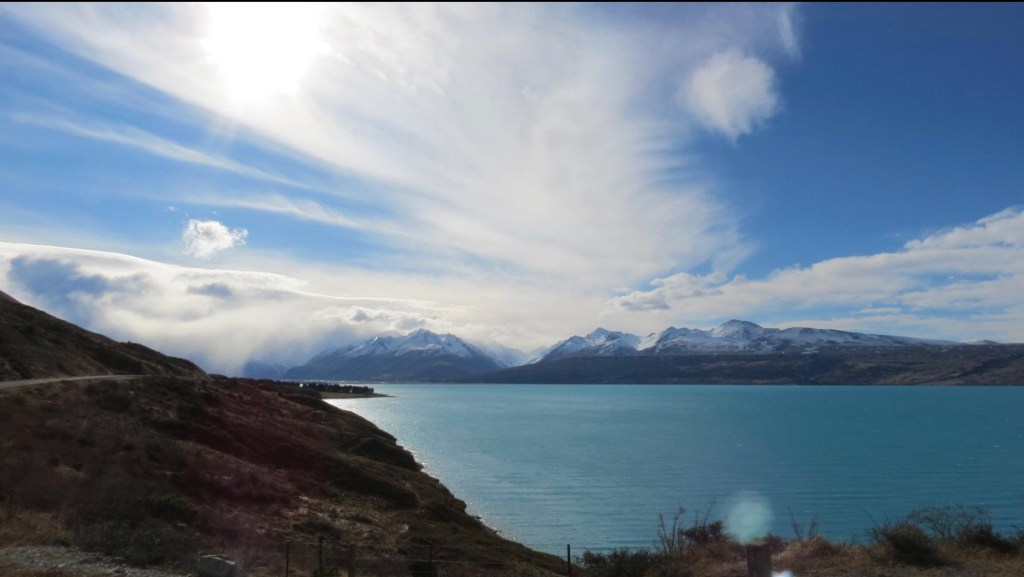
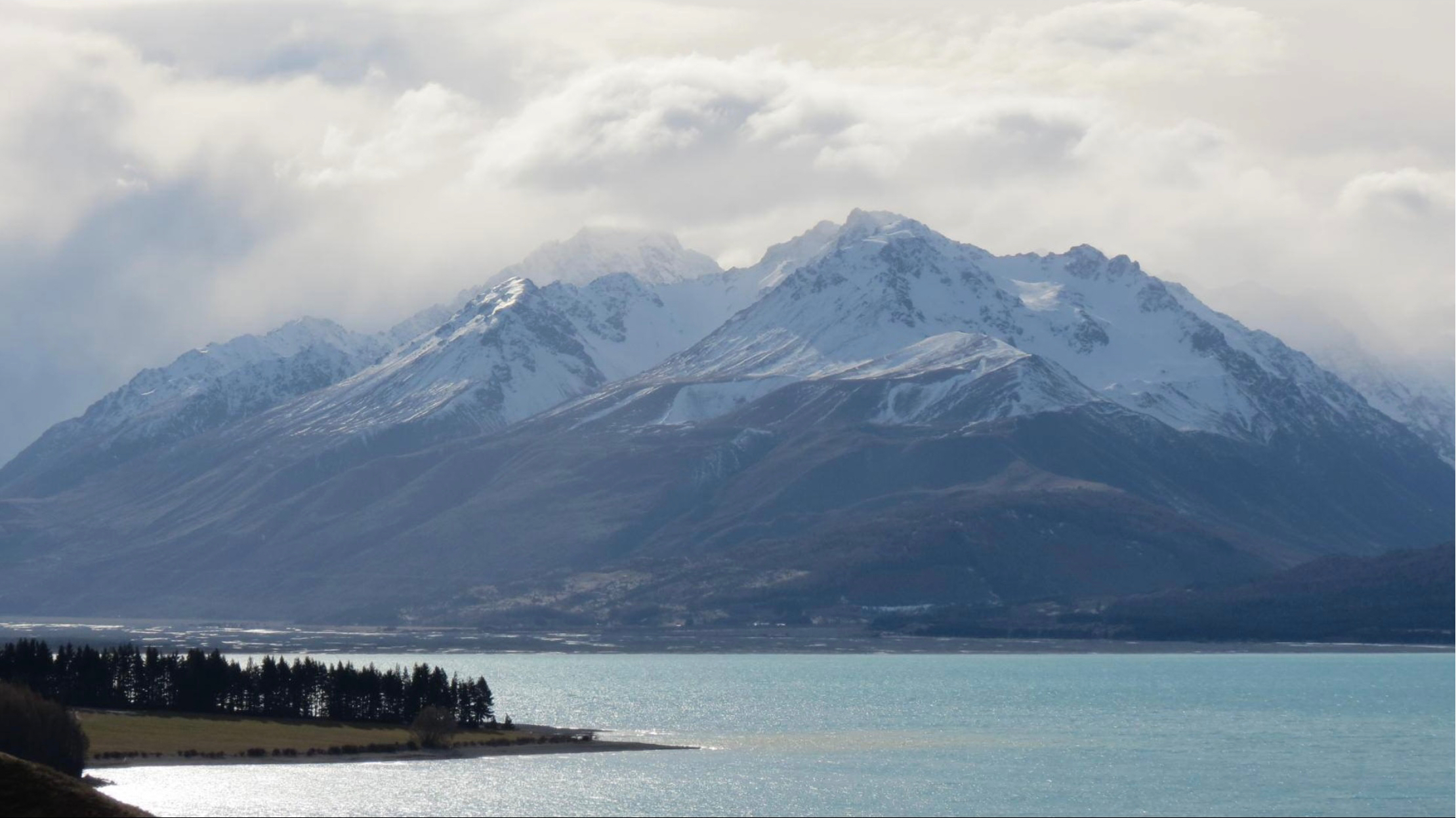
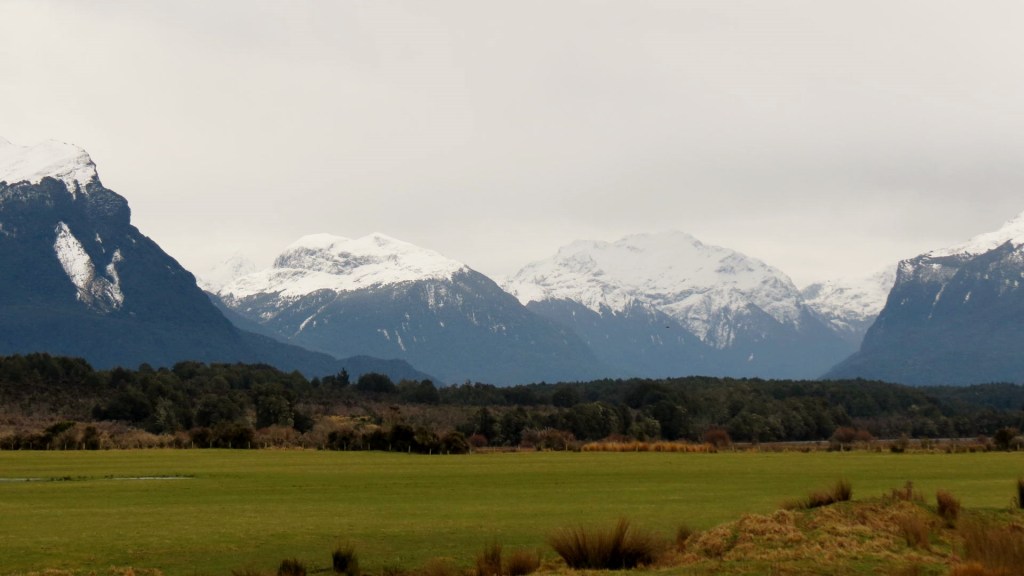
New Zealand, with its enchanting natural beauty, blends ancient Maori traditions seamlessly with modern life. From the snow-capped Southern Alps to the pristine beaches of the North Island, it calls out to adventurers, dreamers, and seekers of authenticity. Whether you’re exploring geothermal wonders, hiking through lush forests, or stargazing, New Zealand invites you to embrace its raw beauty and tranquility.

go
The best time to visit New Zealand is during the summer months from December to March. Expect long, bright, sunny days with temperatures ranging between 61°F and 75°F. It’s ideal for beach visits, hiking, and outdoor activities. If you prefer fewer crowds, consider March, which still offers pleasant weather but with fewer tourists.
do
Here are some of the must-do attractions:

Queenstown (South Island): Known as New Zealand’s adventure capital, Queenstown offers activities like jet boating, bungee jumping, and mountain biking.

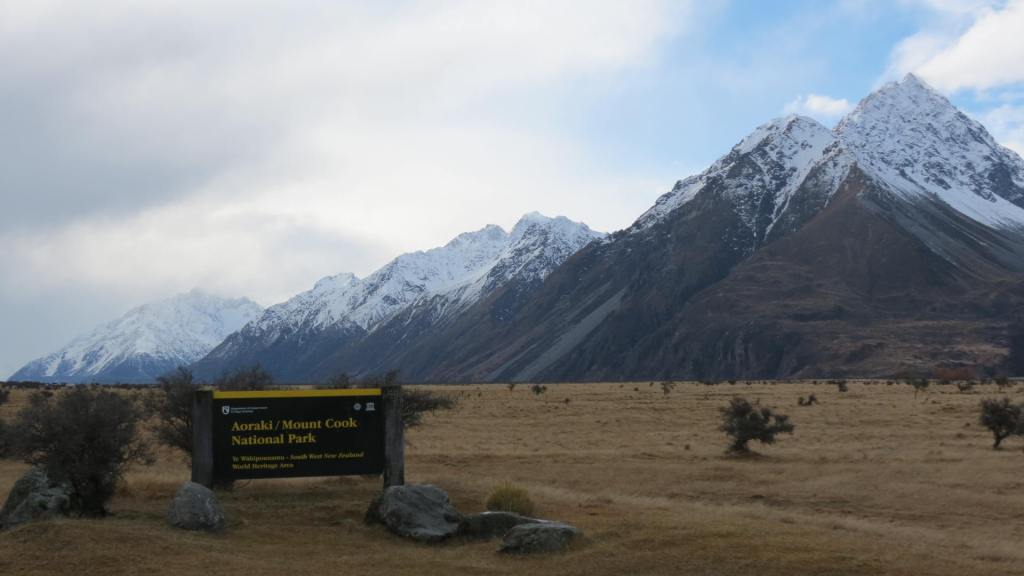
Aoraki/Mount Cook National Park (South Island): Home to New Zealand’s highest peak, Aoraki/Mount Cook, this park boasts glaciers, alpine scenery, and hiking trails.

Milford Sound (South Island): A fjord renowned for its dramatic beauty, Milford Sound features towering cliffs, waterfalls, and boat cruises that reveal its splendor.

Bay of Islands (North Island): A picturesque region with beautiful beaches, historic sites, and opportunities for sailing and dolphin watching.

Franz Josef Glacier and Fox Glacier (South Island): These glaciers offer awe-inspiring ice formations and guided tours for adventurous travelers.

Lake Taupo and Tongariro National Park (North Island): Lake Taupo, a massive volcanic crater lake, and Tongariro National Park, home to the famous Tongariro Alpine Crossing, are must-visit destinations.

Rotorua (North Island): Known for its geothermal activity, Rotorua features bubbling mud pools, geysers, and Maori cultural experiences.

Abel Tasman National Park & the Abel Tasman Coast Track (South Island): This coastal paradise offers golden beaches, crystal-clear waters, and a stunning multi-day hiking trail.

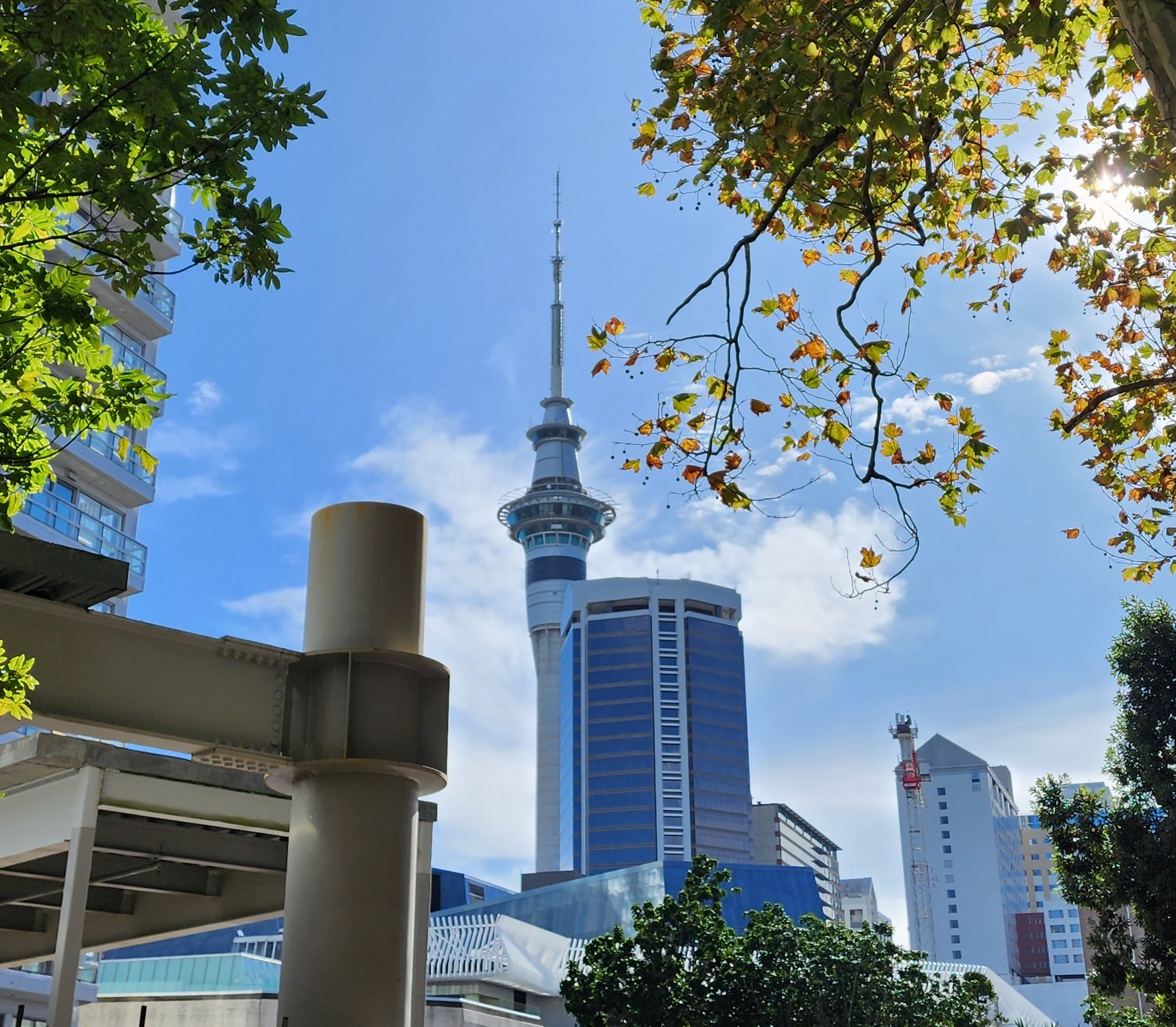
Auckland (North Island): New Zealand’s largest city, Auckland, combines urban sophistication with natural beauty. Explore its vibrant waterfront, museums, and nearby islands.

Coromandel Peninsula (North Island): Known for its beautiful beaches, hot water beaches, and lush forests, the Coromandel Peninsula is a hidden gem.
eat
Here are some must-try foods:

Hāngī: A traditional Māori dish where meat and vegetables are slow-cooked in an underground oven. It’s saved for special occasions due to the time it takes to prepare.

Lamb: New Zealand is renowned for its high-quality lamb, enjoyed worldwide.

Green-Lipped Mussels: Fresh seafood is abundant, and these mussels are a delicacy.

Bluff Oysters: Another seafood delight, these oysters are unique to New Zealand.

Kiwi Pavlova: A national dessert made with meringue, whipped cream, and fresh fruit.

Meat Pies: Savory pies filled with minced meat and gravy, a local favorite.
tips
Here are some useful tips to enhance your experience:

Carry Local Currency: Have a few hundred dollars in New Zealand currency (NZD) in small denominations ($20 and $10 notes) on hand. It’s useful for unexpected expenses or if your cards encounter issues.

Plan a Realistic Itinerary: New Zealand might be small, but there’s a lot to see. Focus on either the North Island or South Island if you have limited time. Ideally, allocate at least two to four weeks for a comprehensive trip.

Arrival Fees: If you’re from a Visa-Waiver Country, get an NZeTA (New Zealand Electronic Travel Authority) and pay the IVL (International Visitor Conservation and Tourism Levy) before arriving. Research visa options if you plan to work or stay longer.

Pack Lightly: New Zealand is developed, so you don’t need to overpack. Explore the country and buy what you need locally. A lighter bag makes moving between accommodations easier.

Learn Road Rules: If you’re driving, familiarize yourself with New Zealand’s road rules. They drive on the left side of the road.
 ameropasstravel.com