
Cultural Blend and Wild Coastlines
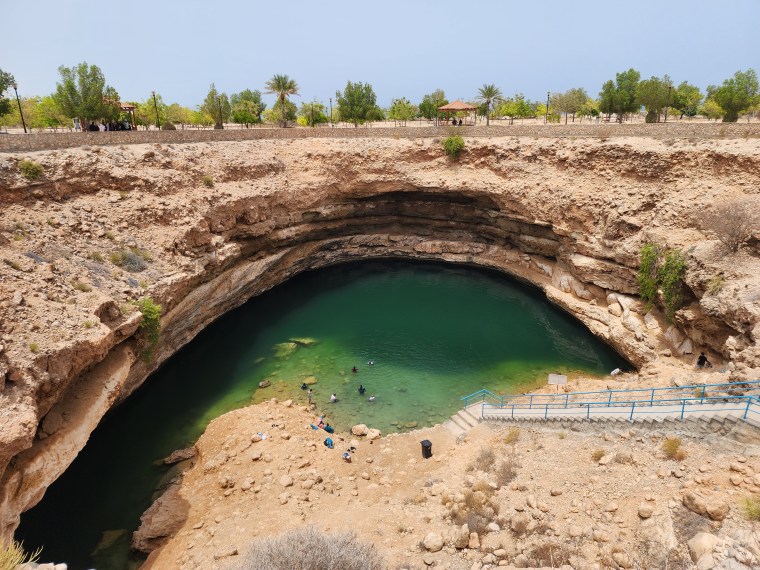
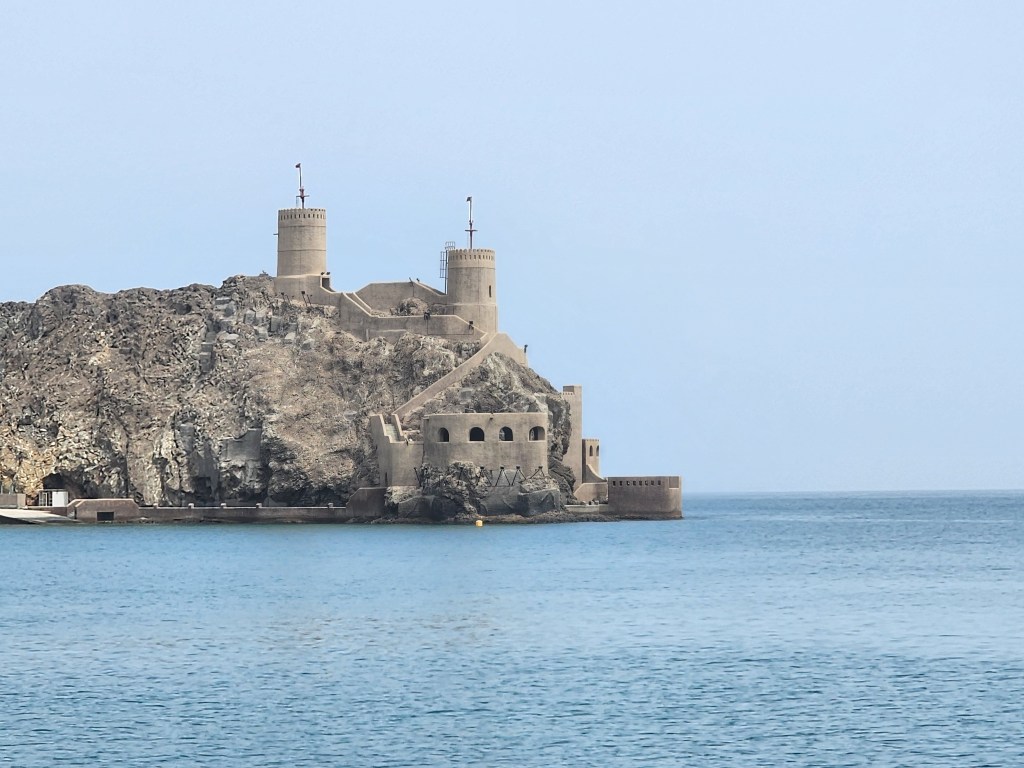
Oman, a hidden gem on the southeastern coast of the Arabian Peninsula, offers rugged landscapes and warm hospitality. From the Grand Canyon of Arabia (Wadi Ghul) to the Mantle Rocks surrounding Muscat, the natural beauty evokes awe. Adventure seekers can explore Snake Gorge, swimming through narrow slots, or visit the delicate stalactites of Al Hoota Cave. Beyond nature, Oman embraces ancient forts and timeless values, making it an underrated haven for travelers.



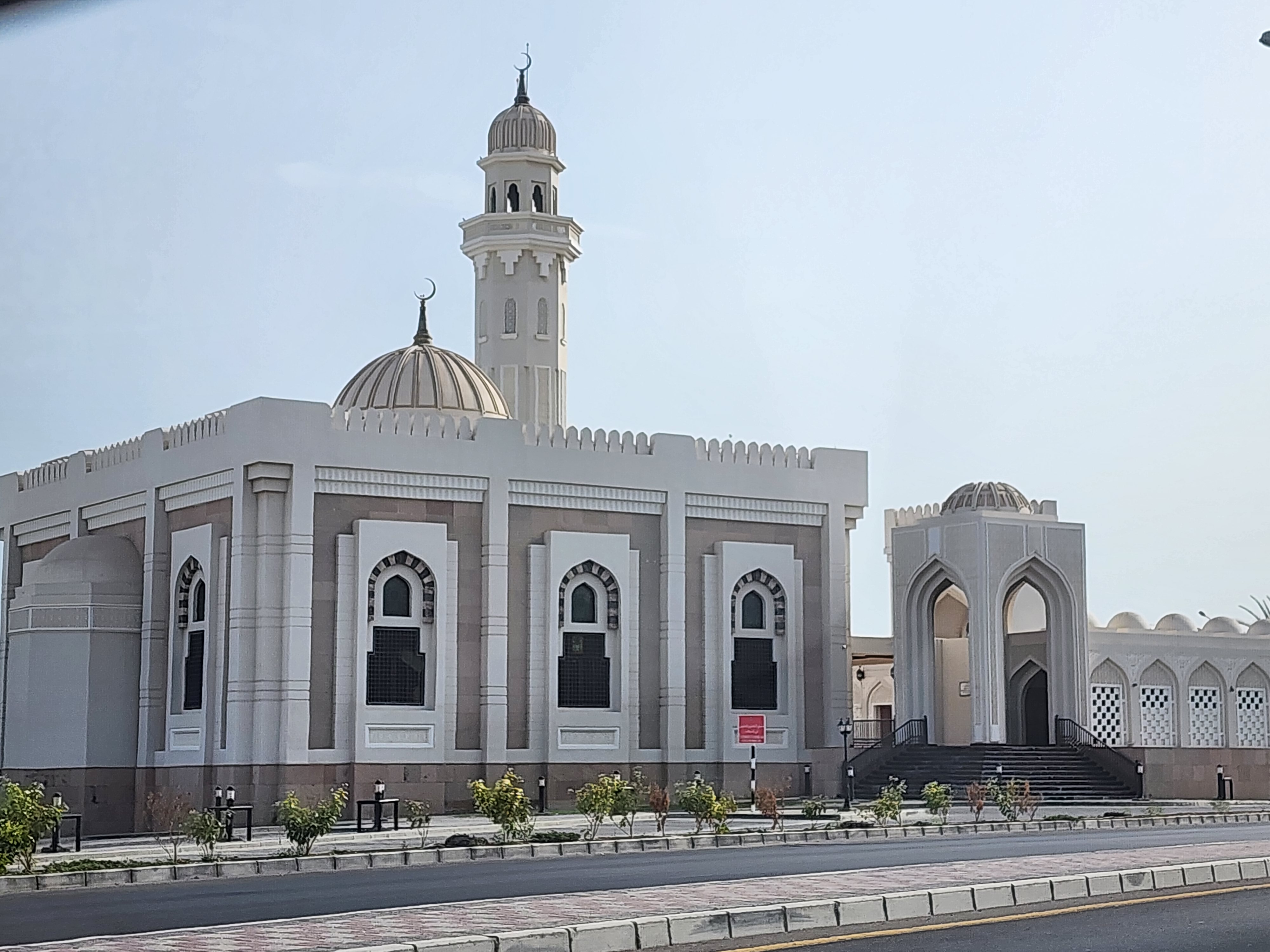
go
The best time to visit Oman is between November and March. During this period, the weather is warm yet pleasant, making it ideal for exploring the country. Whether you’re hiking, diving, or experiencing local customs, Oman comes alive during these months. The average high temperature in Muscat, the capital, is a comfortable 81°F, with low humidity. Plus, it’s the perfect time for water sports like diving. Avoid the scorching summer months from June to August, and you’ll have a fantastic trip!
do
Here are some must-do attractions:

Muscat: The capital city of Oman, Muscat, effortlessly blends tradition and modernity. Here are some must-see places in Muscat:
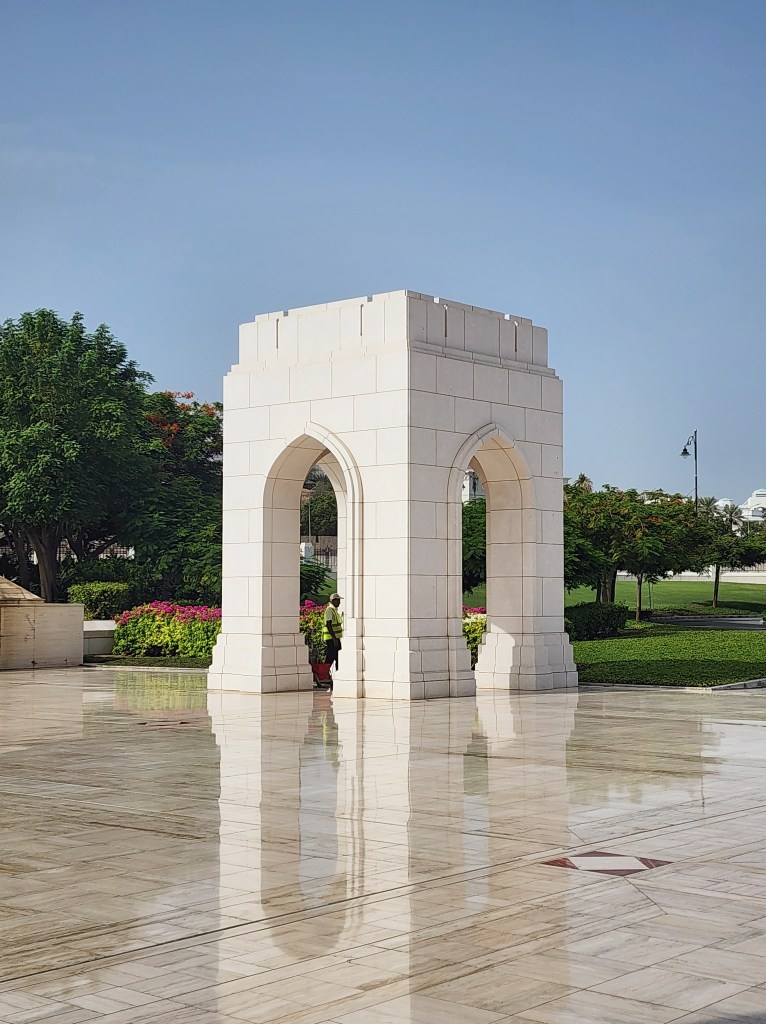
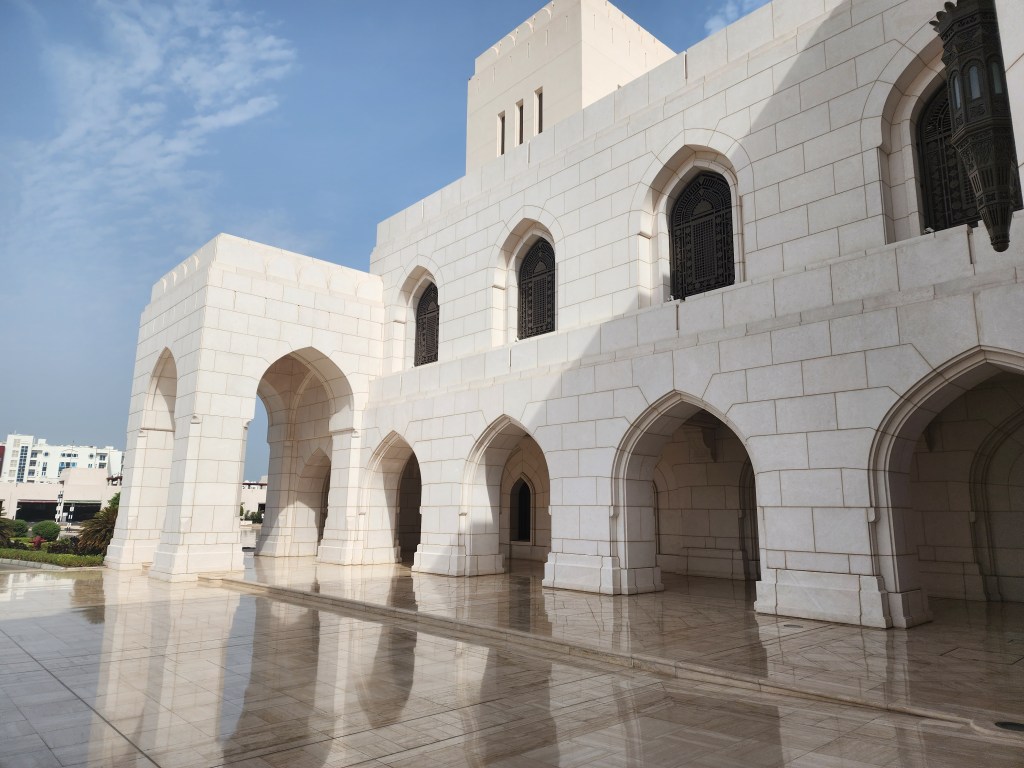
Sultan Qaboos Grand Mosque: This architectural marvel features arched walkways, colorful mosaic tiles, and a Swarovski-crystal-studded chandelier. It’s a prime example of modern Islamic architecture.
Mutrah Corniche: Take a stroll along the 3 km (1.9-mile) seafront promenade, where you’ll find whitewashed houses, blue-domed mosques, and the iconic Mutrah Fish Market.
Mutrah Souq: One of the oldest markets in the Arab world, it offers a vibrant atmosphere with shops selling frankincense, local attire, and handmade sandals.

Bahla: Known for its legendary fort, Bahla is a fortified oasis town. The Bahla Fort, a UNESCO World Heritage Site, is steeped in myths and legends. Explore its ancient walls and immerse yourself in history

Bait Al Zubair: Located in Muscat, Bait Al Zubair is a museum that showcases Omani heritage. Explore restored old houses, learn about local culture, and admire traditional craftsmanship. The museum houses artifacts like khanjars (traditional daggers) and patterned kumma (headpieces) that reflect Oman’s history.

Al Alam Palace: Situated in Muscat, Al Alam Palace is the official residence of the Sultan of Oman. Its stunning architecture, with blue and gold accents, stands out against the backdrop of the Muscat harbor. Although visitors cannot enter the palace, the exterior is worth admiring.

Jebel Akhdar: Also known as the “Green Mountain,” Jebel Akhdar offers breathtaking views and terraced farms. Explore cliffside villages, where old men distill rose water and navigate narrow trails. The cool climate and lush landscapes make it a unique destination in Oman.
eat
Here are some must-try Omani foods:

Kabuli Rice: Considered the national dish, Kabuli Rice combines lamb, beef, chicken, or goat meat with rice, raisins, cinnamon, black pepper, and chickpeas. It’s often served during special occasions like weddings or Eid holidays.

Khubz Ragag Bread: This wheat bread is cooked on a hot metal surface. The batter has a sticky, thin consistency and is spread in a circular motion. It’s a staple in Omani cuisine.

Machboos: A flavorful rice dish, Machboos is sometimes flavored with saffron and cooked in the same water used for chicken or meat. It’s a delicious blend of spices and ingredients.

Shuwaa: Eaten during festive occasions, Shuwaa consists of chunks of goat, sheep, cow, or camel meat marinated in a spicy date paste and roasted in a special underground oven. It’s a communal activity enjoyed by entire villages.

Mushaltat: A wheat flatbread often stuffed with cheese, meat, honey, or vegetables, Mushaltat is a tasty snack.

Omani Halwa: A sweet dessert made from sugar, saffron, and rosewater, Omani Halwa is a sticky treat often served with Omani coffee.

Seafood: Given Oman’s long coastline along the Arabian Sea, seafood is abundant. Try dishes like grilled kingfish or lobster.
tips
Here are some useful tips for visiting Oman:

Currency: The currency of Oman is the Omani rial (OMR). It is divided into 1000 baisa. As of now, 1 OMR is approximately equal to 2.60 USD12. The Omani rial is pegged to the U.S. dollar at this exchange rate. When visiting Oman, you’ll primarily use the Omani rial for financial transactions.

Dress Modestly: While female visitors do not need to wear a hijab, dressing modestly is recommended. Women should wear clothing that covers their shoulders and reaches below the knees. Avoid low-cut tops, short skirts, and transparent garments. Men should avoid tank tops and wear knee-length trousers or shorts. When visiting mosques, both men and women should dress more conservatively.

English is Widely Spoken: Oman’s official language is Arabic, but English is widely spoken in cities and areas with tourism infrastructure. You’ll find it helpful for communication during your trip.

Respectful Photography: Always seek permission before taking photos of locals. Be considerate and respectful when capturing moments during your visit.
 ameropasstravel.com