
Historic, Resilient, Flavorful, Vibrant
A land steeped in history and resilience, beckons with open arms. Explore ancient streets in Jerusalem’s Old City, savor mouthwatering dishes like musakhan and knafeh, and witness vibrant graffiti on the separation wall. Amidst challenges, the warmth of Palestinian hospitality and the timeless heritage await.

go
The best time to visit Palestine depends on your preferences and the regions you want to explore. Here are some recommendations:
Spring (March to May): Spring is an excellent time to visit. The weather is pleasant, and the landscape is lush. You’ll find blooming flowers and greenery.
Autumn (September to November): Fall is another great season. The temperatures are moderate, and it’s ideal for exploring historical sites and enjoying outdoor activities.
Avoid Summer (June to August): Summers can be scorching, especially in the West Bank. If you do visit during this time, stay hydrated and plan indoor activities during the hottest hours.
Consider Local Events: Check if there are any local festivals, cultural events, or religious celebrations happening during your visit. These can enhance your experience.
do
Here are some must-visit places:

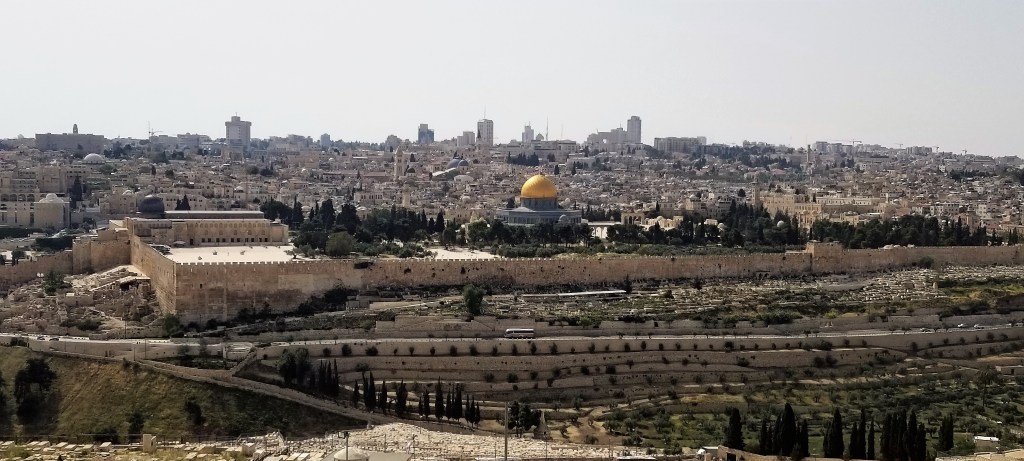
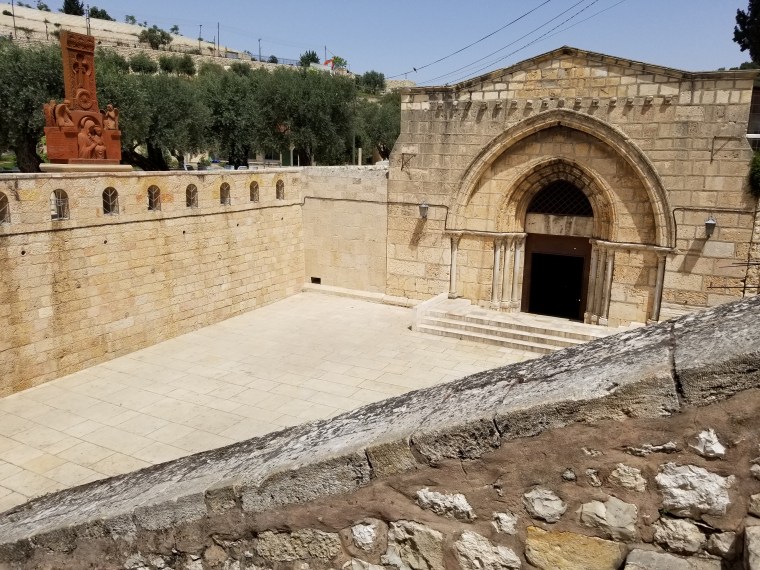
Old City of Jerusalem: Immerse yourself in historic wonders as you explore the ancient streets, religious sites, and vibrant markets of Jerusalem’s Old City. The Western Wall, Church of the Holy Sepulchre, and Al-Aqsa Mosque await your discovery.

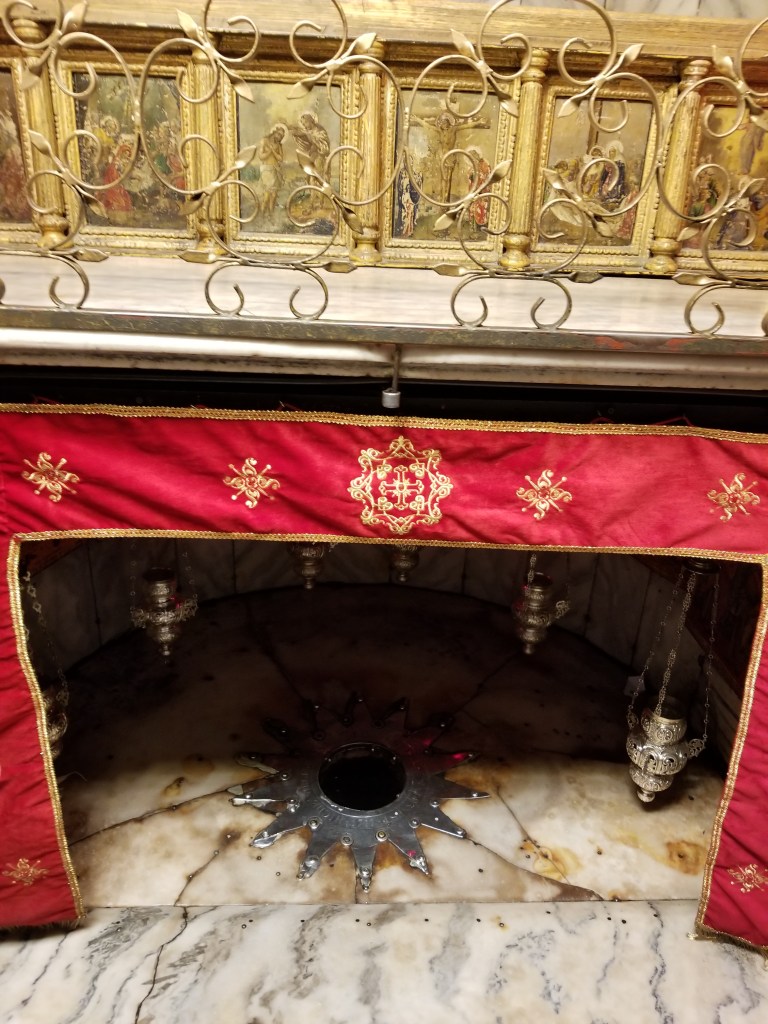
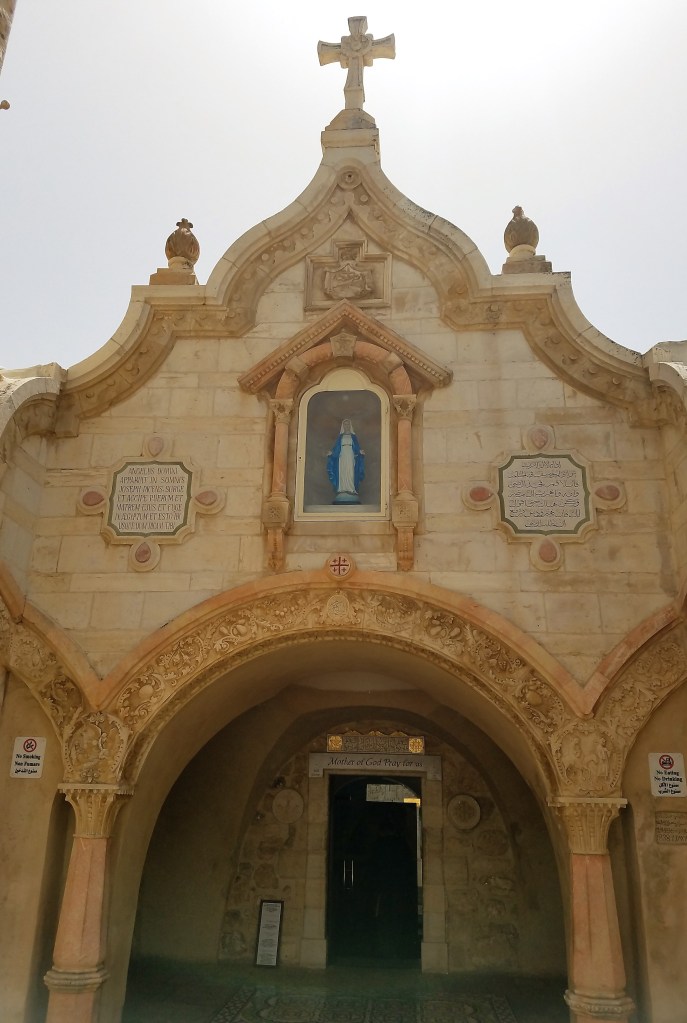
Bethlehem: Birthplace of religious heritage, Bethlehem is where Jesus was born. Visit the Church of the Nativity and Manger Square to connect with centuries of spiritual significance.

Jericho: This ancient city is a marvel of archaeology. Explore the ruins, including the famous Jericho Tel, and learn about its rich history.

Nablus: Culinary delights and traditional markets await in Nablus. Try local delicacies like knafeh and explore the bustling souks.

Hebron: A tapestry of culture and sacred sites, Hebron is home to the Abraham Mosque (Ibrahimi Mosque). It’s one of the oldest holy sites in the world, revered by Christians, Jews, and Muslims alike.

Ramallah: Discover modern urban charms, cultural hubs, and vibrant street art in Ramallah.

Dead Sea: Float effortlessly in the Earth’s lowest point. The mineral-rich waters and therapeutic mud make this a unique experience.
eat
Here are some must-try dishes from Palestine:

Hummus: A popular Middle Eastern dip made from chickpeas, tahini, lemon juice, garlic, and olive oil. It’s usually served with pita bread, kebabs, salads, and falafel wraps.

Shakshuka: A dish of poached eggs cooked with tomatoes, onions, garlic, and spices. Variations may include vegetables and cheese. It’s a typical North African and Middle Eastern breakfast option.

Falafel: Fried balls or patties made from ground chickpeas, coriander leaves, cumin, parsley, and flour. They’re nutritious and often enjoyed for breakfast or lunch.

Maklouba: A flavorful dish with layers of rice, vegetables (such as eggplant, cauliflower, and potatoes), and meat (usually chicken or lamb). It’s cooked upside down and then flipped before serving.

Fattoush Salad: A refreshing salad made with mixed greens, tomatoes, cucumbers, radishes, and crispy pieces of toasted bread. The dressing typically includes olive oil, lemon juice, and sumac.
tips
Here are some useful tips for visiting Palestine:

Currency and SIM Cards: The local currency is the Israeli Shekel. Your Israeli SIM card will work in Palestine, so you can stay connected during your visit.

Understand the Political Situation: Palestine has a complex political history. It’s essential to learn about the division into Area A, Area B, and Area C. Area A is under Palestinian control, while Area C is fully controlled by Israel. Most tourists visit the West Bank, which falls within these areas.

Safety: Contrary to misconceptions, Palestine is generally safe for travelers. Use common sense, follow local advice, and enjoy your trip without undue worry.

Friendly Locals: Palestinian people are incredibly welcoming. Engage with locals, learn about their culture, and enjoy their hospitality.

Language: Arabic is the official language. Learning a few basic phrases can enhance your experience.

Dress Conservatively: When visiting religious sites, dress modestly. Avoid shorts or t-shirts, and women should cover their hair with a scarf when entering mosques.
 ameropasstravel.com