
Where Oceans Collide Beautifully
Panama, where the Pacific and Atlantic meet, is a treasure trove of natural wonders. From the idyllic Bocas del Toro islands with their white sands and turquoise waters to the pristine San Blas archipelago, Panama offers a blend of adventure and tranquility. Whether you’re surfing, snorkeling, or exploring lush rainforests, this Central American gem captivates with its stunning landscapes.
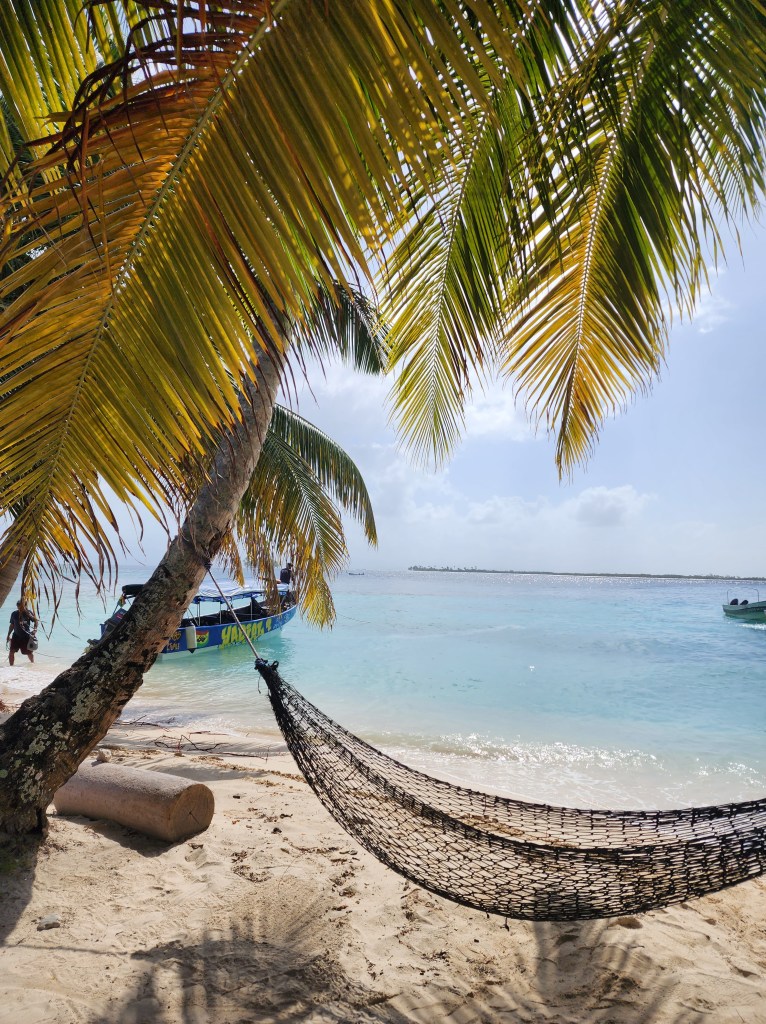
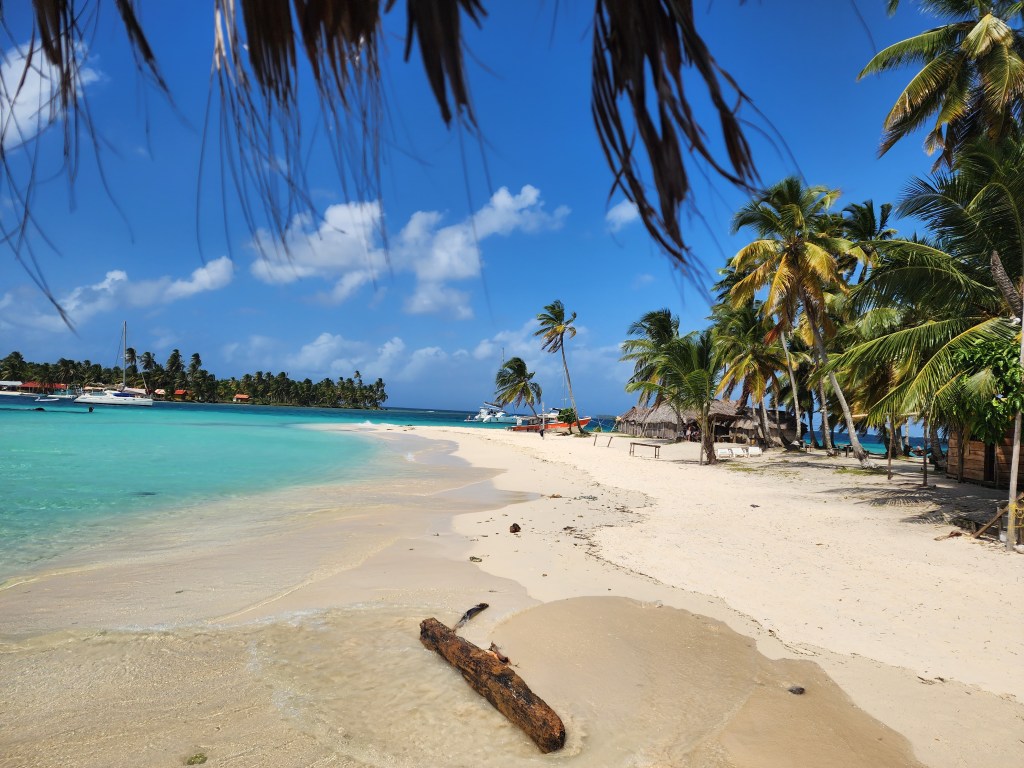
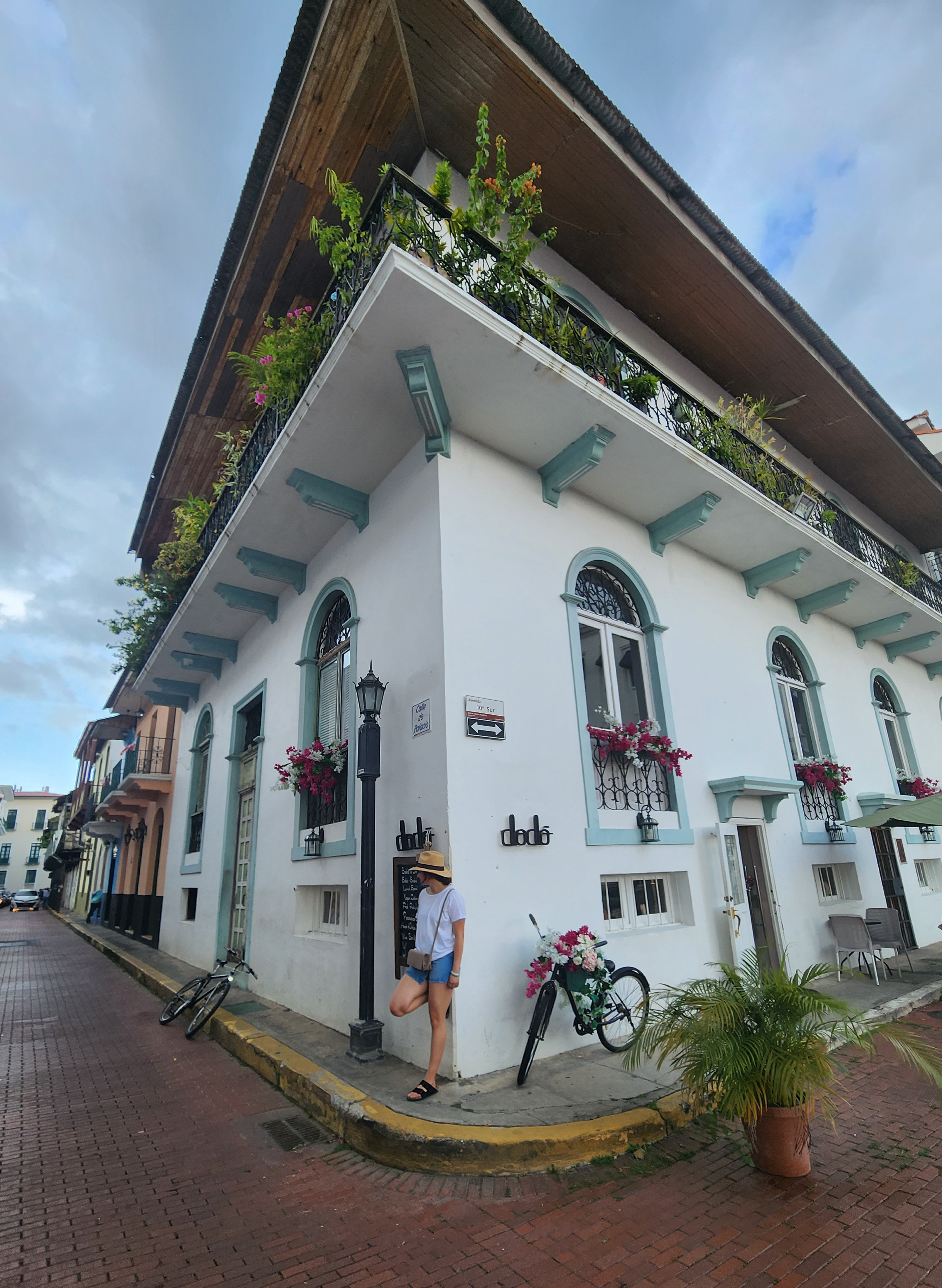
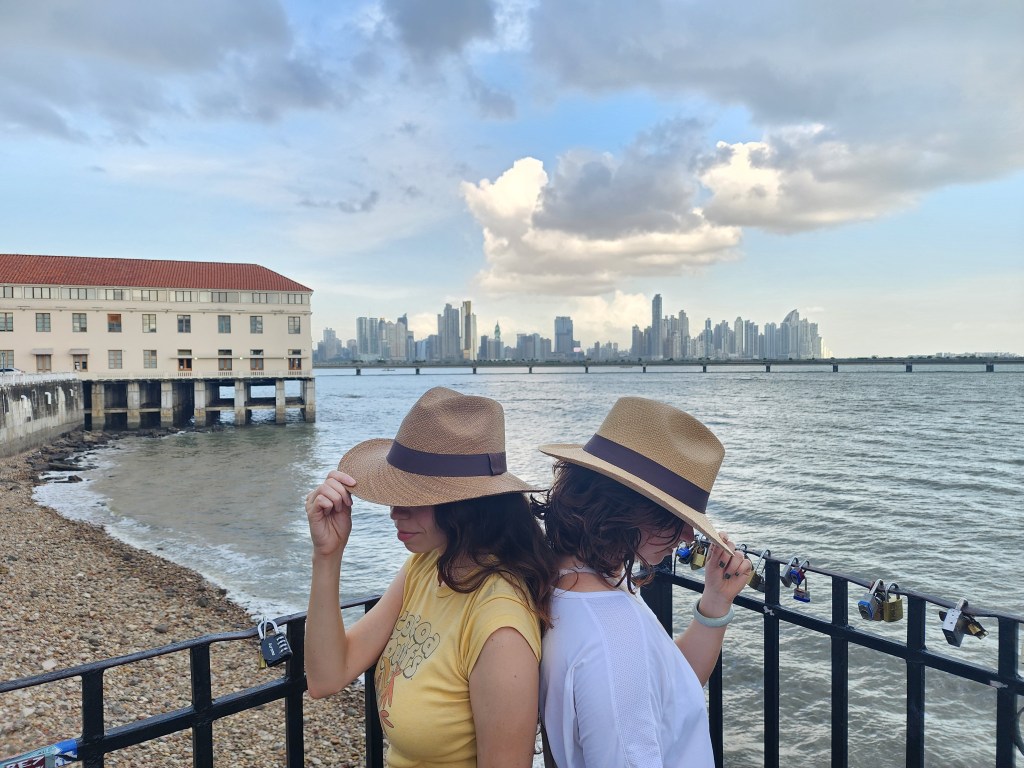
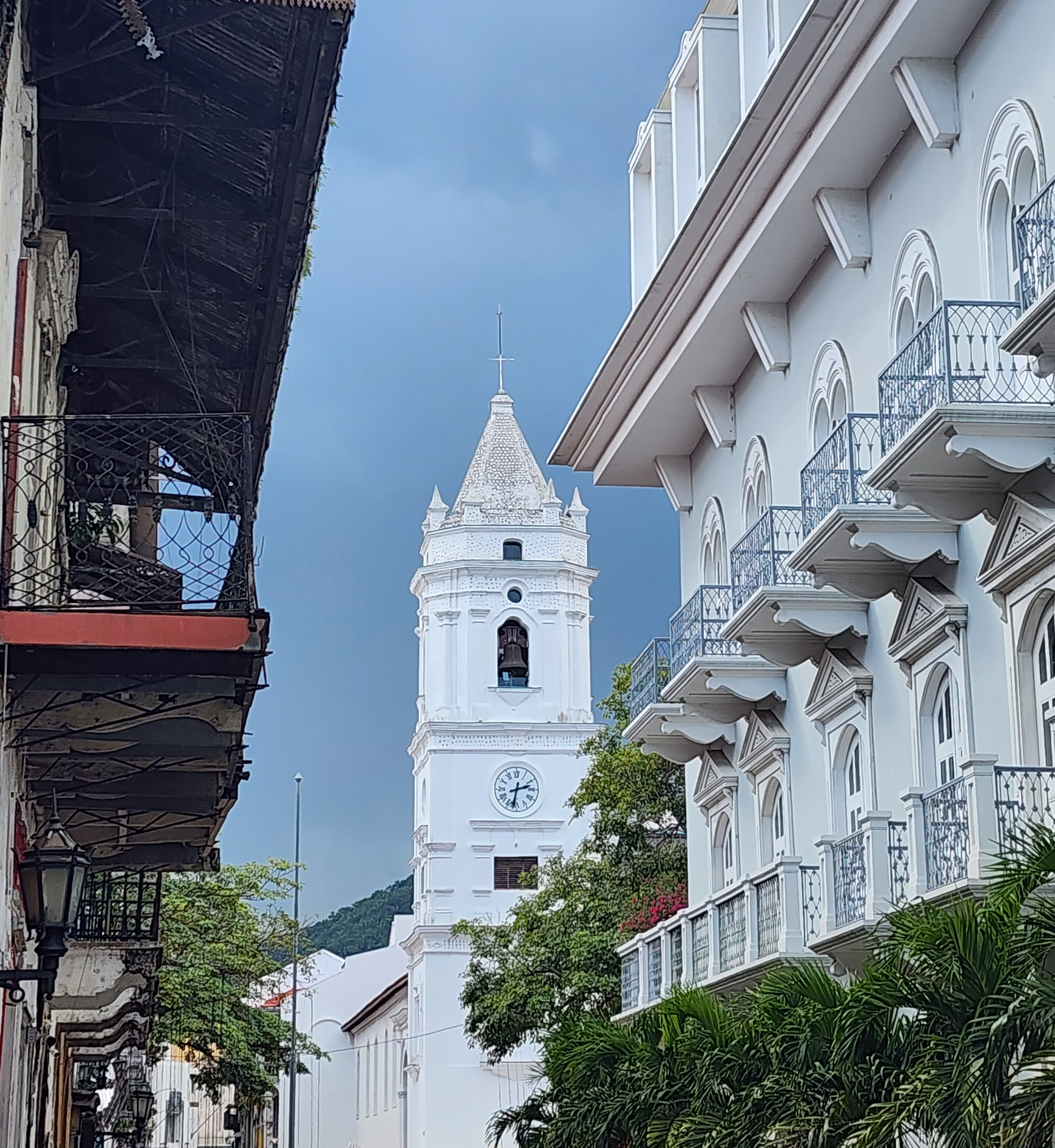
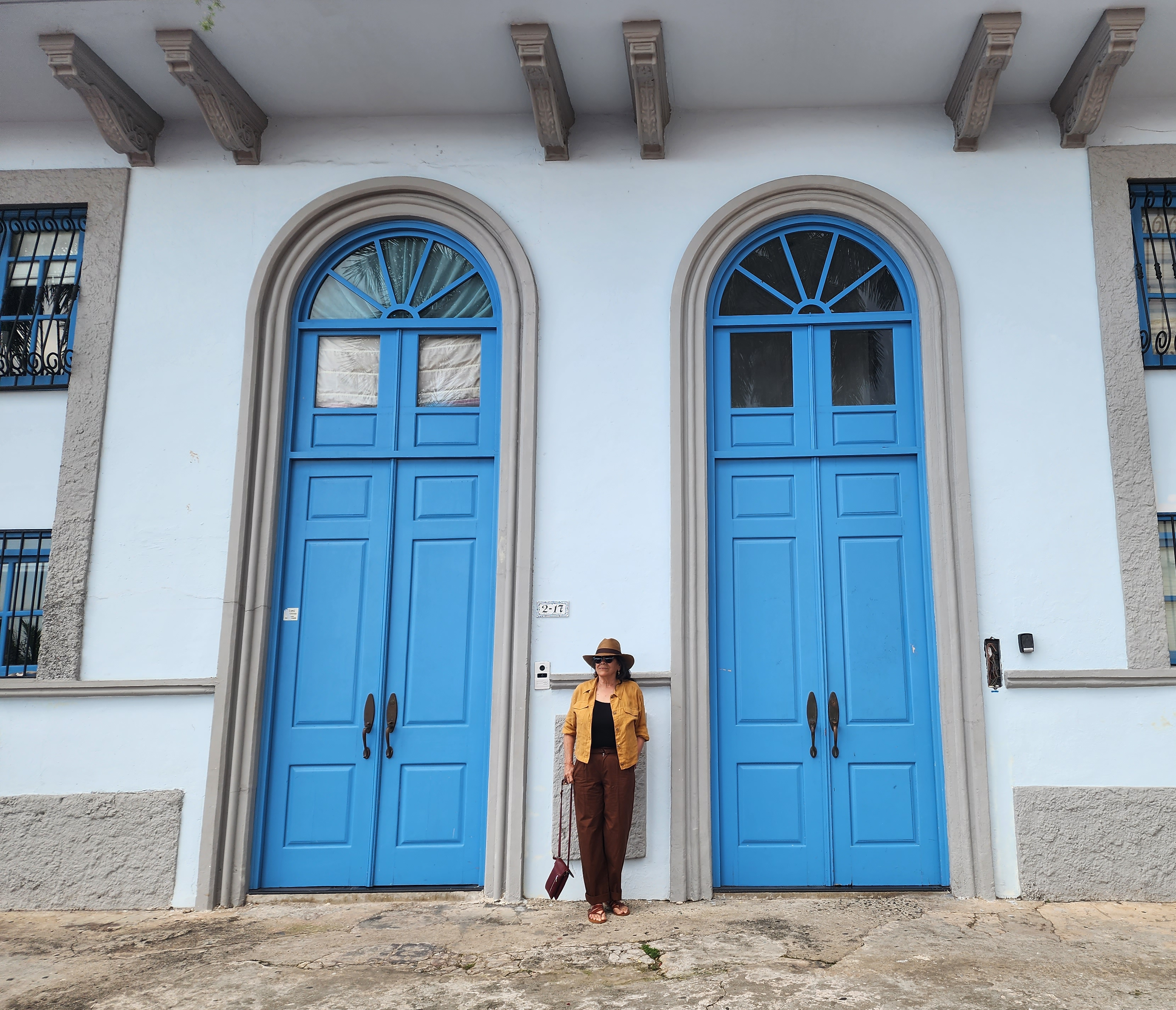

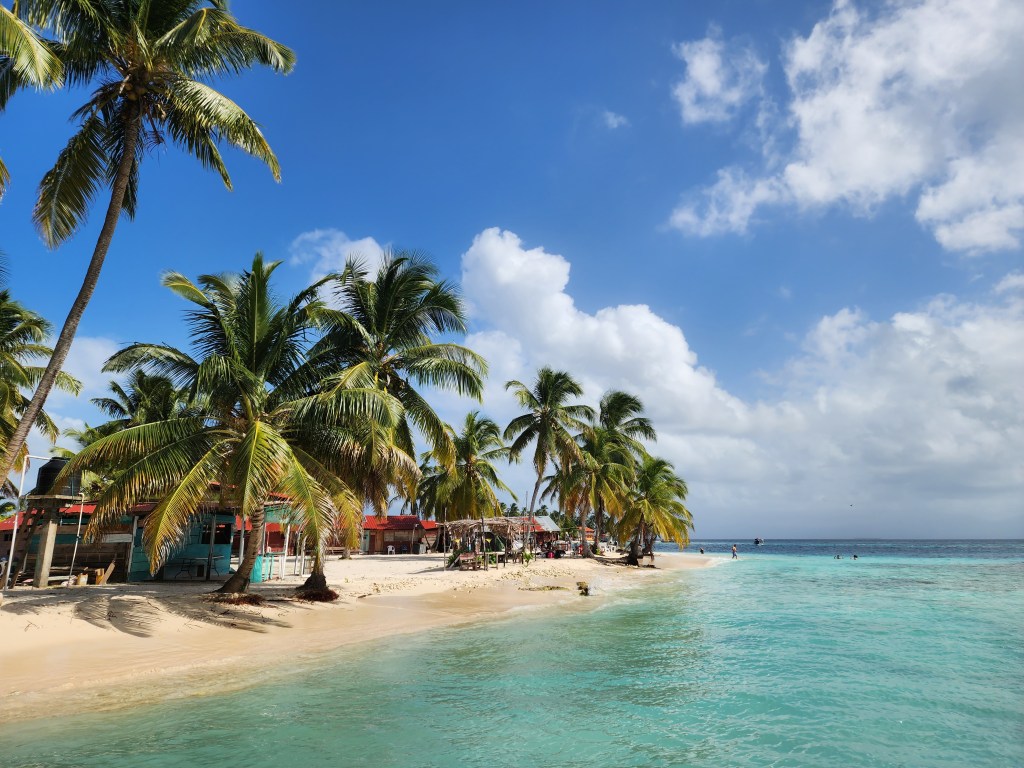
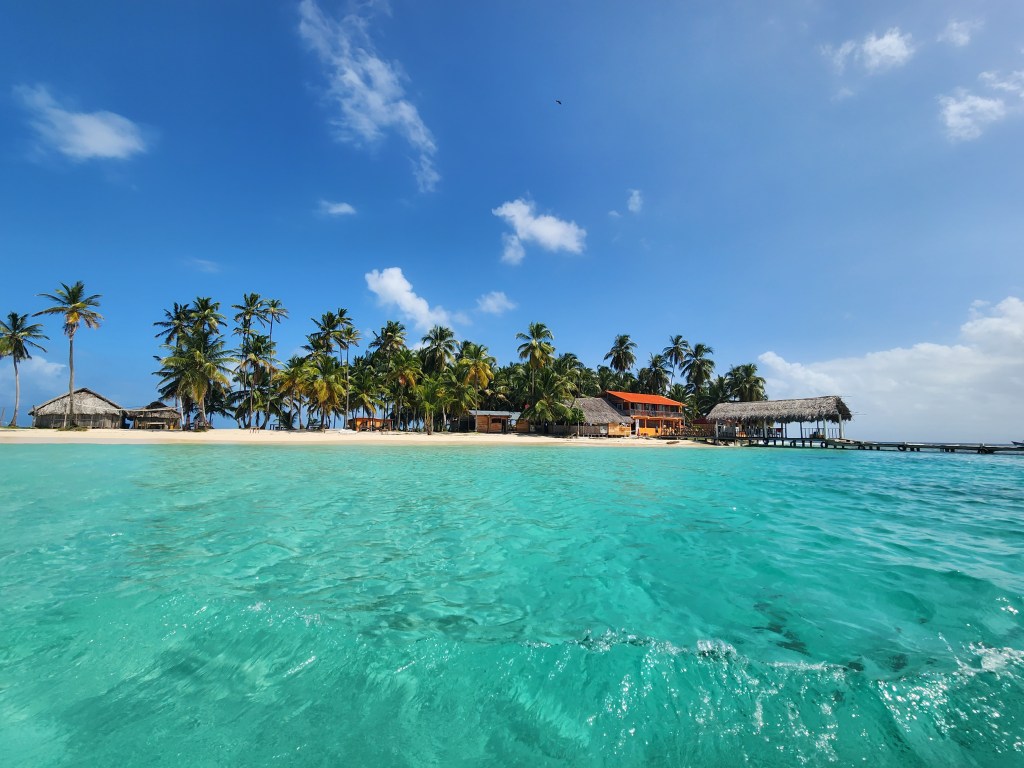
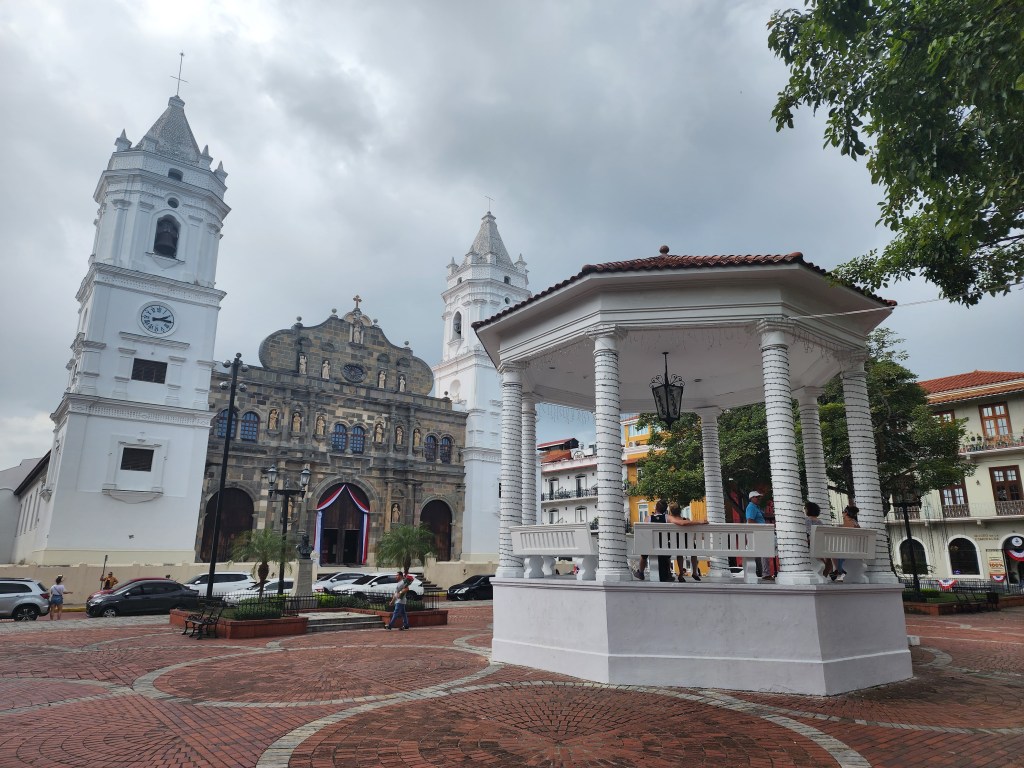
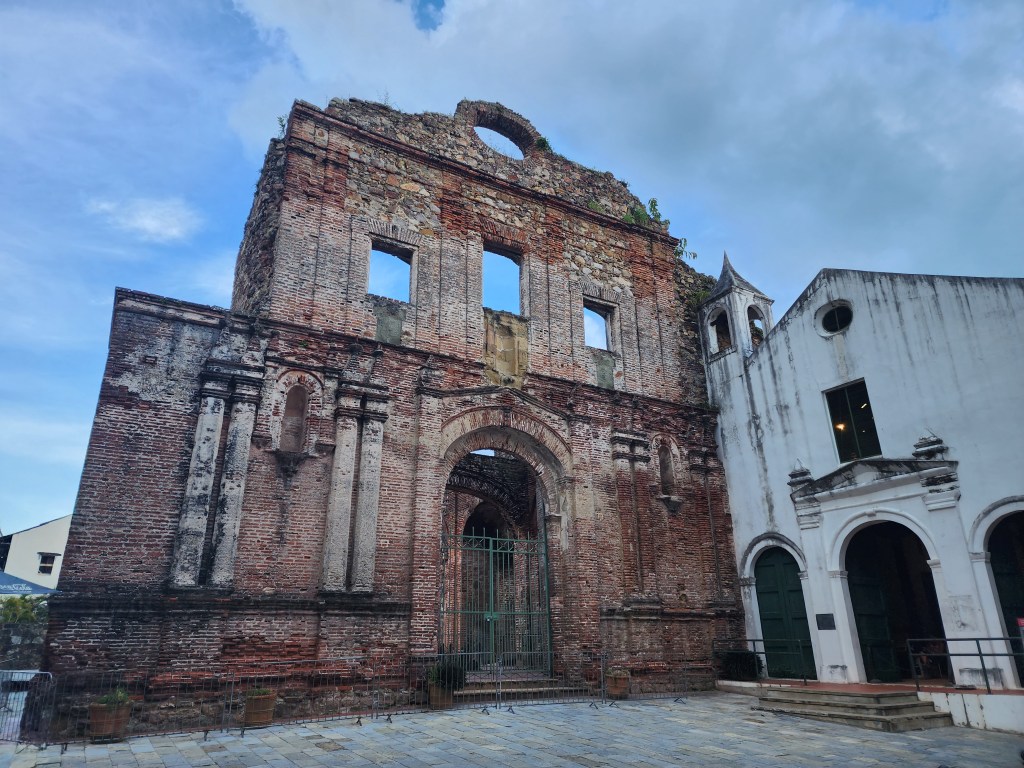
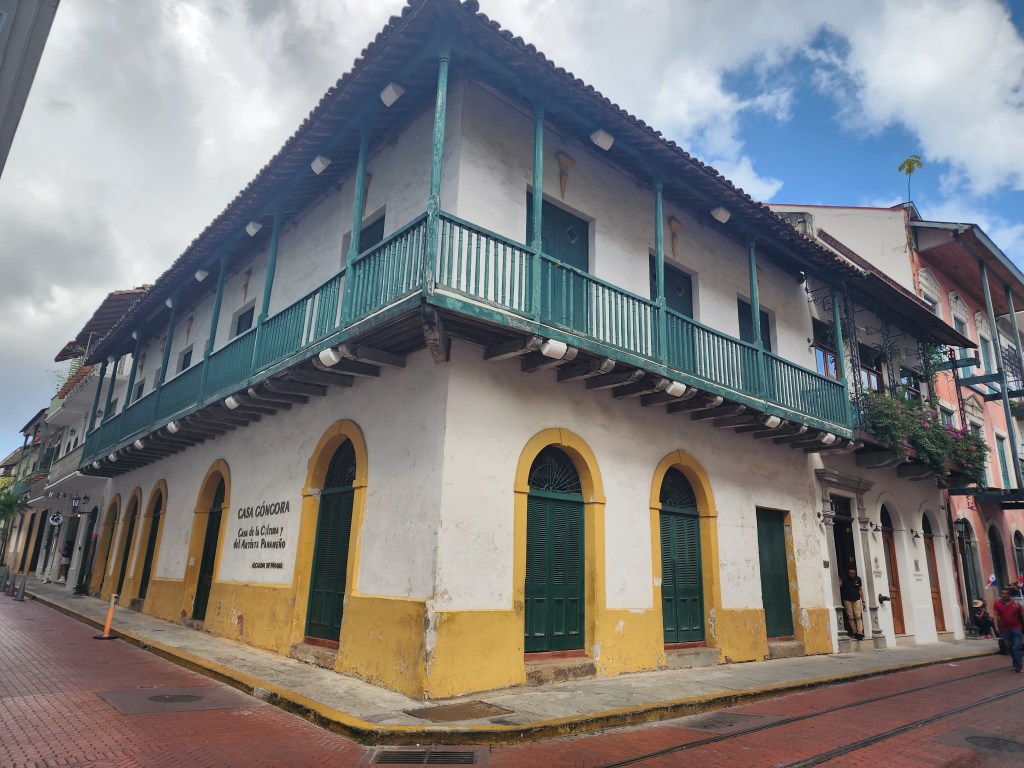
Panama, a captivating country that bridges two continents, awaits adventurous travelers with open arms. The marvel of human engineering—the Panama Canal—connects the Atlantic and Pacific Oceans. Stand at the Miraflores Locks and watch massive ships navigate this vital waterway. Picture yourself on pristine beaches surrounded by crystal-clear waters in the San Blas Islands, where the indigenous Kuna Yala people offer a glimpse into a simpler way of life. Snorkel, swim, and soak up the sun—it’s pure bliss. Lose yourself in the cobblestone streets of Casco Viejo, Panama City’s historic district, where colonial architecture, vibrant street art, and lively cafes create an enchanting atmosphere.
go
The best time to visit Panama depends on your preferences and activities. Here’s a breakdown by month:
January to March: Dry season with pleasant temperatures, plenty of sunshine, and gentle breezes. Ideal for outdoor adventures and beach trips.
April to December: Rainy season, great for surfers as the best waves hit the coast. However, expect more rain and humidity during this period.
do
Here are some of the must-do attractions:

Panama Canal: Operating since 1914, the Panama Canal is an engineering marvel that transports ships by raising them from sea level to over 85 feet using gravity-powered locks.

Casco Viejo (Old Town): Explore this charming historic neighborhood in Panama City, filled with colonial buildings, churches, and plazas. It’s a must-see for history enthusiasts.

Miraflores Visitor Center: Learn about the canal’s history, technical aspects, and botanical displays at this center. It’s a great spot to witness ships passing through the locks.

Amador Causeway (Calzada de Amador): Stretching into the Pacific Ocean, this causeway offers hotels, restaurants, and scenic jogging/biking trails. It’s located at the southern entrance of the Panama Canal.

Museo del Canal Interoceánico de Panamá: This museum showcases Panama’s history and the canal’s significance. Explore its exhibits and learn more about the country.
eat
Here are some must-try traditional Panamanian foods:

Arroz Con Pollo: A simple yet flavorful dish made from chicken and rice. Locals prefer to keep the recipe authentic without unnecessary additions.

Sancocho: A hearty soup made with chicken, vegetables, and ñame (a root vegetable). It’s cooked in a wholesome broth and often served with sweet plantains and white rice.

Ceviche: Fresh fish or seafood marinated in a mixture of onions, peppers, lime juice, and culantro. Served with mini wheat cracker baskets or fried plantains.

Hojaldres: Popular fried bread made from wheat flour, sugar, salt, oil, and water. Shaped into discs and crispy on the outside.

Guacho di Mariscos: A rare delicacy combining pork tails, beans, rice, and yuca (cassava).
These dishes will surely take your taste buds on a culinary journey through Panama.
tips
Here are some helpful tips for your trip to Panama:

Currency: The official currency is the Panamanian Balboa, but US dollars are widely accepted. Carry small bills for tipping and rural areas.

Book Ahead for Festivals: Panamanians love to party, and there are frequent fiestas throughout the year. Plan ahead and book accommodations early during holidays and festivals.

Pack for the Season: Panama has two seasons – dry (December to April) and wet (the rest of the year). Pack sunscreen, lightweight clothes, and sturdy boots for hikes.

No Road to Colombia: The Darién Gap makes road travel to Colombia impossible. Consider long-distance buses for other destinations.

Learn Basic Spanish: While English is spoken, knowing a few Spanish phrases will help you connect with locals.

Safety Precautions: Be cautious at night in larger cities, keep your passport secure, and look out for helpful Tourist Police.
 ameropasstravel.com