
Natural Beauty and Cultural Heritage
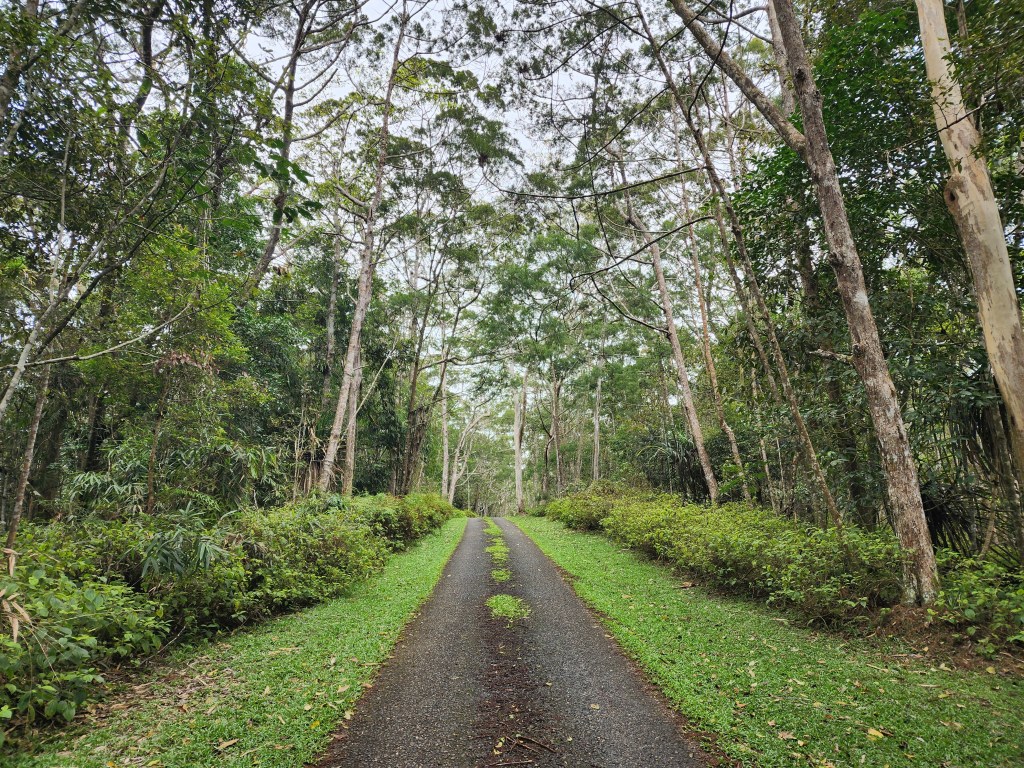
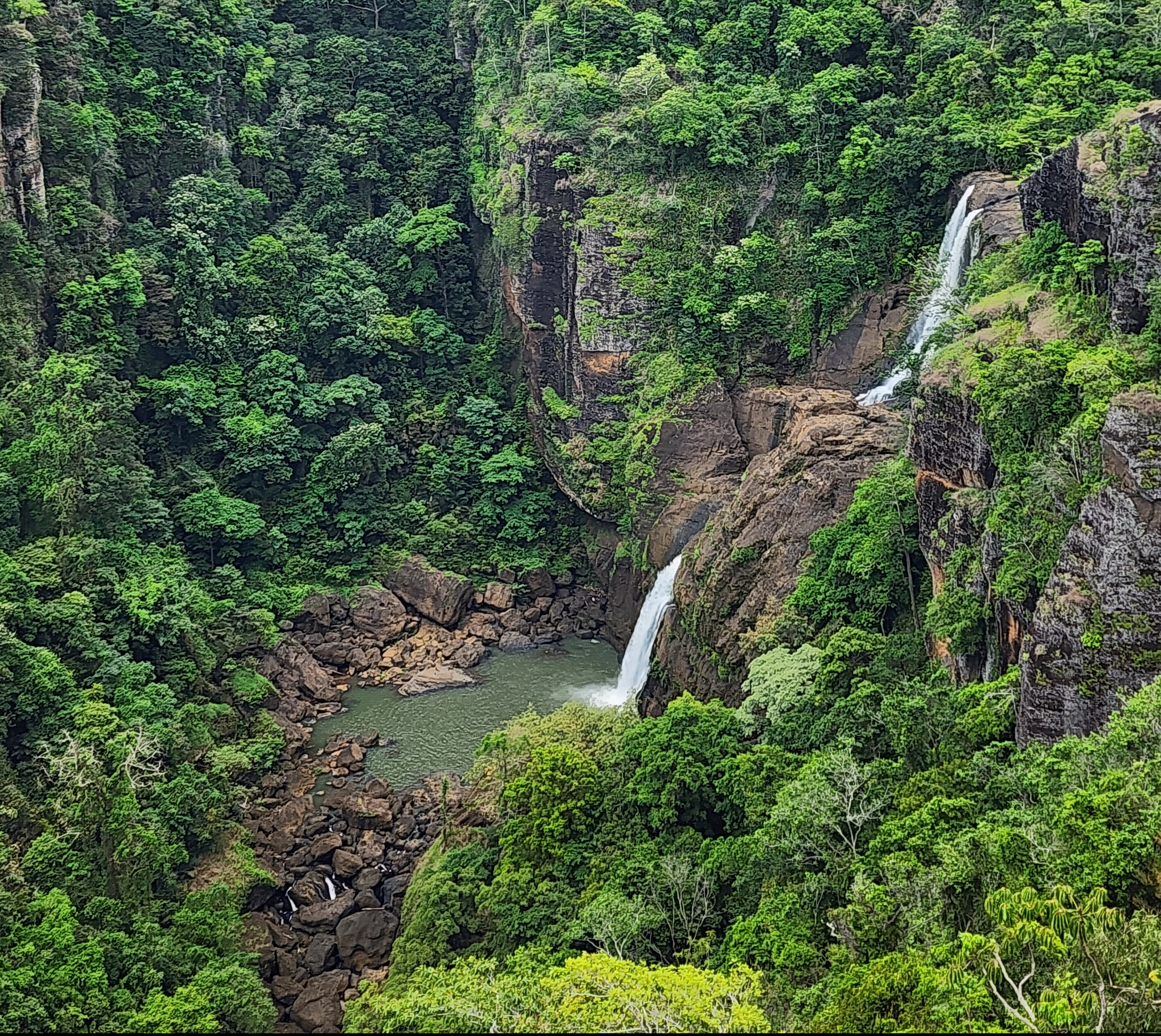
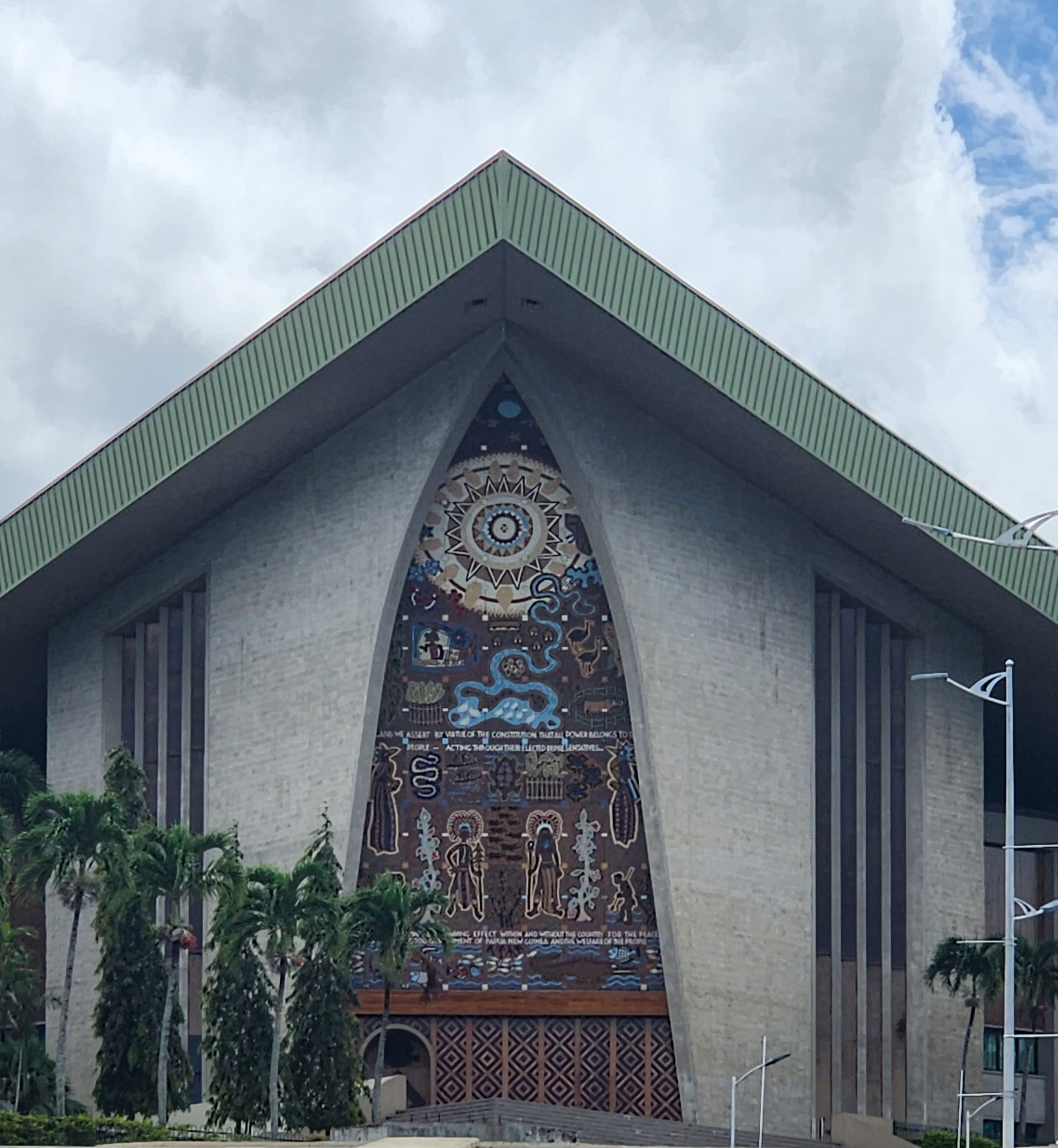
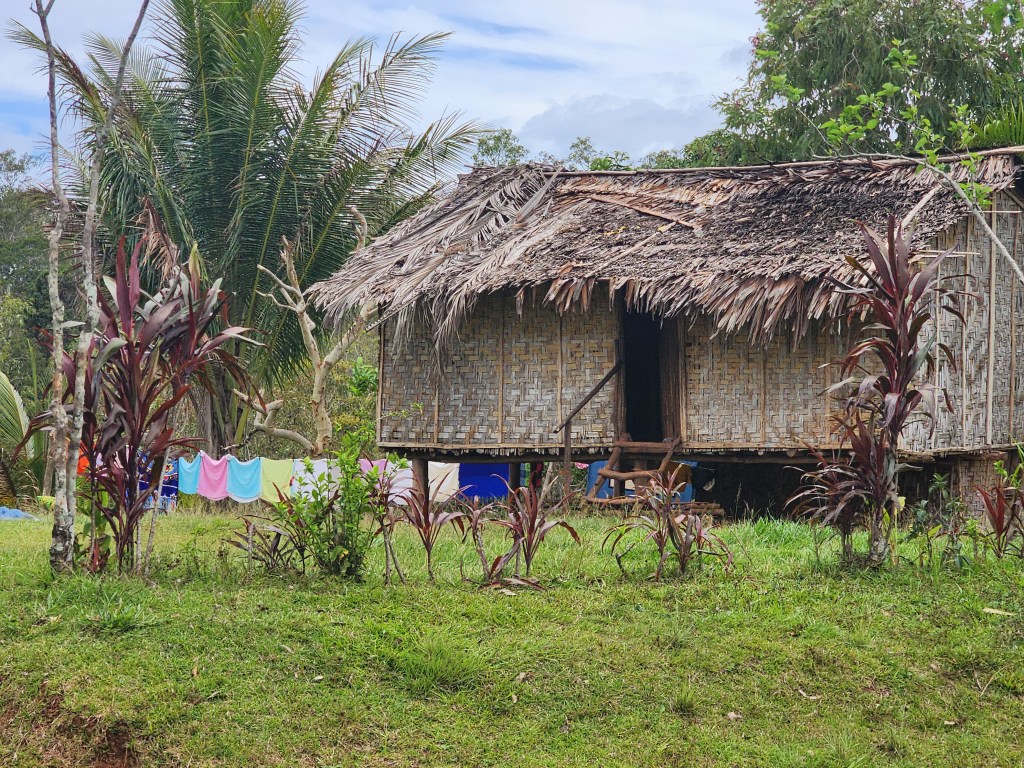
Located in Oceania, Papua New Guinea is a captivating country with a rich cultural tapestry. It encompasses the eastern half of the island of New Guinea and several offshore islands. Its diverse landscapes range from lush rainforests to rugged mountains. Traditional customs and rituals continue to play a significant role in daily life, and vibrant festivals celebrate indigenous heritage.

go
The best time to visit most regions of Papua New Guinea is during the dry season, which typically runs from May to October. During this period, temperatures are most pleasant, and rainfall is not too troublesome. However, there are a couple of exceptions: the Lae and Alotau regions are best visited in October and November1. If you’re looking for the warmest time to visit, consider going in early December, when highs are around 88.4°F (31.3°C).
do
Here are some must-do highlights:

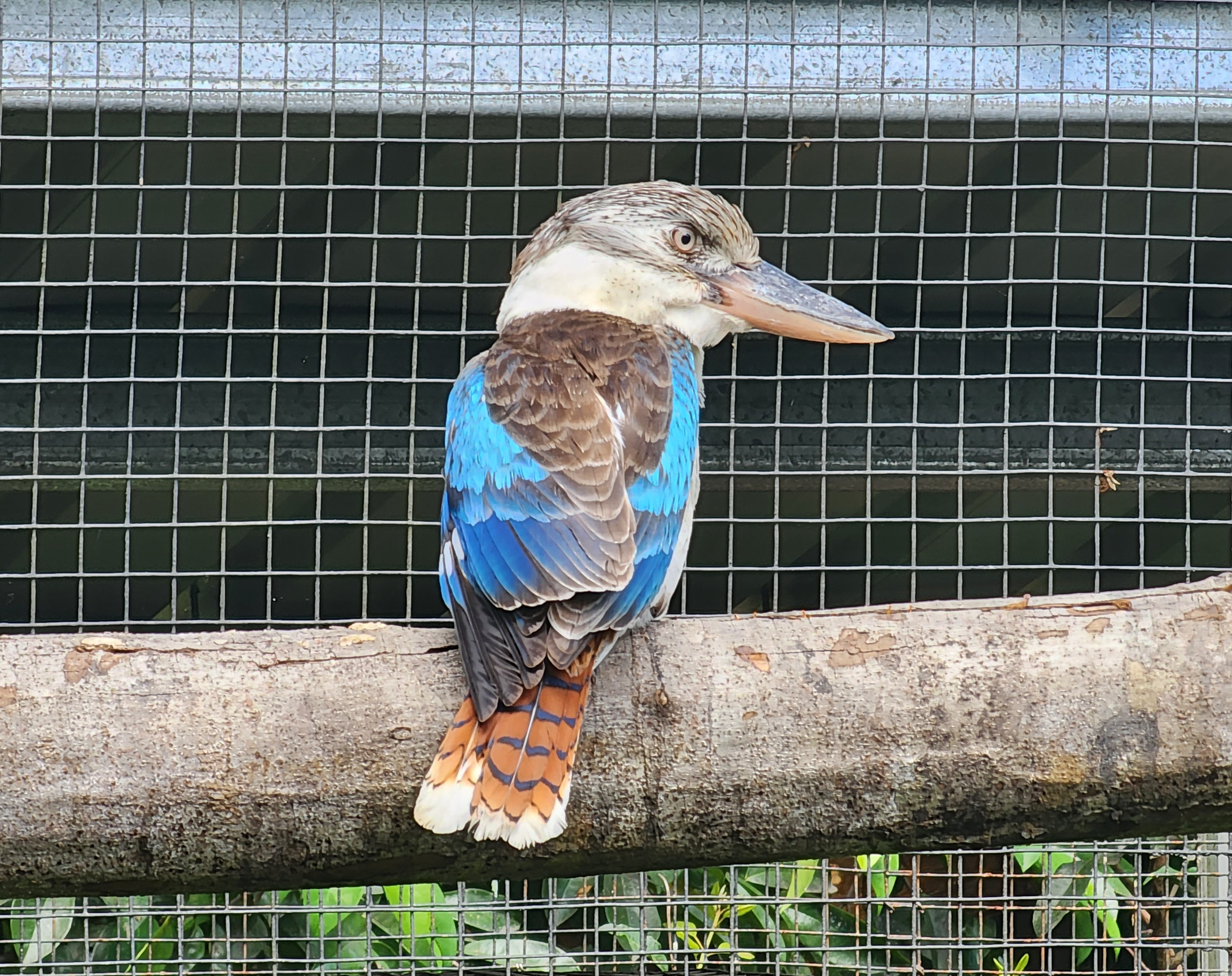
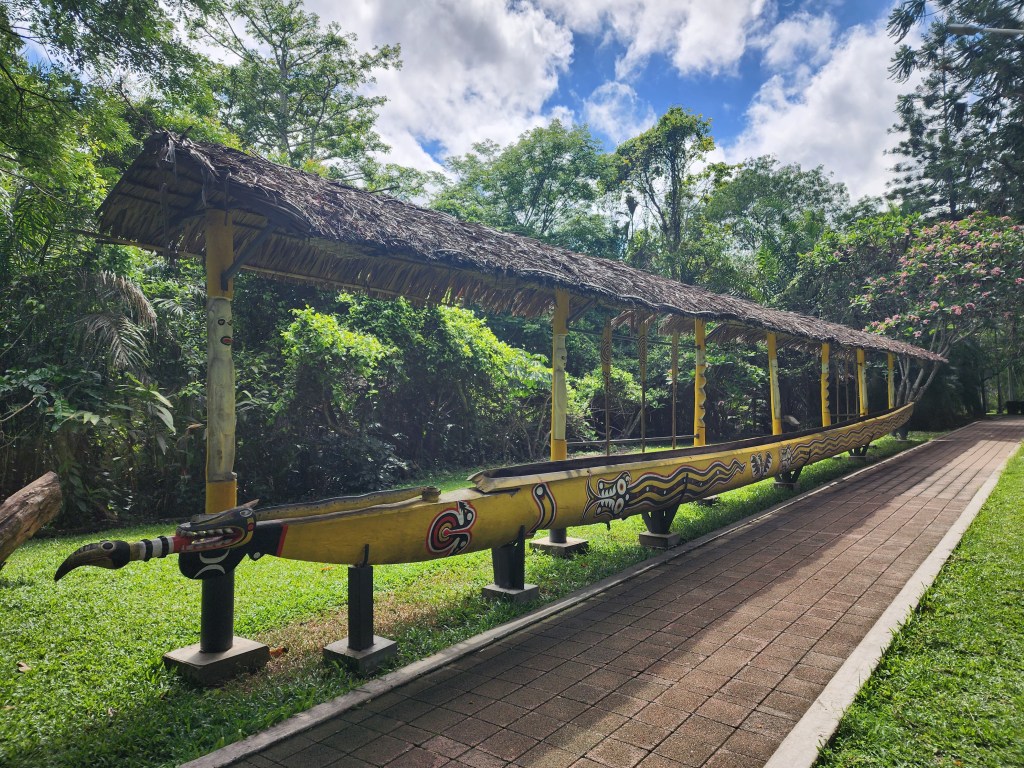
Port Moresby Nature Park: This award-winning wildlife park combines botanical, zoological, and cultural experiences within its 30 acres. You’ll encounter over 550 native animals, including bird-of-paradise, tree-kangaroos, cassowaries, wallabies, reptiles, and various bird species. The park also features the only rainforest tract within the capital city, making it a lush escape from the urban hustle and bustle.

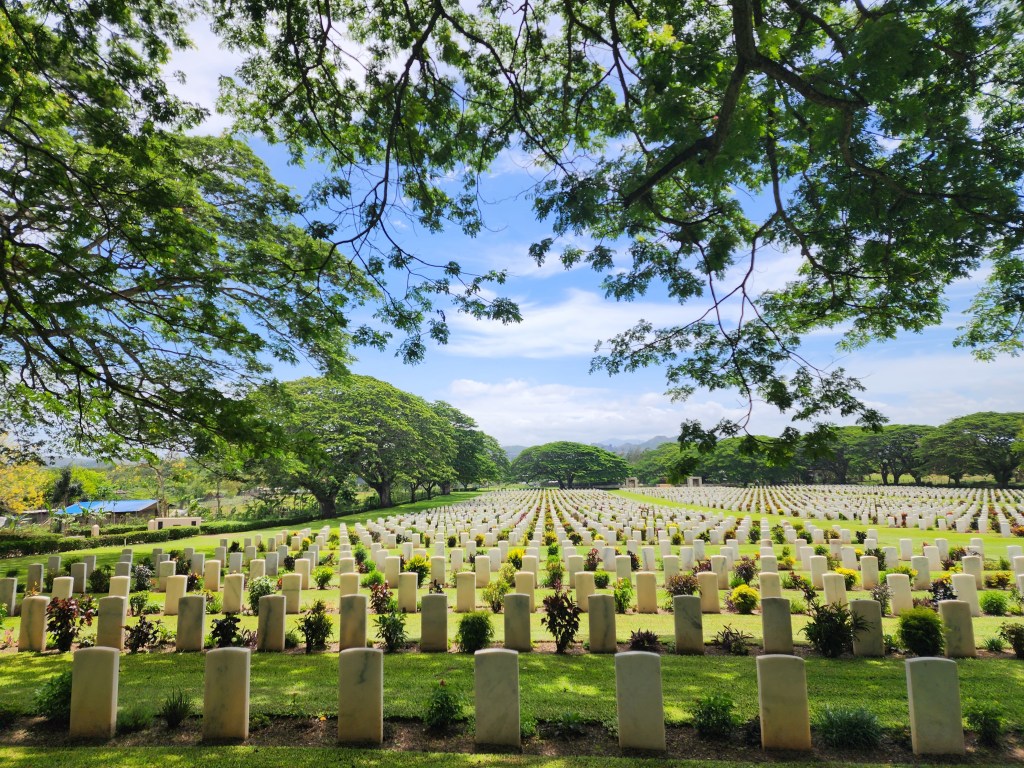
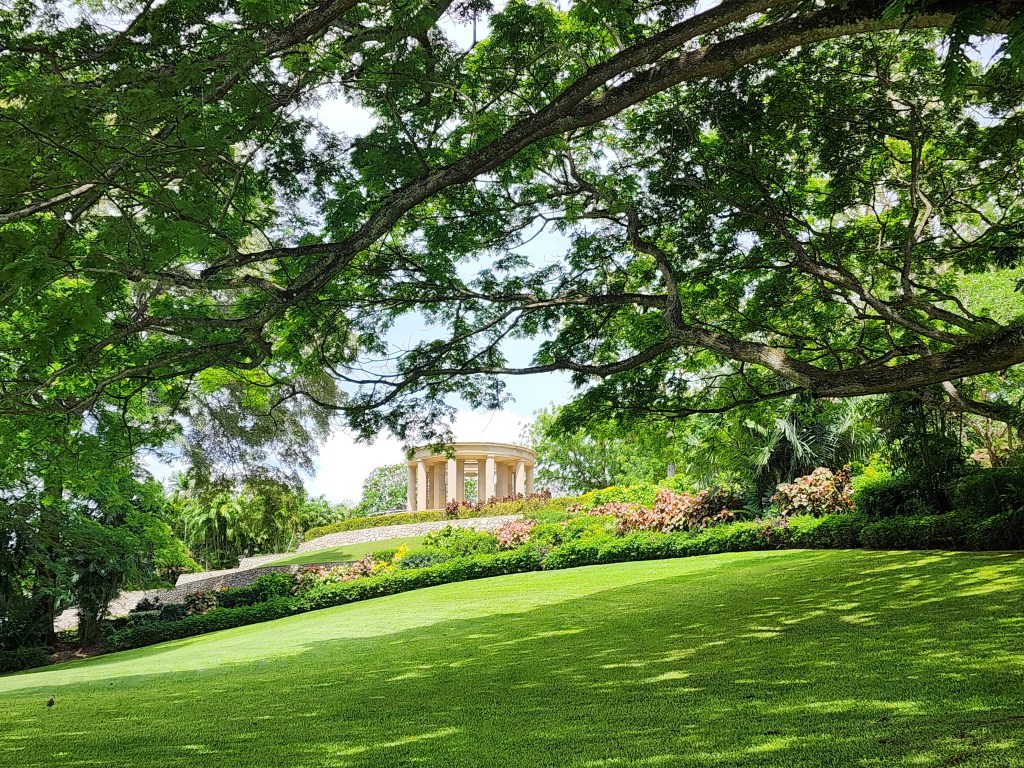
Bomana War Cemetery: While a somber experience, the well-maintained Bomana War Cemetery is a place to pay respects. It commemorates soldiers who lost their lives during World War II.

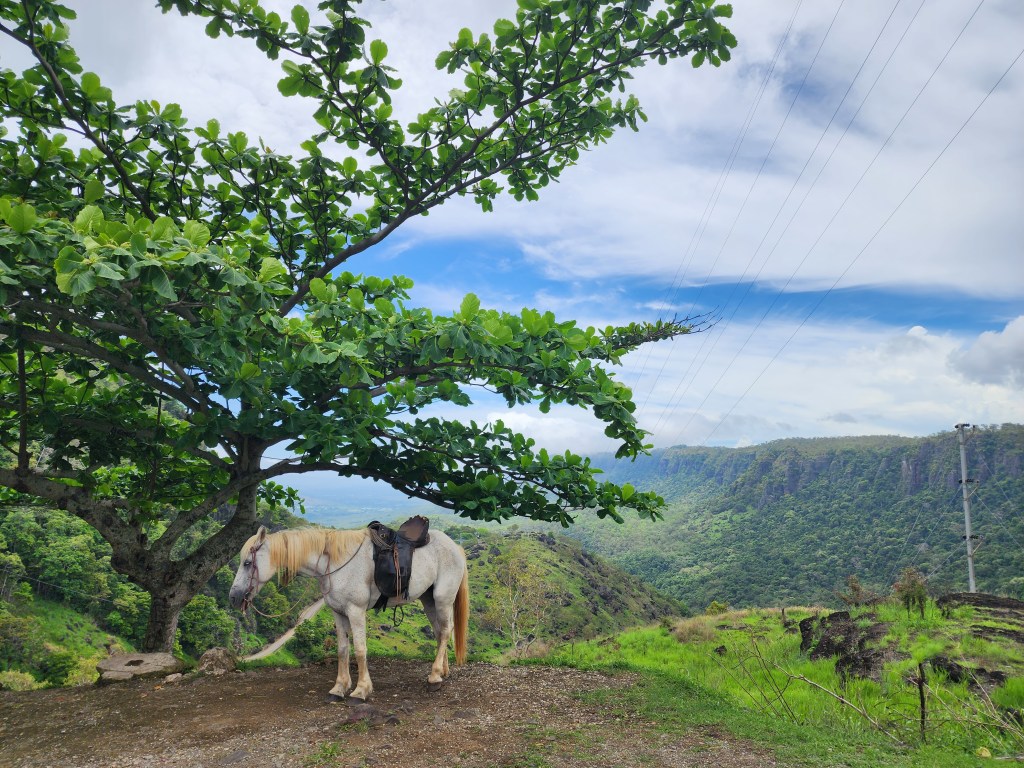
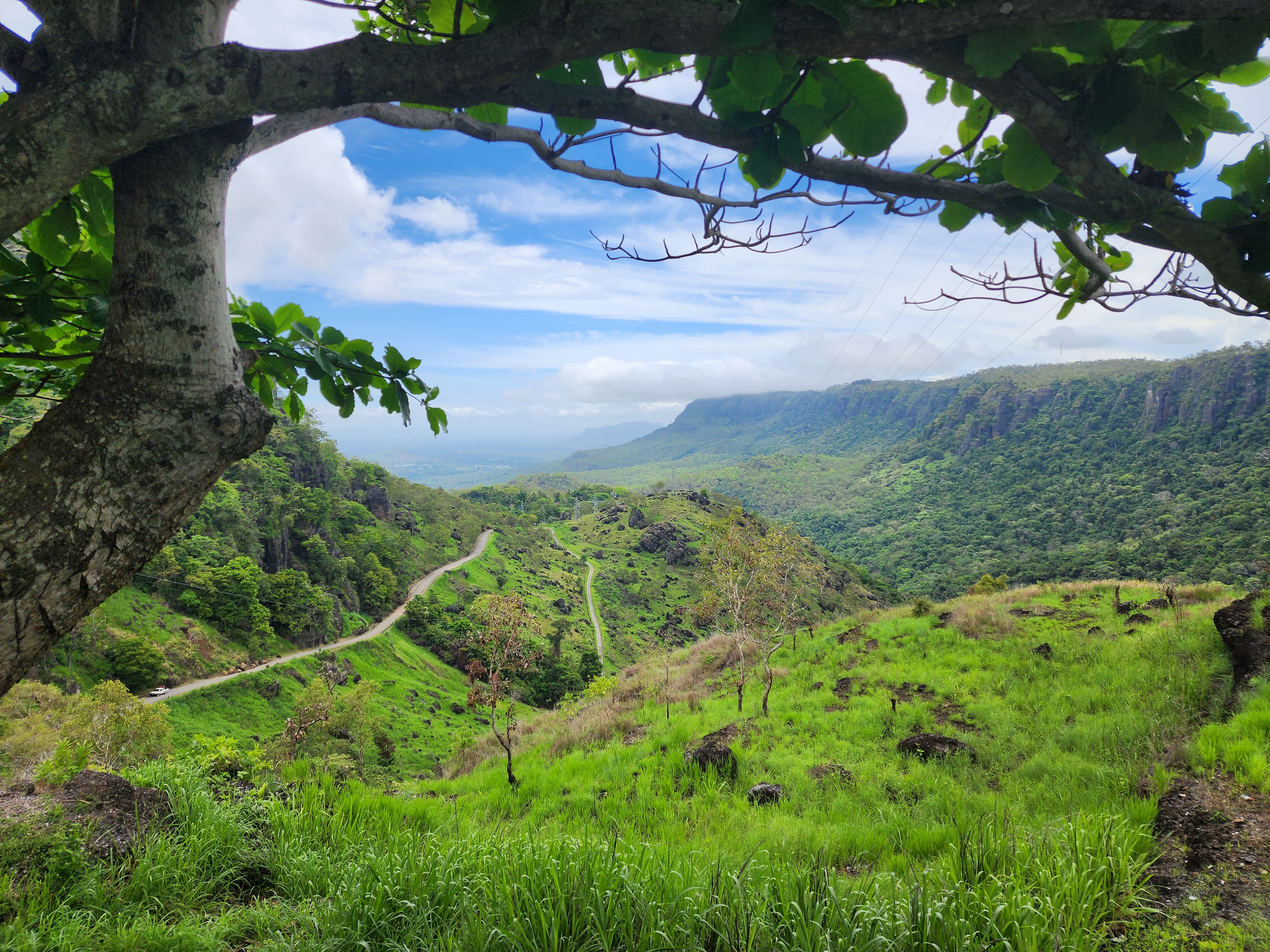
Varirata National Park: Early risers can catch the mesmerizing morning mist over this natural mountain region. The park offers fantastic views, abundant birdlife, and other wildlife. Don’t miss the opportunity to explore its trails and take in the scenery.

National Museum and Art Gallery: Located on Independence Hill, this traditionally designed museum houses an excellent collection of New Guinea art and cultural artifacts. It’s a great place to learn about the region’s rich heritage.
eat
Here are some must-try dishes:

Talautu: A refreshing Papuan dessert made with shredded coconut, pineapple, sugar, lemon juice, and coconut milk. It’s typically served in coconut shells after a big meal.

Kol Pis No Rais: This dish combines fish (usually canned tuna) with rice. Sometimes, peas and corn are added. It’s enjoyed in coastal areas as both a snack and a main course.

Kaima Bona Gatoi: A vegetable dish featuring grilled eggplants, zucchini, hot peppers, and onions. Marinated in a mixture of vinegar, olive oil, herbs, and garlic, it pairs well with barbecued meat and fish.

Kaukau: One of the most popular dishes, Kaukau is prepared using sweet potatoes. After baking and peeling, the sweet potatoes are mashed and often returned to their skins. Coconut milk, coconut oil, garlic, ginger, cheese, eggs, or cinnamon enhance the flavors.
tips
Here are some useful tips to keep in mind:

Currency: The official currency of Papua New Guinea is the Papua New Guinean Kina (PGK). It’s advisable to exchange some currency upon arrival or withdraw cash from ATMs. Credit cards are accepted in major cities, but cash is essential in more remote areas.

Know where to go: In PNG, there’s no such thing as public land. Every inch of space belongs to the people, either Papuan tribes or families. Avoid trespassing on someone’s land by asking locals where you should and shouldn’t go. Better yet, have a local guide with you.

Get a guide: The people of PNG respect associations. Having a local guide will help you make a good impression when you visit remote tribal villages. They can also detect subtle signs of danger and steer you to safety.

Watch your wallet: While armed robbery is rare, pick-pocketing and opportunistic crimes can happen, especially at local markets. Keep your wallet secure, hide your belongings well, and avoid carrying excessive cash or your passport when not required.

Carry hand sanitizer: Personal hygiene in PNG may not meet Western standards. Regularly use hand sanitizer to avoid food-borne illnesses and other health issues.

Learn some Pidgin: Although English is the language of media, government, and business, fewer than 20% of the population learned it in school. Communicate using Tok Pisin (Pidgin), a kind of broken English, to connect with locals. You’ll earn extra respect from adults and make children laugh.
 ameropasstravel.com