
The Ancient Energy of The Andes
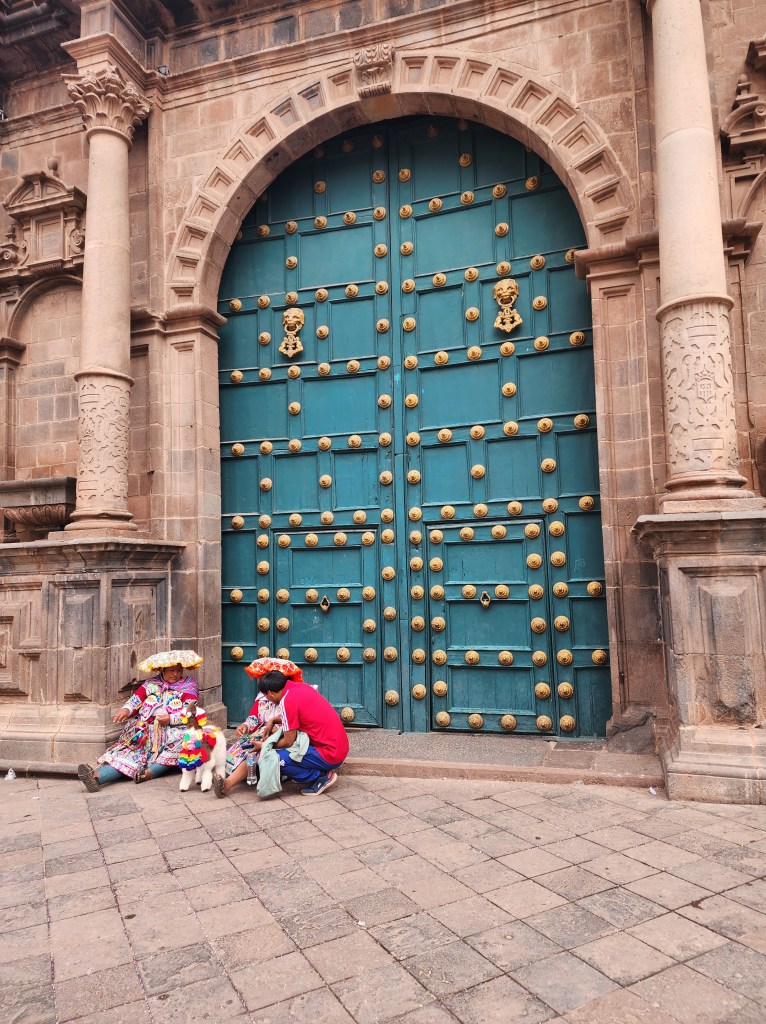
Peru, nestled in the Andes Mountains, offers stunning landscapes and deep spiritual experiences. Ancient traditions echo through its valleys, and colorful ceremonies dance in the breeze. The heart of Peruvian spirituality lies in the Andean cosmovision, where mountains are revered as wise guardians, rivers as lifeblood, and ancient stones hold timeless stories. Shamanic practices, including Ayahuasca healing and water offerings, bridge the earthly and the mystical.

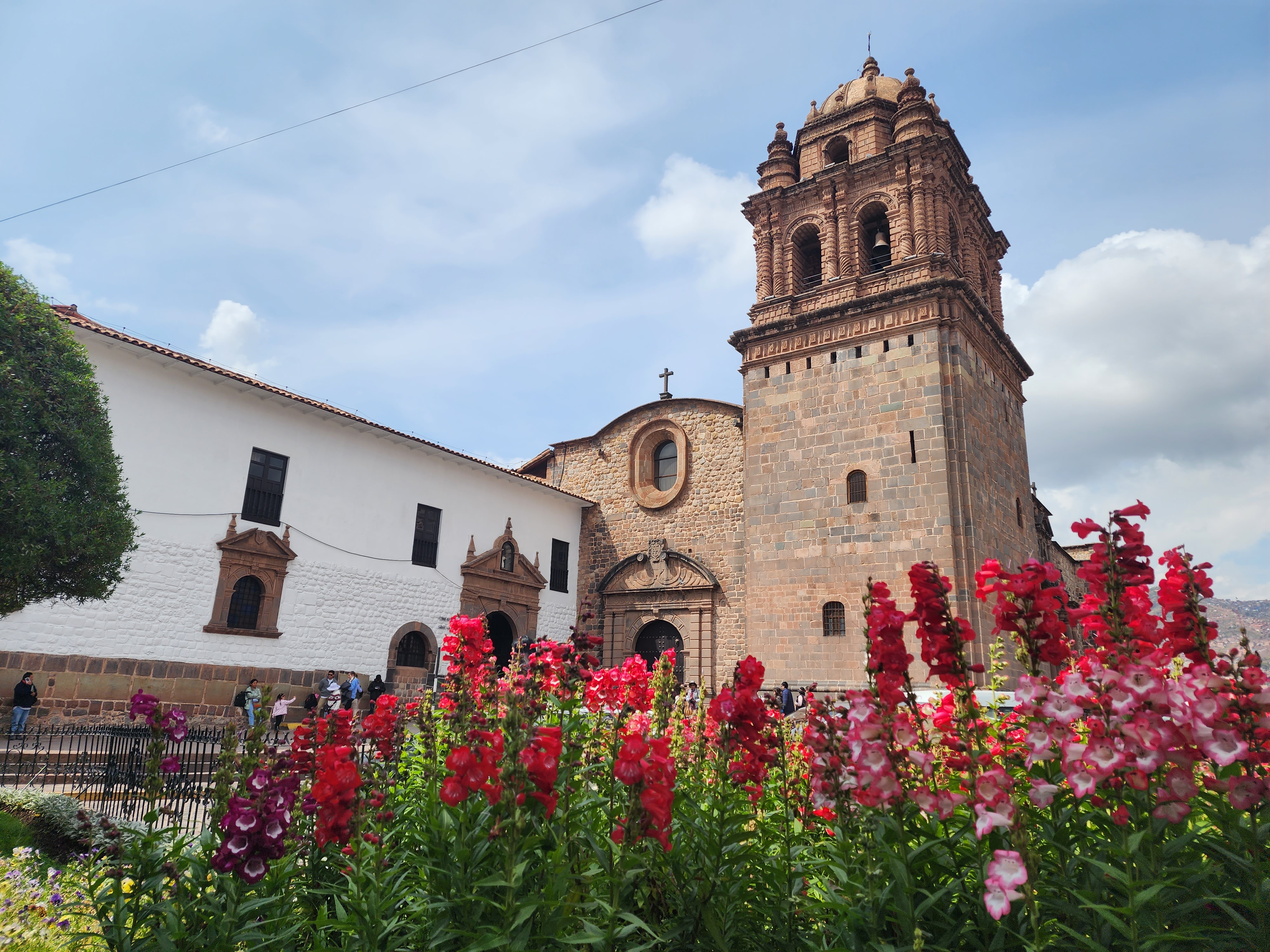

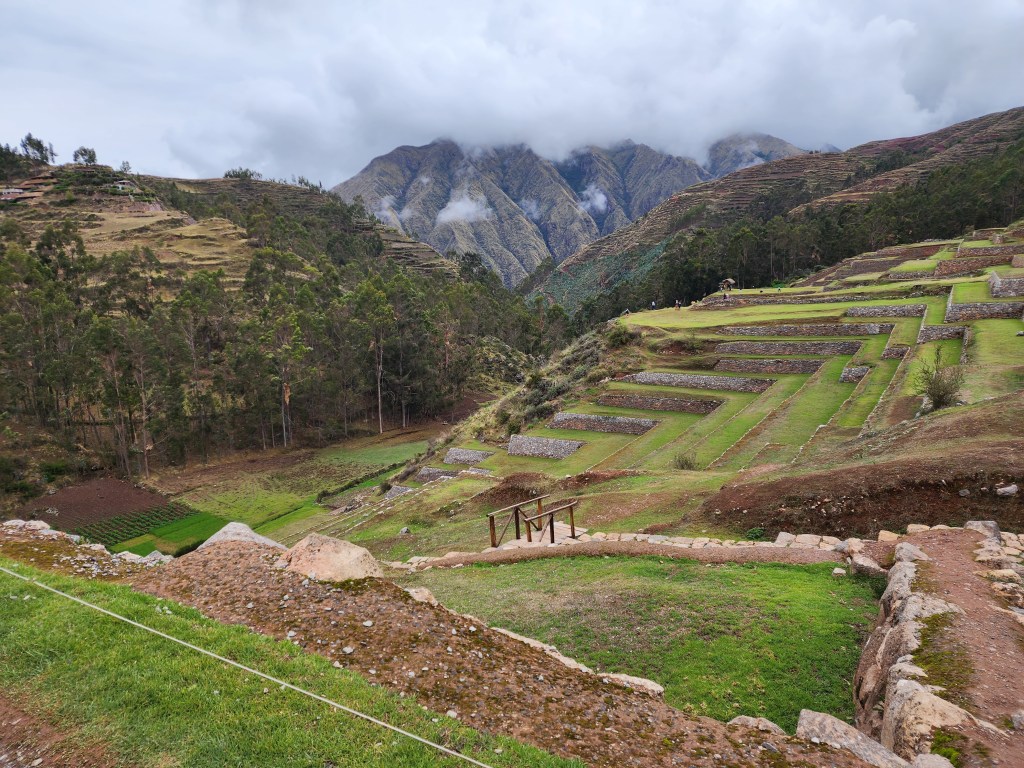
go
The best time to visit Peru depends on your interests and preferences. Here are some recommendations:
June to August: Ideal for Andean and Amazonian adventures. The weather is clear, and the Andes are bathed in sharp sunlight. It’s peak hiking season, especially around Cuzco and Machu Picchu. Don’t miss the vibrant Inti Raymi festival in June.
July: Dry season in the Amazon Basin. Wildlife is easier to spot, and river rafting conditions are excellent La Virgen del Carmen celebrations in Paucartambo are like a mini Mardi Gras.
September to November: Quieter hikes and great for surfing without crowds. Sunny days linger in the Andes, making it a pleasant time to explore.
December to February: Perfect for beach lovers. Explore Peru’s magnificent beaches at their best during this season.
do
Here are some must-do things in Peru:

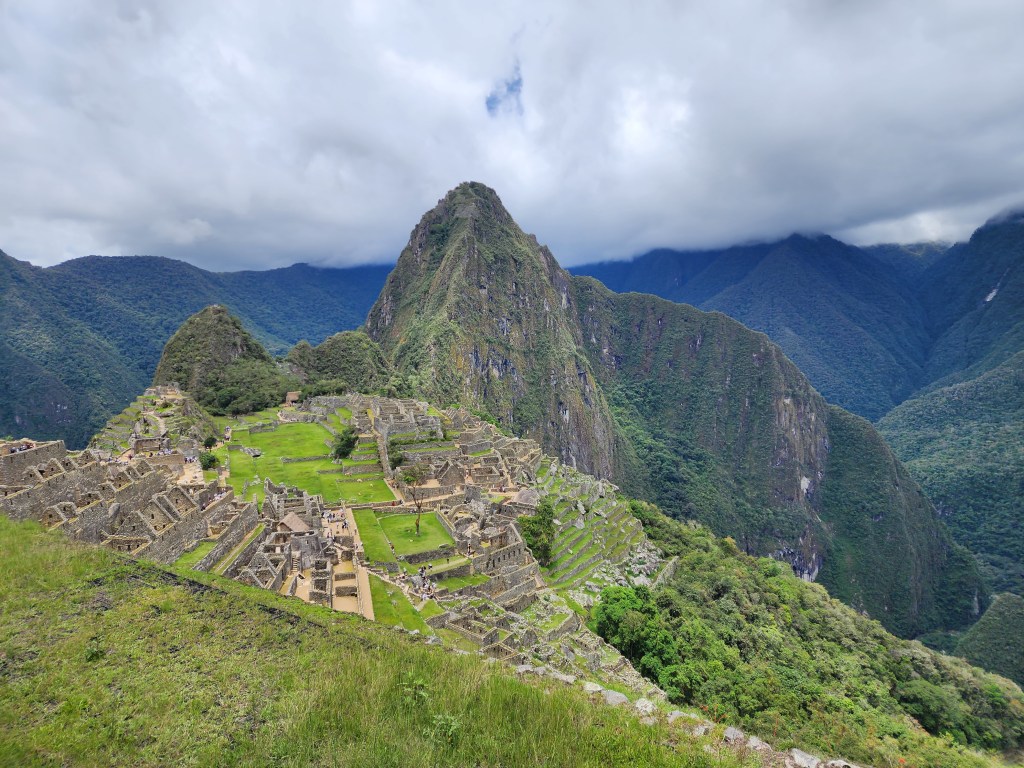
Machu Picchu: This mystical 15th-century Inca archaeological site is one of the New Seven Wonders of the World. Perched at an impressive height of 2,430 meters (7,972 feet) above sea level, Machu Picchu features temples, private quarters, and ceremonial platforms. You can reach it via a two-hour train ride from Ollantaytambo or by trekking the classic Inca Trail.

Caral: Often overlooked by tourists, Caral is an ancient city that dates back around 5,000 years. Located in the high desert of the Supe Valley, it predates the Incas and offers a glimpse into the beginnings of Andean culture. With mud-brick amphitheaters, ceremonial rooms, and circular plazas, Caral is an impressive UNESCO World Heritage Site.

Kuelap: Situated in the Amazonas region of northern Peru, Kuelap is a walled settlement built by the Chachapoyas culture. Often called the “Machu Picchu of the North”, it stands at an elevation of 3,000 meters (9,842 feet) above sea level and predates the Inca citadel by at least 500 years. Explore hundreds of circular structures and immerse yourself in ancient history.

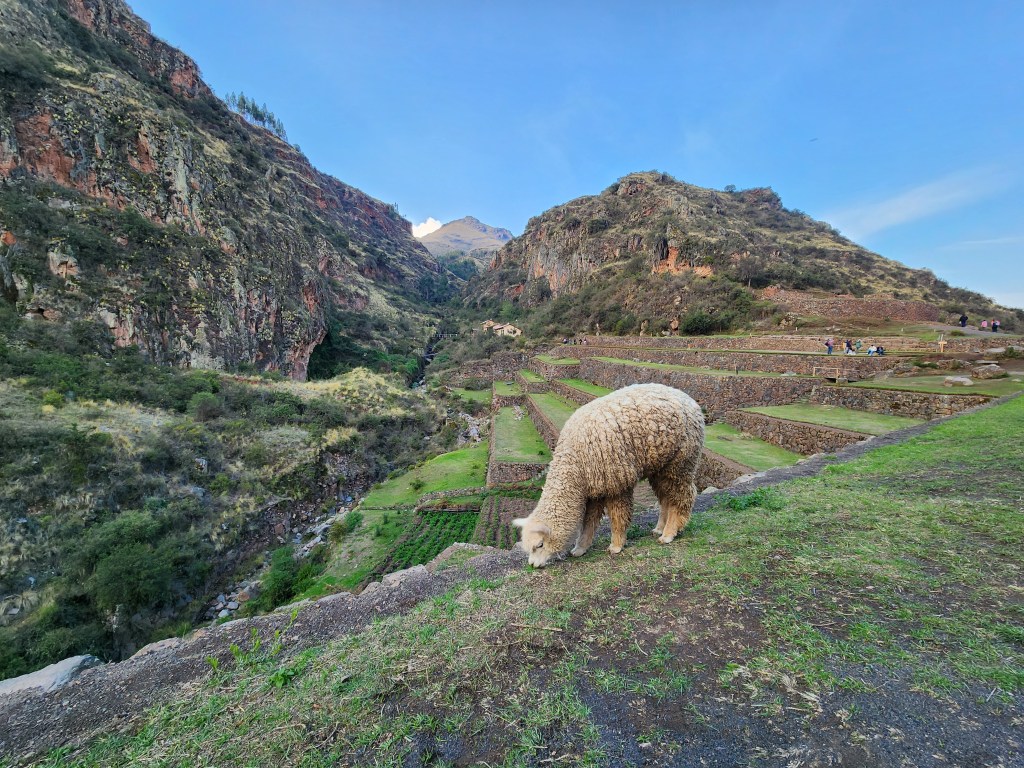
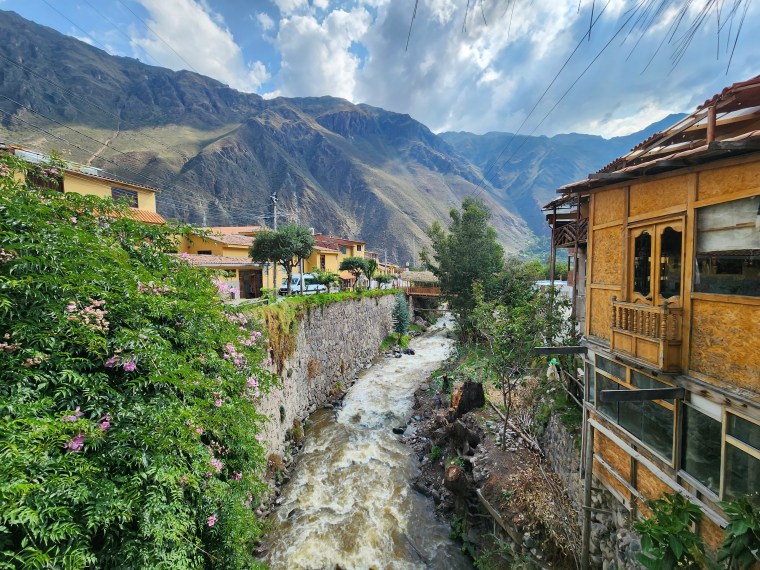
The Sacred Valley: Known for its handicrafts, the Sacred Valley offers stunning landscapes, Inca ruins, and vibrant markets. It’s an excellent stop on your way to Machu Picchu.

Huaraz: Adventure seekers will love Huaraz, a base for exploring the Cordillera Blanca mountain range. Trekking, mountaineering, and breathtaking views await.

Arequipa: This colonial-era city boasts beautiful architecture, including the Santa Catalina Monastery. Don’t miss the chance to explore the Colca Canyon, home to the majestic Andean condor.

Lake Titicaca: The highest navigable lake in the world, Lake Titicaca offers boat tours to its floating islands. Immerse yourself in the local culture and enjoy the serene beauty.

Choquequirao: For intrepid hikers, Choquequirao is a challenging alternative to Machu Picchu. The trek rewards you with stunning views and ancient terraces.
eat
Here are 10 must-try Peruvian dishes:

Ceviche: The national dish, ceviche, features raw fish (usually sea bass or white fish) marinated in lime juice, onions, and hot chilies. Served cold, it’s accompanied by starchy boiled corn (choclo) and sweet potatoes (camote).

Lomo Saltado (Stir-Fry Beef): A fusion of Chinese and Peruvian flavors, lomo saltado combines marinated beef strips with onions, tomatoes, and French fries. It’s typically served with rice or potatoes.

Aji de Gallina (Creamy Chicken): A comforting dish made from shredded chicken cooked in a creamy sauce made with yellow chili peppers, bread, and milk. Served with rice and boiled potatoes.

Papas a la Huancaína (Potatoes in Spicy Cheese Sauce): Boiled potatoes smothered in a spicy cheese sauce made from aji amarillo peppers, queso fresco, and evaporated milk. Often served with olives and hard-boiled eggs.

Cuy (Guinea Pig): A unique delicacy, cuy (guinea pig) is roasted or fried and served whole. It’s a traditional Andean dish with a rich flavor.

Causa (Potato Casserole): Layers of seasoned mashed potatoes filled with various ingredients like chicken, avocado, or seafood. Topped with aji amarillo sauce and garnished with olives and hard-boiled eggs.

Rocoto Relleno (Stuffed Spicy Peppers): Spicy rocoto peppers stuffed with a mixture of ground beef, onions, raisins, and peanuts. Baked until tender and served with a side of potatoes.

Anticuchos de Corazón (Grilled Heart): Skewers of marinated beef heart grilled to perfection. A popular street food often served with potatoes and a spicy sauce.

Arroz Con Pato (Rice with Duck): Tender duck cooked with cilantro, beer, and spices, served over a bed of flavorful cilantro rice. A hearty and aromatic dish.

Pollo a la Brasa (Roasted Chicken): Succulent rotisserie chicken marinated in a blend of spices and herbs. Served with French fries and aji sauces for dipping.
tips
Here are some practical tips:

Currency: The official currency of Peru is the Peruvian sol (S/)1. It’s subdivided into 100 céntimos (cents). As of the latest update, 1 US Dollar (USD) is approximately equal to 3.74 Peruvian soles (PEN)3. Keep this exchange rate in mind when handling money during your trip.

Acclimate to Altitude: Peru has high-altitude destinations like Cusco and Machu Picchu. Spend a day or two acclimating before any physically demanding activities. Stay hydrated and consider local remedies for altitude sickness, such as muña tea and coca leaves.

Learn Basic Phrases: English isn’t as common in Peru, so knowing a few basic Spanish phrases can be helpful.

Visit Local Markets: Explore local markets for unique souvenirs and fresh produce.

Budget-Friendly Travel: Peru is reasonably priced, making it an excellent destination for budget travelers.
 ameropasstravel.com