
Island-Hopping Paradise, Hidden Gems
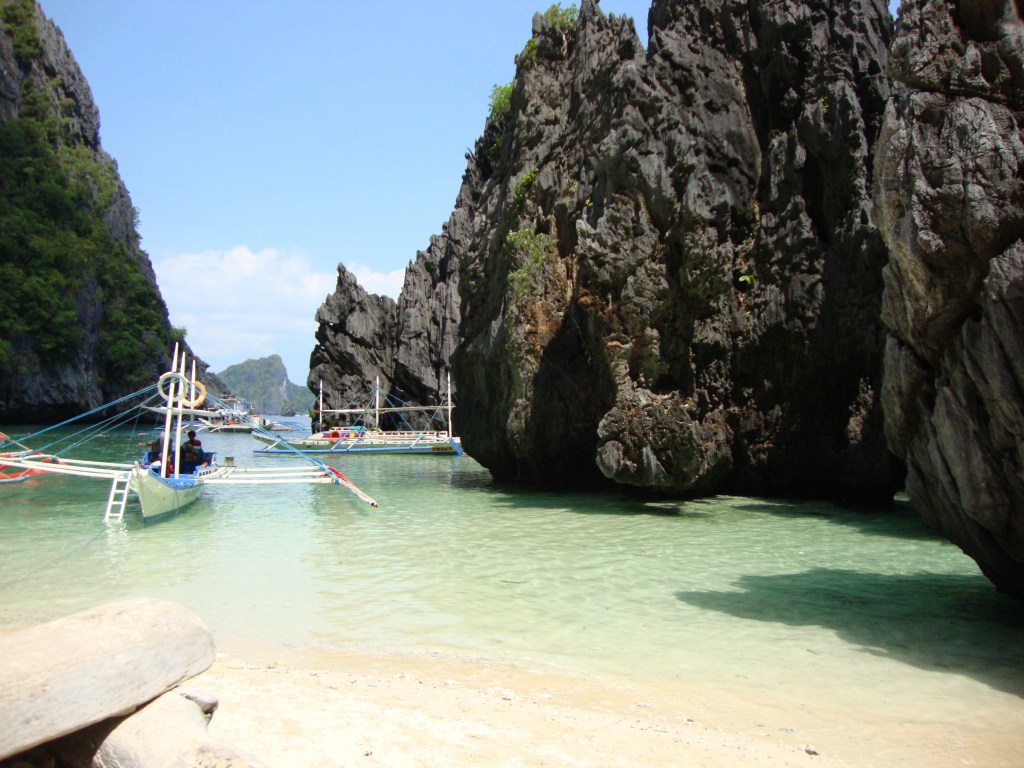
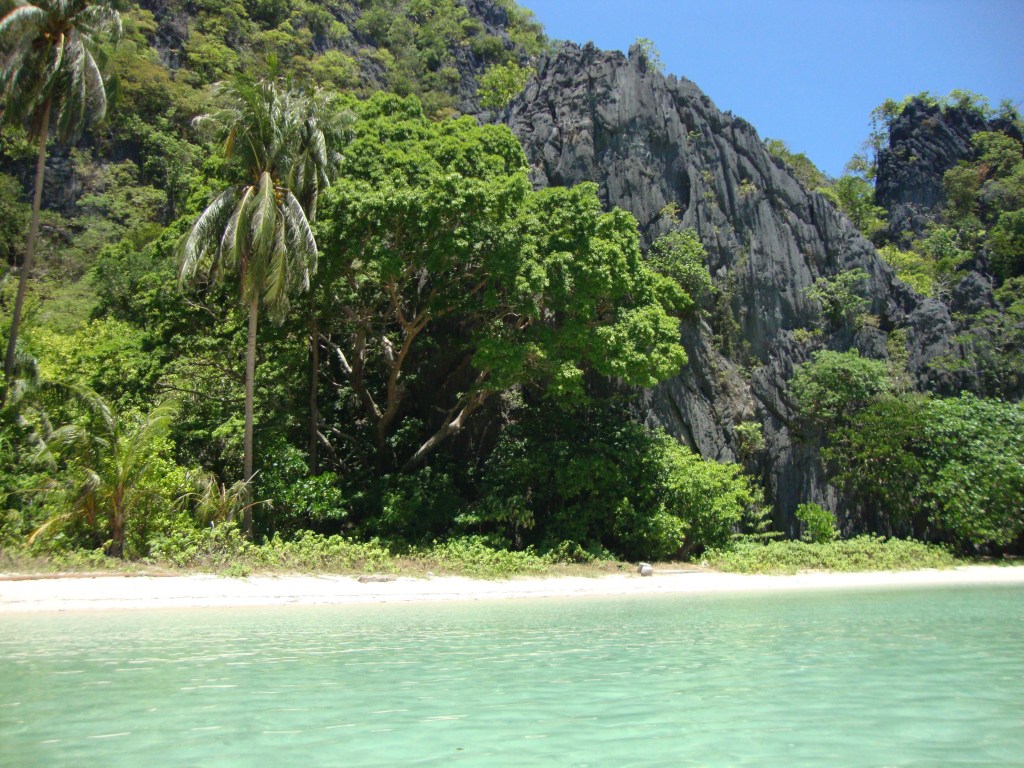
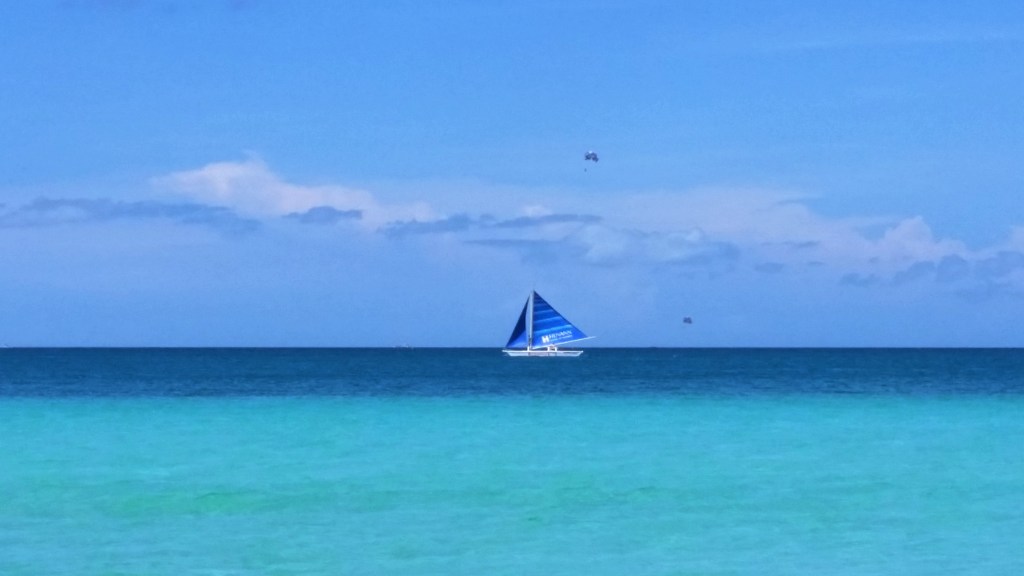
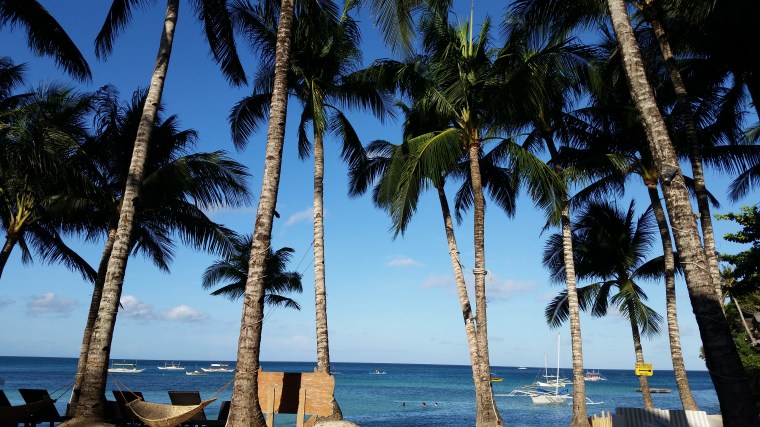
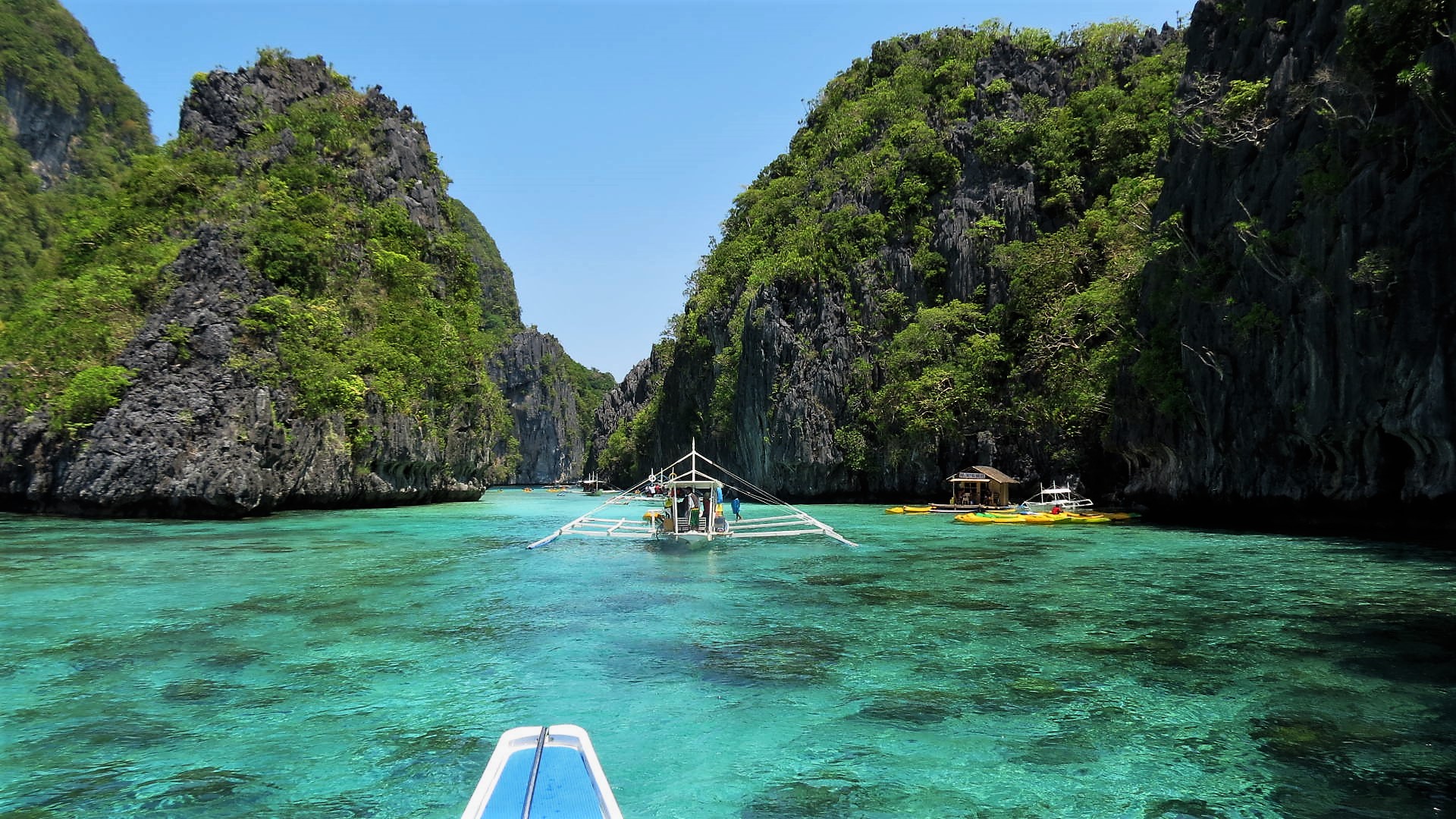
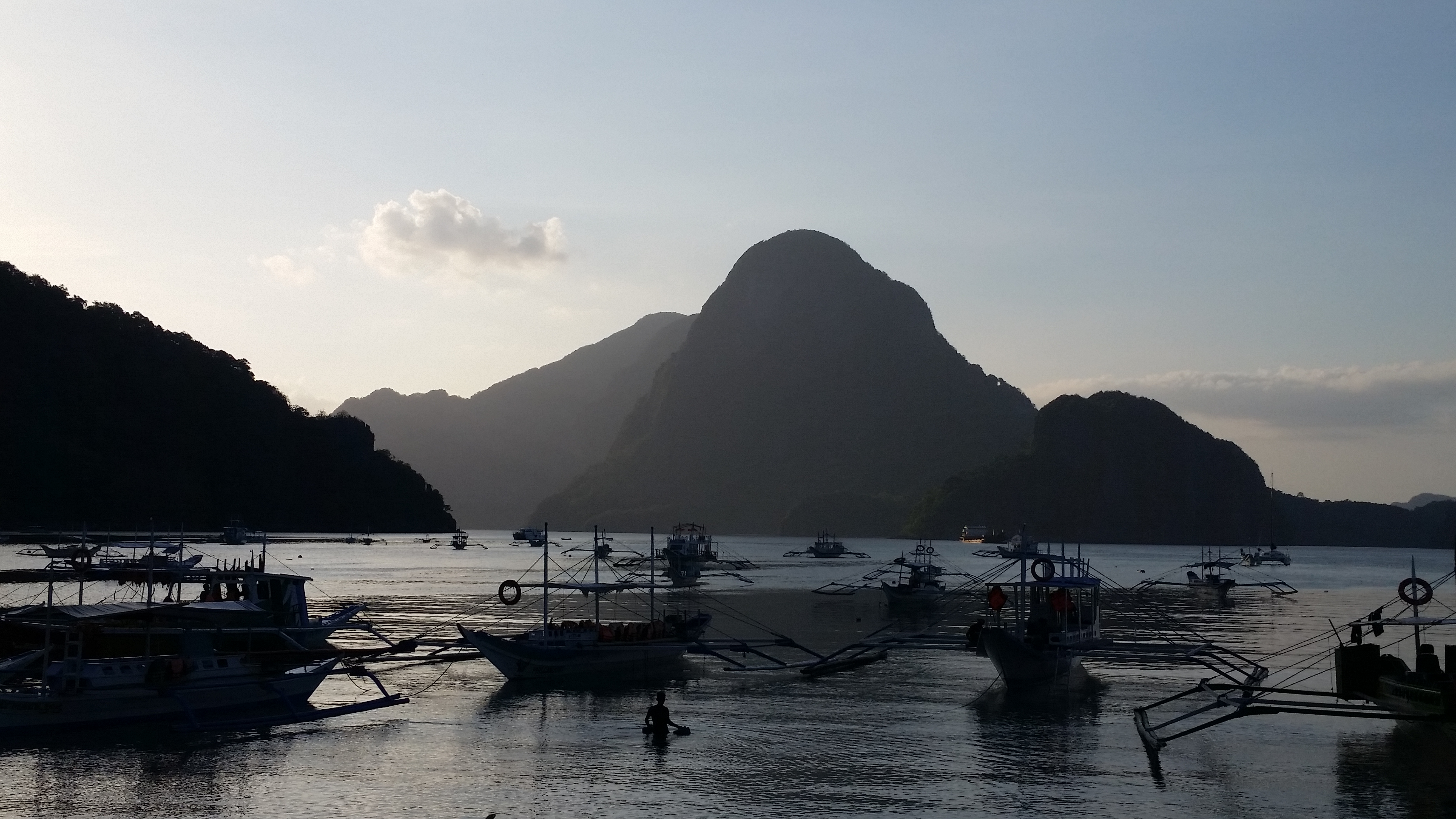
The Philippines, a tropical paradise in Southeast Asia, beckons with its 7,641 islands of pristine beaches, lush rainforests, and vibrant culture. Explore historic sites in Manila, savor local delicacies, and immerse yourself in colorful festivals. Whether you’re diving in Palawan, hiking the Chocolate Hills in Bohol, or relaxing on the white sands of Boracay, the Philippines promises an unforgettable adventure.

go
The best time to visit the Philippines is between January and April during the warm and sunny dry season. This period offers ideal conditions for outdoor activities, sightseeing, and beach exploration. March is the most affordable month to visit, with lower hotel prices and pleasant weather. The least busy time is from April to June, while the worst time to visit is in July and August due to heavy rains and storms during the monsoon season.
do
Here are some must-do attractions:

Calle Crisologo, Vigan: Step back in time as you stroll along the cobbled streets of this 16th-century town in Vigan, Ilocos. The UNESCO World Heritage Site boasts Spanish colonial architecture, calesas (horse-drawn carriages), and delicious Ilocos empanadas.

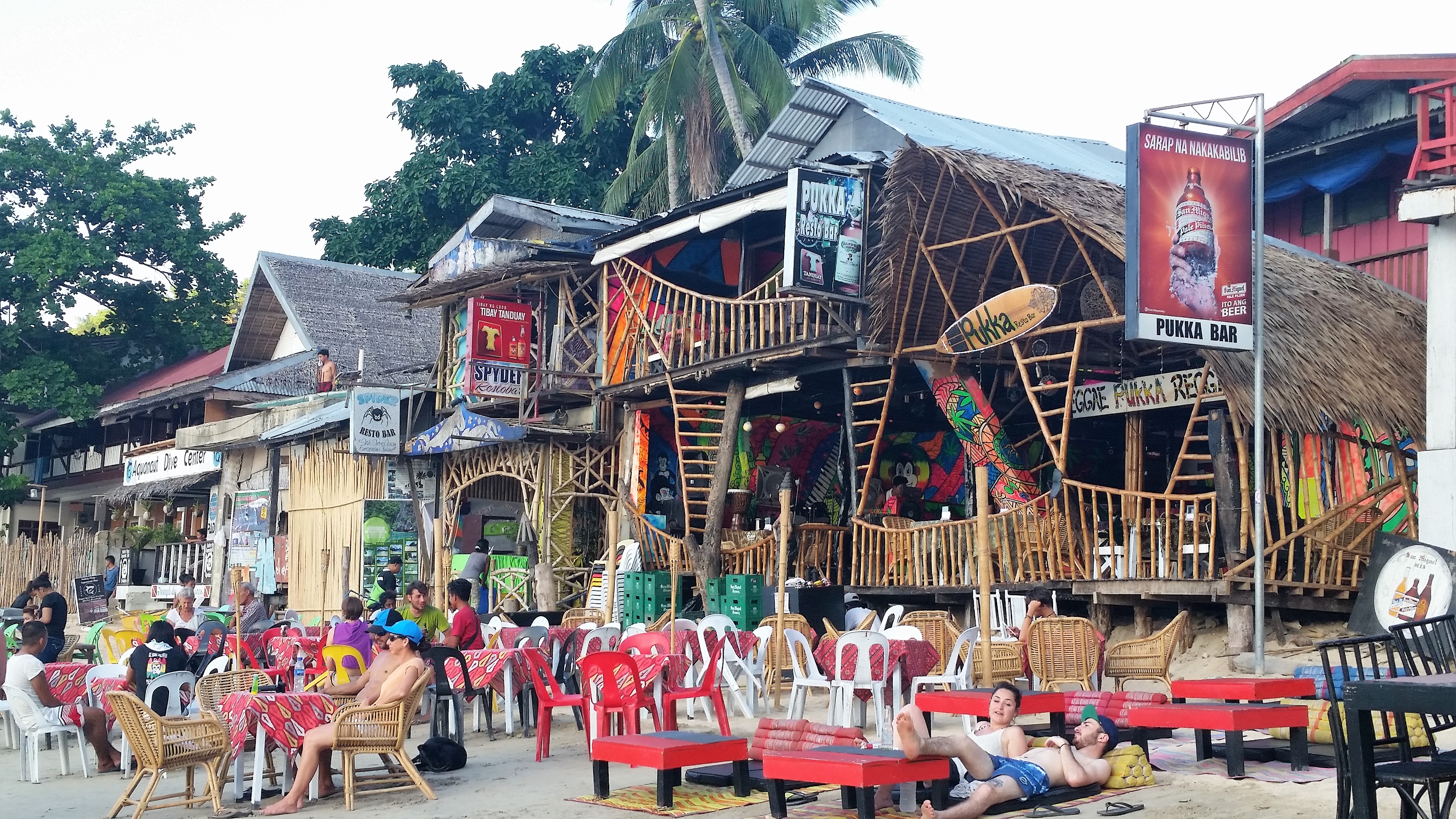
Nacpan Beach, El Nido: Discover the pristine beauty of Nacpan Beach in El Nido, Palawan. With its turquoise waters, powdery sands, and lush surroundings, it’s a paradise for beach lovers.

Banaue Rice Terraces: Marvel at the ancient terraced rice fields in Banaue, Ifugao. These stunning landscapes, carved by indigenous people, are often called the “Eighth Wonder of the World” and offer breathtaking views.

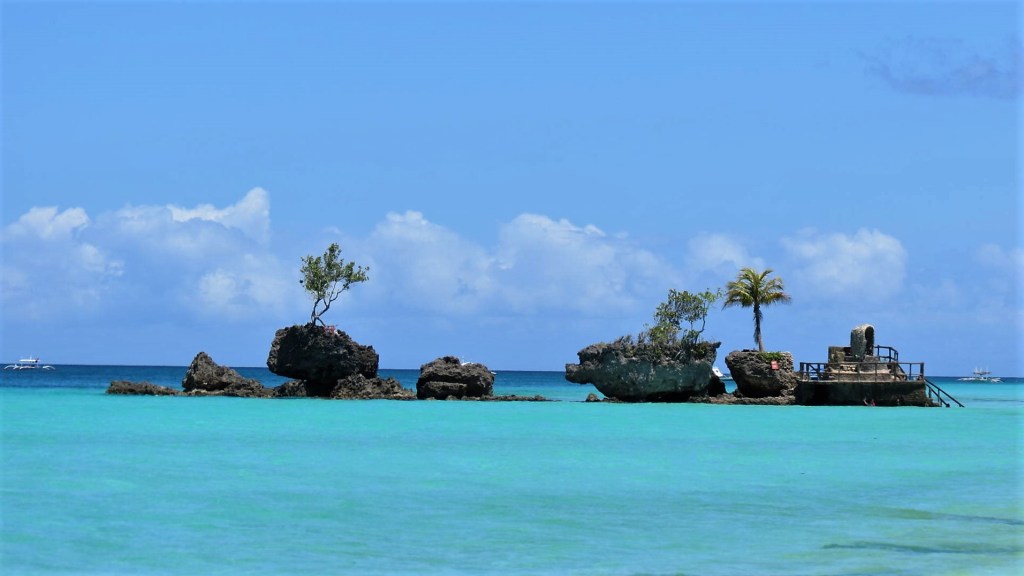
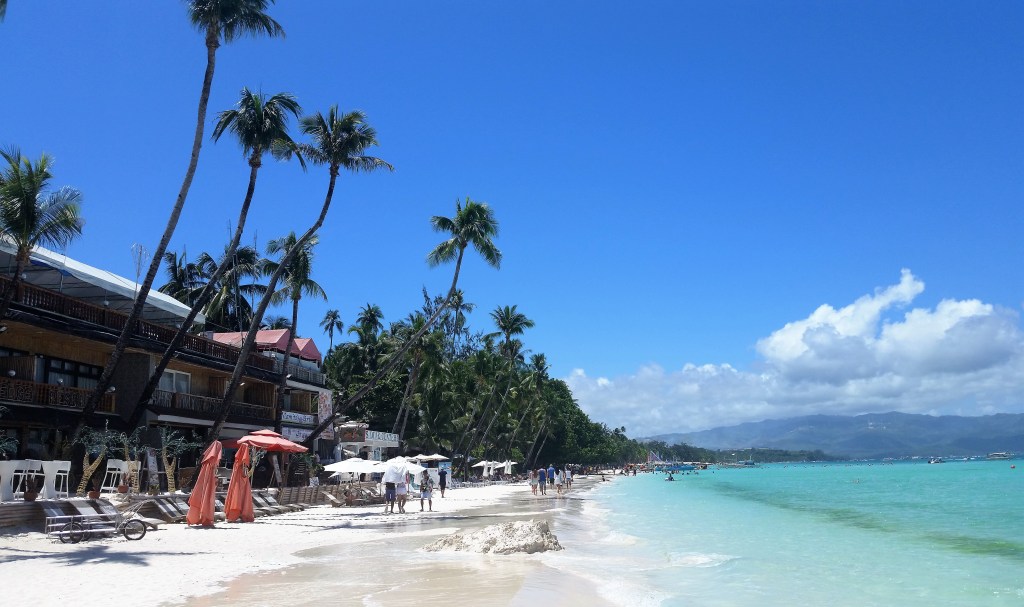
Boracay Island: Sink your toes into the soft sands of Boracay, known for its vibrant nightlife, water sports, and crystal-clear waters. Don’t miss the iconic White Beach.

MassKara Festival, Bacolod: Join the lively festivities of the MassKara Festival in Bacolod, Negros Occidental. Colorful masks, street dancing, and joyful celebrations await you.
eat
Here are some must-try Filipino foods:

Adobo: A savory dish made with cuts of meat (usually chicken or pork), garlic, spices, soy sauce, and vinegar. It’s the national dish and has various regional variations.

Sinigang: A hearty sour soup made with tamarind as the base. It features meat (often pork or shrimp), vegetables, and a tangy broth.

Kare-Kare: An umami-rich stew with oxtail, tripe, and vegetables in a thick peanut sauce. It’s typically served with a sweet shrimp paste.

Sisig: A fried pig dish that locals often enjoy with a cold beer. It’s made from chopped pig parts, including the face, ears, and liver.

Lechon: A roasted suckling pig that’s crispy on the outside and tender inside. It’s a popular dish during celebrations.

Halo-Halo: A mix-mix dessert with crushed ice, sweetened fruits, jellies, beans, and topped with leche flan and purple yam ice cream.

Bicol Express: A spicy pork dish cooked in coconut cream with chili peppers. It’s a must-try for spice lovers.

Sinangag: Filipino garlic fried rice, often served with a fried egg and a traditional meat dish like tocino or tapa.
tips
Here are some useful tips for your trip to the Philippines:

Currency: The official currency is the Philippine Peso (PHP). You can exchange money at airports or local money changers. As of now, 1 USD is approximately 57.75 PHP.

English is Widely Spoken: English is an official language in the Philippines, making communication easier for travelers. Take advantage of this and chat with locals.

Safety Awareness: Stay informed about any no-go areas due to ongoing changes in the country. Prioritize safety and ask locals for advice.

Friendly Locals: Filipinos are generally friendly and welcoming. Embrace the chilled-out vibe and interact with locals.

Don’t Overplan: While there are many beautiful places to explore, avoid trying to fit too many destinations into a short amount of time. Consider starting with Palawan, Bohol, Siargao, and Cebu.
 ameropasstravel.com