
Historic Charm, Natural Beauty
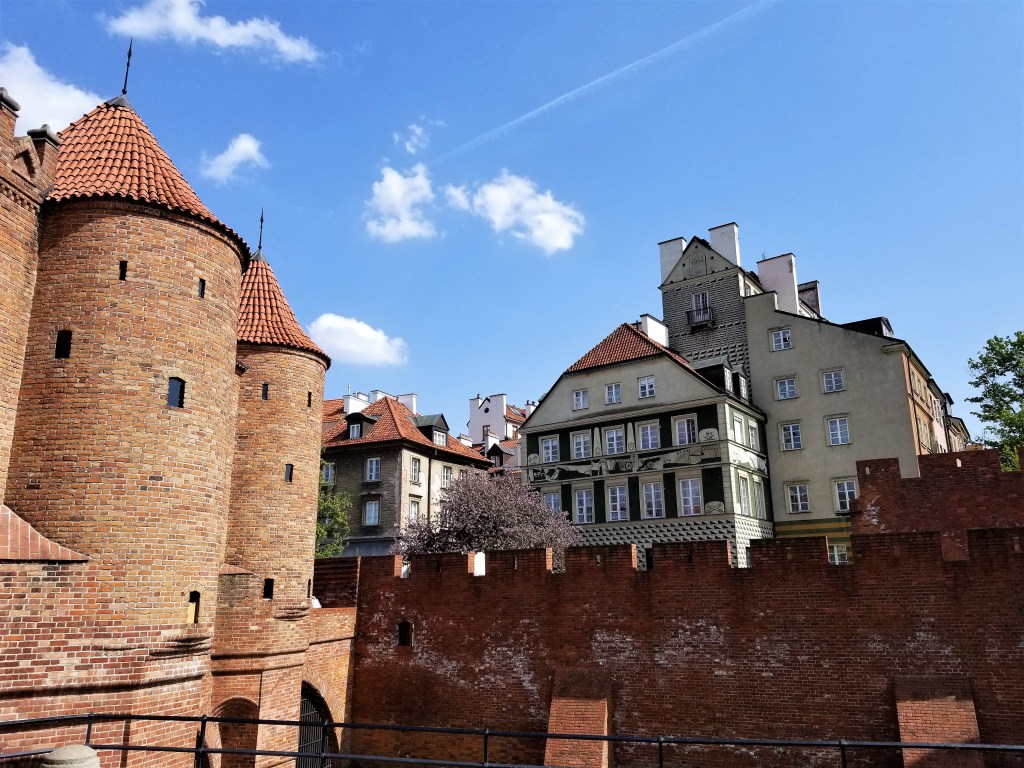
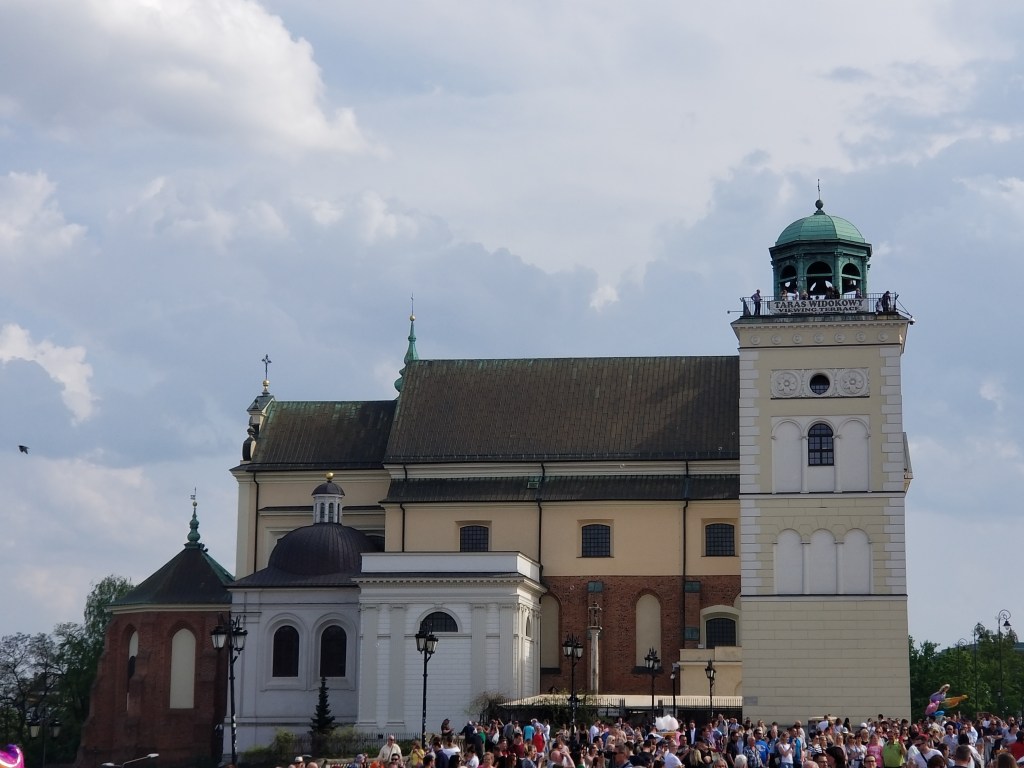
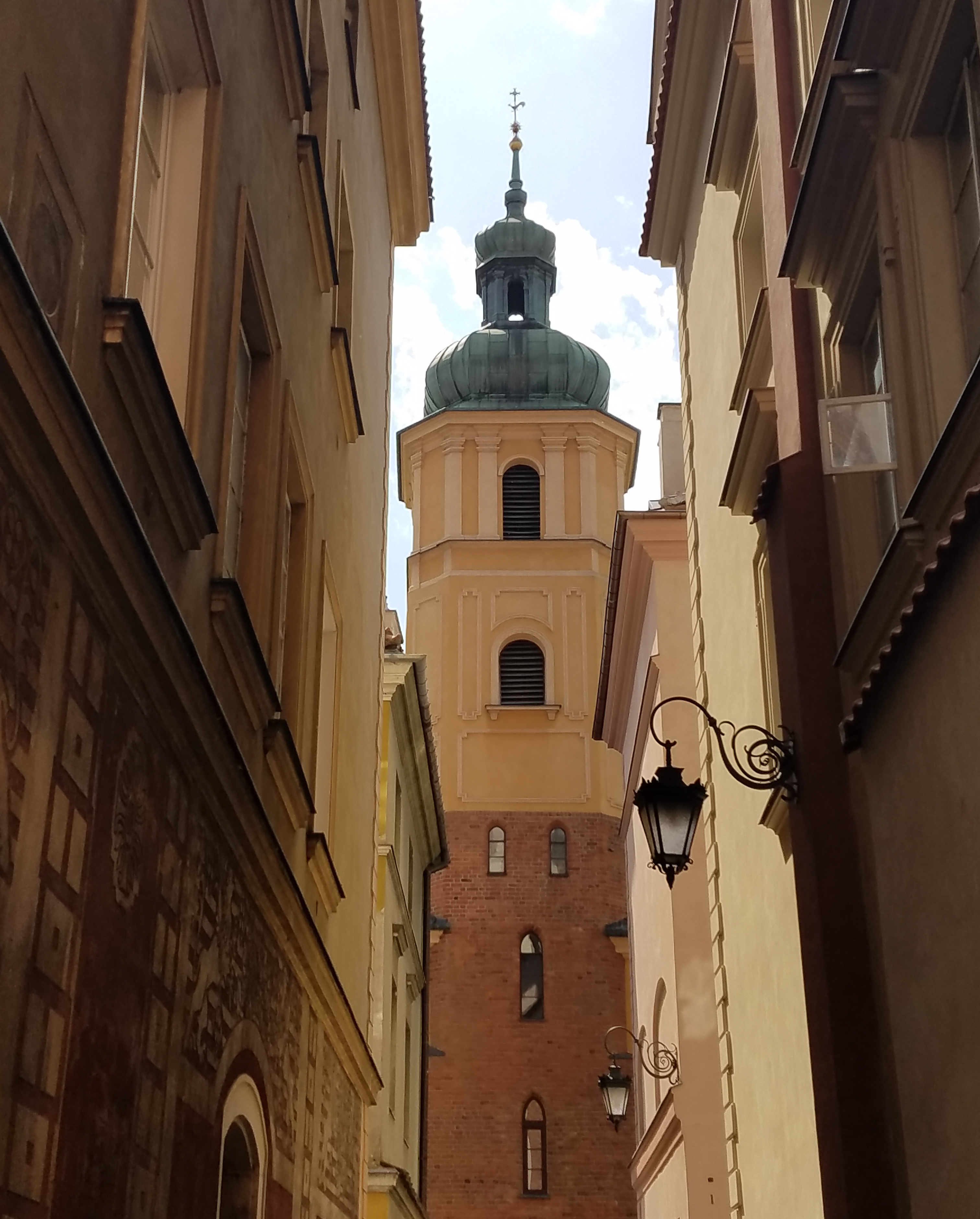
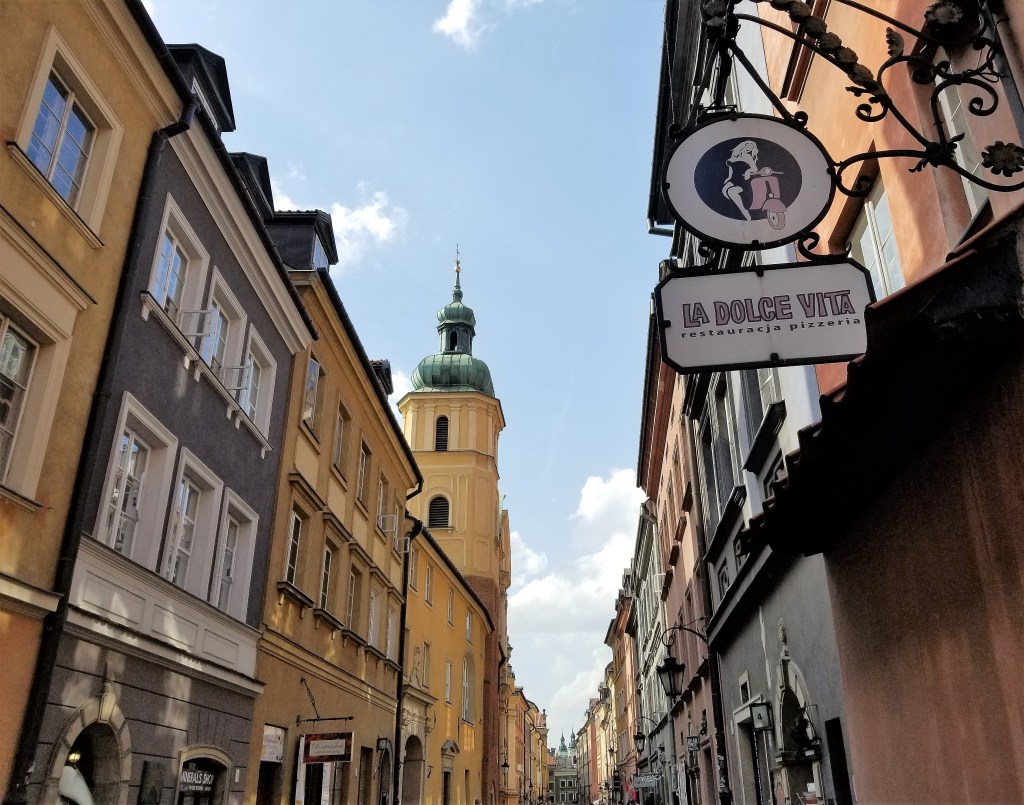
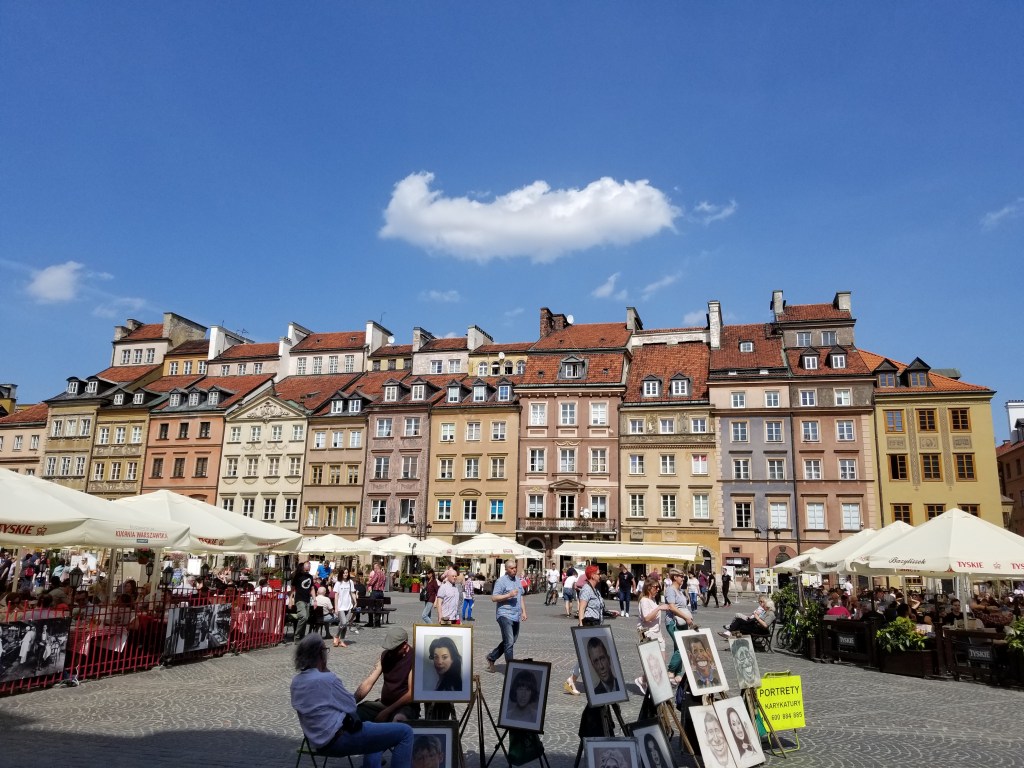
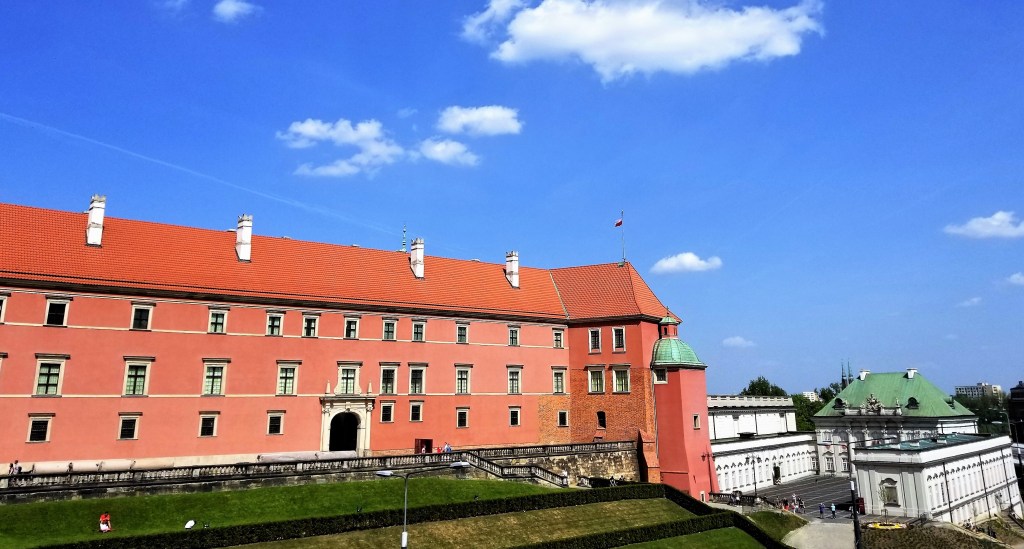
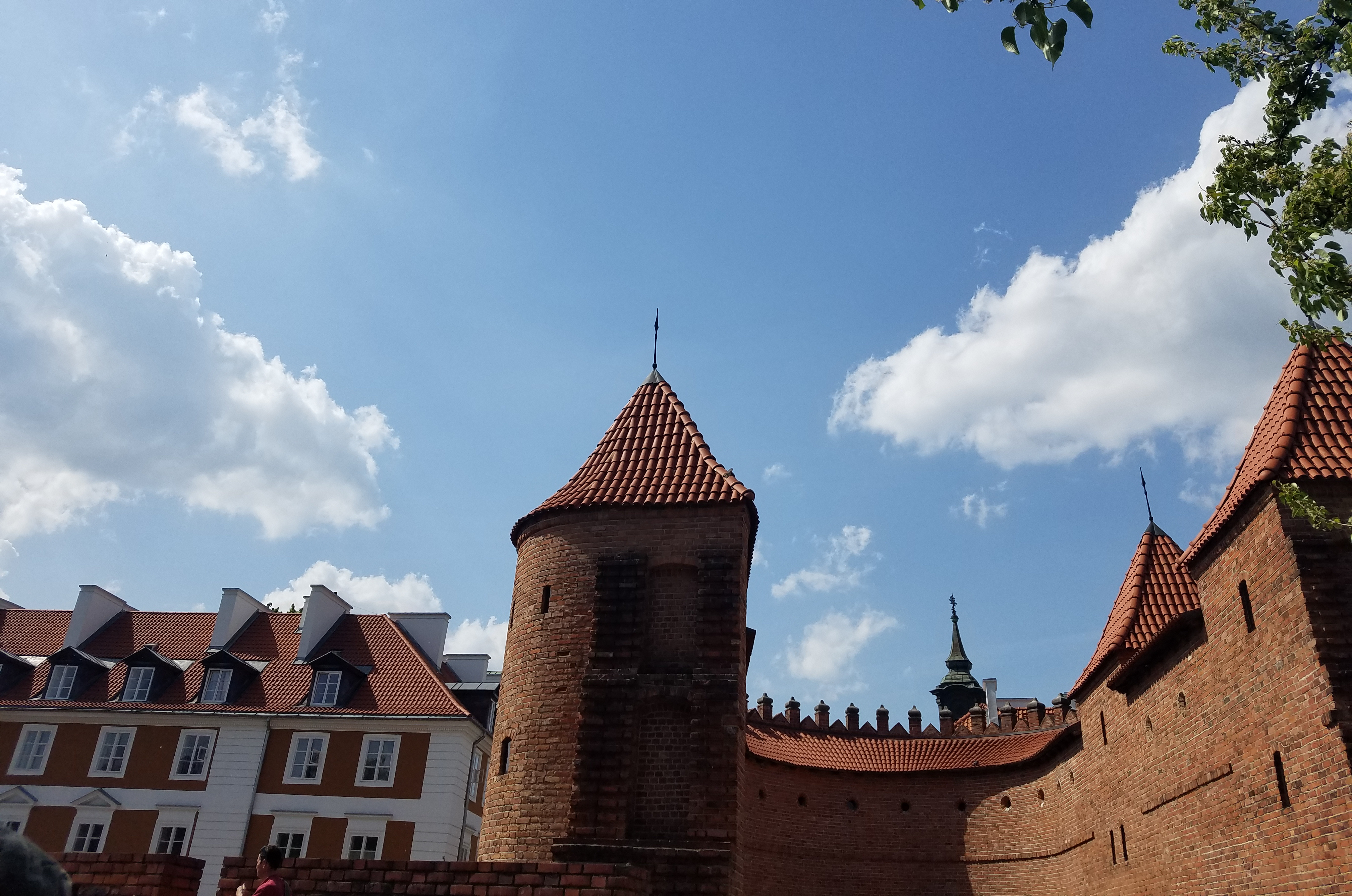
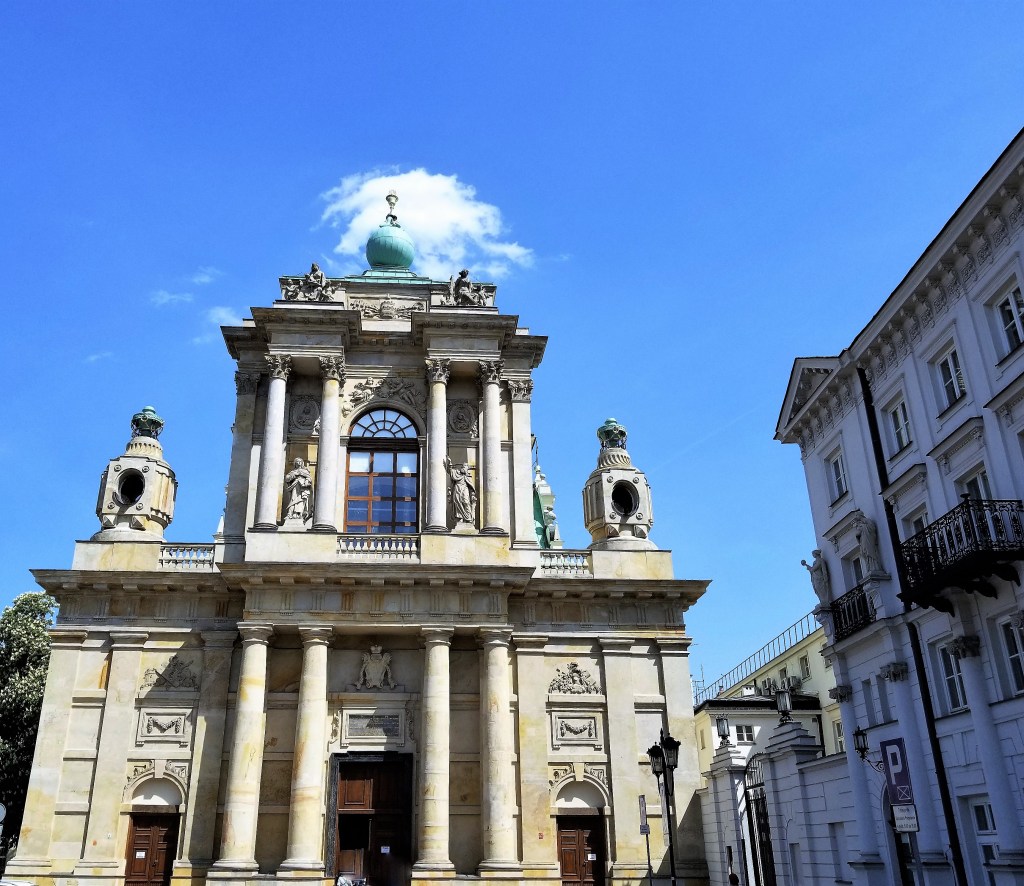
A country rich in culture and history, offers diverse experiences for tourists. Explore the historic Old Town of Warsaw, a UNESCO-listed heritage site, where you’ll find charming cobblestone streets and architectural gems. Beyond the capital, discover the picturesque landscapes of Mazovia Province, home to health resorts and Kampinos National Park.
go
The best time to visit Poland depends on your preferences and the experiences you’re seeking. Here are some insights to help you plan your trip:

Summer (June-August): The summer months offer pleasant weather, making it ideal for exploring national parks and beaches. Numerous festivals take place during this season, such as the Krakow Jewish Culture Festival and Warsaw Summer Jazz Days.  Be prepared for larger crowds, so advance planning for accommodation and popular spots is essential.
Spring (March-May) and Fall (September-November): These months offer a chance to escape the summer crowds while still enjoying comfortable temperatures and relatively drier conditions. Explore cities like Krakow (with its medieval charm) or bustling Warsaw (known for its nightlife). Discover Poland’s beautiful nature, including the sandy Baltic Coast and the dramatic Tatra Mountains.
May and September: These months are particularly pleasant for travel. Enjoy comfortable temperatures without the peak tourist crowds.
do
Here are a few must-do attractions:

Wieliczka Salt Mine: A 13th-century mine with stunning rock salt sculptures, including the Chapel of St. Kinga.

Auschwitz-Birkenau Camps: A sobering look into WWII history, where over 900,000 Jews were brought during the war.

Warsaw Old Market Place: Explore the historic heart of Warsaw.

Malbork Castle: Visit the impressive medieval fortress in Malbork.

Łazienki Park: Enjoy the green oasis in Warsaw.
eat
Here are some Polish culinary delights you must-try:

Pierogi (Dumplings): These delightful dumplings come in various fillings, such as potato and cheese, cabbage and mushroom, or meat. You can even find sweet dessert pierogi filled with fruit and served with ice cream.

Kapusta (Cabbage/Sauerkraut): Kapusta is a staple in Polish cuisine. It’s often used in stews, soups, and side dishes. The combination of sauerkraut and cabbage creates a flavorful and tangy dish.

Kielbasa (Smoked Sausages): Polish sausages, known as kielbasa, are a meat lover’s delight. They come in various flavors and are often enjoyed grilled or fried.

Bigos (Cabbage and Meat Stew): Also called Hunter’s Stew, bigos is a hearty dish made with various cuts of meat, sauerkraut, cabbage, mushrooms, honey, and tomatoes. It’s considered the national dish of Poland.

Rye Bread: Polish rye bread is dense, flavorful, and perfect for sandwiches or as an accompaniment to soups and stews.

Borscht (Beetroot Soup): This vibrant soup is made from beetroots and often served with sour cream. It’s both delicious and visually appealing.

Golonka (Pork Knuckle): Golonka is a slow-cooked pork knuckle that’s crispy on the outside and tender on the inside. It’s usually served with mustard and horseradish.

Placki Ziemniaczane (Polish Potato Pancakes): These crispy potato pancakes are a popular street food. They’re often served with sour cream or applesauce.

Kotlet Schabowy (Breaded Pork Chop): Similar to a schnitzel, kotlet schabowy is a breaded and fried pork chop. It’s a comforting and satisfying dish.

Paczki (Polish Donuts): Paczki are sweet, deep-fried doughnuts filled with jam or other sweet fillings. They’re a treat during special occasions.

Makowiec (Poppy Seed Cake): Makowiec is a traditional Polish cake made with layers of sweet yeast dough and a poppy seed filling. It’s often enjoyed during holidays.

Gofry (Polish Waffles): Polish waffles are crispy and light, served with various toppings like whipped cream, chocolate, or fresh fruit.
tips
Here are some travel tips :

Currency: Unlike most of Europe, Poland does not use the Euro. The złoty is the primary currency. While you might find a few restaurants in tourist areas (like Krakow and Warsaw) that accept Euros, it’s generally better to have Polish złoty for payments

Learn Basic Phrases: Even a few Polish phrases like “dzień dobry” (good day) or “dziękuję” (thank you) go a long way in showing respect and appreciation.

Tap Water Is Safe: The tap water is safe to drink, but some older generations may still be skeptical. Restaurants are catching up to Western standards, so feel free to ask for tap water.

Greeting Etiquette: Older gentlemen might greet you with a kiss on the hand, while young people prefer handshakes or cheek kisses. Three kisses are reserved for family gatherings.

Polish People Mean What They Say: When someone asks how you’re doing, they genuinely want to know. There’s no equivalent of the standard English “how are you/fine, thank you” exchange in Polish.

Explore Beyond the Tourist Hotspots: While Krakow and Warsaw are popular, consider visiting lesser-known gems like Sopot and Malbork Castle.

Respect Historical Sites: Poland has a rich history, including World War II memorials and Jewish heritage sites. Approach these places with reverence and understanding.
 ameropasstravel.com