
A Gem Around Castles and Mountains
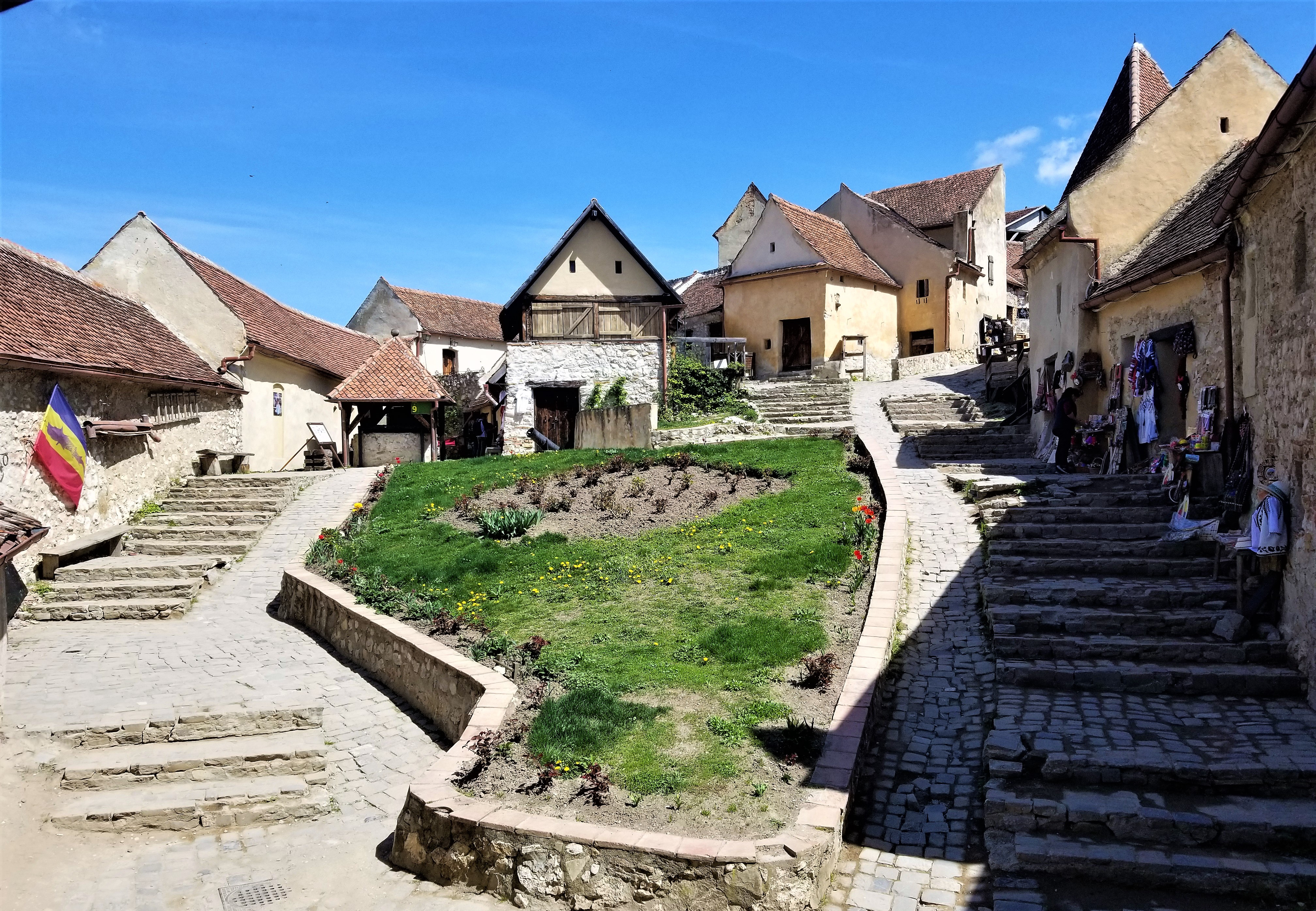
Located in Eastern Europe, offers a mix of historical charm, stunning landscapes, and warm hospitality. Explore famous castles, UNESCO sites, and vibrant cities. Don’t miss the Carpathian Mountains and the Black Sea coast.



go
The best time to visit Romania depends on your preferences and the activities you plan to do. Here are some recommendations based on the seasons:

Late Spring and Early Summer (May 25 – June 25): During this period, the weather is pleasant, with balanced temperatures. It’s a great time for general travel and sightseeing. You’ll see flowers and lush greenery, but occasional rain is possible. Keep in mind that recent climate changes have made this period a bit windier and sometimes colder than usual.

Mid-August to Mid-September (August 15 – September 20): This is considered one of the best times to visit Romania. The weather is still warm, and you’ll experience fewer crowds. It’s ideal for sightseeing and outdoor adventures.

Winter (December 20 – January 31): If you’re a fan of snow and skiing, this is the time to visit. Mountain resorts offer plenty of snow for winter sports, although snowfall in other cities has been scarce in recent years.
do
Here are some must-do attractions:

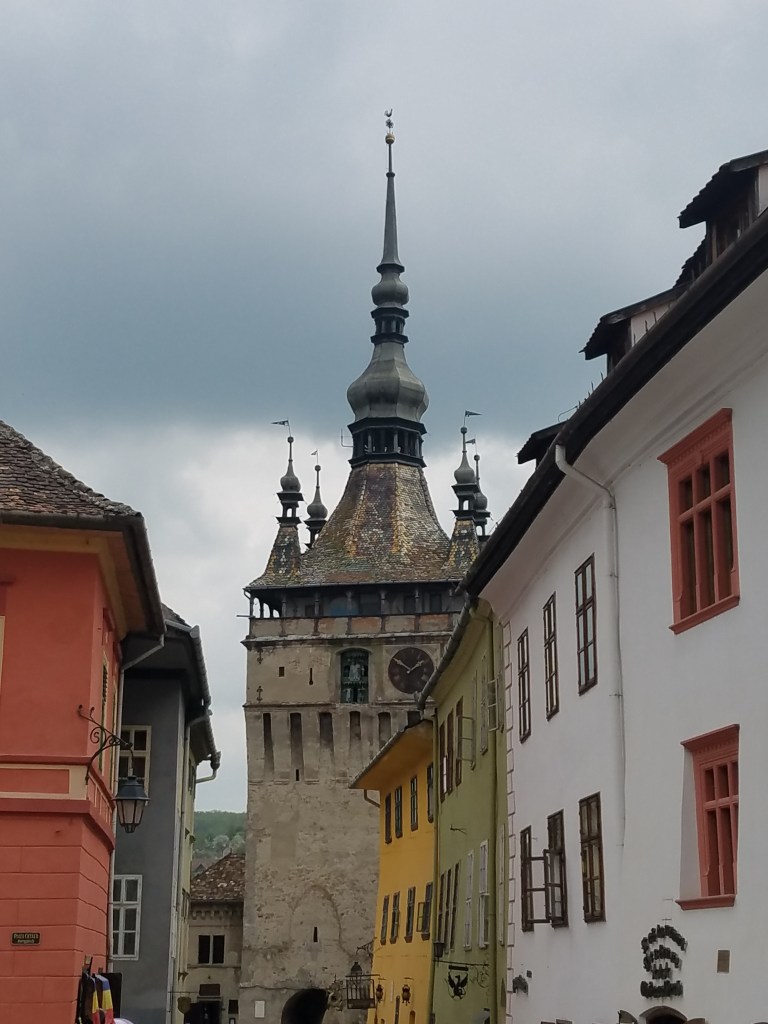
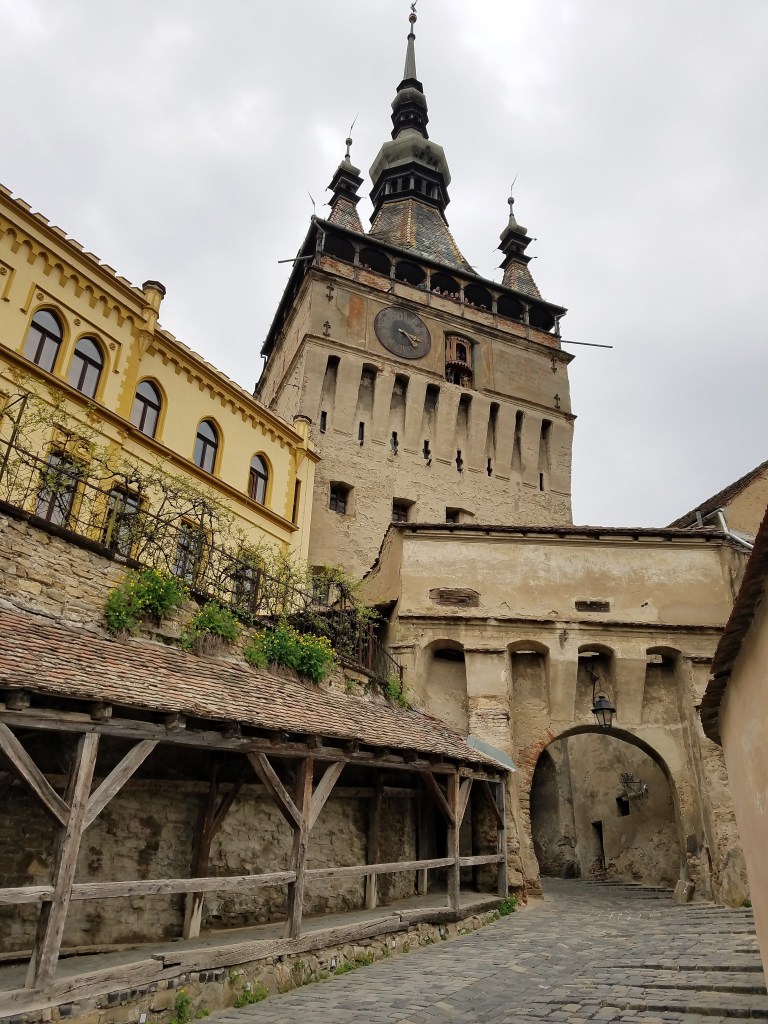
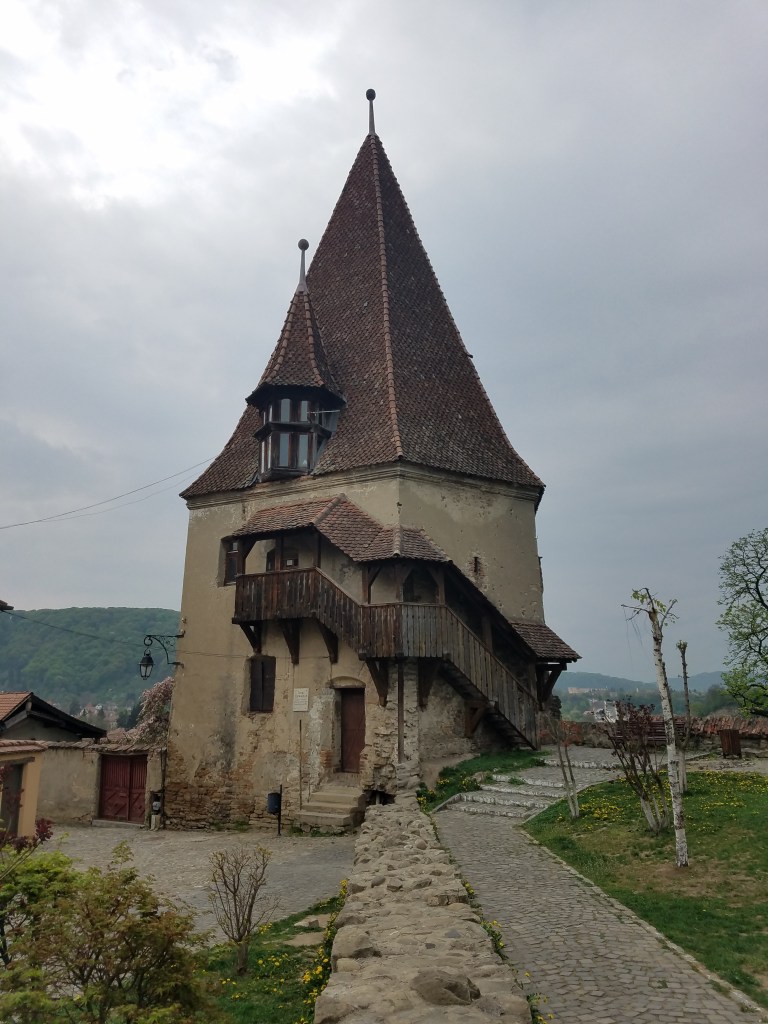
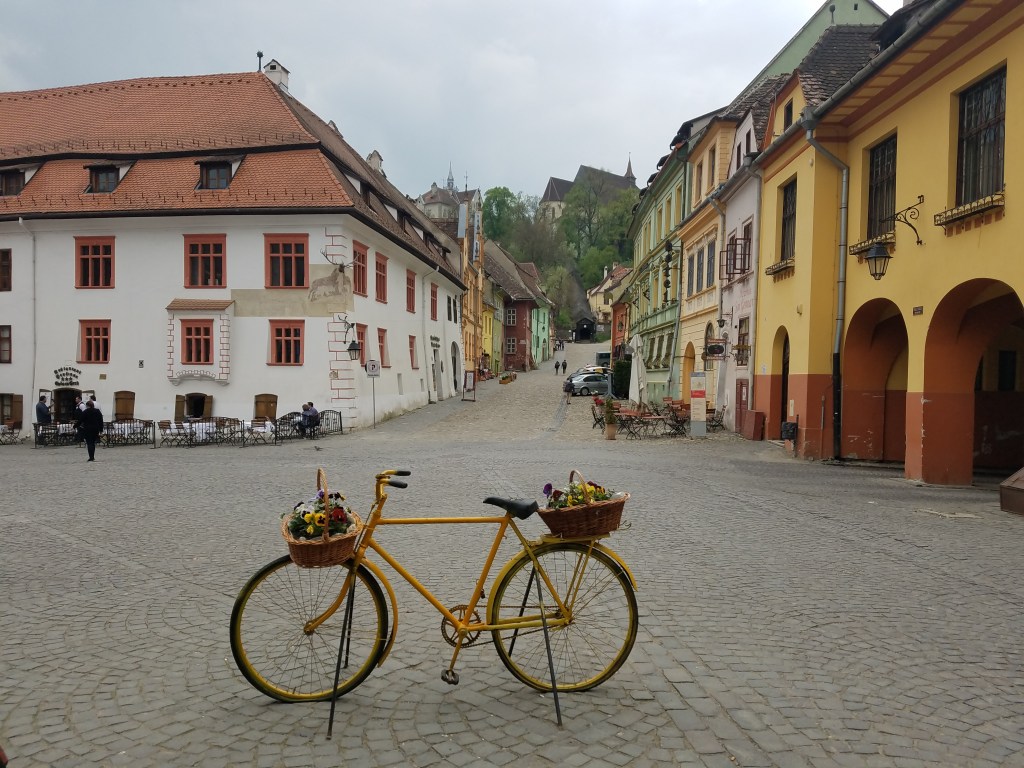
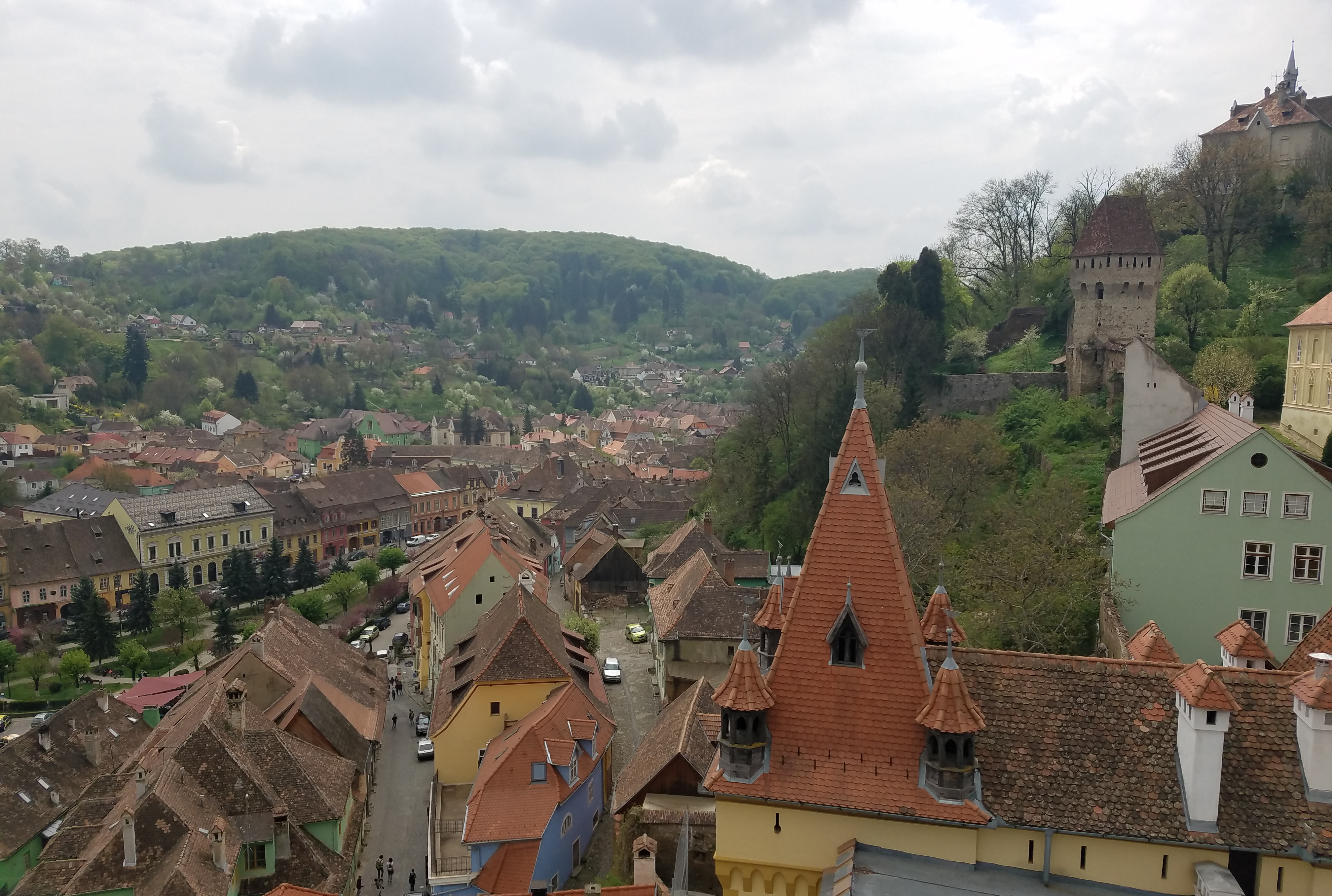
Sighișoara: The place where the legend of Dracula comes to life, with medieval charm.

Cluj-Napoca: Capital of Transylvania, vibrant and historic.

Turda Salt Mine: An underground wonder.

The Sphinx (Bucegi Mountains): A natural rock formation.

Sibiu: A picturesque city with cobblestone streets.

Corvin Castle (Hunedoara): A stunning Gothic castle.

Danube Delta: Europe’s largest preserved river delta, perfect for birdwatching.

Transfăgărășan Highway: A scenic mountain road.

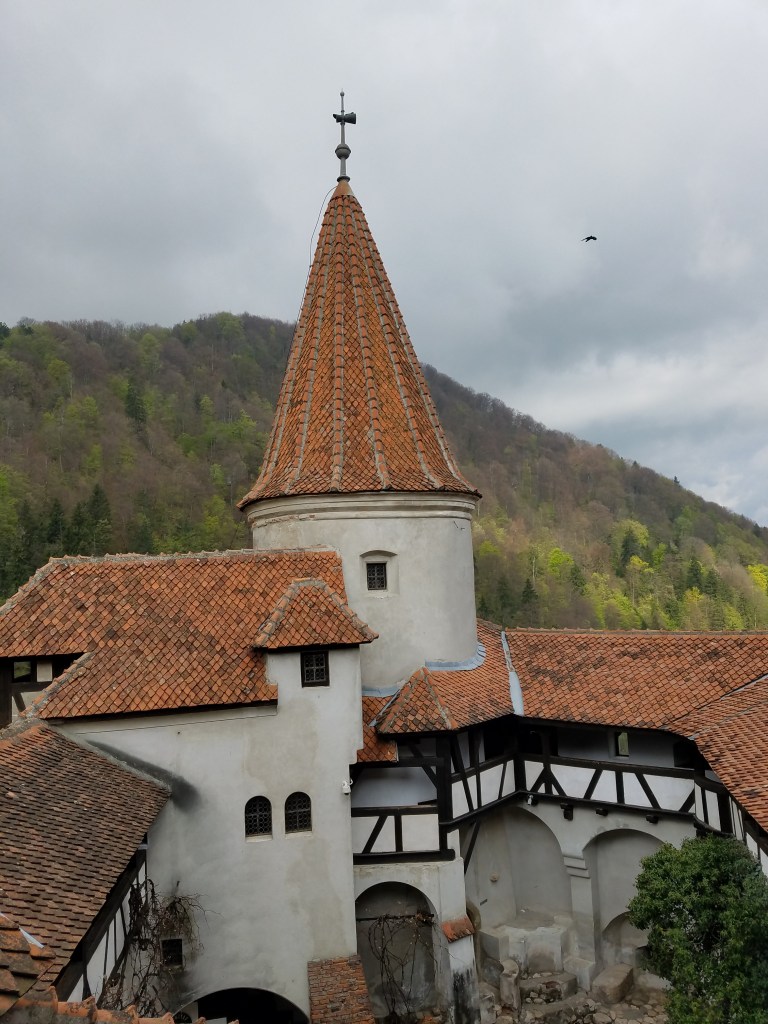
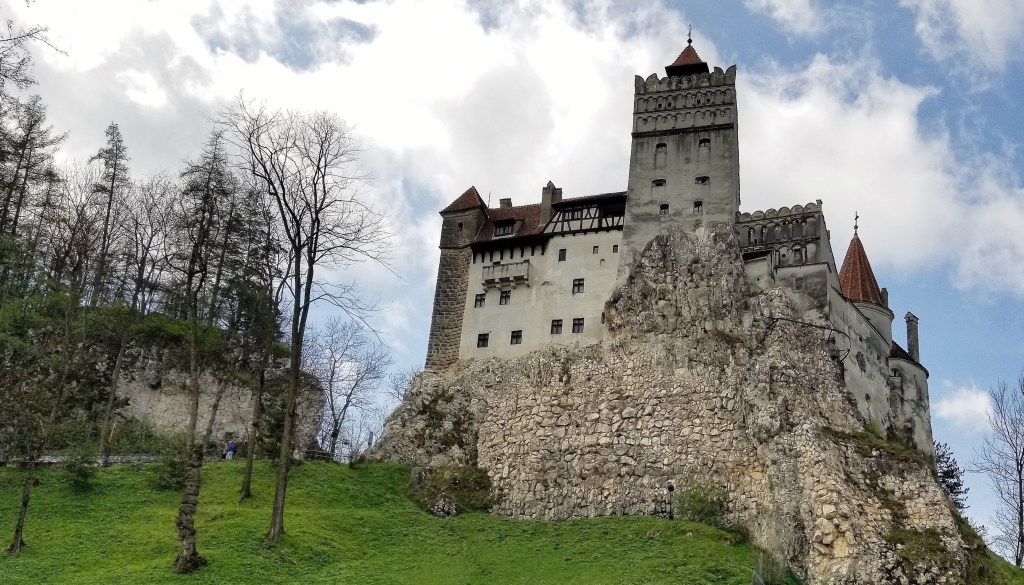
Bran Castle: famously associated with Dracula, is a must-do.
eat
Here are some must-try Romanian foods:

Sarmale (Cabbage Rolls): Sarmale are a staple in Romanian cuisine. These cabbage rolls are made by filling sour cabbage leaves with minced meat (usually pork), rice, and spices. They’re then boiled in a special sauce made from sauerkraut juice, tomato juice, and other seasonings. Enjoy them with a side of Mamaliga (more on that below) and a dollop of sour cream.

Mici (Grilled Minced Meat Rolls): Also known as “Mititei,” these small grilled meat rolls are made from a mixture of minced pork and beef, seasoned with garlic and spices. They’re typically served hot with mustard, bread, or fried potatoes. Romanian Mici are fluffier and juicier than similar dishes found in the Balkans.

Ciorba de Burta (Beef Tripe Soup): Don’t be put off by the idea of beef tripe! Romanian Ciorba de Burta is a flavorful soup made with beef tripe, served with sour cream, vinegar, and a garlic paste called “mujdei.” The liquid itself is the star, so you can skip the tripe if you prefer.

Mamaliga (Polenta): Mamaliga is often considered Romania’s national dish. It’s a cornmeal-based porridge that hardens into a solid circle. Simple yet delicious, it’s served with butter, salt, pepper, and sometimes cheese. Unlike polenta, which can be soft, mamaliga is firm and creamy.

Varza a la Cluj (Cluj-style Cabbage): This dish features cabbage cooked with smoked pork, onions, and spices. It’s a hearty and flavorful side dish that pairs well with various main courses.

Papanasi (Sweet Dough Rolls): For dessert, indulge in papanasi – sweet doughnuts made from a mixture of cottage cheese, eggs, flour, and sugar. They’re deep-fried and served with sour cream and jam. A delightful treat for your taste buds.
tips
Here are some useful tips:

Currency and Payments: The official currency is the Romanian Leu (RON). Exchange money at authorized exchange offices or withdraw cash from ATMs. Credit cards are widely accepted, but it’s good to have some cash on hand for smaller purchases.

Budget and Costs: Romania is generally affordable for travelers. Accommodation, food, and transportation costs are reasonable. Set a budget based on your preferences and travel style.

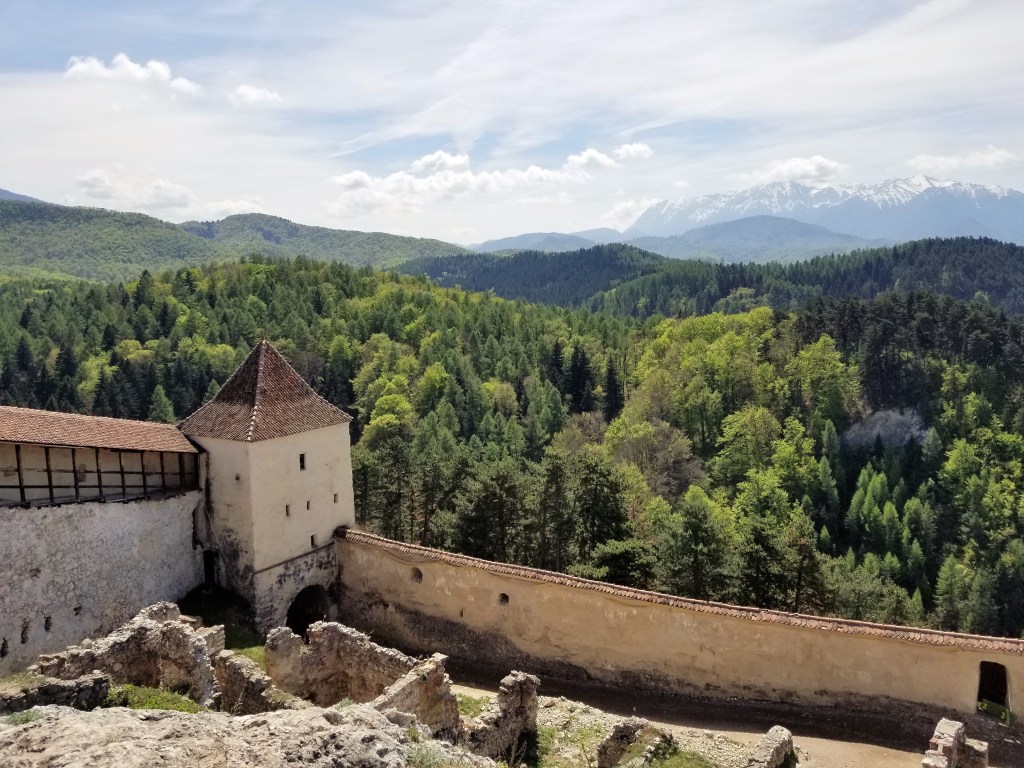
Geography and Natural Attractions: Romania boasts diverse landscapes, from the Carpathian Mountains to the Black Sea coast. Explore the stunning natural beauty, including hiking trails, national parks, and historical sites.

Getting Around: Public transportation options include trains, buses, and domestic flights. Trains are a scenic way to travel between cities. Consider renting a car for more flexibility in rural areas.

Medical Emergencies: Familiarize yourself with emergency numbers and locate nearby hospitals or clinics. Consider travel insurance that covers medical expenses.

Safety: Romania is generally safe for tourists. Exercise common sense, avoid isolated areas at night, and keep an eye on your belongings.

Accommodation: Choose from a variety of accommodations, including hotels, guesthouses, and Airbnb. Book in advance during peak seasons.

Local Culture and Etiquette: Learn a few basic Romanian phrases. Be polite, respect local customs, and enjoy the warm hospitality of the Romanian people.

Open Your Mind and Heart: Embrace the rich history, traditions, and cultural diversity of Romania. Engage with locals, try traditional foods, and immerse yourself in the experience.
 ameropasstravel.com