
Arid Kingdom, with Unique Attractions
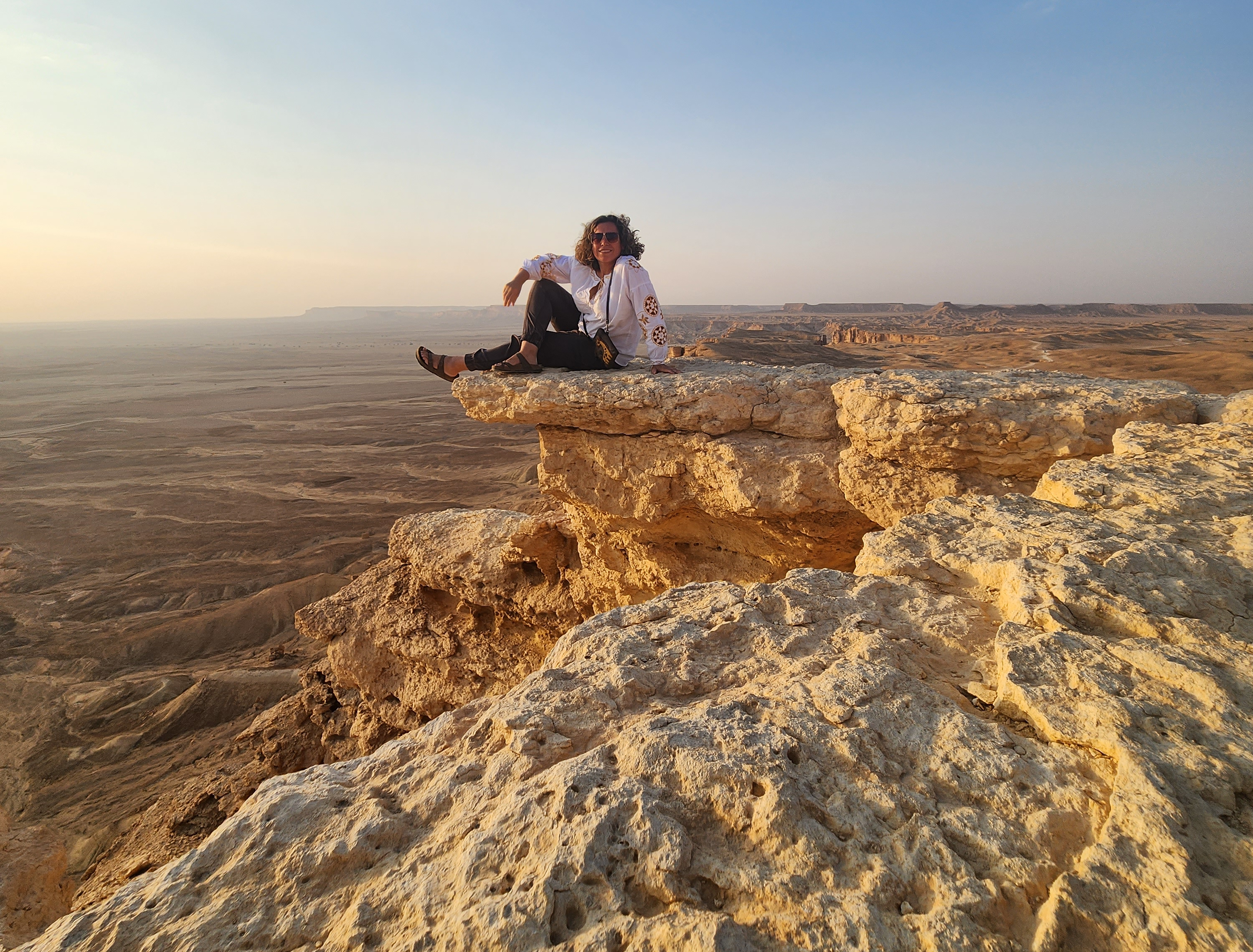
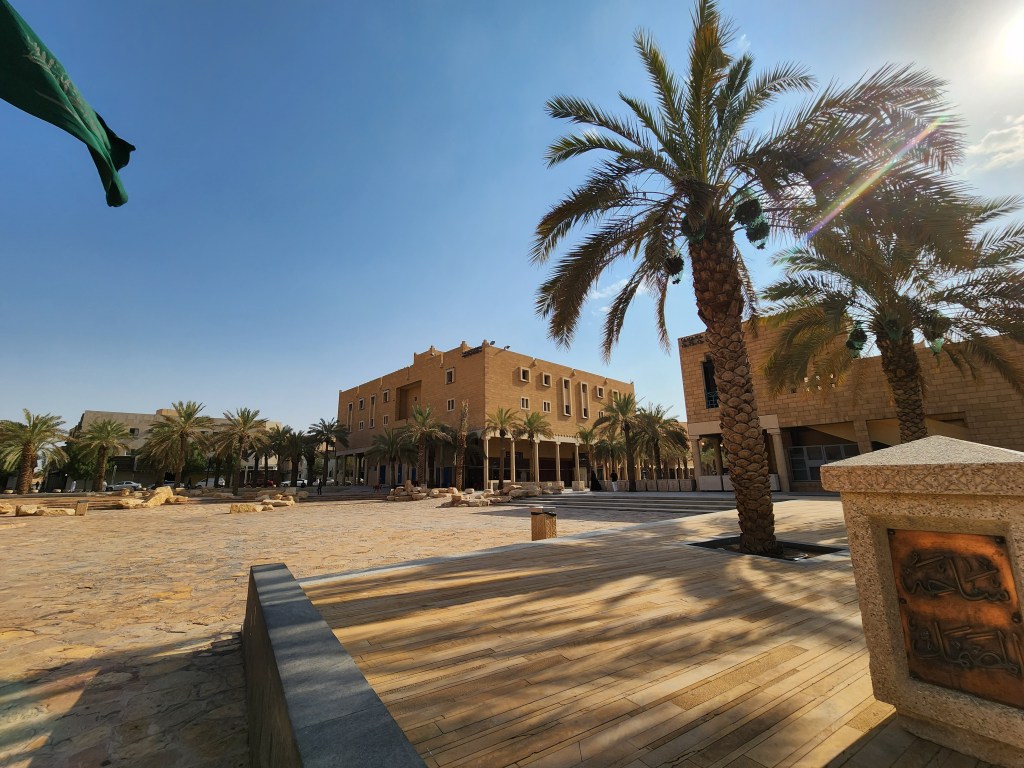
Saudi Arabia, a sun-kissed realm where ancient history dances with modern marvels, beckons travelers to explore its vast deserts, vibrant cities, and rich cultural tapestry. From the bustling streets of Riyadh to the coastal charm of Jeddah, this land of abundant oil wealth invites you to savor aromatic cuisine, marvel at futuristic architecture, and immerse yourself in a captivating blend of tradition and progress.

go
The best time to visit Saudi Arabia is during the winter months, which typically span from November to February. During this period, the temperatures are mild and bearable. It’s advisable to avoid visiting in summer when temperatures can rise absurdly high. Keep in mind that Saudi Arabia has an arid desert climate, so plan your trip accordingly!
do
Here are some must-do attractions:

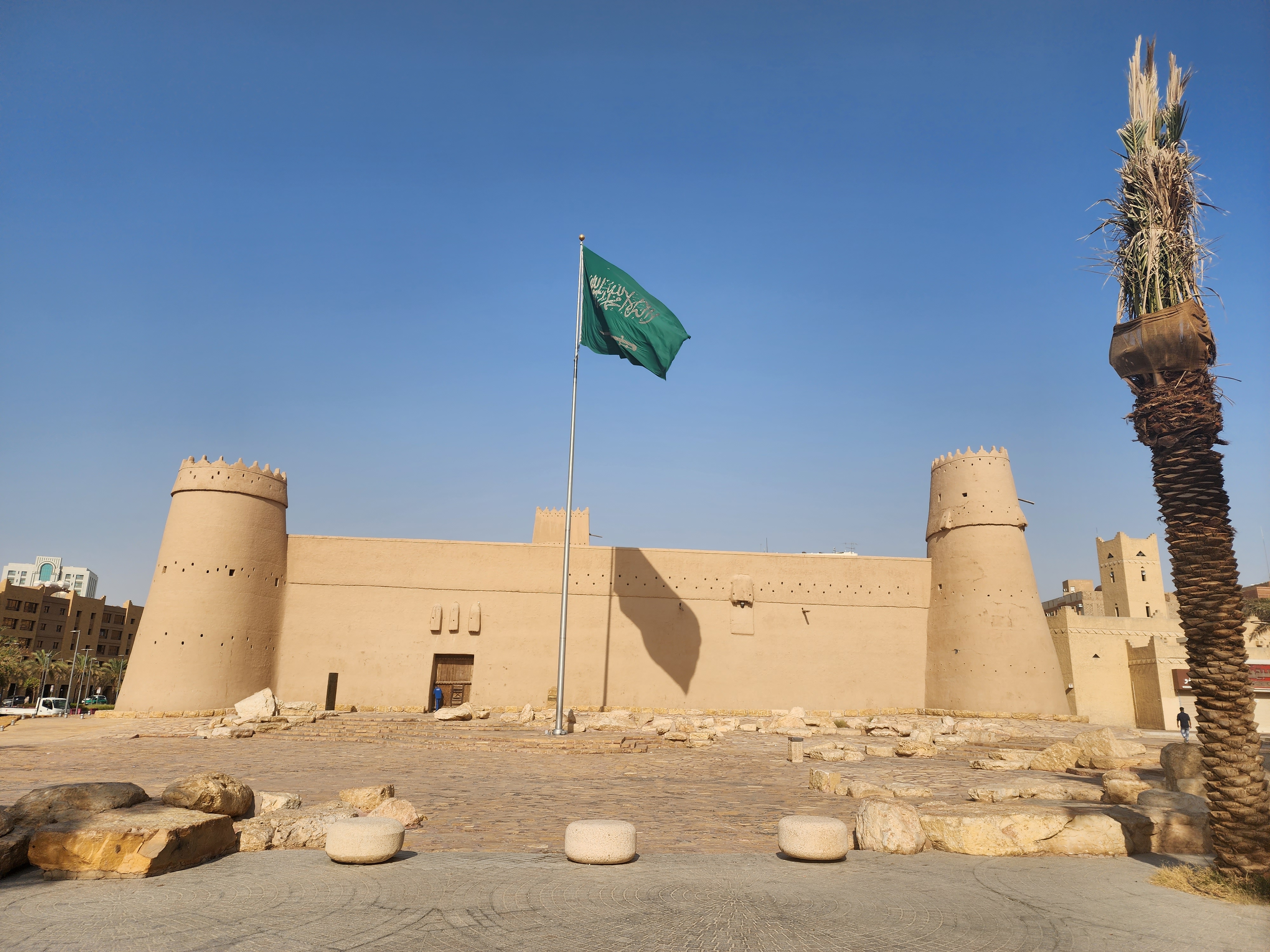
Al Masmak Fortress:
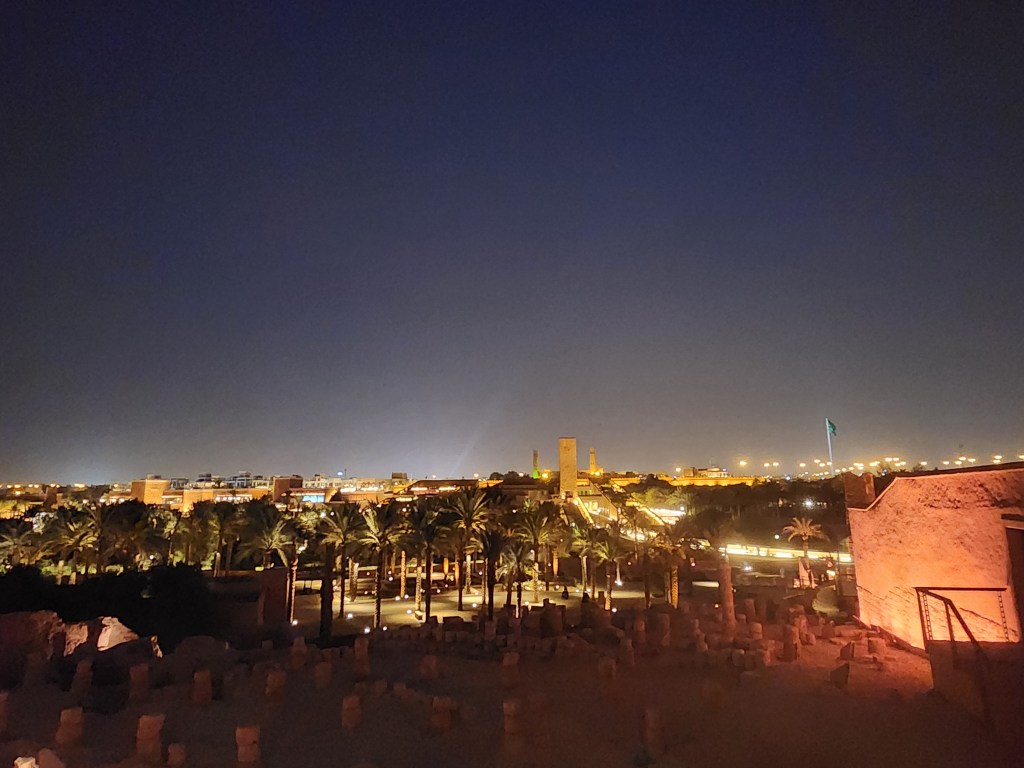
Located in Riyadh, the Al Masmak Fortress is a historic mud-brick fort that played a significant role in the unification of Saudi Arabia. It’s a symbol of the country’s heritage and resilience.

Kingdom Centre Tower:
This iconic skyscraper in Riyadh offers breathtaking views of the city. The Skybridge provides a 360-degree panorama, making it an ideal spot to witness the day-to-night transition.

Al Masjid an Nabawi (The Prophet’s Mosque):
Located in Medina, this sacred mosque is one of the holiest sites in Islam. It houses the tomb of the Prophet Muhammad and can accommodate over a million worshippers.

Great Mosque of Mecca (Al-Haram Mosque):
The Great Mosque of Mecca, also known as Al-Haram Mosque, surrounds the Kaaba. It’s the largest mosque in the world and a central pilgrimage site for Muslims.

Al-Balad (Historic Jeddah):
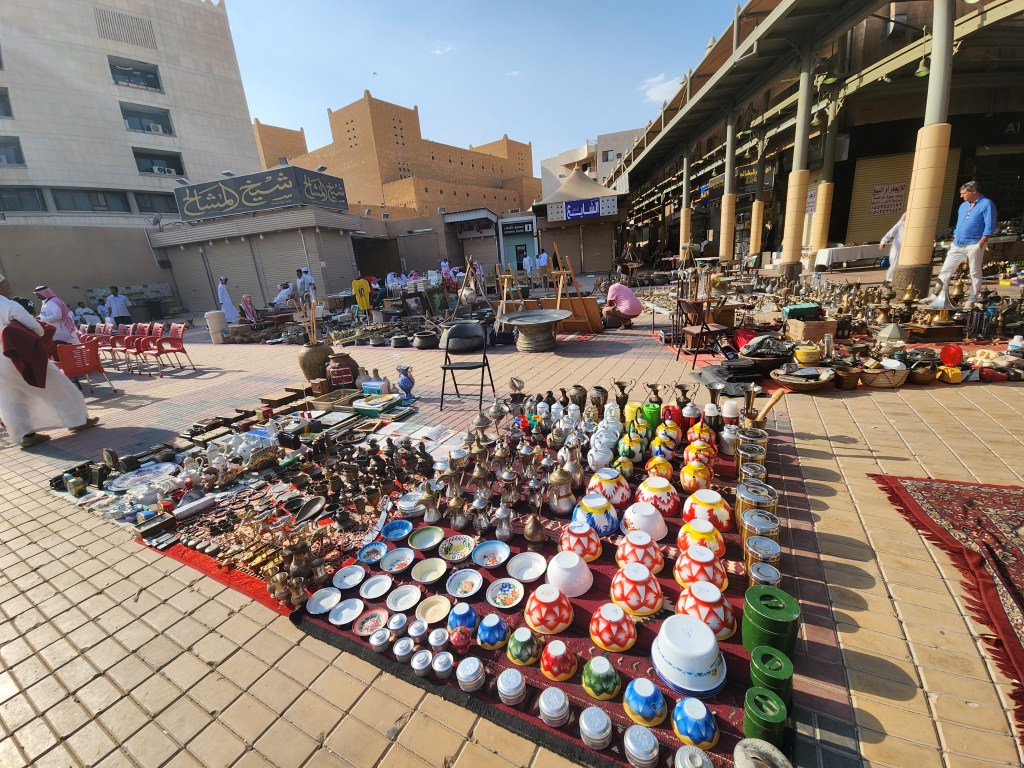
Al-Balad is the historic quarter of Jeddah, characterized by narrow streets, traditional architecture, and a vibrant souk. Explore local cuisine and enjoy rooftop views amidst ongoing restoration efforts.
eat
Here are some must-try traditional dishes:

Kabsa: Considered the national dish of Saudi Arabia, Kabsa is a flavorful mixed rice dish made with basmati rice, meat (such as chicken, lamb, camel, fish, or shrimp), vegetables, and a blend of spices.

Mutabbaq: This spicy folded omelette is stuffed with ground vegetables and meat. Varieties exist across Arab countries and Southeast Asia, both savory and sweet.

Shawarma: A popular wrap made by marinating meat (chicken, lamb, beef, or other varieties) on a spit, then slicing it into chunks and serving it in pita bread with salad, tomatoes, pickles, and sauce.

Thareed: A traditional stew-like dish made with thin bread, broth, lamb (usually), vegetables, and spices.

Jereesh: A dish made from crushed wheat, meat, and spices, often served with yogurt or ghee.
tips
Here are some essential tips to keep in mind:

Currency: The currency of Saudi Arabia is the Saudi Riyal (SAR). Its currency code is SAR, and the symbol is ﷼. The Riyal is subdivided into 100 halalas. The exchange rate is pegged to the US dollar at a constant rate of 3.75 SAR to 1 USD.

Safety: Saudi Arabia is generally safe for tourists. However, like any other country, be respectful of local rules and customs. Stay informed about travel advisories and the current situation. Avoid demonstrations and anti-riot processions.

Public Spaces: Public spaces may be segregated, with separate entrances or seating areas for men and women. Refrain from public displays of affection and always seek permission before photographing locals.

Social Customs: Familiarize yourself with prevalent social customs. The generous hospitality of locals might lead to invitations for meals. Remember to use only one hand while eating (ideally the right hand) and remove your shoes before entering someone’s house.

Travel Health Notices: Be aware of any health notices specific to Saudi Arabia and exercise caution regarding drone attacks.
 ameropasstravel.com