
History, Beauty and Adventure
A vibrant and diverse country in the heart of Europe, offers a captivating blend of ancient history, natural beauty, and lively culture. Whether you’re a history enthusiast, nature lover, or simply seeking adventure, Serbia has something for everyone!


go
The best time to visit Serbia depends on your preferences and the type of experience you’re seeking. Here are some insights to help you plan your trip:

Spring (March to May): Spring is arguably the best time to visit Serbia. During this period, the temperatures are mild but pleasant, and the country comes alive. Garden terraces open, parks regain their greenery, and the atmosphere is vibrant. It’s an ideal time to explore the picturesque Serbian countryside without extreme heat or cold.
Fall (September to October): Similar to spring, fall offers pleasant weather. The summer heat has subsided, and you can enjoy outdoor activities comfortably. The changing foliage adds to the scenic beauty of the countryside.
Avoid Summer (June to August): While summer can be lively with festivals and events, the heat can be intense. If you don’t mind high temperatures, you can still explore the cultural highlights. However, if you prefer milder weather, consider other seasons.
Winter (December to February): Winter can be cold, especially in January. However, if you’re interested in experiencing Serbian Orthodox Christmas celebrations or adrenaline-filled events like the Epiphany Cross plunge into freezing waters, this might be the time for you.
do
Here are some must-do attractions:

Belgrade Fortress: Explore the ancient Roman-era fortress in Belgrade, enveloped by a beautiful park. Museums and monuments await within its walls.

Church of St. Sava: A monolithic masterpiece dominating the city skyline, built on the spot where St. Sava’s relics were burnt by the Ottomans.

House on the Drina: An adorable architectural gem perched on the Drina River, born from swimmers’ desire for a cozy resting spot.

Subotica City Hall: Marvel at the Art Nouveau architecture of this early 20th-century gem in Subotica.

Đerdap Gorge: Often called a “border designed by a deity,” this stunning river gorge is a natural wonder.
eat
Here are some must-try Serbian dishes that will tantalize your taste buds:

Sarma: This national dish consists of cabbage leaves stuffed with minced meat, pickled cabbage, tomato sauce, rice, and sauerkraut. It’s then cooked on a stove or in the oven. Variations include fish or smoked bacon instead of meat.

Ćevapi: These grilled minced meat sausages are derived from the famous Turkish köfte kebab. Served with ajvar (red pepper spread), sour cream, salt, chopped onions, and kajmak, Ćevapi are popular not only in Serbia but also in neighboring countries.

Goulash: A hearty stew made from root vegetables and meat (pork, beef, or veal), seasoned with paprika and other spices. Originally from Hungary, goulash has become a staple dish in much of Eastern Europe. It’s often accompanied by mashed potatoes and bread.

Karađorđeva šnicla: This Serbian schnitzel is made from rolled-up pork or veal meat stuffed with kajmak (a dairy spread). Coated in breadcrumbs and fried, it’s served with tartar sauce and baked potatoes or fries.

Rakija: A fruit spirit produced from various fruits (plums, grapes, or apricots), rakija is a beloved Serbian drink. It’s a must-try for those seeking an authentic taste of Serbia.
tips
Here are some useful tips for visiting Serbia:


Currency and Money: The official currency is the Serbian dinar (RSD). ATMs are widely available, and credit cards are accepted in most places. However, it’s a good idea to carry some cash for smaller purchases.

Getting There: Serbia is centrally located in the Balkans, surrounded by neighboring countries like Hungary, Croatia, Romania, Bulgaria, and Montenegro. It’s an excellent addition to any Balkan itinerary. You can easily travel overland by bus or train, and there are airports in Belgrade and Nis for convenient flights.

Getting Around: Serbia has a well-connected transportation network. Buses and trains are reliable for traveling within the country. Cities like Subotica, Novi Sad, and Vrsac serve as good starting points for exploring different regions.

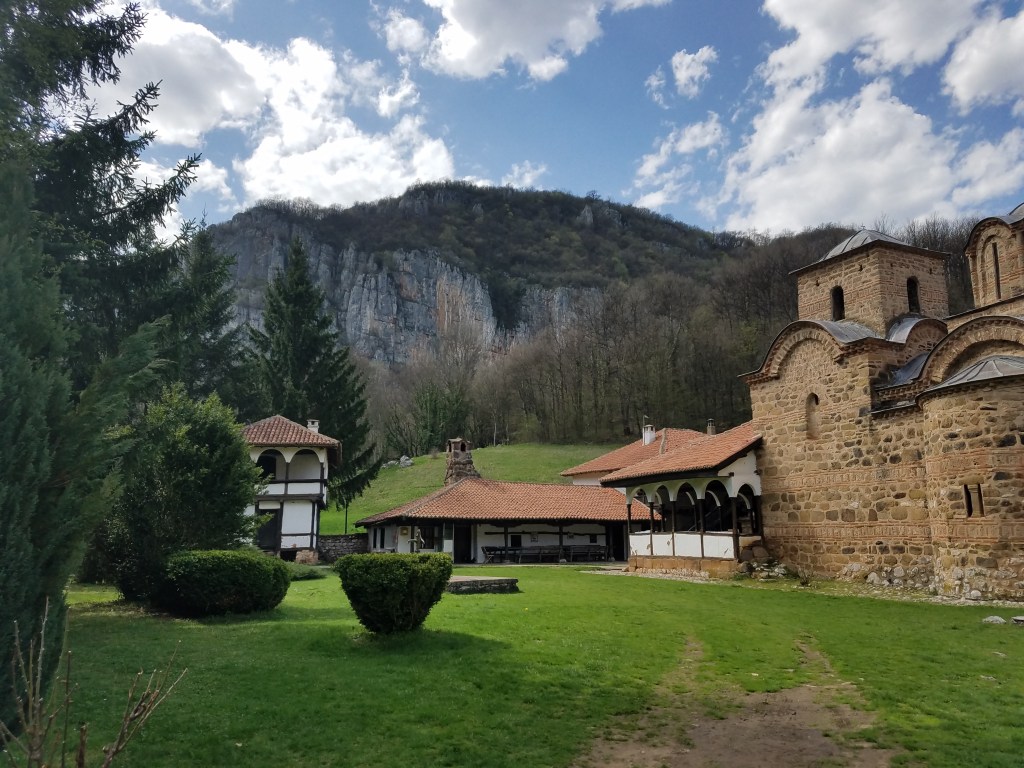
A Sense of Grandeur: Serbia boasts a rich history and impressive architecture. Be sure to visit historical sites, monasteries, and fortresses. The blend of Ottoman, Austro-Hungarian, and Byzantine influences creates a unique cultural tapestry.

Learn Some Basics: While many Serbians speak English, learning a few basic phrases in Serbian can enhance your experience. “Hvala” means thank you, and “Dobar dan” is a polite way to say good day.

Embrace the Extensive History: Serbia has a complex and fascinating history. Take time to learn about its past, including events like the Battle of Kosovo and the Ottoman rule. Historical context will enrich your visit.

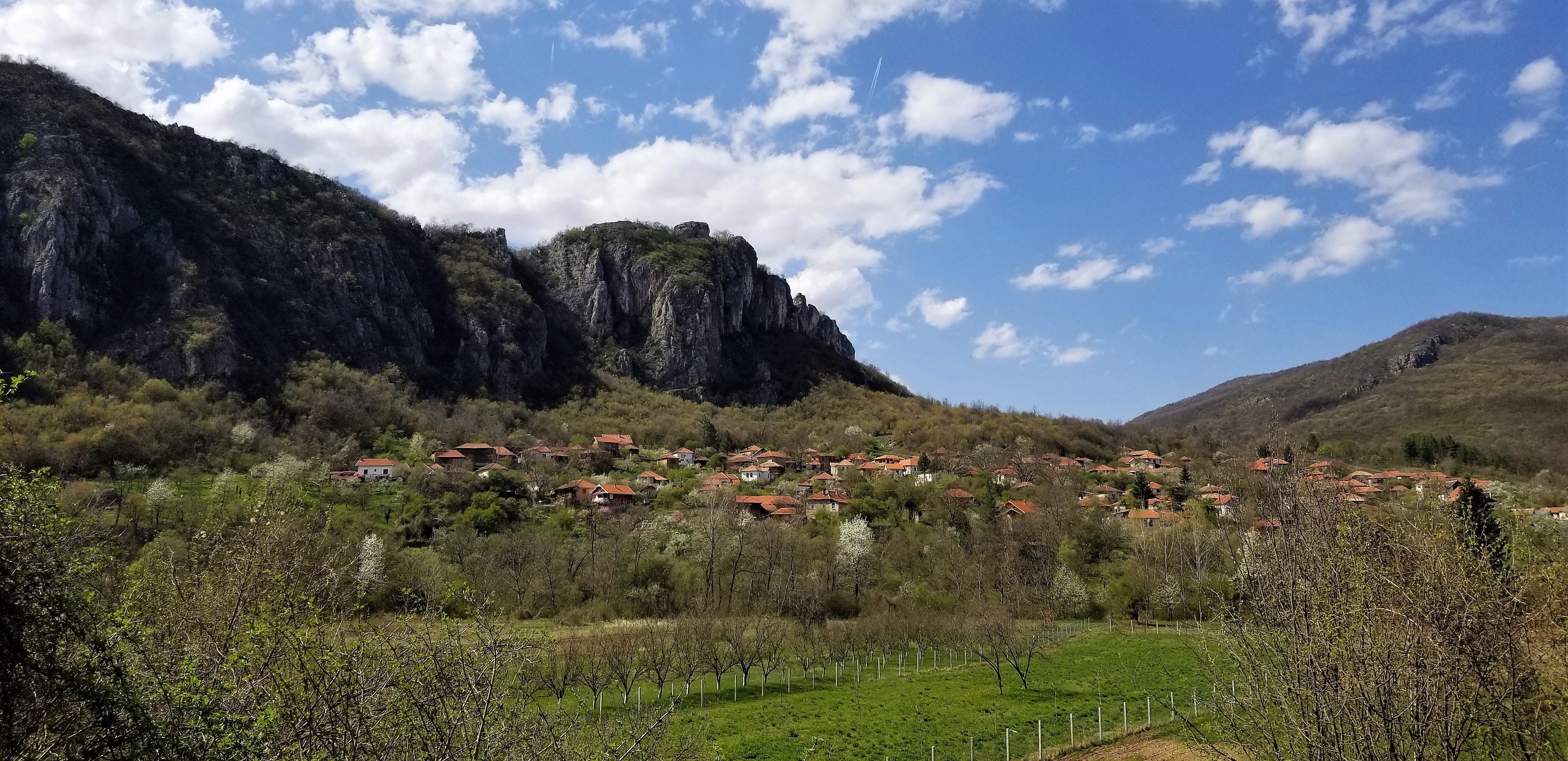
Enjoy Bountiful Nature: Serbia offers beautiful landscapes, from rolling hills to national parks. Explore places like Tara National Park, the Iron Gate Gorge, and the Danube River.
 ameropasstravel.com