
Where Modernity Meets Tradition
Blend of modernity and tradition. The country’s post-Korean War transformation led to impressive achievements in international business, high-speed trains, K-pop, broadband internet, and hi-tech manufacturing. South Korea’s vibrant culture, from hanbok attire to kimchi, continues to captivate the world.
go
The best times to visit South Korea are during spring (March to May) for the cherry blossoms and autumn (September to November) for the fall foliage. Both seasons offer mild temperatures, ranging from approximately 10–16°C (50–61°F), with more clear days than summer or winter.
do
Here are some must do tourist attractions:

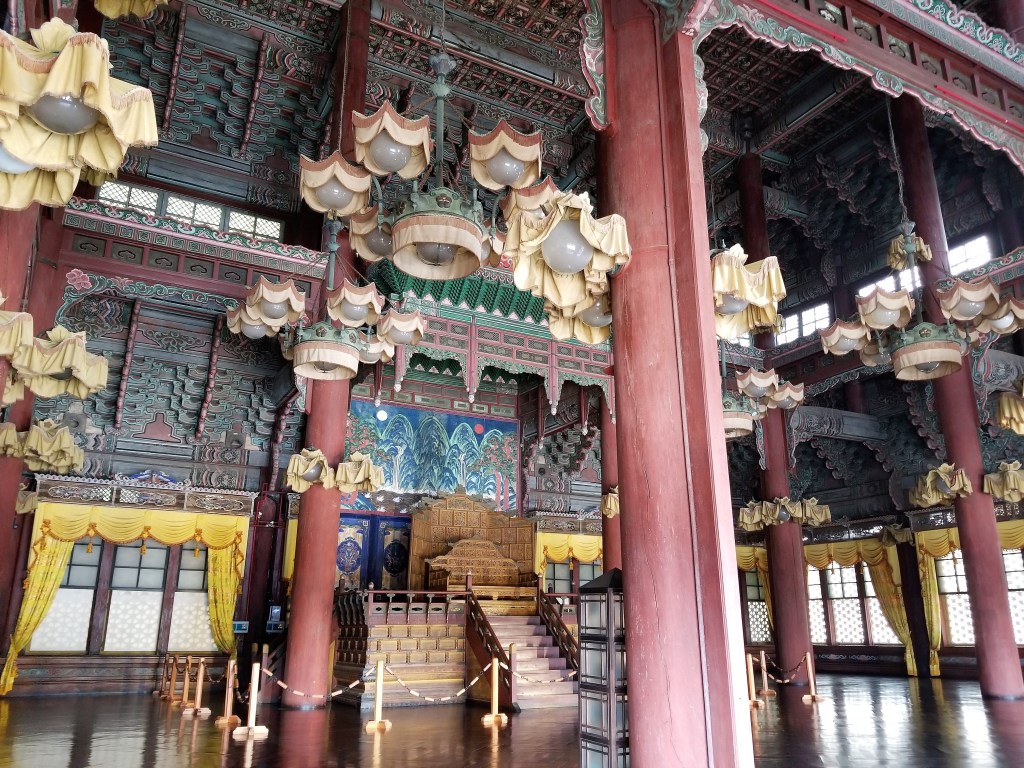
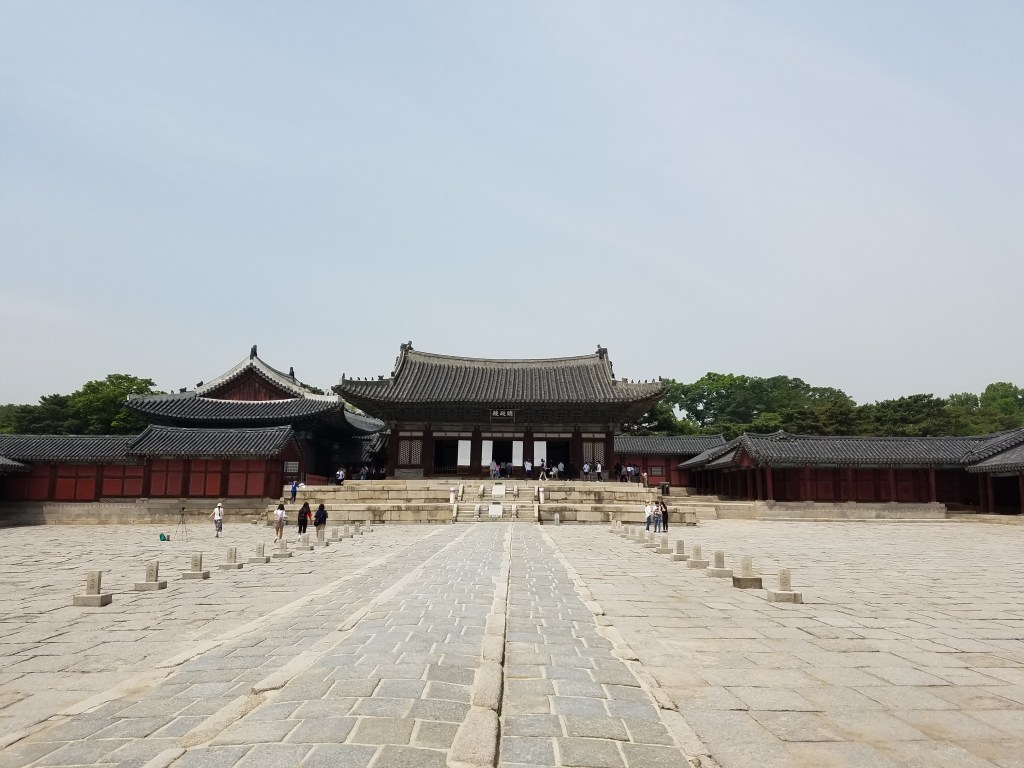
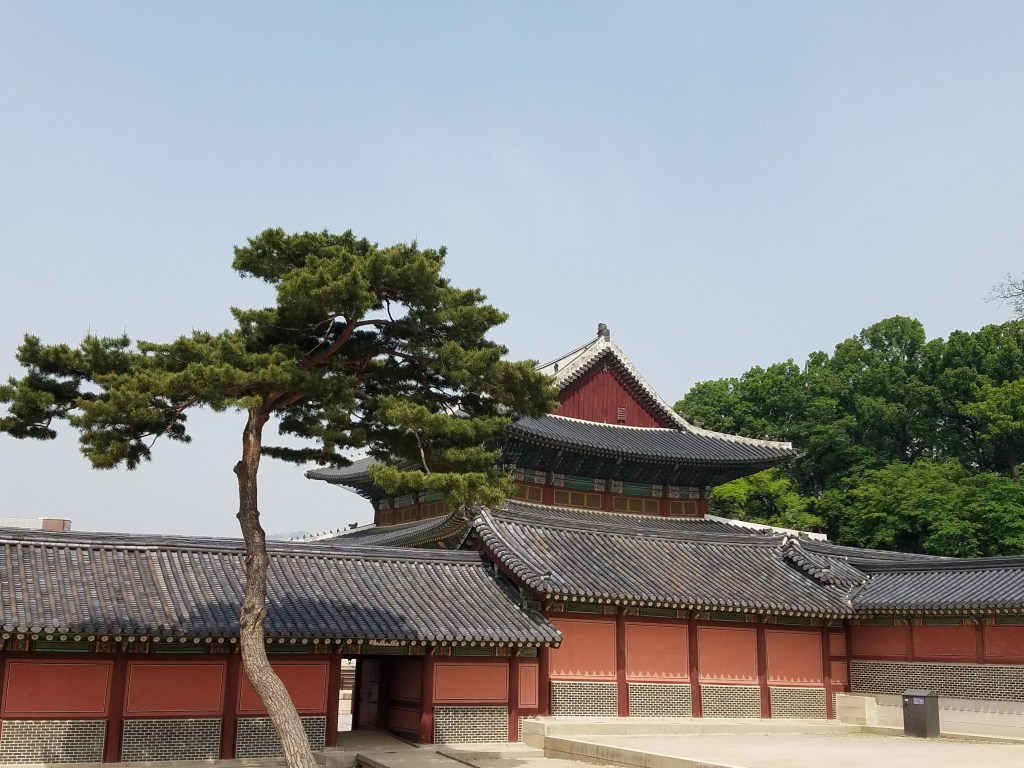
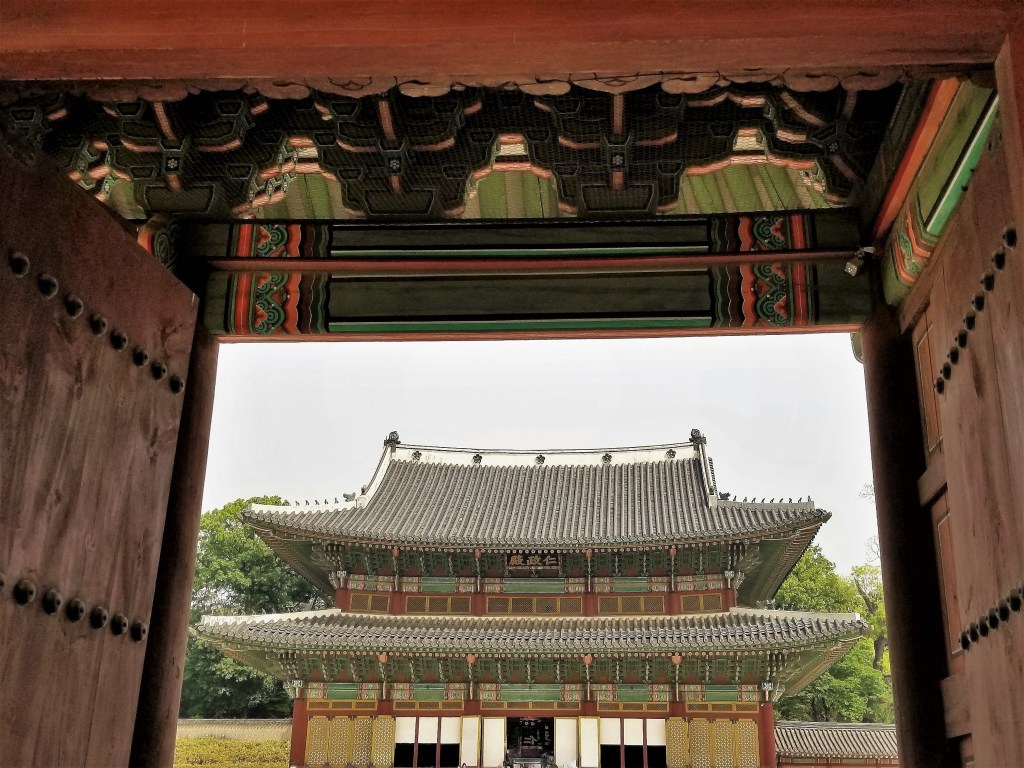
Changdeokgung Palace: This 15th-century palace in Seoul was the preferred royal residence. Explore its complex of buildings, including libraries, dining rooms, and meeting rooms. Don’t miss the serene Huwon Palace Garden behind it.

Busan: Korea’s second-largest city boasts beautiful beaches, resorts, and a rich cultural heritage. Explore the hillside village of Gamecheon, soak up the sun, and delve into history.

Jeonju: Known as the former spiritual capital of Korea, Jeonju offers traditional architecture, hanbok-clad streets, and delicious local cuisine. Try the famous bibimbap here!

N Seoul Tower: Get panoramic views of Seoul from this iconic tower. It’s a must-visit for breathtaking cityscapes.

Bukchon Hanok Village: Step back in time at this well-preserved village, where you can see how people lived 600 years ago.

Seoraksan National Park: Hike through stunning mountain landscapes and enjoy nature at its best.

DMZ (Demilitarized Zone): Look into North Korea from this unique border area. It’s a powerful reminder of the country’s history.

National Museum of Korea: Explore Korean art, history, and archaeology in this impressive museum.

Lotte World: Have fun at Korea’s largest amusement park, complete with thrilling rides and entertainment.

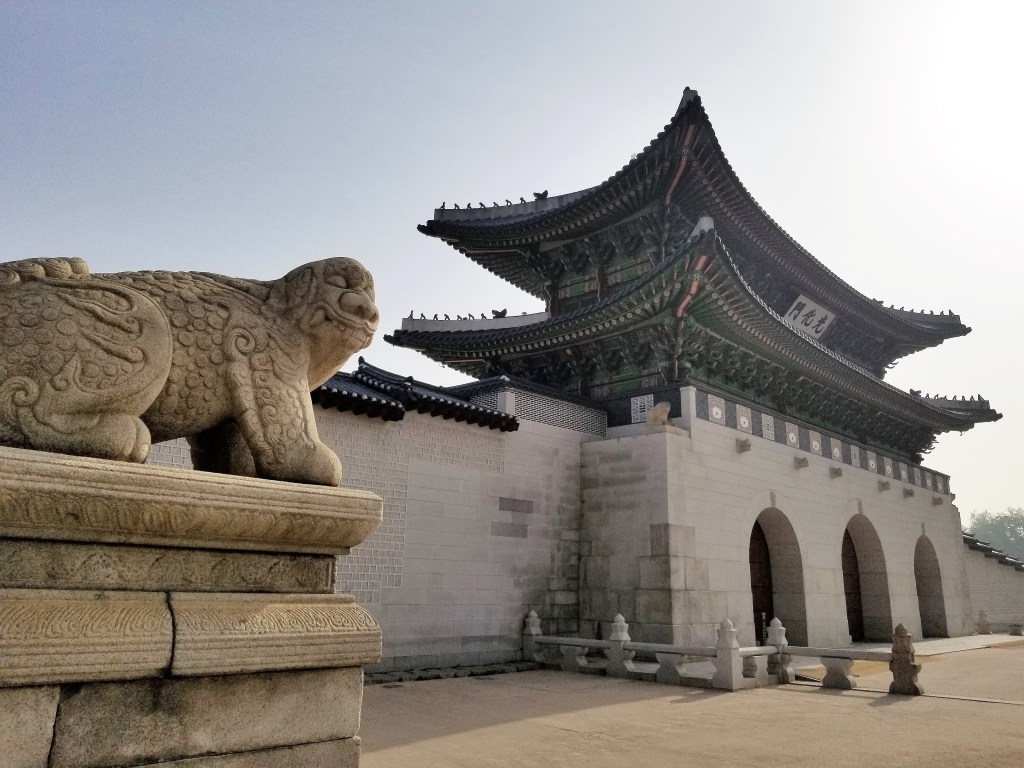
Gyeongbokgung Palace: Another grand palace in Seoul, Gyeongbokgung is steeped in history and architectural beauty.
eat
Here are some must-try foods when you visit South Korea:

Bibimbap: A comforting dish of mixed rice, beef, and vegetables, seasoned with gochujang (red pepper paste) or soy sauce. Topped with sesame seeds, it’s a flavorful delight.

Gimbap: Nutritious seaweed rice rolls filled with white rice, vegetables, and other seasonings. Variations include tuna gimbap and options with beef, kimchi, or cheese fillings.

Tteokbokki: A spicy street snack made from chewy rice cakes and fish cakes, tossed in a special red chili and soybean paste. Find it at street vendors and restaurants.

Bulgogi: Marinated grilled beef that’s tender and savory.

Japchae: A flavorful stir-fry with glass noodles, vegetables, and often beef.

Haemul Pajeon: A seafood pancake made with green onions and various seafood.

Samgyetang: A nutritious chicken soup with ginseng.

Kalguksu: A homestyle noodle soup.
tips
Here are some useful tips:

Currency: The official currency of South Korea is the South Korean won (₩ or KRW). As of the latest update, 1 US Dollar (USD) is approximately equal to 1,353.98 South Korean Won, you’ll find that the won is widely accepted for everyday transactions.

Complete Pre-Trip Registration: Most travelers can visit South Korea visa-free for up to 90 days (up to six months for Canadians). However, apply for a Korea Electronic Travel Authorization (K-ETA) at least 72 hours before departure. It’s valid for two years from approval.

Avoid Major Holidays: Lunar New Year and Chuseok holidays cause travel congestion. Check dates and consider staying in Seoul or Busan during these times.

Use Public Transportation: Korea’s subways, trains, and buses are clean, convenient, and efficient. Explore the country easily using these networks.

Learn Basic Korean Phrases: A few words go a long way. Learn greetings, thank you, and basic phrases to enhance your experience.

Be Culturally Aware: Understand local customs and avoid actions that might be considered rude. For example, don’t stick chopsticks upright in rice.

Pack for the Weather: Check the weather forecast and pack accordingly. Layers work well for changing temperatures.

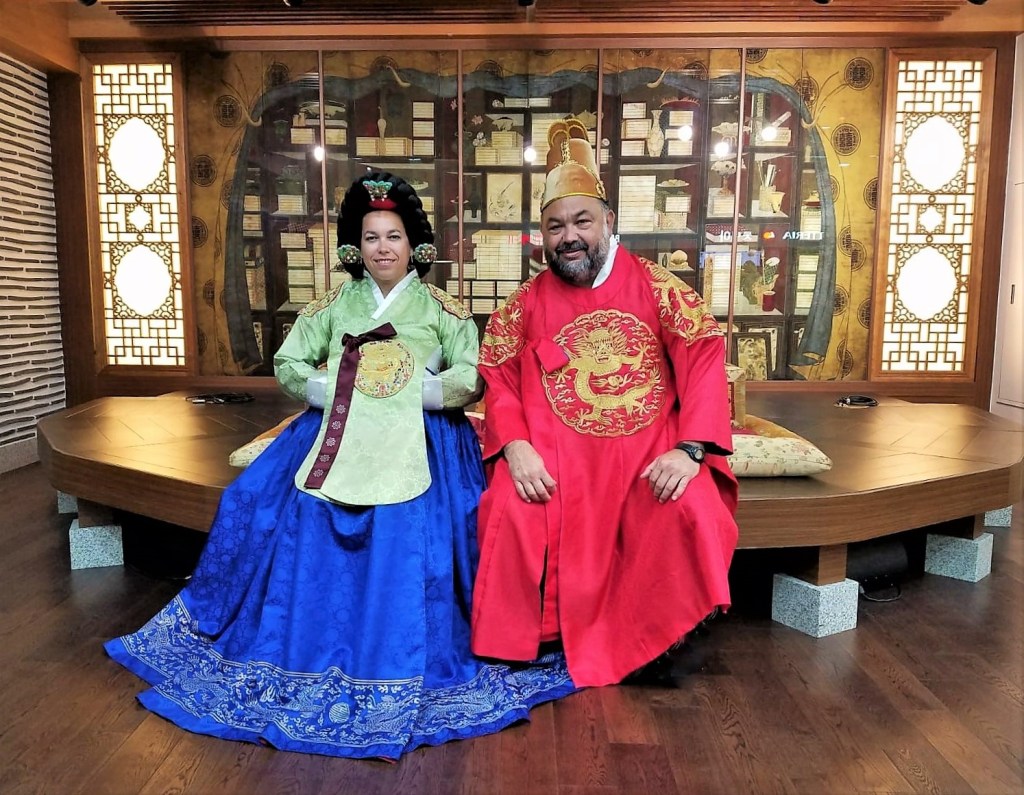
Try a Hanbok: Experience wearing a traditional Korean hanbok. You can rent one and explore palaces or streets in style.

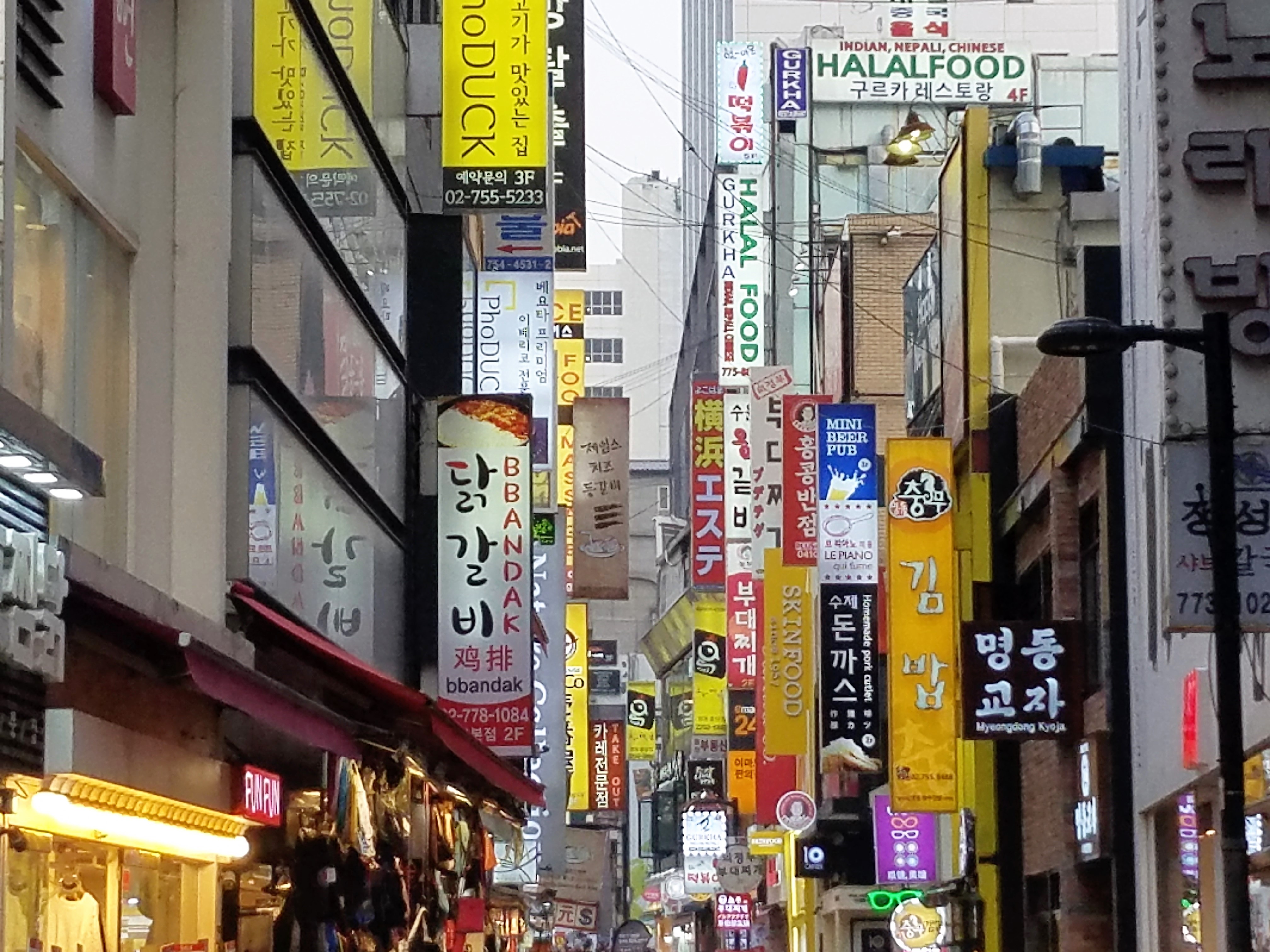
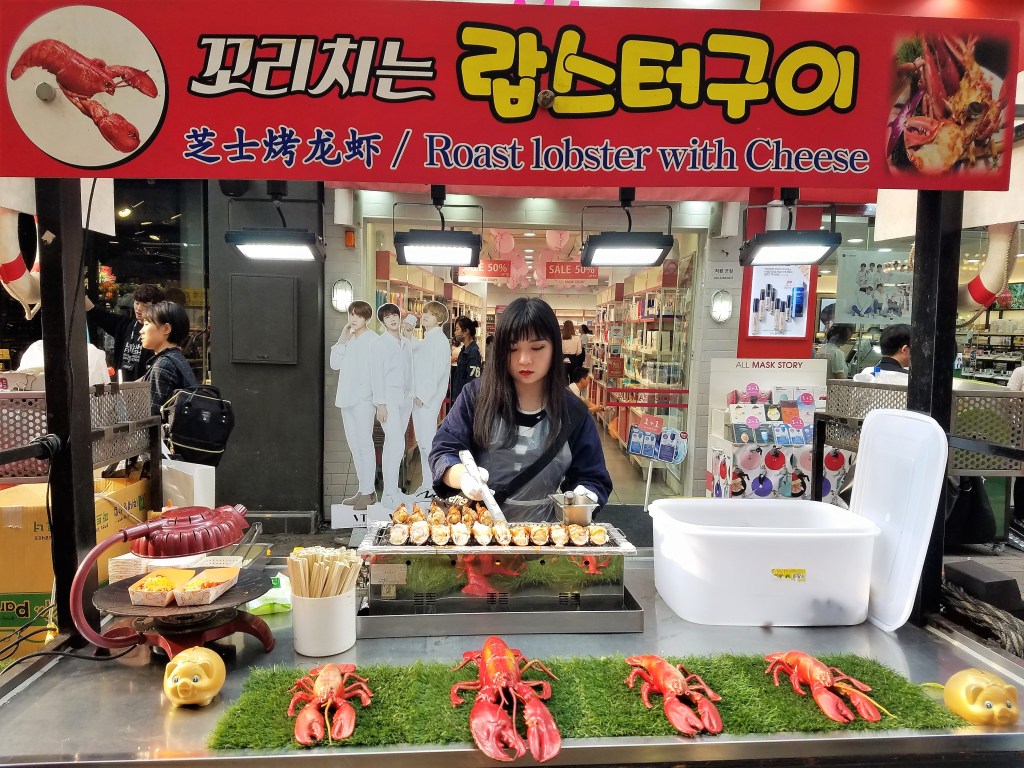
Explore Markets and Districts: Save your money for shopping districts and flea markets. Myeongdong, Dongdaemun, and Insadong are popular spots.

Join a Kimchi-Making Workshop: Learn about Korea’s iconic dish and make your own kimchi. It’s a fun and educational experience.
 ameropasstravel.com