
Blend of History, Culture and Beauty
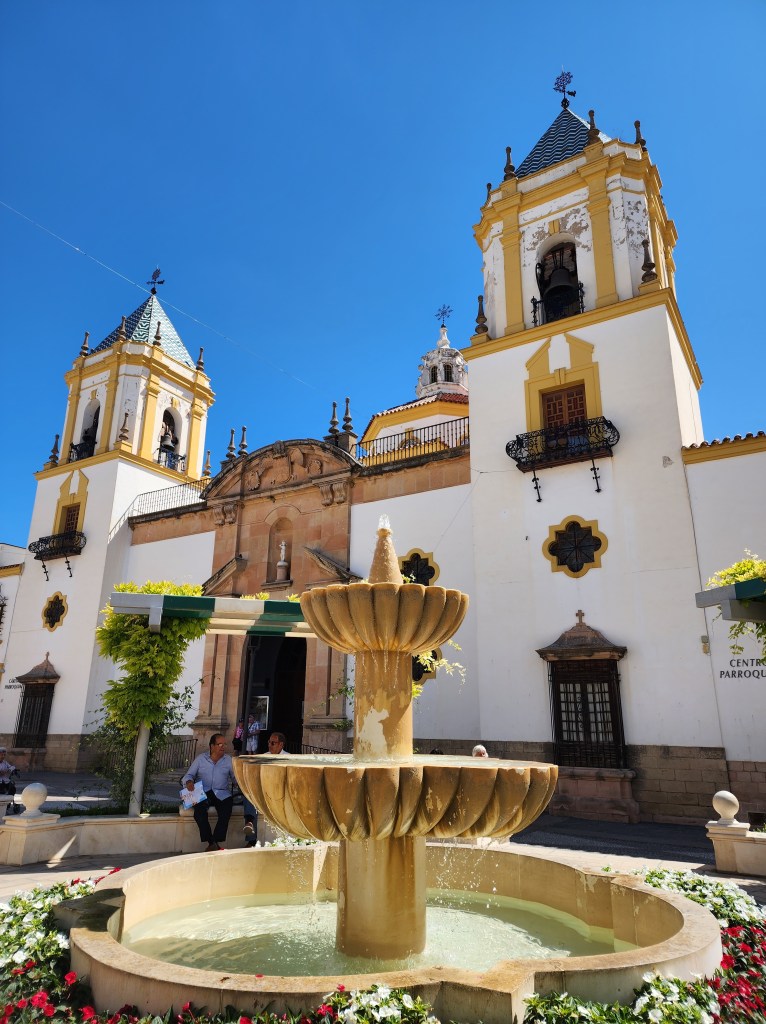
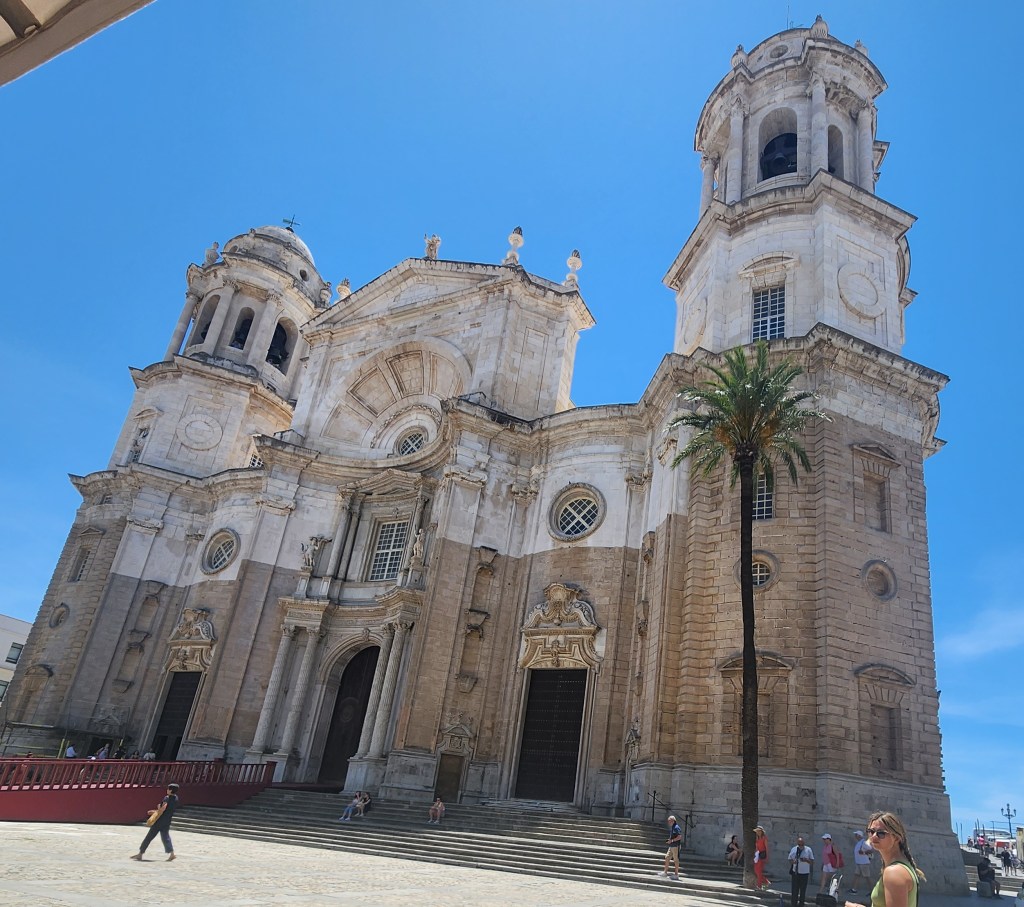
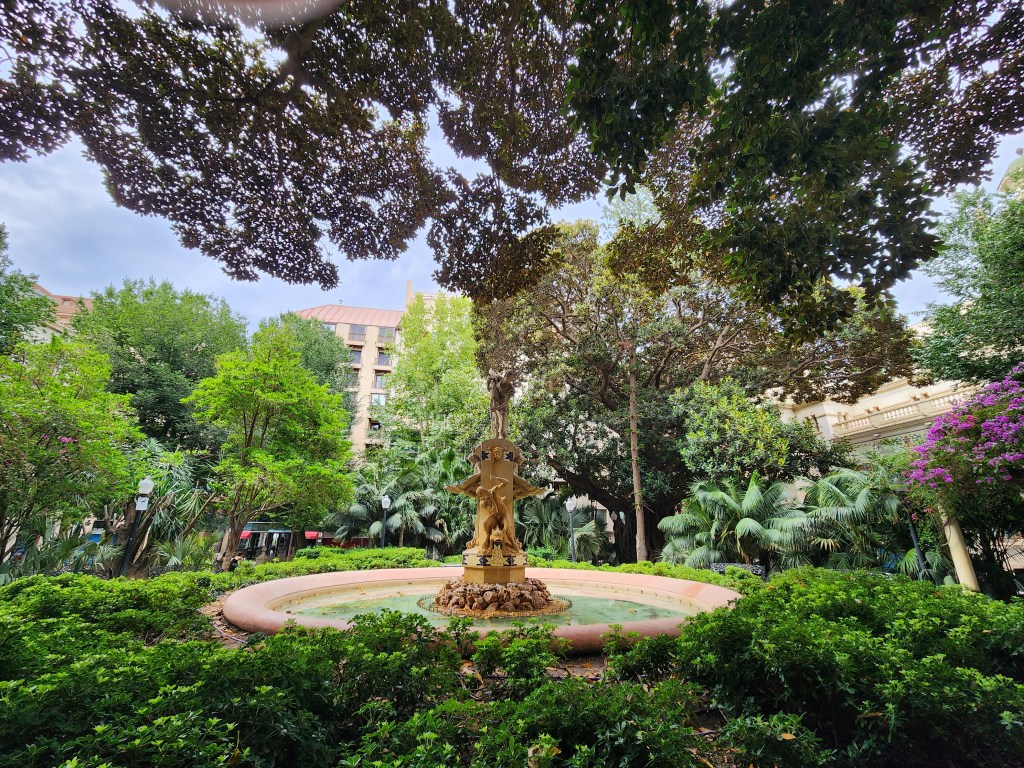
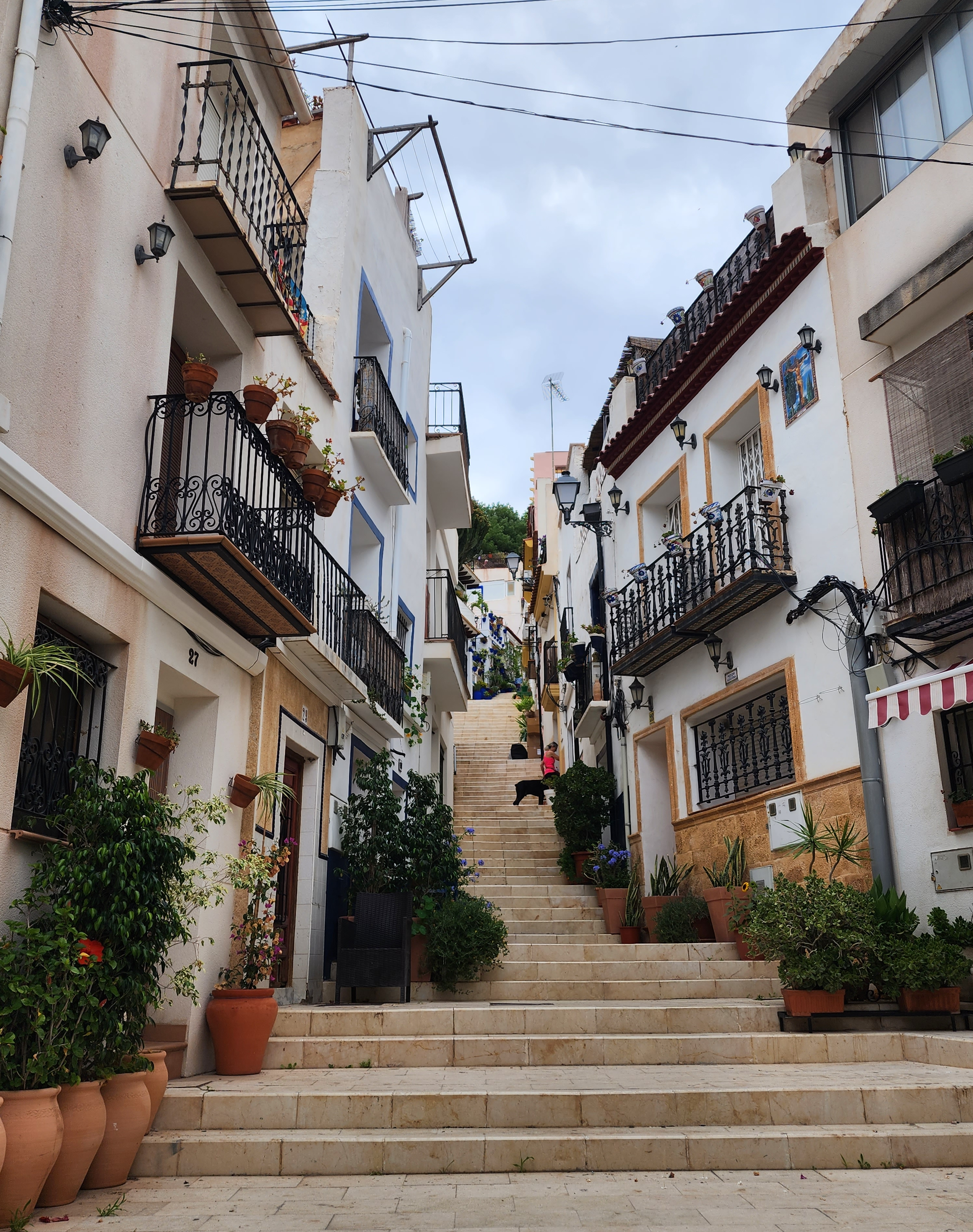
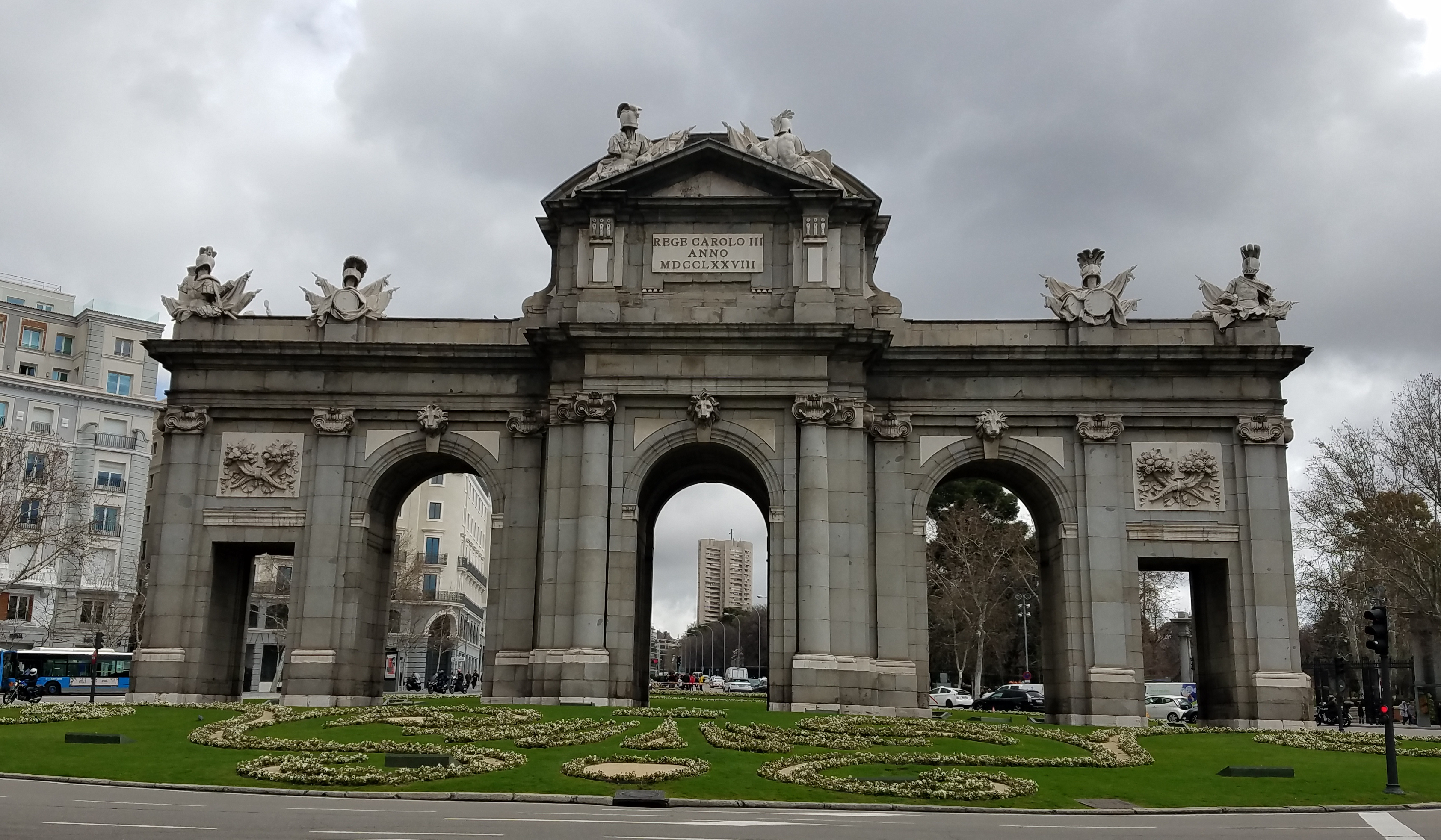
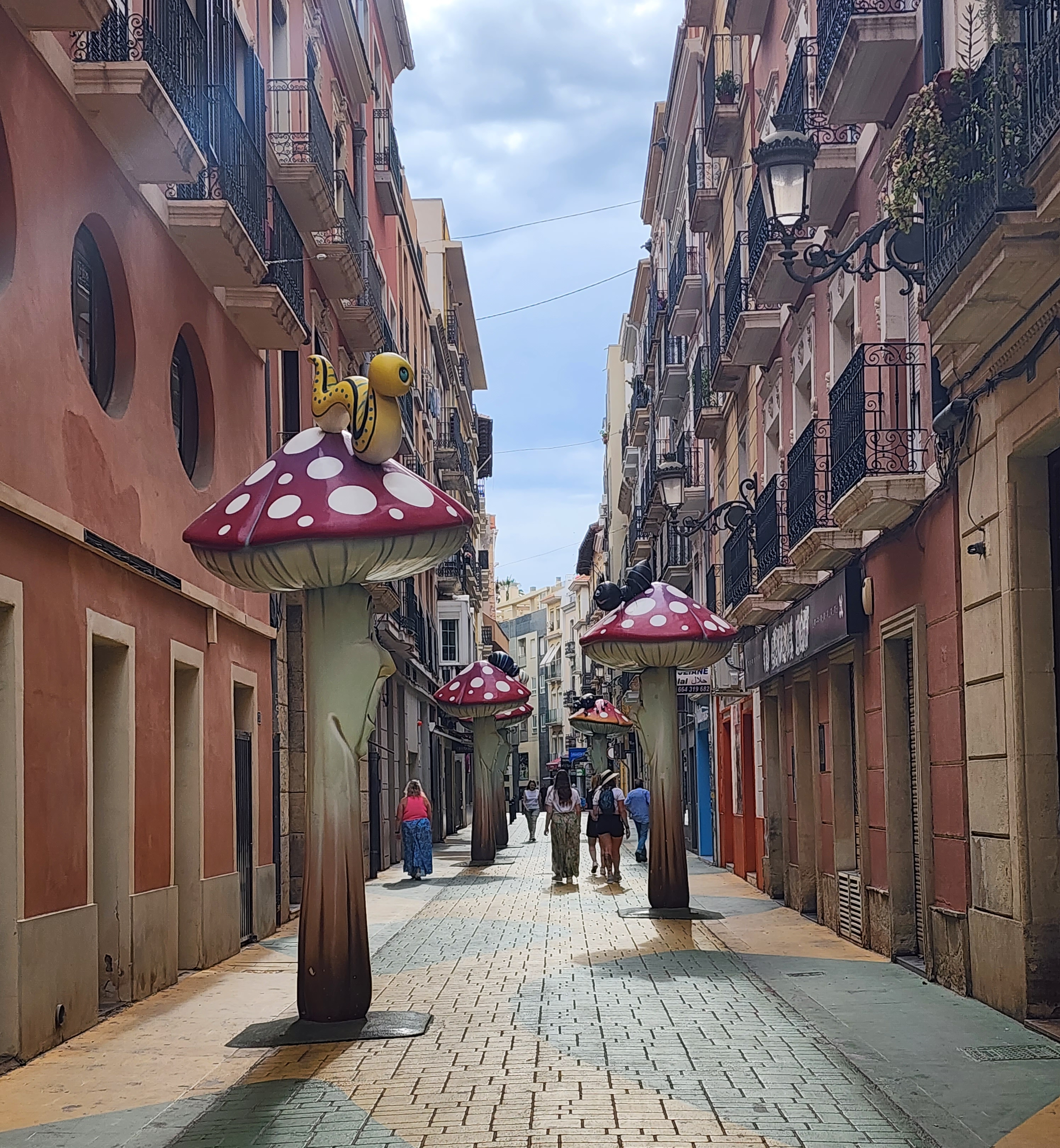
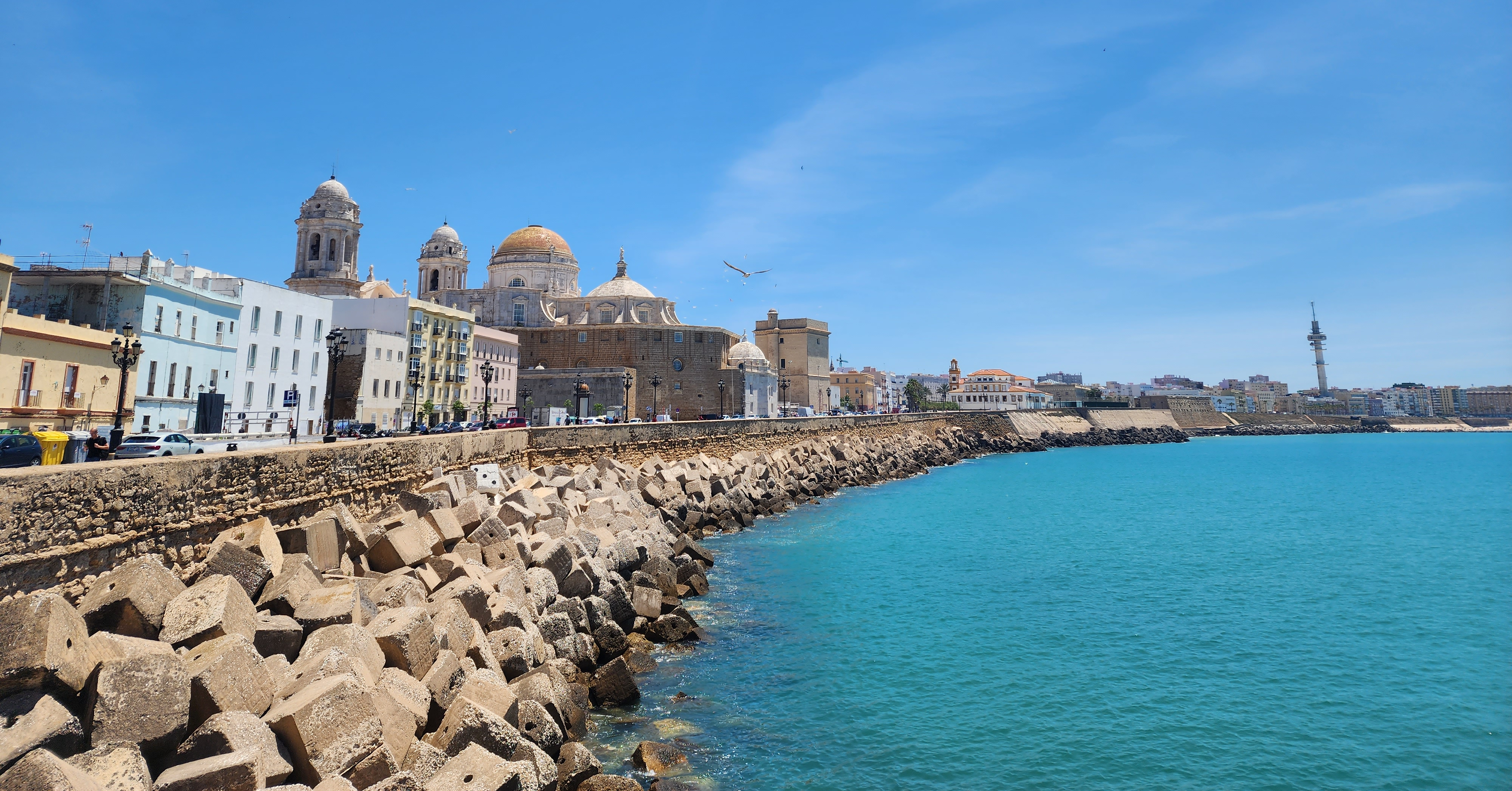
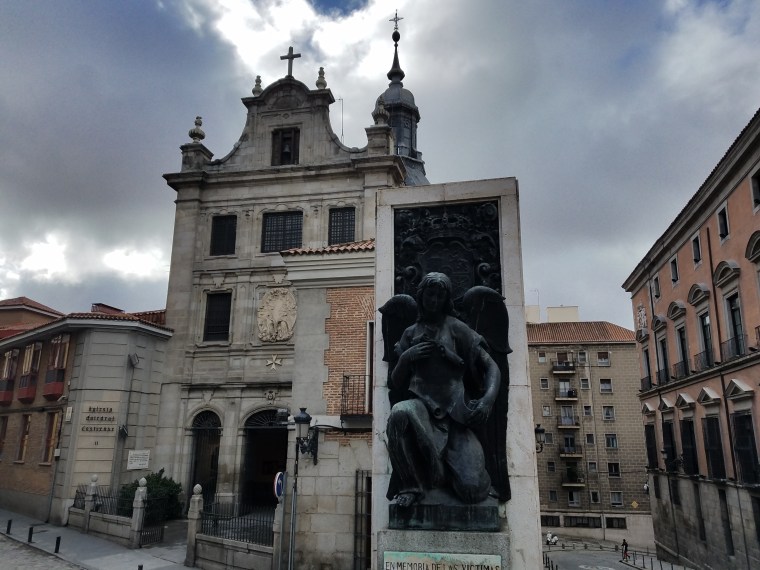
Spain is a captivating tourist destination with diverse landscapes, rich culture, and vibrant cuisine. From the whimsical architecture of Barcelona to the historic Alhambra in Granada, there’s something for every traveler. Explore world-class art, indulge in delicious tapas, and enjoy warm weather year-round. Whether you’re interested in history, food, or simply relaxing on the beach, Spain has it all.






go
The best time to visit Spain depends on your preferences and what you want to experience. However, here are some general guidelines based on weather, crowds, and activities:

Spring (April to May): Pleasant Weather: Spring offers mild temperatures, making it ideal for exploring cities, beaches, and outdoor activities. Many festivals take place during spring, such. It’s not as crowded as the summer months. If you enjoy pleasant weather and cultural events.
Autumn (September to October): Similar to spring, autumn provides comfortable temperatures. Experience grape harvest festivals and other local celebrations. Tourist crowds decrease after the peak summer season. Great conditions for sightseeing, hiking, and exploring historical sites.
Off-Season (November to March): Lower Prices: Accommodations are typically cheaper during this time. Year-round, Spain offers delicious food, museums, and a vibrant culture.
do
Here are some must-do highlights:

The Alhambra and Generalife Gardens, Granada: This Moorish pleasure palace, with its intricate stone carvings, tile-lined ceilings, and serene courtyards, is a breathtaking masterpiece. Be sure to explore the adjoining palace built for Emperor Charles V and the peaceful Generalife Gardens.

Barcelona’s Sagrada Familia and Gaudí Sites: Antoni Gaudí’s whimsical architecture, including the iconic Sagrada Familia, Park Güell, and Casa Batlló, captivates visitors in Barcelona.

Seville Cathedral and Alcázar: Seville’s stunning cathedral, the largest Gothic cathedral in the world, and the adjacent Alcázar showcase exquisite architecture and historical significance.

The Prado and Paseo del Arte, Madrid: Art enthusiasts shouldn’t miss the Prado Museum, home to an impressive collection of European masterpieces. Stroll along Paseo del Arte to explore other museums and galleries in Madrid.

Plaza Mayor, Madrid: This historic square in the heart of Madrid is surrounded by elegant buildings and offers a lively atmosphere.

Plaza de España and Parque de María Luisa, Seville: The grand Plaza de España, with its semicircular building and colorful ceramic tiles, is a must-see. Nearby, Parque de María Luisa provides a tranquil escape.

Guggenheim Museum, Bilbao: A masterpiece of contemporary architecture, the Guggenheim Museum houses an impressive collection of modern and contemporary art.

Santiago de Compostela Cathedral: The final stop on the Camino de Santiago pilgrimage route, this cathedral is a spiritual and architectural marvel.

Ciudad de las Artes y las Ciencias, Valencia: Futuristic architecture, science exhibits, and an opera house make this complex a unique attraction.

Beaches of Gran Canaria: Enjoy sun-soaked beaches and crystal-clear waters on this beautiful Canary Island.
eat
Here are some must-try foods when you visit Spain:

Paella Valenciana: Originating from the 18th century in El Palmar, a small village south of Valencia, paella is one of the most famous Spanish dishes. The original recipe, known as paella Valenciana, includes chicken, rabbit, snails, vegetables, and local short-grain rice. If you’re a seafood lover, try the various rice dishes made with seafood in Valencia—they’re equally delightful!

Jamón (Dry-Cured Ham): Thinly sliced jamón is a staple of Spanish cuisine. Whether served on charcuterie boards, in bocadillo sandwiches, or as an appetizer with sweet melon (melón con jamón), this savory ham is a treat for your taste buds.

Tortilla de Patatas (Spanish Omelette): A classic Spanish dish, the tortilla de patatas features eggs, potatoes, and sometimes onions. It’s often served as a tapa or in a sandwich.

Olives: Spain produces a wide variety of olives, and they’re a common snack or appetizer. Try them stuffed with anchovies or marinated in herbs and olive oil.

Carrillada (Braised Pork Cheeks): Slow-cooked pork cheeks, often served with a rich sauce, are a flavorful delight.

Cochinillo (Suckling Pig): A specialty in Segovia, cochinillo is roasted until crispy on the outside and tender on the inside.

Fried Fish: Coastal regions offer delicious fried fish, such as pescaíto frito in Andalusia.

Rabo de Toro (Bull’s Tail Stew): This hearty stew made from bull’s tail is a traditional dish in many regions of Spain.
tips
Here are some useful travel tips to keep in mind when visiting Spain:

Pack Warm Clothes: While Spain is famous for its blue skies and sun-drenched beaches, it actually has more colder seasons than warm ones. Regions in northern Spain, such as the Basque Country, Asturias, and Galicia, have cooler temperatures. So, bring a jacket and pack appropriately for the weather.

Use Cards: Card payments are widely accepted in Spain, especially in tourist hubs like Madrid, Barcelona, San Sebastián, and Ibiza. You can go cashless for days and pay for meals, drinks, taxis, and bus fares using credit or debit cards. If you do carry cash, make sure to have smaller bills and coins, as some establishments may not have change for larger bills.

Observe Sidewalk Etiquette: When walking on sidewalks, stay to the right to allow others to pass. This helps maintain a smooth flow of pedestrian traffic.

Adapt to Spanish Time: Eating times in Spain are later than in many other countries. Dinner reservations at 9 pm are considered early. Be prepared for leisurely meals and social gatherings that may extend well beyond the meal itself.

Bring Packets of Toilet Paper: Some public restrooms may not provide toilet paper, so it’s a good idea to carry your own.

Avoid Flashy Paella Signs: Authentic paella is a regional specialty, and the best places to enjoy it are often not the ones with flashy signs. Ask locals for recommendations.

Explore Off-the-Beaten-Path Destinations: While Madrid, Barcelona, and other major cities are popular, consider visiting lesser-known towns and villages to experience the local culture and traditions.
 ameropasstravel.com