
Vibrant Culture, Wild Landscapes
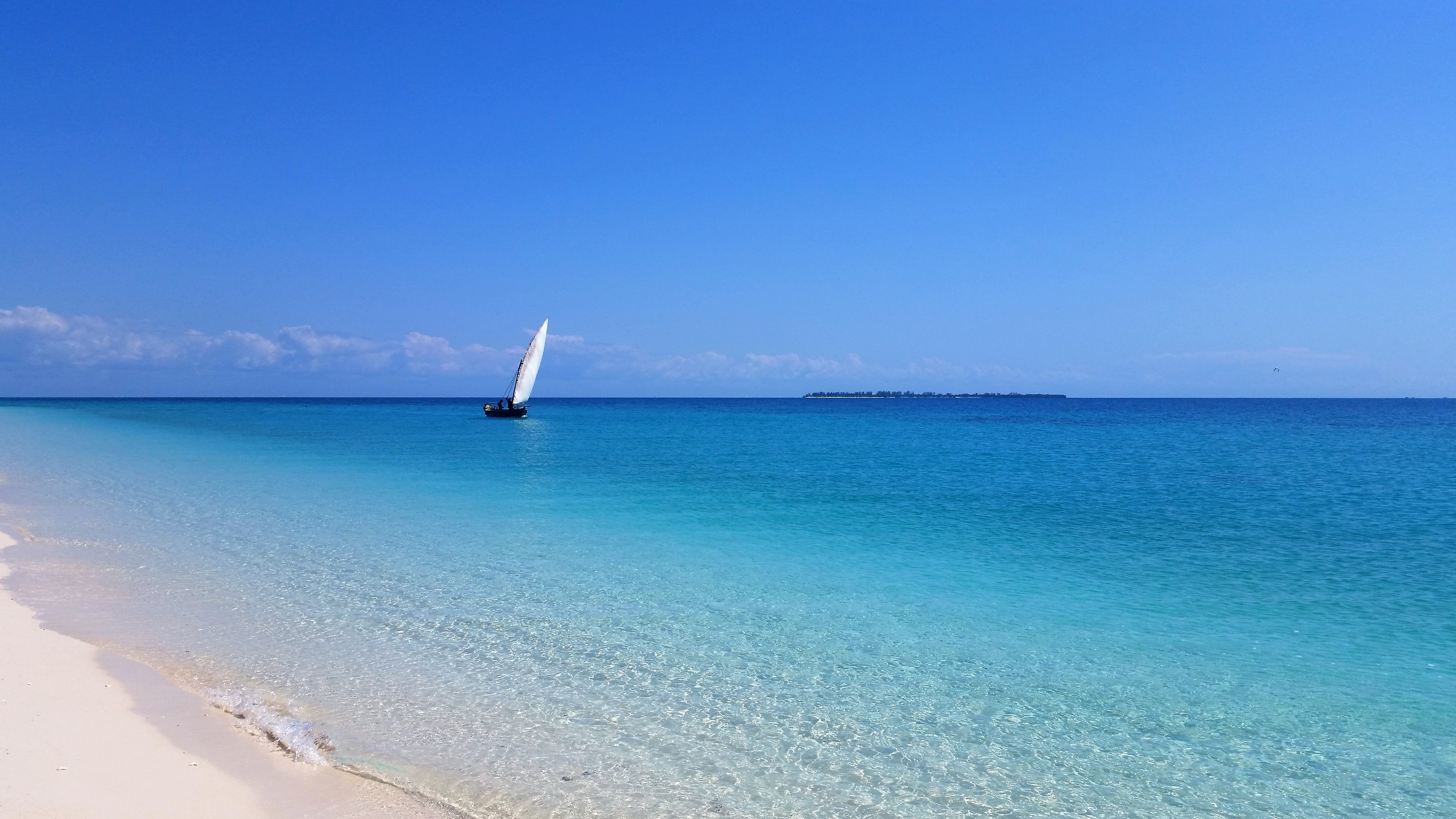
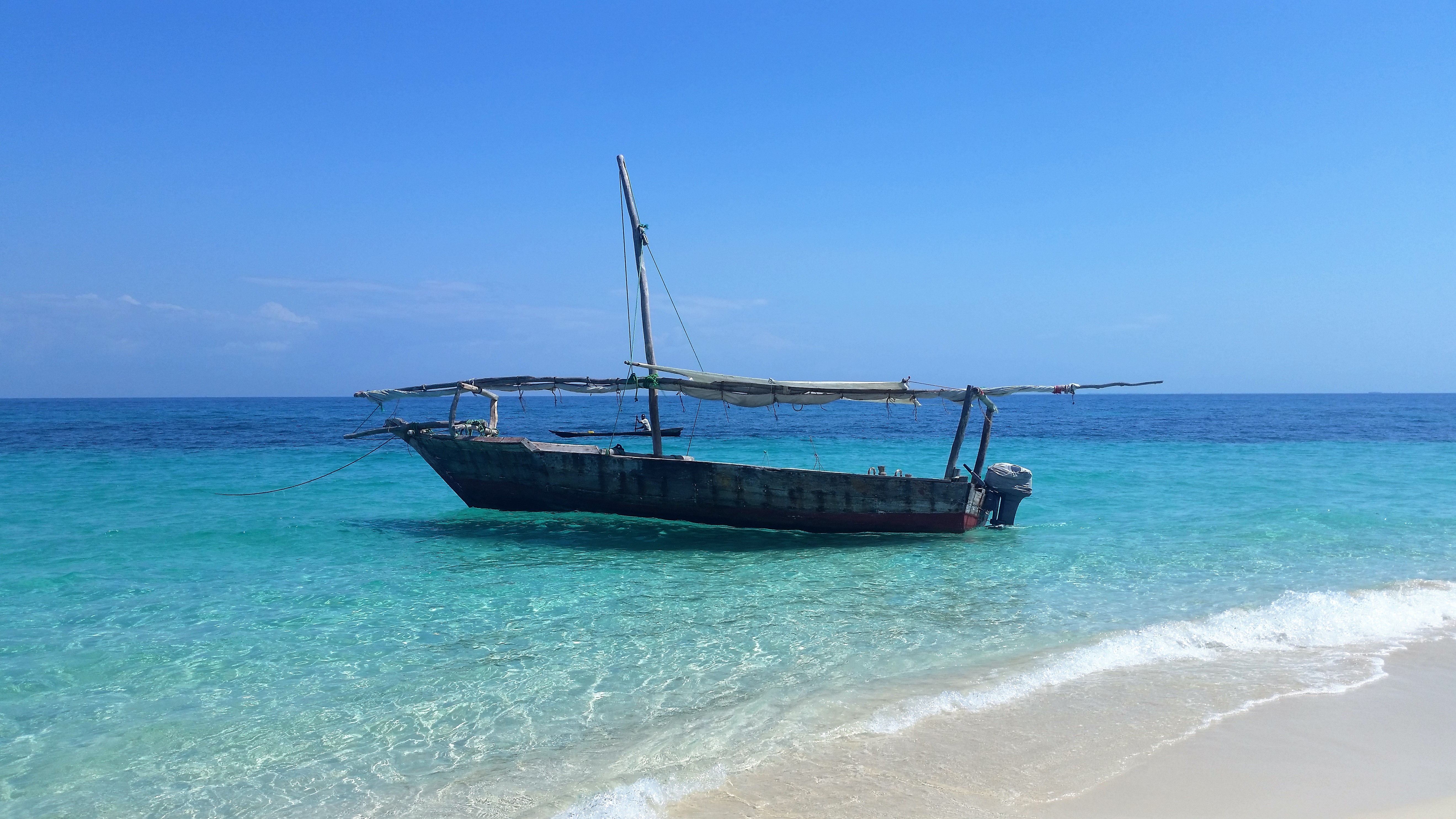
Tanzania, often hailed as the heart of East Africa, harmoniously combines breathtaking natural wonders with a tapestry of cultural richness. Meanwhile, Zanzibar—an enchanting jewel nestled in the Indian Ocean—presents captivating contrasts. Its turquoise waters gently caress powdery white sands, while ancient spice markets infuse the air with exotic fragrances.
go
The best time to visit Tanzania depends on your preferences and what you want to experience. Here are some key points:

Dry Season (June to October):
Wildlife Viewing: Prime time for spotting animals.
Weather: Little to no rainfall, sunny days.
Recommended Parks: Serengeti, Ngorongoro Crater, and Tarangire.

Wet Season (November to May):
Scenery: Green landscapes.
Recommended Parks: Southern and Western circuit parks.

Avoid March to May:
Peak of wet season.
do
Here are some of the must-do attractions:

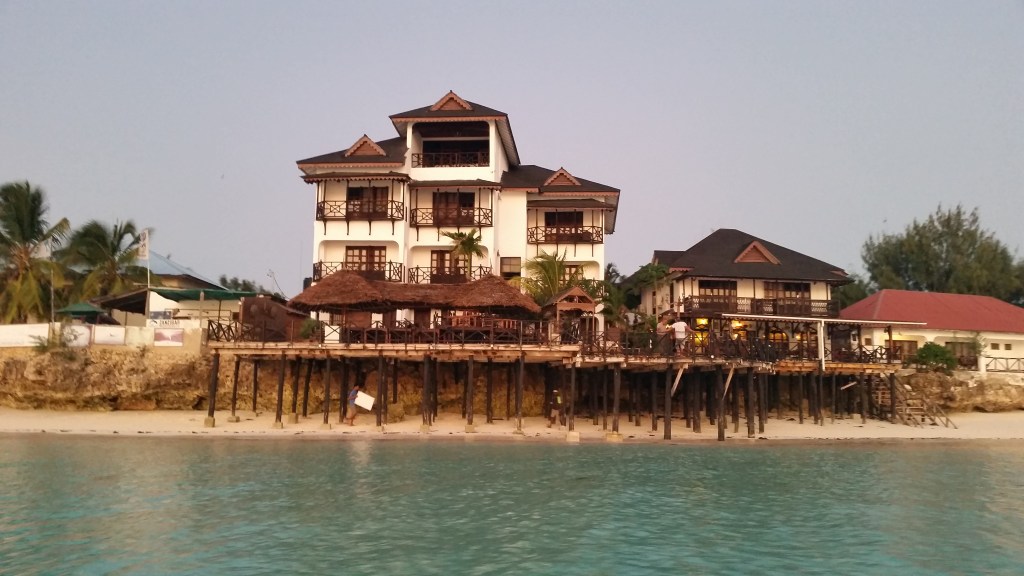
Gorgeous Beaches: Tanzania’s coastline is a paradise for beach lovers. Imagine relaxing on idyllic islands, surrounded by palm trees, and sipping on fresh coconuts.

Mt. Kilimanjaro: For the adventurous souls, climbing Mt. Kilimanjaro is an unforgettable experience. The highest peak in Africa, it offers breathtaking views and a sense of accomplishment like no other.

Zanzibar Archipelago: Zanzibar, part of Tanzania, is a gem in the Indian Ocean. Its pristine beaches, historic Stone Town, and vibrant culture make it a must-visit.

Serengeti National Park: If you’re planning a safari, Serengeti is the place to be. Witness the awe-inspiring mass migration of two million wildebeest and zebra—an incredible wildlife spectacle.

Ngorongoro Conservation Area: The Ngorongoro Crater, a UNESCO World Heritage Site, is a natural wonder. It’s home to diverse wildlife, including lions, elephants, and rhinos.

The Big 5: Tanzania boasts almost half of the world’s remaining wild lions and is home to all the Big 5—lion, leopard, elephant, buffalo, and rhinoceros.
eat
Here are some must-try Tanzanian foods:

Wali-Wa-Nazi (Rice In Coconut Milk): A versatile dish made by cooking rice in coconut milk. It pairs well with spicy curries or stews.

Mchuzi Wa Samaki (Curried Fish In Coconut Milk): A classic dish featuring fresh fish cooked in rich coconut milk. Often served with rice or chapati bread.

Mishkaki (Beef Or Chicken Kebabs): Grilled meat skewers, a favorite street food.

Pilau: Fragrant rice dish with spices, meat, and vegetables.

Nyama Choma: Grilled meat, a Tanzanian barbecue specialty.

Mandazi: Sweet, deep-fried doughnut-like pastries.

Ndizi Kaanga: Fried bananas.
tips
Here are some useful tips for visiting Tanzania:

Currency: The currency of Tanzania is the Tanzanian shilling (TSh), abbreviated as TZS. It is subdivided into 100 cents (senti in Swahili). As of the latest update, 1 US Dollar is equivalent to approximately 2,592.61 Tanzanian Shillings.

Hakuna Matata is Real: Remember “Hakuna Matata” from The Lion King? It’s a real saying in Swahili, meaning “no worries.” Tanzanians often use “Hamna shida” as well.

Budget for Safari Costs: While fuel and food are affordable, Tanzanian park fees can be steep. For example, the Serengeti entry fee is $76, and Ngorongoro Crater costs the same.

Be Polite with Police: If you’re self-driving, watch out for police. Stick to speed limits and carry necessary equipment (fire extinguisher, safety vest, etc.).

Take Time for Greetings: Tanzanians value greetings. A simple “Jambo” or “Karibu” goes a long way.

Learn Some Swahili: Basic Swahili phrases will enhance your experience.

Wildlife Beyond the “Big 5”: A safari is about more than spotting the famous animals. Enjoy the whole ecosystem.

Tanzanian Time: Be patient; things move at a different pace.

Pack a Mosquito Net: Protect yourself from mosquitoes, especially in coastal areas
 ameropasstravel.com