
Modern Hub Blending Tradition
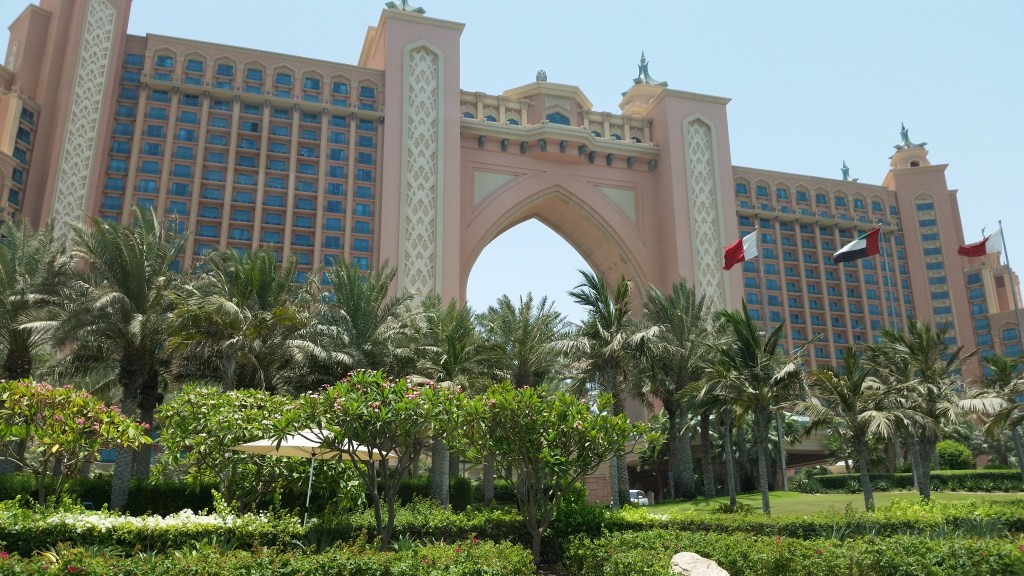
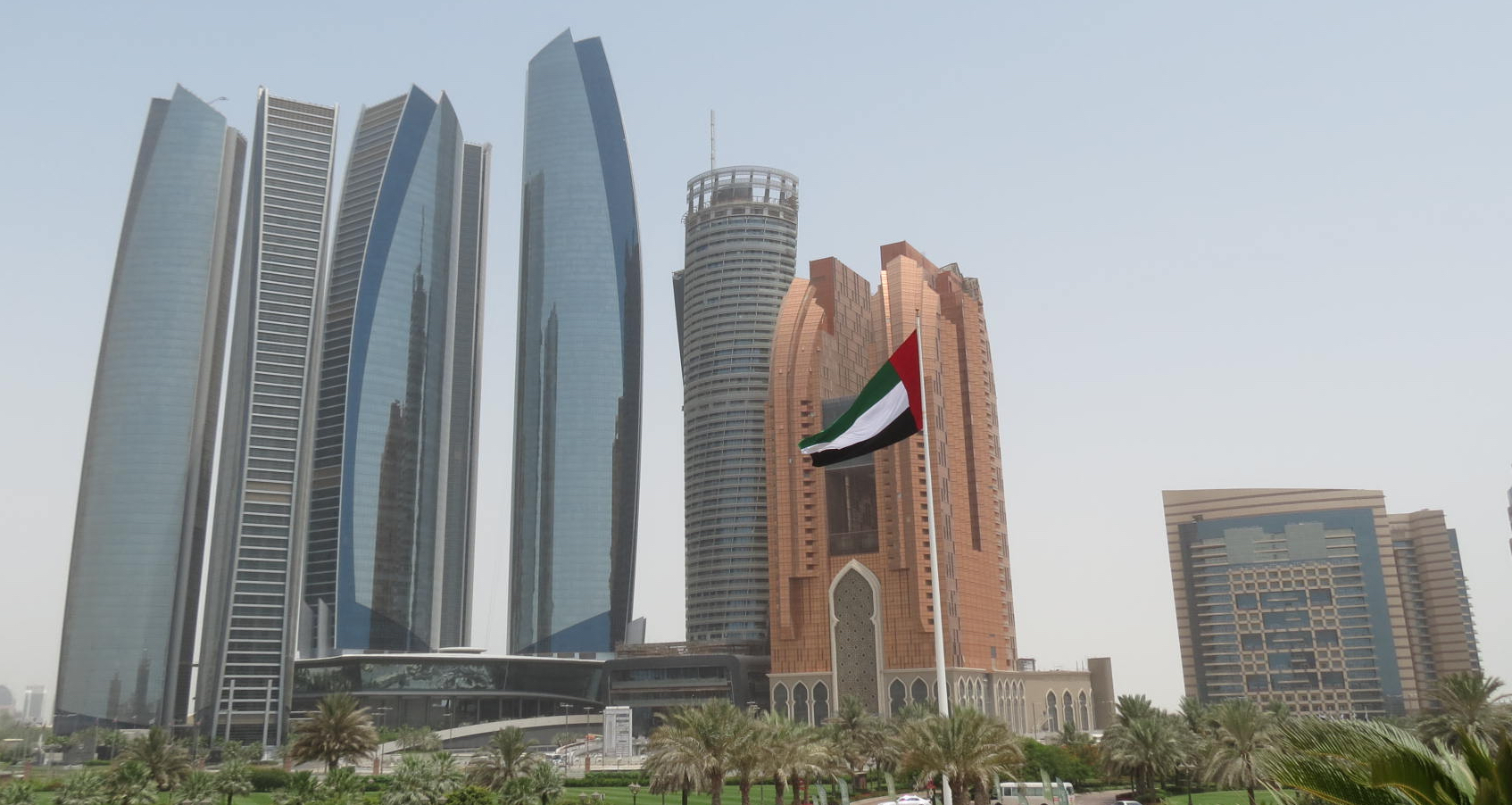
The UAE, a federation of seven emirates, blends modernity with tradition. Dubai, its vibrant hub, boasts iconic skyscrapers, luxury shopping, and a bustling multicultural atmosphere. Meanwhile, Abu Dhabi, the largest emirate, anchors the nation’s oil industry. The UAE’s strategic location near the Strait of Hormuz underscores its significance in global trade and geopolitics.

go
The best time to visit the United Arab Emirates is from October to April, which spans the winter season. During this period, temperatures typically oscillate between 25°C and 30°C. While it will still be hot, especially around midday, you’ll have the opportunity to explore outdoors, which is near-impossible at the height of summer. If you’re planning a trip, keep in mind that December through February offers more comfortable temperatures, but it’s also the peak season for flights and hotels. Shoulder seasons, such as May and September, usually provide less heat and may offer discounts.
do
Here are some must-do attractions:

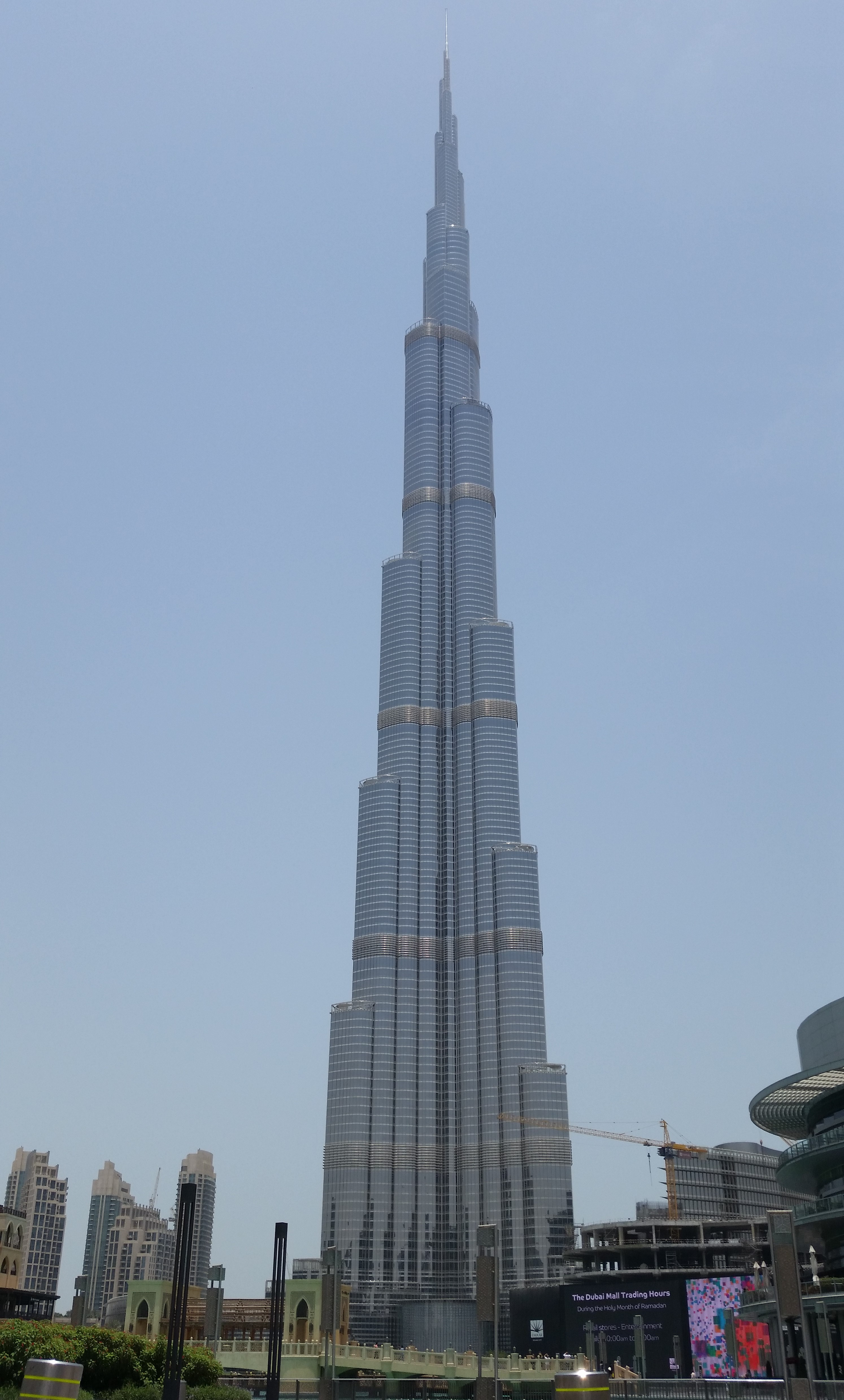
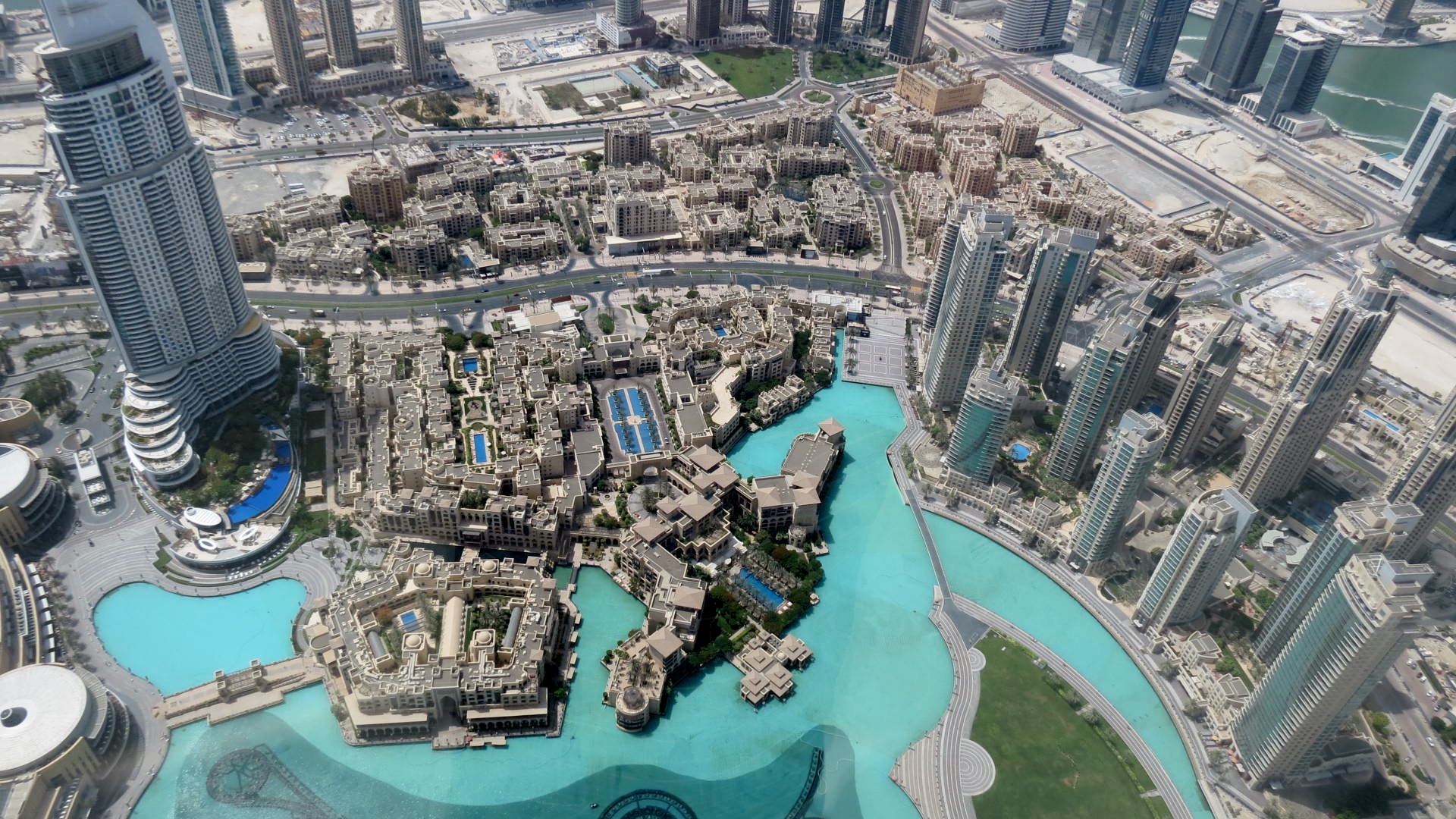
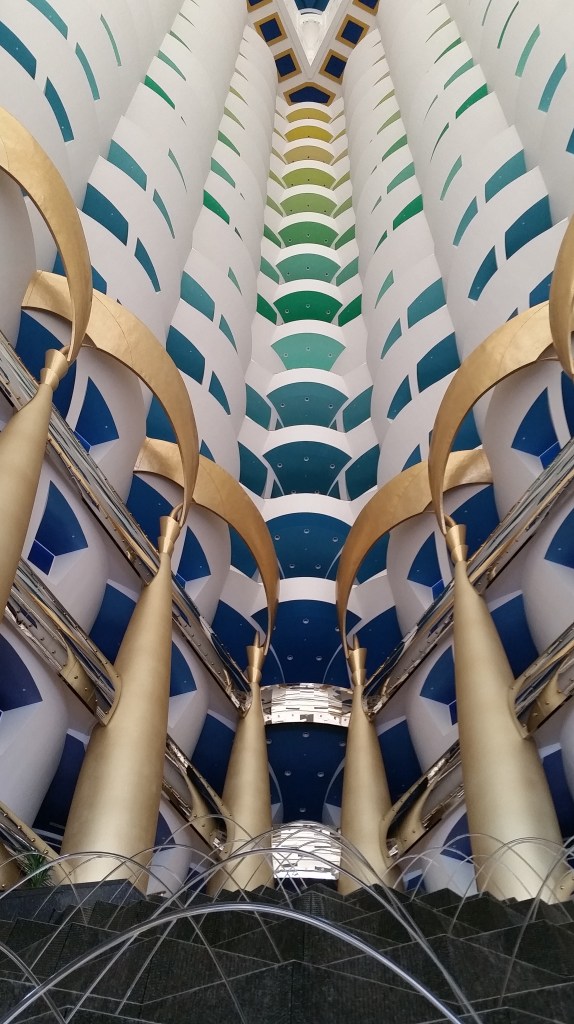
Dubai: This dazzling city boasts iconic skyscrapers, man-made islands, and extravagant malls. Don’t miss the Burj Khalifa, the world’s tallest building, and explore the historic Al Bastakiya neighborhood.

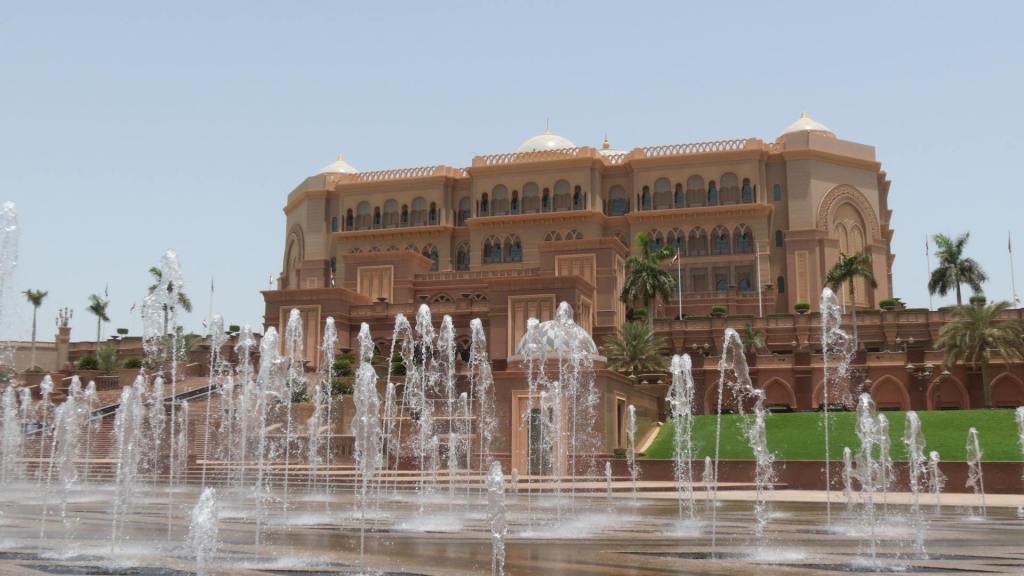
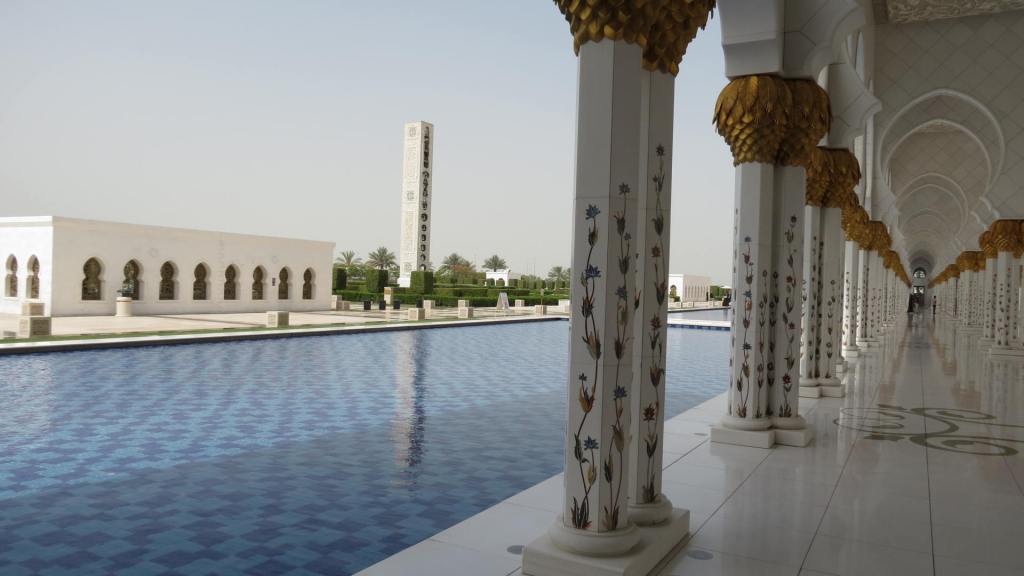
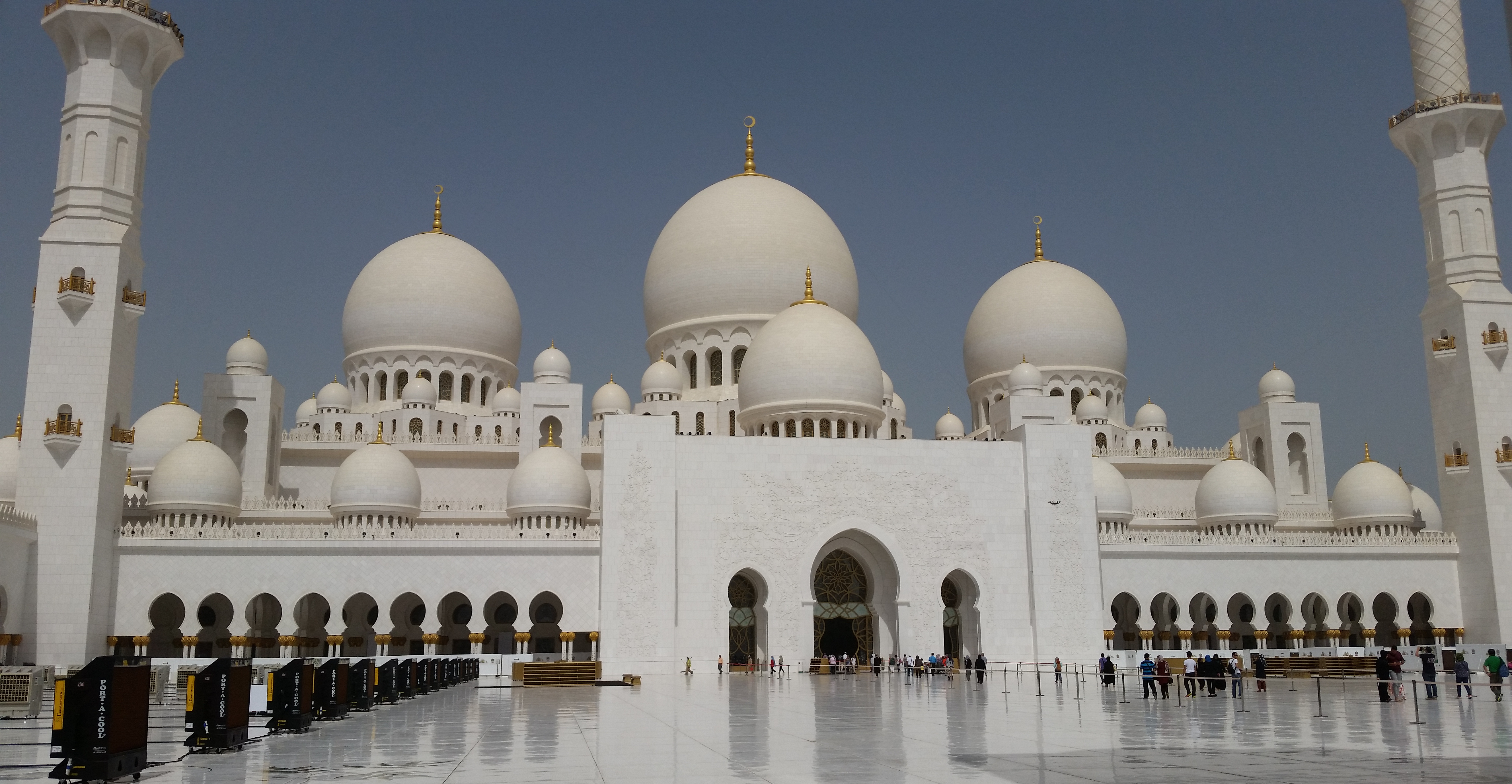
Abu Dhabi: The capital of the UAE, Abu Dhabi, is home to architectural wonders like the Sheikh Zayed Grand Mosque and the Louvre Abu Dhabi. For thrill-seekers, there’s Ferrari World and the Yas Marina Circuit.

Desert Adventures: Experience the UAE’s desert landscapes with camel rides, safaris, and visits to falconry centers.
eat
Here are some must-try traditional dishes:

Khuzi: The national dish of the UAE, Khuzi consists of roasted mutton served on a bed of fragrant rice and vegetables, topped with roasted nuts and raisins.

Harees: A slow-cooked dish made from wheat and meat, often enjoyed during Ramadan.

Mandi: Similar to Khuzi, Mandi features tender meat (usually lamb or chicken) cooked with rice and aromatic spices.

Al Harees: Another Ramadan specialty, Al Harees is a blend of wheat, meat, and ghee, slow-cooked until creamy.

Luqaimat: Sweet dumplings drizzled with date syrup or honey, perfect for dessert.

Jasheed: A fish stew made with dried fish, spices, and lemon.

Balaleet: A sweet and savory breakfast dish combining vermicelli noodles, eggs, and saffron.

Falafel: While not exclusive to the UAE, these deep-fried chickpea balls are popular street food.

Shawarma: Thinly sliced marinated meat (usually chicken or lamb) wrapped in flatbread with veggies and tahini sauce.

Chebab: Emirati pancakes made with saffron and served with date syrup.
tips
Here are some useful tips for visiting the UAE:

Currency and Tipping: The UAE’s currency is the Emirati Dirham (AED). Tipping is appreciated but not mandatory.

Blend of Cultures: The UAE is a melting pot of cultures. Respect local customs and traditions, especially during Ramadan.

Conservative Dress Code: Dress modestly, especially in public places. Cover your shoulders and knees, and avoid revealing clothing.

Weekend Days: In the UAE, the weekend is Friday and Saturday. Plan your activities accordingly.

Laws and Regulations: Familiarize yourself with local laws. For example, public displays of affection are not allowed, and alcohol consumption has restrictions.

Book Attractions in Advance: Popular attractions like the Burj Khalifa and the Museum of the Future often require advance booking.

Water and Sun Protection: Stay hydrated and use sunscreen. The sun can be intense.

Public Transportation: Use the efficient metro system or taxis to get around. Renting a car is also an option.

Respect Ramadan: During Ramadan, avoid eating, drinking, or smoking in public during daylight hours.
 ameropasstravel.com