
Vibrant, Diverse, Scenic, and Culinary
Tunisia, located in North Africa along the Mediterranean coast, shares borders with Algeria to the west and Libya to the southeast. It is rich in history, diverse natural beauty, and boasts sandy beaches. Beyond the shoreline, you’ll find distinct cultures and breathtaking landscapes. Tunisian cuisine is a delightful fusion of flavors, featuring fresh seafood, vibrant vegetables, and bold spices.
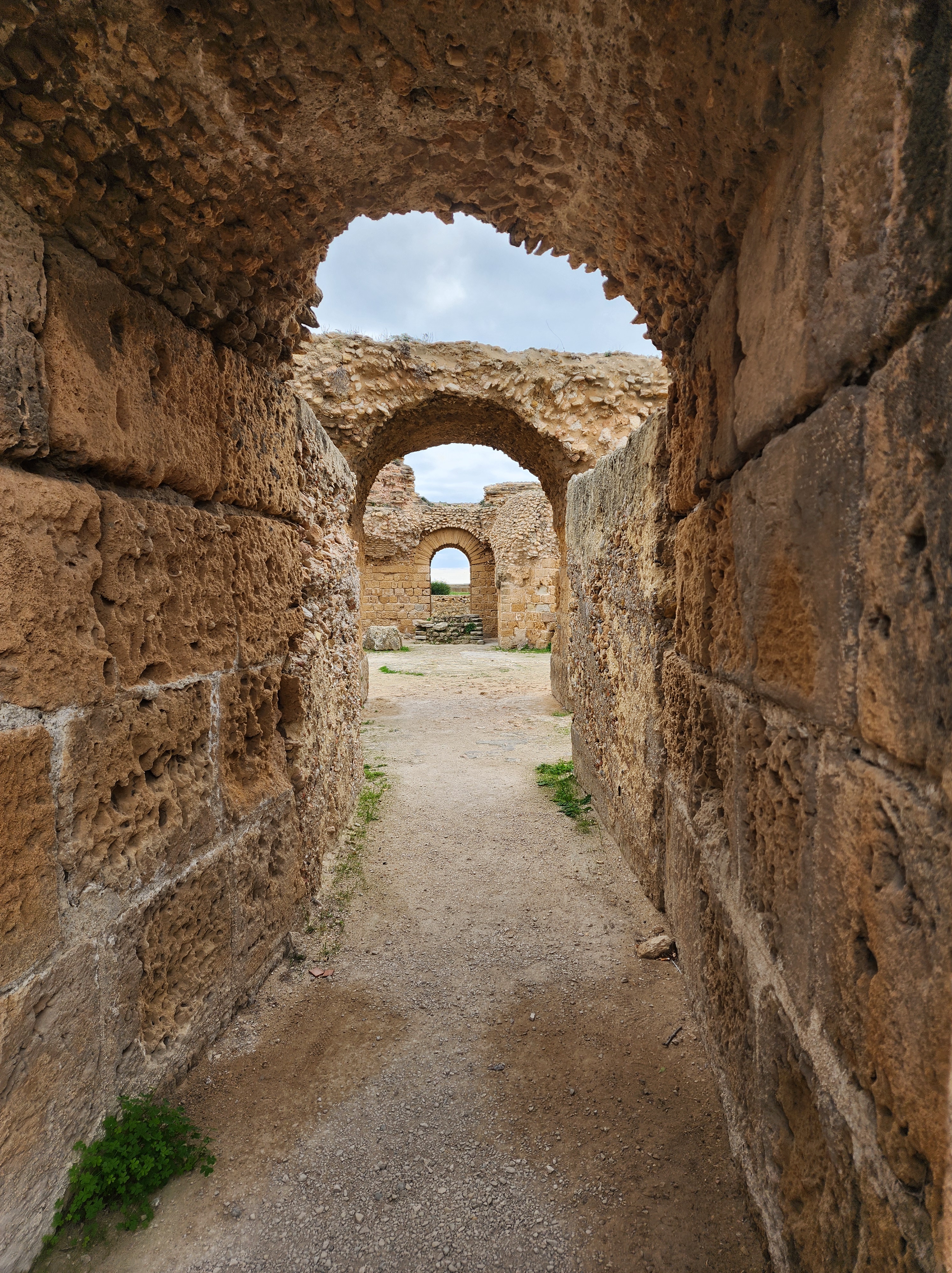
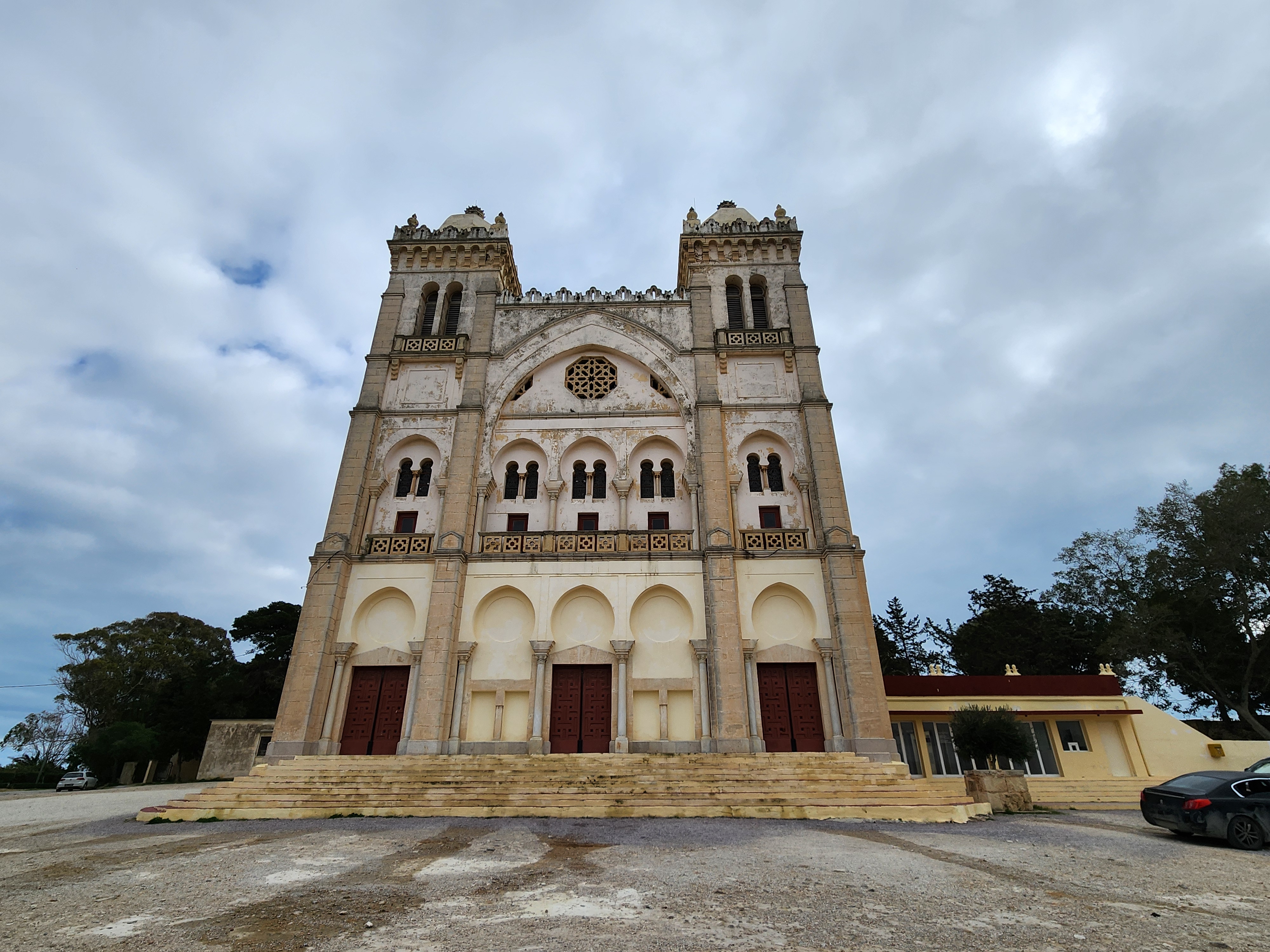
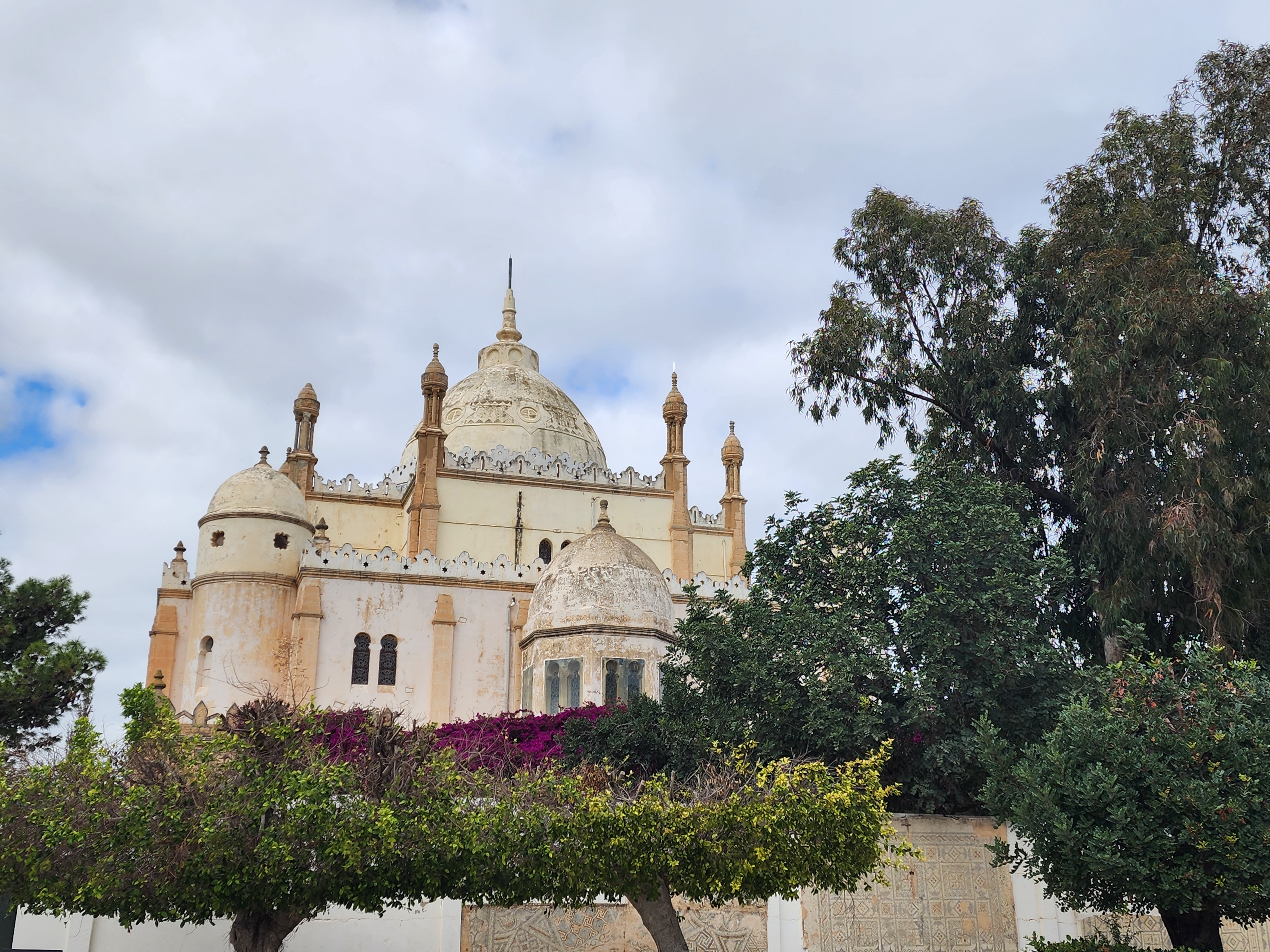
Over time, it developed into a great trading empire that covered much of the Mediterranean.

go
The best time to visit Tunisia is between April and June. During this period, you can enjoy mild weather and minimal rain, making it ideal for beaches and sightseeing. The country is less crowded during these months, providing a more peaceful experience. If you’re a sunseeker, the hottest months are June to September, with July having an average daily maximum of 33°C and an average low of 21°C2. Overall, spring (April to June) and fall (September to November) are the best times to explore Tunisia, offering pleasant weather and fewer crowd.
do
Here are five must-do attractions:

El Djem Amphitheater: This well-preserved Roman relic is Tunisia’s big sightseeing highlight. It’s one of the best examples of amphitheater architecture in the world. You can explore the corridors under the arena or climb to the top seating tiers for a view of the battles that once took place there.

Djerba: If you’re looking for a picture-perfect beach escape, Djerba is the place to be. The island town of Houmt Souk offers whitewashed houses and excellent shopping opportunities. Don’t miss the handicraft vendors and the old town district.

Carthage: Visit the ancient ruins of Carthage, a city with a fascinating history. Explore the archaeological sites, including the Roman baths, amphitheater, and Punic ports. Carthage was once Rome’s breadbasket, and its cultural riches are worth exploring.

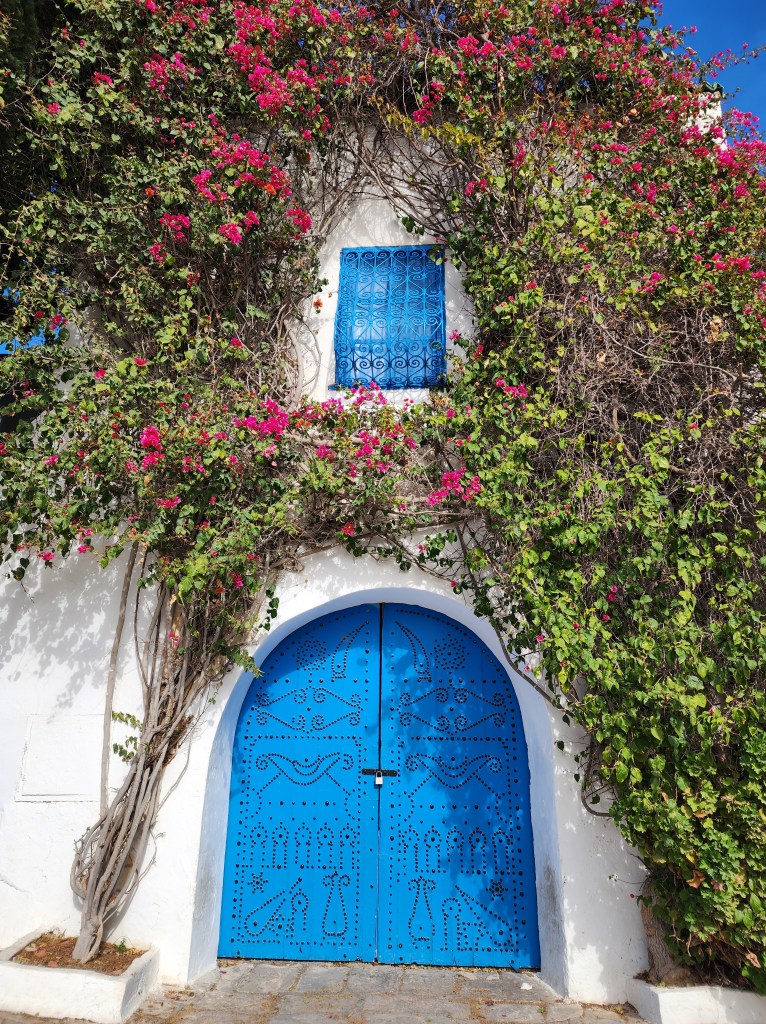
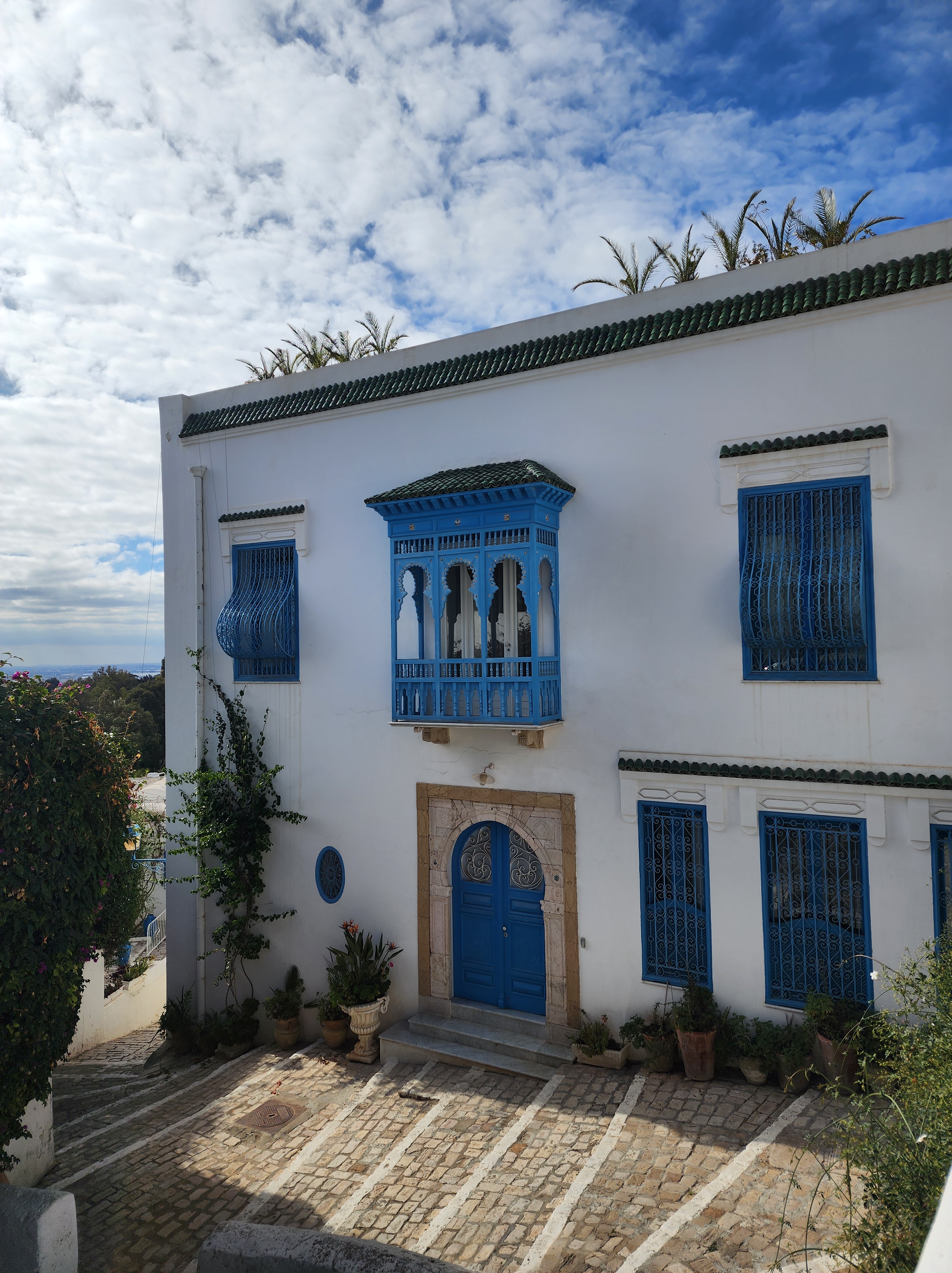
Sidi Bou Said: This charming blue-and-white village overlooking the Mediterranean Sea is a must-see. Wander through its narrow streets, admire the traditional architecture, and enjoy the stunning views. Sidi Bou Said is an artist’s paradise.

Kairouan: Known as the 7th-century Islamic capital, Kairouan boasts beautiful examples of Islamic architecture. Visit the Great Mosque of Kairouan, explore the medina, and soak up the historical atmosphere.
eat
Here are some must-try Tunisian foods:

Couscous: Known as “kosksi” in the Tunisian dialect, couscous is a staple dish in North African cuisines and is considered a national dish in Tunisia. It consists of small granules of rolled durum wheat semolina cooked in a special double boiler.

Harissa: This spicy paste made from ground chili peppers, garlic, and spices is a key ingredient in Tunisian cooking. It adds heat and flavor to many sauces and gravies.

Brik: A crispy pastry filled with egg, tuna, capers, and parsley. It’s often deep-fried and served as an appetizer.

Lablabi: A hearty chickpea soup flavored with garlic, cumin, and olive oil. It’s commonly eaten for breakfast or as a late-night snack.

Mechouia: A grilled vegetable salad made with roasted bell peppers, tomatoes, onions, and garlic. It’s dressed with olive oil and spices.

Makroudh: A sweet pastry made from semolina dough filled with dates and fried until golden brown.

Chorba Frik: A flavorful soup made with lamb, vegetables, and cracked wheat (frik).

Zlabia: A popular dessert made from deep-fried dough soaked in sugar syrup. It’s similar to funnel cake or churros.
tips
Here are some useful tips for your trip to Tunisia:

Currency: The currency in Tunisia is the dinar (DT). Familiarize yourself with the notes and coins.

Transportation: Use licensed cabs, especially from the airport. Learn a few words of Arabic and haggle over a glass of mint tea when shopping.

Airports: Consider Tunis-Carthage, Enfidha-Hammamet, or Djerba Zarzis International Airport for your arrival.
 ameropasstravel.com