
The Bridge of Wonders
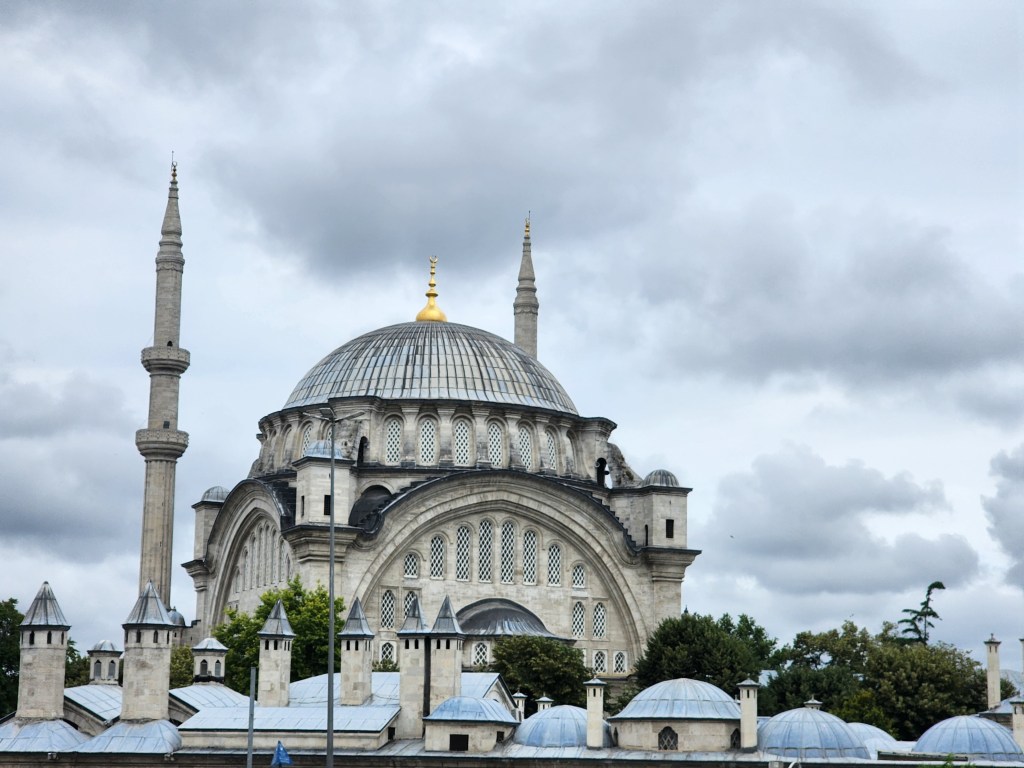
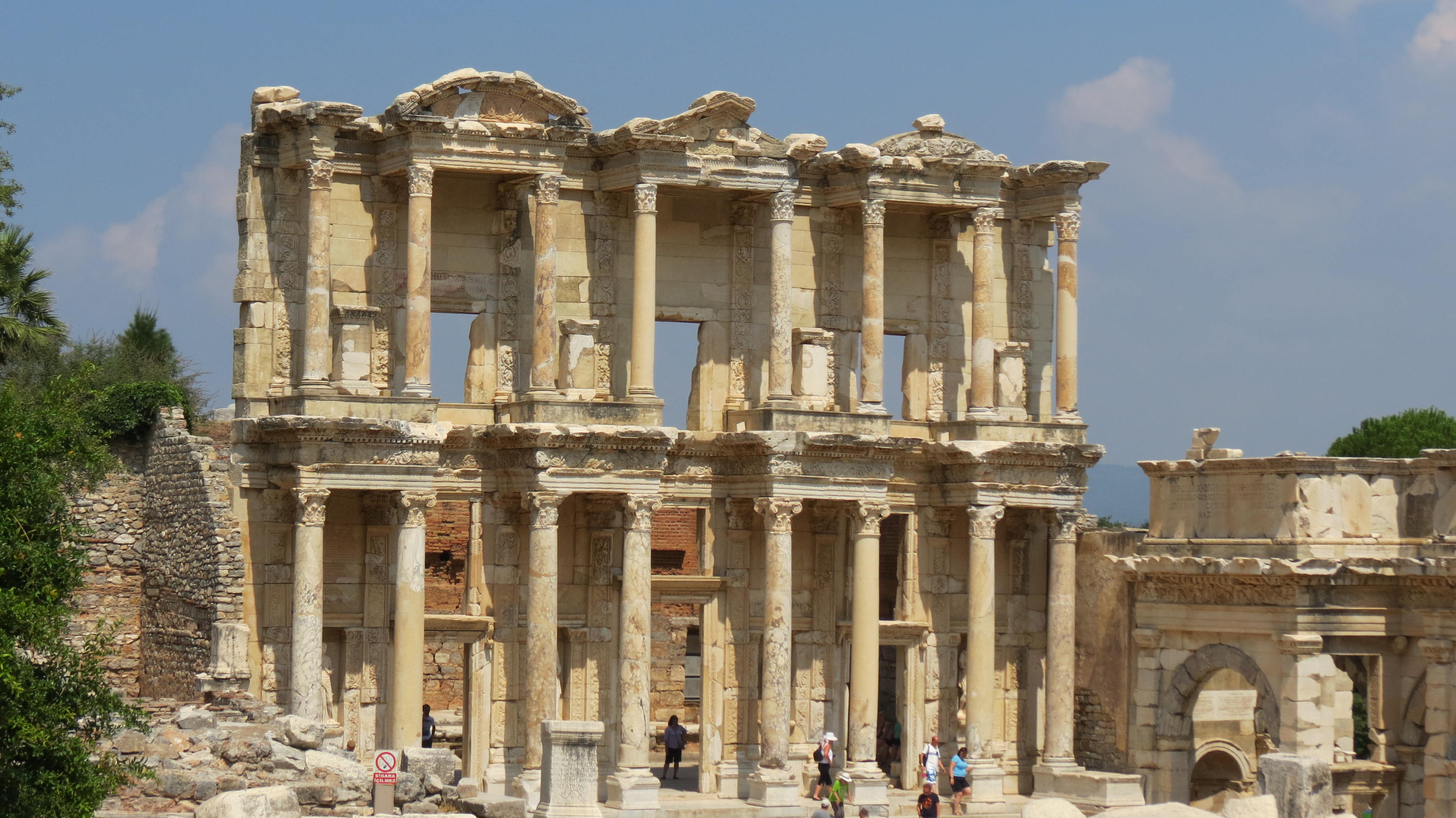
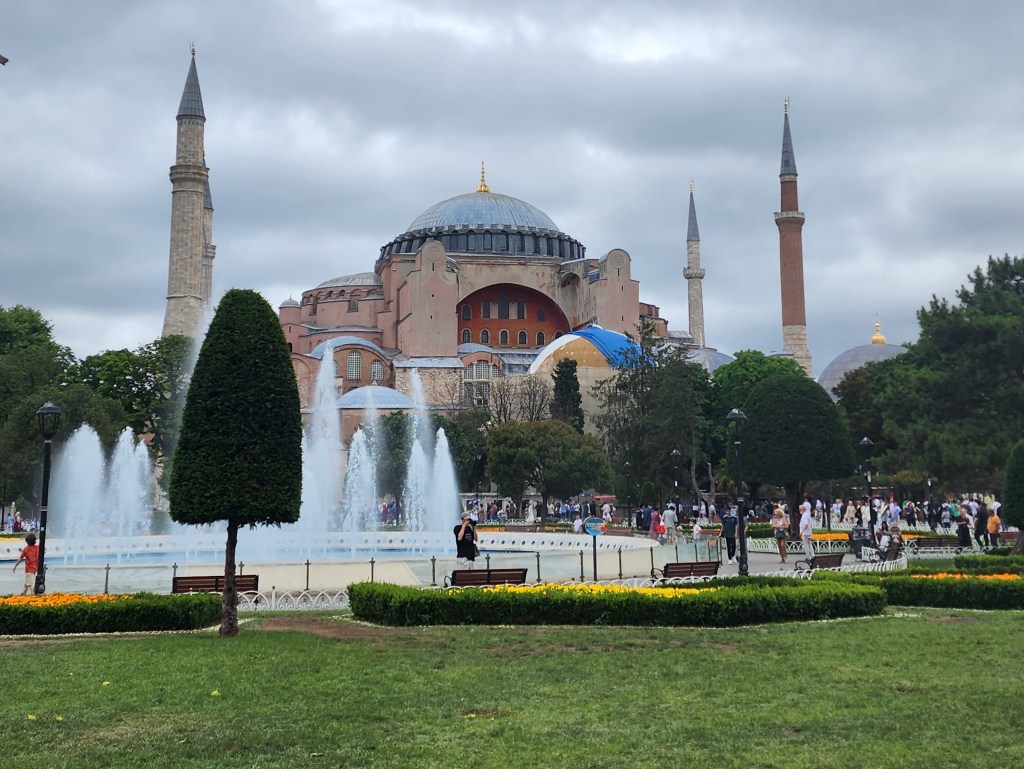
Turkey, the enchanting bridge between Europe and Asia, boasts a rich history and stunning landscapes. Istanbul, straddling the Bosporus, seamlessly blends ancient wonders like the Aya Sofya Museum with modern marvels like the Bosphorus Bridge. Picture-perfect Princess Islands in the Sea of Marmara beckon travelers with their azure waters and lush greenery.

go
The best time to visit Turkey depends on your preferences and travel plans. Here are some considerations:
Shoulder Seasons (Spring and Fall): These months are typically the best all-around options. The weather is pleasant, and large crowds are mostly gone. You’ll find mild temperatures, easy accessibility, and fewer tourists. Istanbul, in particular, is lovely during spring and fall.
Summer (June to August): If you enjoy warm weather and want to explore beaches, summer is ideal. However, it can get quite hot, especially in July. Coastal areas are bustling with activity during this time.
Winter (December to February): While winter has its charm, some attractions may be closed, and the weather can be dreary. However, if you’re a fan of winter sports, consider visiting the mountainous regions.
September: In our opinion, September is an excellent time to visit. The weather is mild, cooling down from summer but still pleasant for beach activities.
do
Here are some of the must-do attractions:

Dolmabahçe Palace in Istanbul: This opulent palace served as the administrative center of the Ottoman Empire during the late 19th and early 20th centuries. It boasts stunning architecture, beautiful gardens, and impressive interiors. You can explore its grand halls, reception rooms, and the famous crystal staircase.
Gülhane Parkı Atatürk Heykeli (Atatürk Statue in Gülhane Park) in Istanbul: Gülhane Park is a peaceful green space located near Topkapı Palace. The statue of Mustafa Kemal Atatürk, the founder of modern Turkey, stands here. It’s a great spot for a leisurely stroll or a picnic.

Antalya: This coastal city on the Turkish Riviera offers a mix of historical sites and natural beauty. Some notable attractions include:
Antalya Museum: Explore artifacts from ancient civilizations, including sculptures, mosaics, and jewelry.
Hadrian’s Gate: A beautifully preserved Roman triumphal arch dating back to the 2nd century.
Düden Waterfalls: Witness the stunning waterfalls that cascade into the Mediterranean Sea.

Istanbul: As Turkey’s largest city, Istanbul is a treasure trove of historical and cultural landmarks. Don’t miss these attractions:
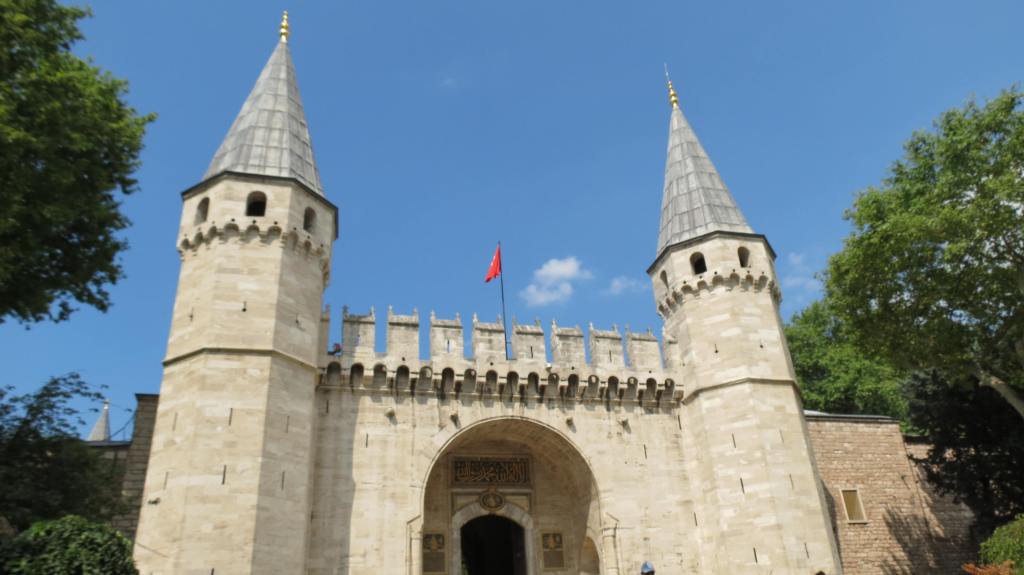
Topkapı Palace: The former residence of Ottoman sultans, featuring exquisite courtyards, museums, and the Harem.
Süleymaniye Mosque: An architectural masterpiece designed by the famous Ottoman architect Mimar Sinan.
Istanbul Archaeology Museums: Explore ancient artifacts, including the sarcophagus of Alexander the Great.
eat
Here are some must-try dishes:

Menemen: A scrambled egg dish cooked in olive oil with tomatoes, green peppers, and spices. Similar to shakshouka, it’s a breakfast favorite.

Lahmacun: Often mistaken for pizza, lahmacun features thinly-rolled dough topped with minced meat, vegetables, and aromatic herbs like cayenne pepper and cumin.

Borek: A savory pastry made with thin layers of filo dough, filled with ingredients like cheese, spinach, spiced ground meat, or potatoes. Baked until crisp and golden.

Kunefe: A sweet dessert made from shredded phyllo dough layered with melted cheese, soaked in sugar syrup, and topped with crushed pistachios.

Iskender Kebab: Slices of lamb or beef served over pita bread, drizzled with tomato sauce, and topped with yogurt and butter.

Baklava: A rich pastry made of layers of phyllo dough, filled with nuts (usually pistachios or walnuts), and sweetened with honey or syrup.
tips
Here are some useful tips:

Currency: The official currency is the Turkish Lira (TRY), denoted by the symbol ₺.
Coins come in denominations of 1, 5, 10, 25, and 50 kuruş. Banknotes are available in values of 5, 10, 20, 50, 100, and 200 Turkish Lira. Exchange rates can fluctuate, so stay informed before exchanging money.

Cash vs. Cards:
While cards are accepted, it’s wise to carry some cash for smaller purchases. US Dollars and Euros are easily convertible into Turkish Lira. Avoid changing money at airports or hotels due to high fees and poor rates.

Safety and Vigilance: Turkey is generally safe, but be cautious of petty crime. Keep your belongings close and avoid wearing expensive jewelry. Be wary of scams, especially in big cities like Istanbul. Ignore overly-friendly strangers and deals that seem too good to be true.
Familiarize yourself with local safety procedures in case of earthquakes.

Blend In and Respect Culture: Dress modestly and avoid flashy attire. Learn a few basic Turkish phrases to connect with locals. Respect religious customs and traditions.

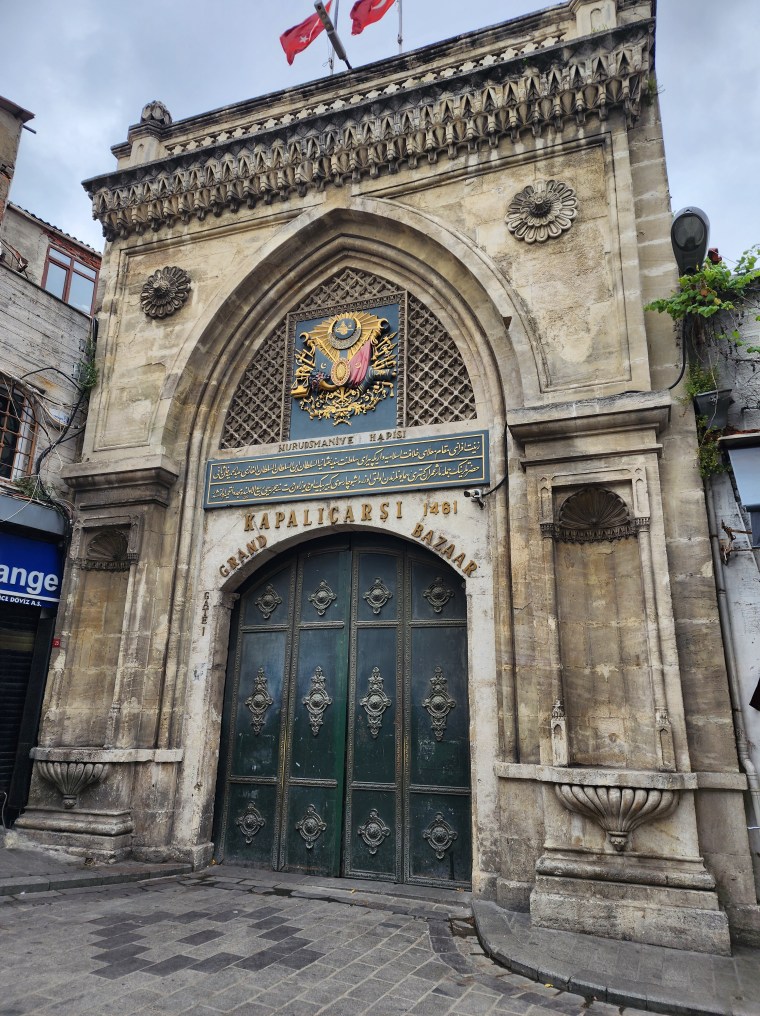
Learn to Haggle: Bargain at markets and bazaars for better prices. Polite negotiation is part of the experience.

Comprehend the Country’s Size: Turkey is vast, so plan your itinerary accordingly. Prioritize regions based on your interests.
 ameropasstravel.com