
A Vibrant Gem
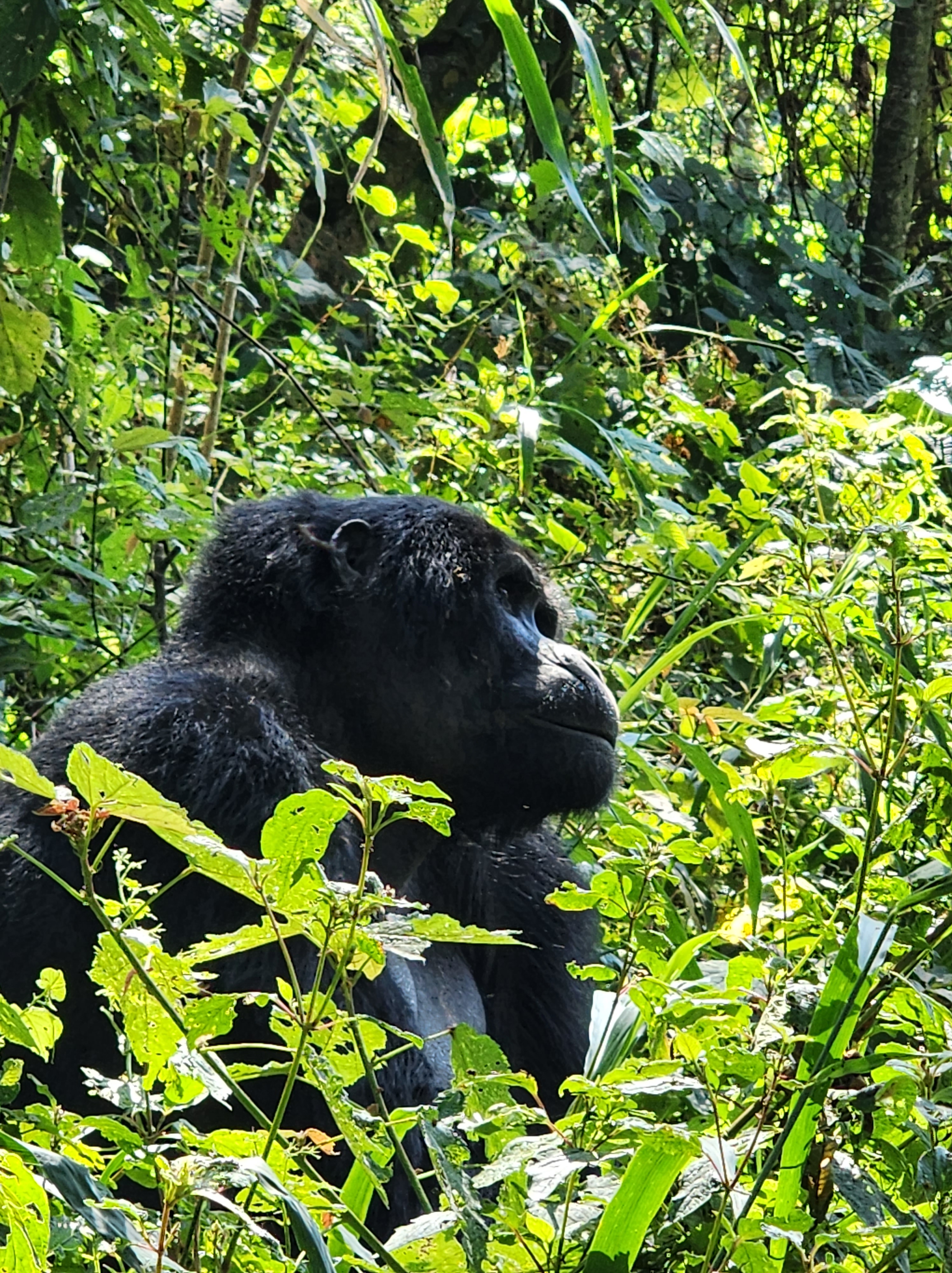
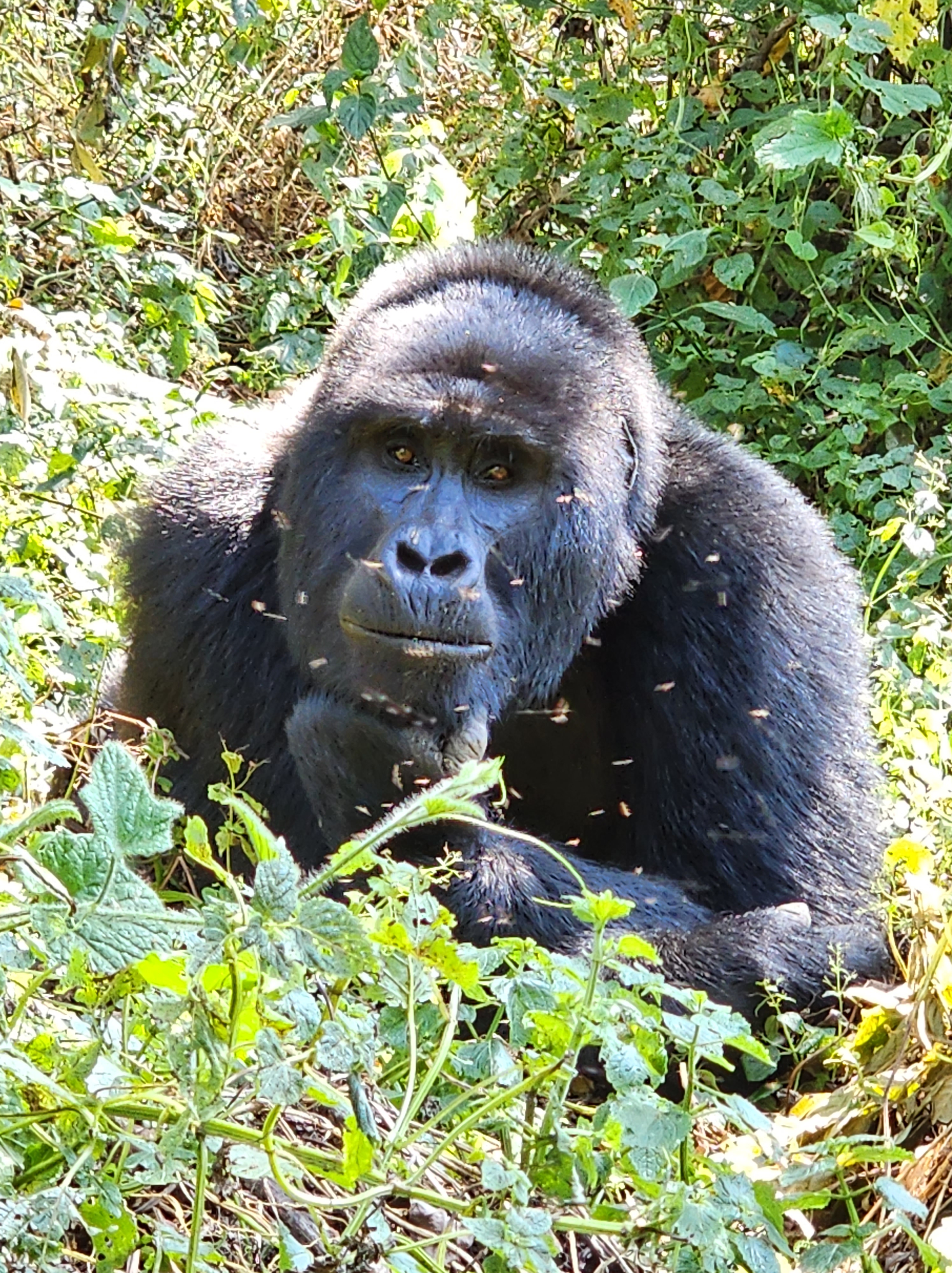
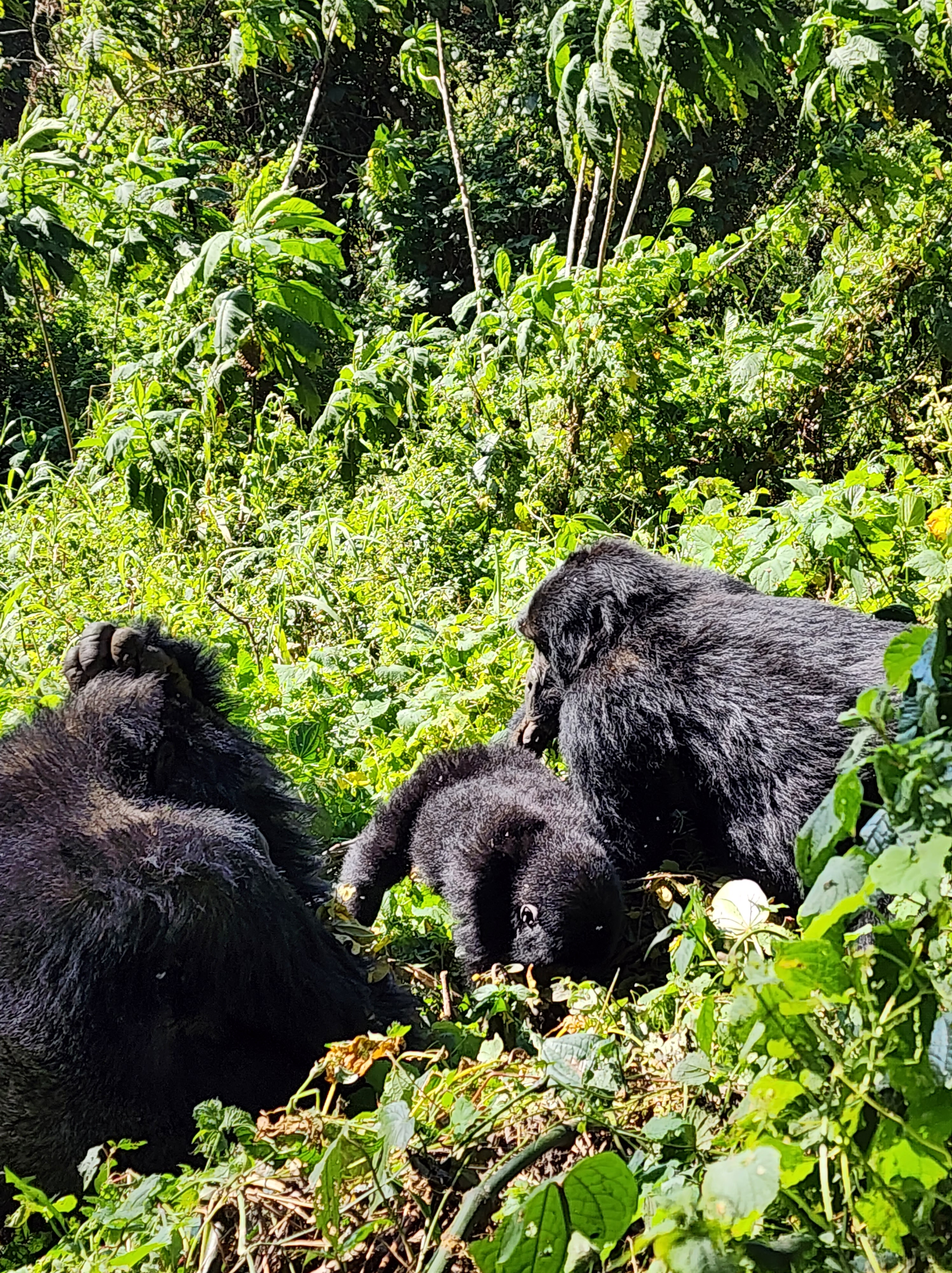
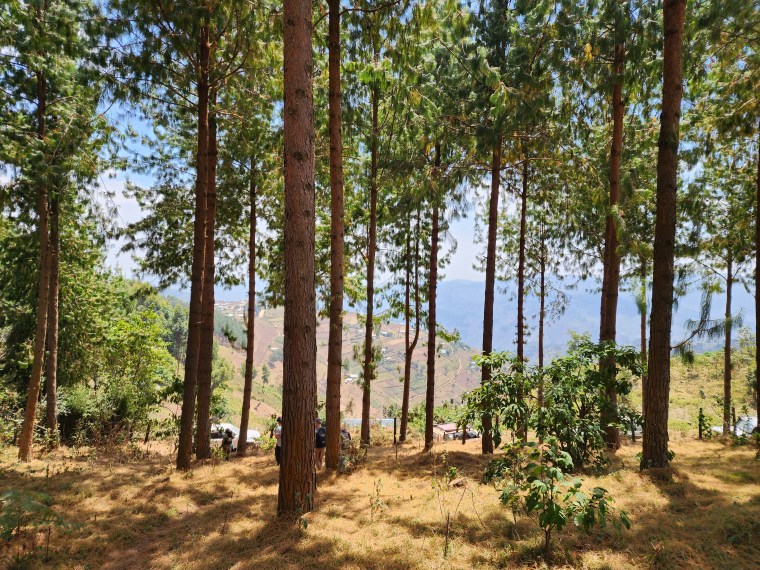
Uganda, nestled in the heart of East Africa, boasts lush green mountains and meticulously cultivated plots. Beyond its stunning landscapes, Uganda is renowned for gorilla tracking. Bwindi Impenetrable Forest and Mgahinga Gorilla National Park are prime spots to witness these gentle giants in their natural habitat.


go
The best time to visit Uganda is during its two dry seasons: December to February and June to August. These months are ideal for trekking to see mountain gorillas and chimpanzees. Additionally, game spotting in national parks is also good between February and March.
do
Here are five must-do attractions:

Gorilla Trekking in Bwindi Impenetrable Forest National Park:
Bwindi Impenetrable Forest is home to nearly half of the world’s mountain gorilla population. Trekking through this dense rainforest allows you to get up close and personal with these magnificent creatures. It’s an unforgettable experience that should be on every wildlife enthusiast’s bucket list.

Explore Queen Elizabeth National Park:
This park offers diverse wildlife, including tree-climbing lions, elephants, hippos, and a variety of bird species. Take a boat safari on the Kazinga Channel to witness wildlife along the water’s edge.

Visit Murchison Falls National Park:
Witness the powerful Murchison Falls where the Nile River squeezes through a narrow gorge. Enjoy game drives to spot lions, giraffes, and buffalo, and take a boat cruise to see hippos and crocodiles.

Track Chimpanzees in Kibale Forest National Park:
Kibale Forest is renowned for its chimpanzee tracking. Trek through the lush forest to observe these playful primates in their natural habitat. You might also encounter other monkey species and colorful birds.

Relax at Lake Bunyonyi:
After gorilla trekking, unwind at the serene Lake Bunyonyi. It’s a picturesque lake surrounded by terraced hills, and you can enjoy canoeing, swimming, or simply taking in the breathtaking views.

Remember to plan ahead, obtain gorilla trekking permits, and follow safety guidelines for an incredible experience in Uganda!
eat
Here are some must-try dishes:

Luwombo (or Oluwombo): A traditional Ugandan stew made with chicken, beef, or fish, steamed with vegetables like carrots, potatoes, and mushrooms, and served in wrapped plantains with peanut sauce.

Posho: Also known as “ugali,” it’s a simple dish made from fine white corn flour mixed with boiling water until it forms a doughy consistency. Pair it with soups or beans for a satisfying meal.

Muchomo: Derived from Swahili, it means “roasted meat.” Muchomo includes various meats like chicken, pork, goat, and sometimes beef, all grilled to perfection.
tips
Here are some useful tips to keep in mind:

Currency: The currency of Uganda is the Ugandan shilling (UGX). It is represented by the currency code UGX in the forex market and is subdivided into 100 cents.

Cultural Respect: Uganda is culturally diverse. Dress modestly, especially when visiting religious sites or participating in cultural events. Learn basic greetings and phrases in the local language to engage with the community and showcase your interest in their culture.

Safety Measures: Follow standard safety procedures, such as keeping personal items within sight, using official taxis, and avoiding displaying expensive technology or large amounts of money in public.

Visa Requirements: Regardless of your passport, you’ll need a tourist visa to travel to Uganda. Apply online through the Directorate of Citizenship and Immigration for a $50 USD e-visa. Yellow Fever vaccination certification is also required for entry.

Health Precautions: Ensure you have necessary vaccinations (including Yellow Fever, DTP, Hepatitis A & B, Typhoid, Cholera, and Malaria).
 ameropasstravel.com