
Peaceful, Coastal Gem
Uruguay, officially known as the Oriental Republic of Uruguay, lies on the southeastern coast of South America. Its stunning natural beauty, delicious cuisine, safety, and progressive policies have made it a sought-after destination for travelers and an appealing place to call home.



go
The best time to visit Uruguay is during its summer months, which are between November and February. Temperatures are pleasant, sitting around 72°F to 84°F. This is an especially good time to visit the coastal areas, as many of the beach resorts close as soon as summer slips into autumn. Additionally, if you’re looking for lovely ocean breezes and blue skies, October to March is ideal. Punta del Este beckons tourists during these months, with ocean winds keeping visitors cool while they improve their suntan. Keep in mind that Uruguay’s distinct seasons are reversed from those in the Northern hemisphere, so summer is from December to February, and winter from June to August. If you prefer to avoid the crowds, consider visiting during the country’s spring (September to November), when temperatures rise and days grow longer. During spring, you can explore cities like Montevideo and enjoy the coastal region without the summer rush.
do
Here are some must-do attractions:

Montevideo: Uruguay’s capital city, Montevideo, is a blend of Neoclassical and colonial architecture. Stroll through Ciudad Vieja, the oldest part of the city, where you’ll find landmarks like the Citadel Gate and the green square Plaza Independencia. Don’t miss the Mercado del Puerto for world-class cuisine, and enjoy the beaches along the Rambla.

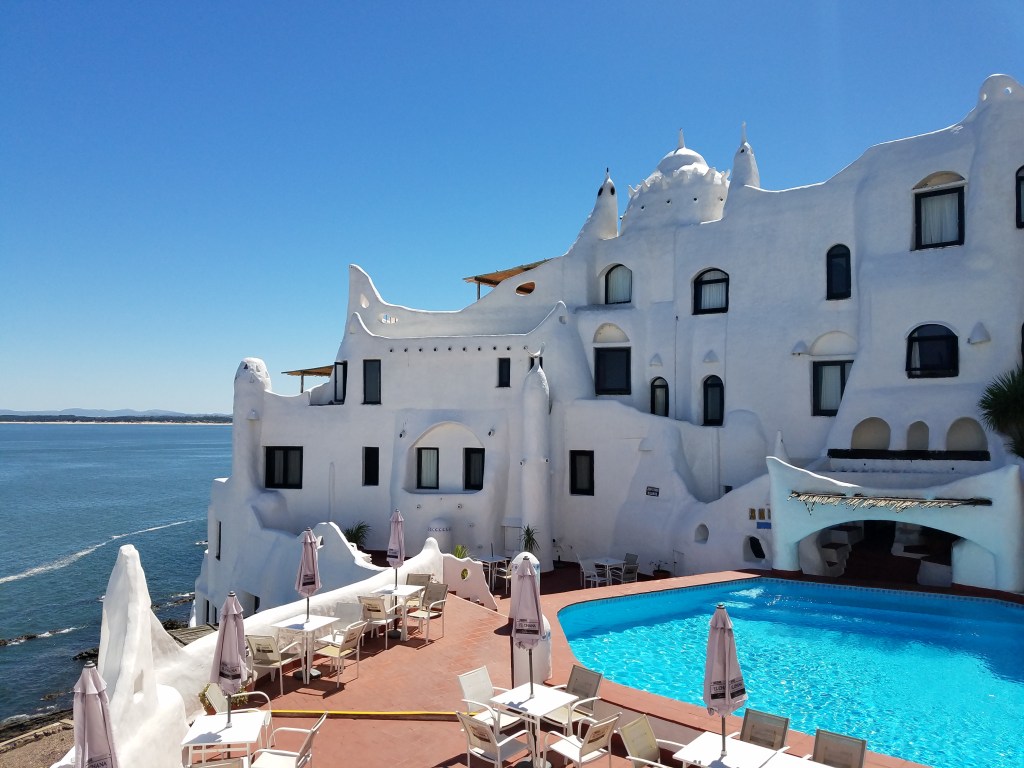
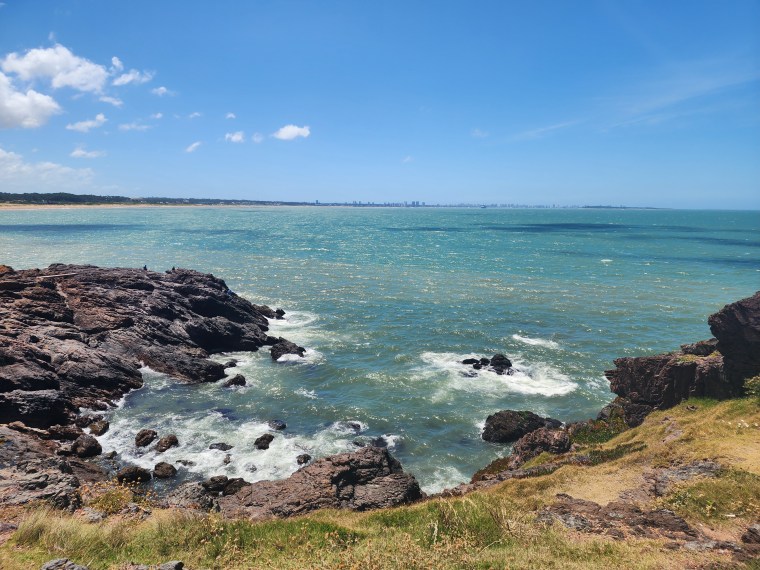
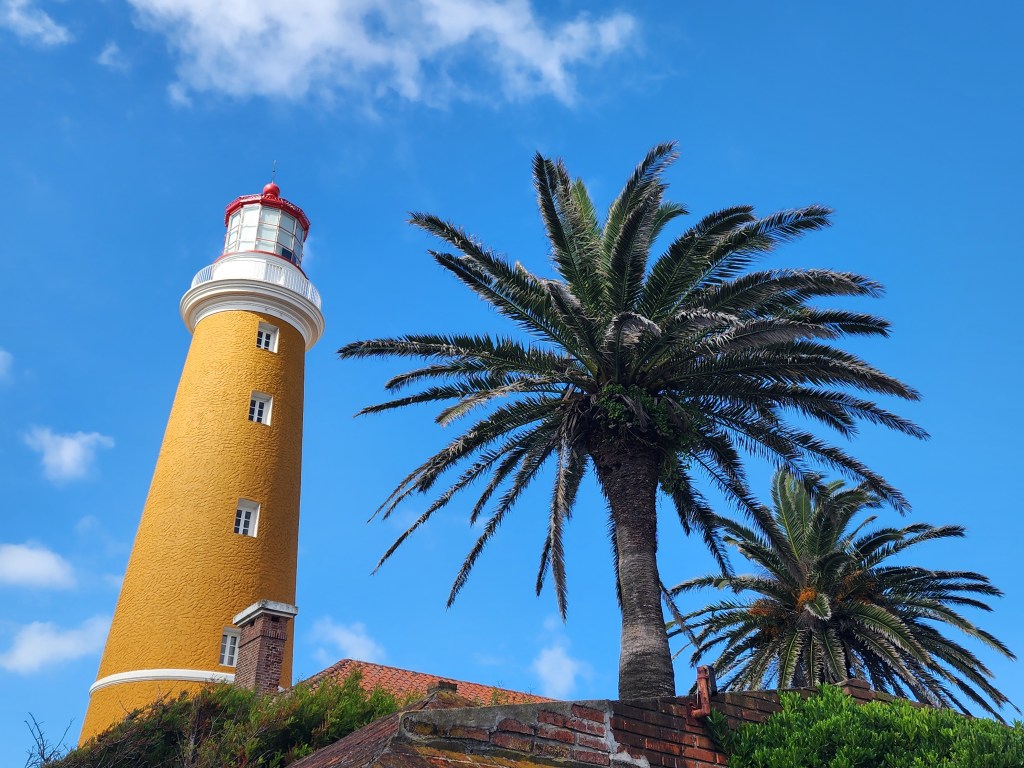
Punta del Este: Known as “the Monaco of the South,” Punta del Este is a glamorous beach resort area. Its fine golden sand beaches, water sports, and haute cuisine attract models, actors, and the wealthy. You can also spot southern right whales here and explore the Museum of the Sea.

Colonia del Sacramento: Discover the past in this charming UNESCO World Heritage Site. Colonia del Sacramento boasts cobblestone streets, historic buildings, and a picturesque waterfront. It’s a great place to immerse yourself in colonial history.

Cabo Polonio: Visit this remote coastal village to spot sea lions and enjoy the rugged natural beauty. Cabo Polonio is a protected national park with pristine beaches and sand dunes.

Candombe During Carnival Season: Experience the vibrant Candombe drumming and dancing during Uruguay’s Carnival season. It’s a lively celebration influenced by African heritage.

Gaucho Culture: Explore the countryside and learn about Uruguay’s gaucho (cowboy) culture. You can visit estancias (ranches) and witness traditional horsemanship.

José Ignacio: Explore the dunes and beaches of José Ignacio, a trendy coastal town known for its laid-back atmosphere and upscale restaurants.

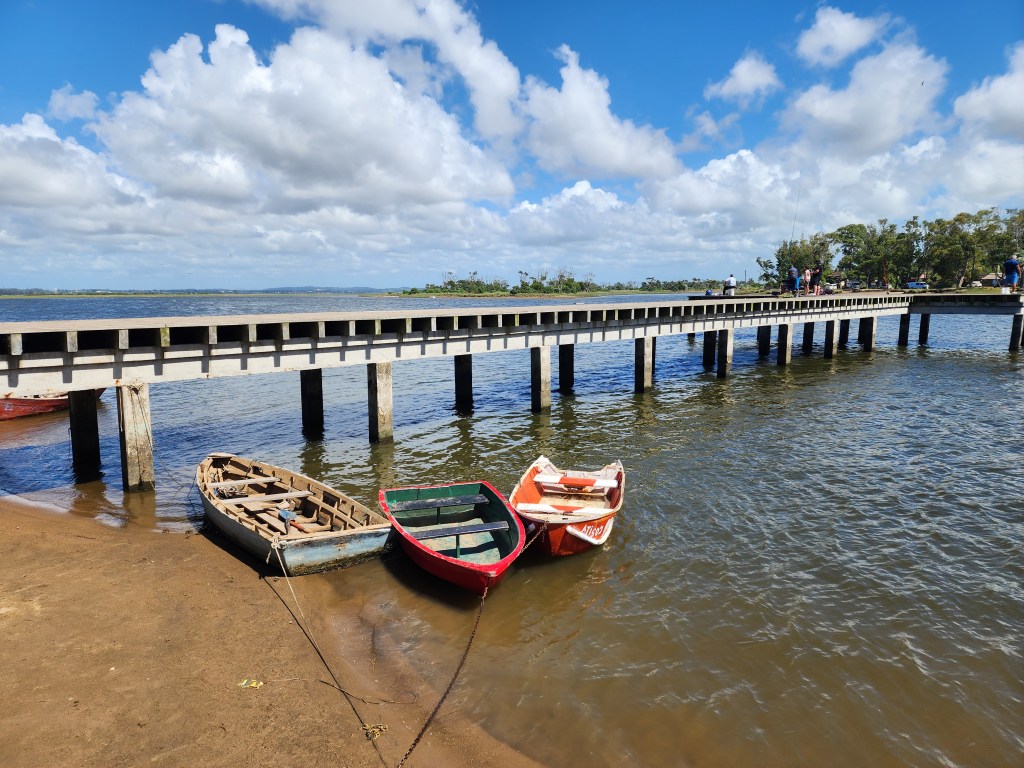
Wetlands and Secret Lagoons: Discover Uruguay’s wetlands and hidden lagoons, especially in areas like Laguna de Rocha and Laguna Garzón.
eat
Here are some must-try foods:

Asado: Uruguayans excel at barbecues, and asado is their national dish. It’s a mouthwatering grilled meat feast that includes various cuts of beef, sausages, and ribs cooked over an open flame. The smoky flavors are irresistible.

Chivito: Imagine a loaded beef sandwich, and you’ve got the chivito. It features beef steak, melted cheese (usually mozzarella), tomatoes, pickles, eggs, and mayonnaise. Served with fries, it’s a hearty and satisfying meal.

Churros with Dulce de Leche: These doughnut-like sweet snacks are dipped in dulce de leche, a creamy sauce made from milk, sugar, and sometimes vanilla. The combination is heavenly and a favorite treat in Uruguay.

Alfajores: These famous sweets consist of two soft cookies sandwiched together with a layer of dulce de leche. They’re often dusted with powdered sugar and utterly delightful.

Empanadas: These savory pastries are popular across the Americas. In Uruguay, they’re filled with a variety of ingredients, such as meat, cheese, or vegetables, and baked to perfection.

Tortas Fritas: These little biscuity-bread snacks are enjoyed on rainy days. They’re often served with dulce de leche or jam.

Fainá: A thin chickpea flour pancake that pairs wonderfully with pizza or asado. It’s a unique Uruguayan specialty.

Choripán: A chorizo sausage sandwich served with chimichurri sauce. Perfect for street food cravings!
tips
Here are some useful tips:

Currency: Uruguay uses the Uruguayan peso (UYU). It’s advisable to exchange some currency before your trip or withdraw cash from ATMs once you arrive. Credit cards are widely accepted, but having some cash on hand is helpful for smaller purchases.

Costs: Uruguay can be surprisingly expensive, especially compared to other South American countries. Be prepared for higher prices, but it’s worth it for the experience.

Surf Towns: If you’re a surfer, you’ll love beach towns like La Pedrera and Punta del Diablo. However, keep in mind that these places become ghost towns between April and November. If you want a lively atmosphere, visit during the peak season.

Late Dinners: Dinner in Uruguay starts no sooner than 9:00 PM. Locals often stay out until the early morning hours, so get ready for some late nights.

Buenos Aires: Uruguay is just a short ferry ride away from Buenos Aires. Consider taking the Buquebus ferry from Colonia del Sacramento or other cities to explore Argentina as well.

Beautiful Beaches, Cold Water: Uruguay’s beaches are stunning, but the water can be chilly. Most of them are on the southern Atlantic Ocean, which isn’t known for warm waters.
 ameropasstravel.com