
Vibrant Wildlife, Stunning Landscapes
Zambia, a landlocked country in southern Africa, offers a captivating blend of adventure, wildlife, and natural beauty. Whether you’re exploring national parks, going on safari, or witnessing the stunning Victoria Falls, Zambia promises an unforgettable experience.

go
The best time to visit Zambia is during the dry season between June and November. The skies are cobalt blue, the days are hot, and the nights are cool. Temperatures can sit anywhere from 73°F to 97°F across the country. Wildlife-spotting opportunities are plentiful during this time too, as animals gather around the limited water sources.
do
Here are some must-do attractions:

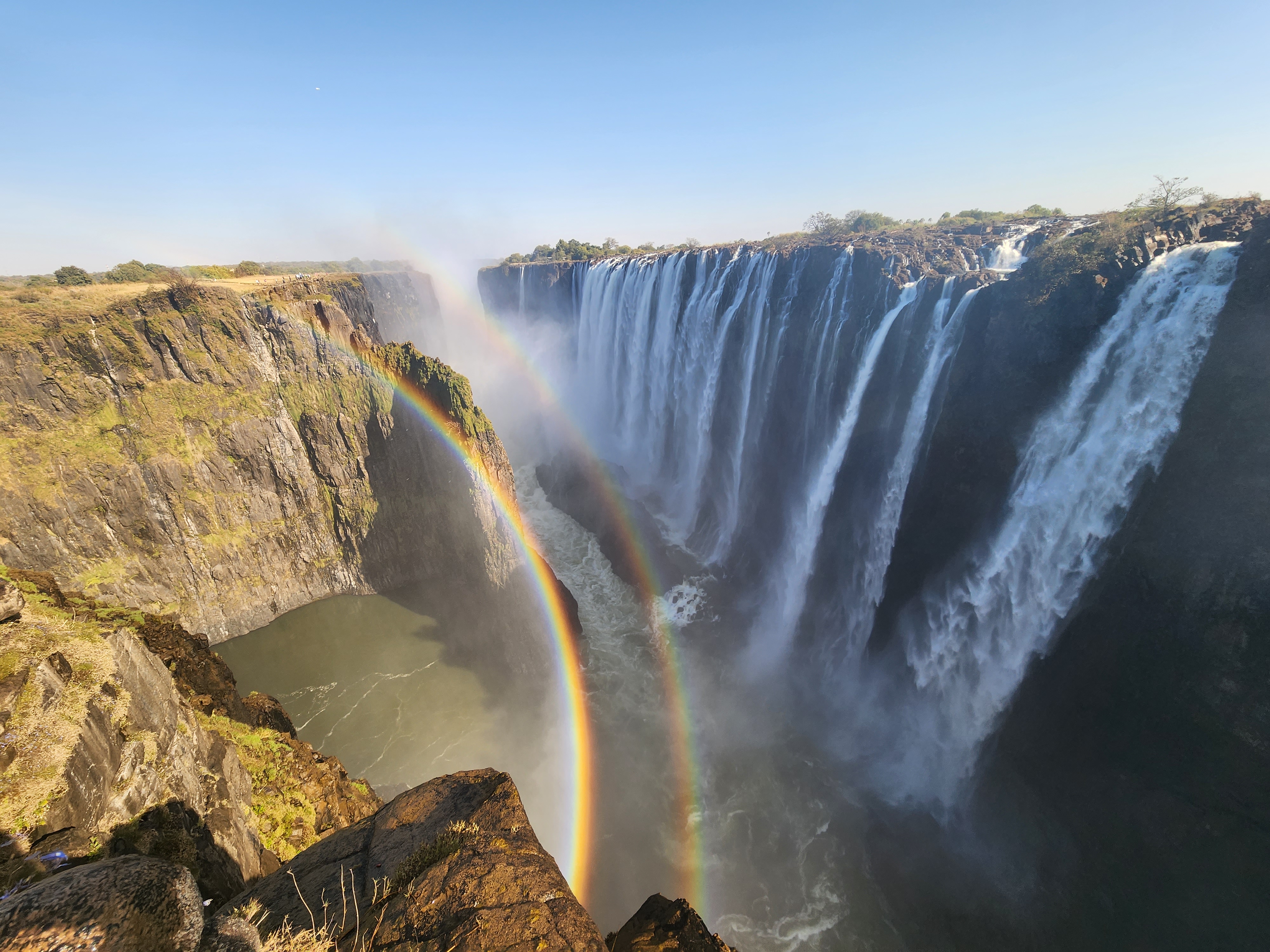
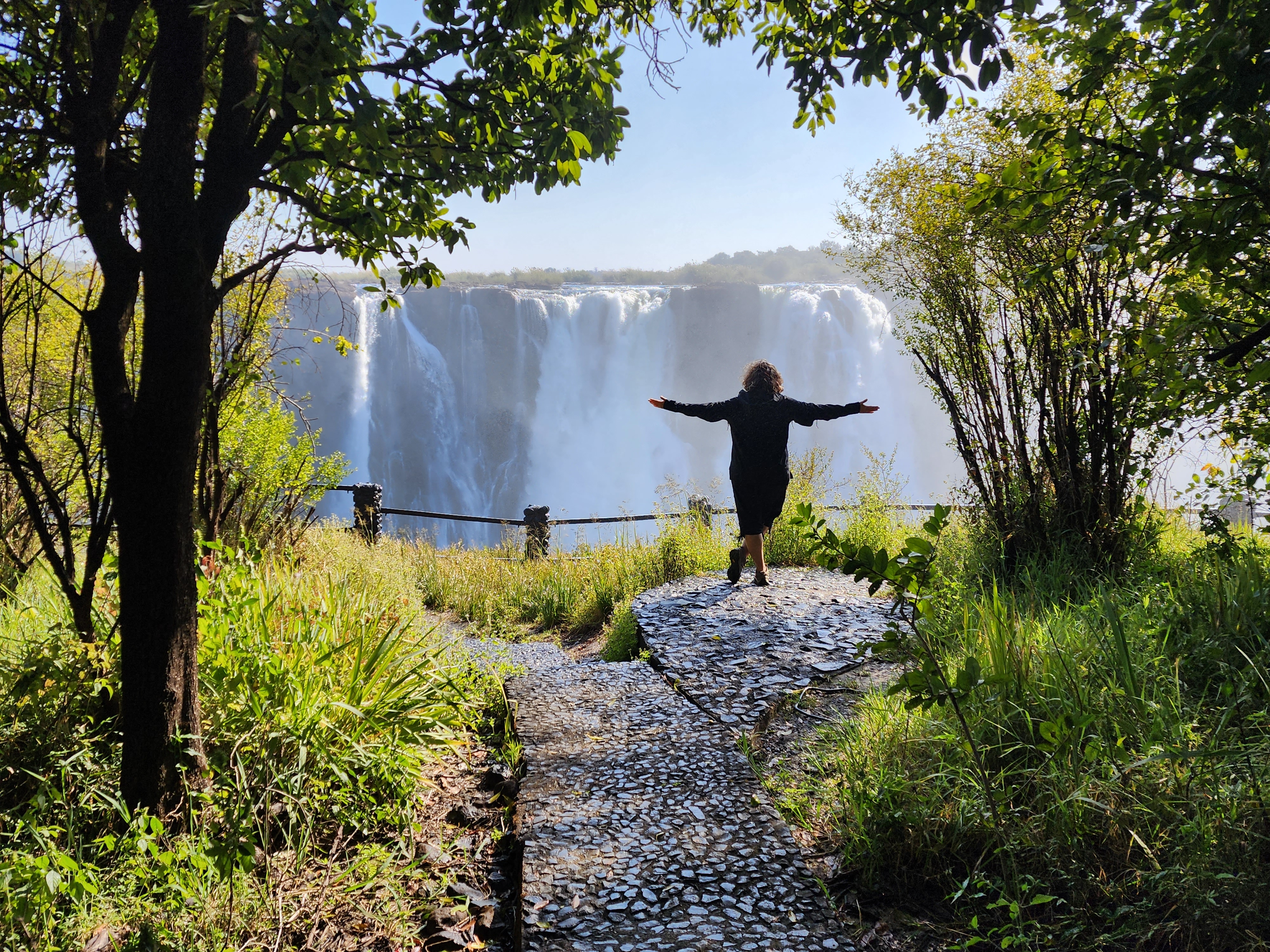
Victoria Falls: Located near Livingstone, Victoria Falls is a magnificent natural wonder where the Zambezi River plunges into a gorge with a thunderous roar. You can admire the falls from various viewpoints or get closer to the action with activities like bungee jumping, white-water rafting, or helicopter rides.

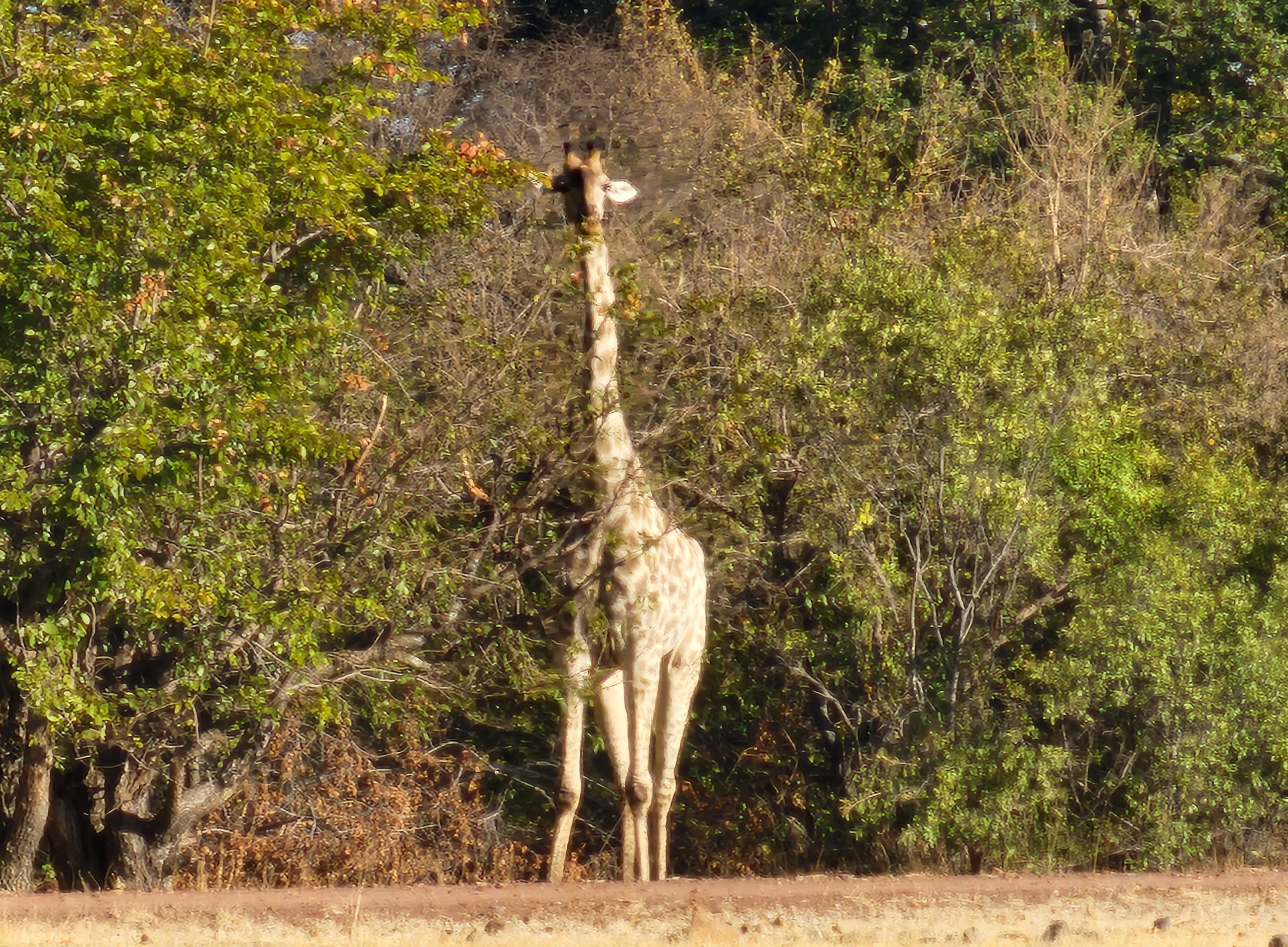
South Luangwa National Park: Known for its stunning scenery, diverse wildlife, and dense animal populations, South Luangwa is one of the best parks in Zambia and one of the most majestic in Africa. It’s an excellent destination for safari enthusiasts.

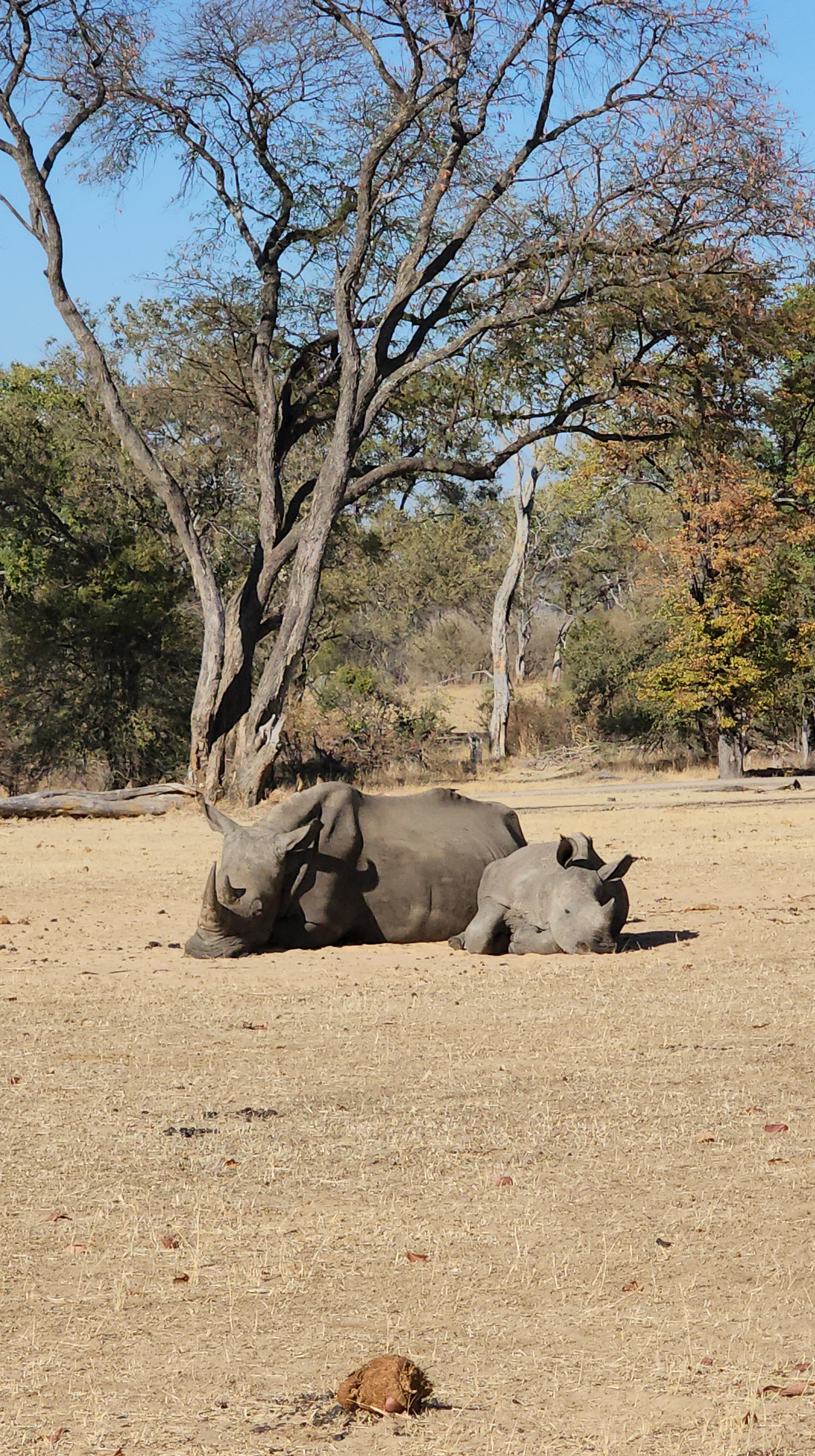
Lusaka National Park: Surprisingly close to the capital city, Lusaka National Park allows you to see rhinos in the wild. It’s a unique experience just 15 kilometers from Lusaka itself.

Devil’s Pool: Another highlight near Livingstone, Devil’s Pool offers a thrilling experience. It’s not only one of the most exciting spots at Victoria Falls but also in all of Africa. The journey to Livingstone Island is hair-raising and unforgettable.

Bangweulu Wetlands: Located north of Livingstone, the Bangweulu Wetlands are a watery wilderness of lakes, grasslands, swamp, and unspoiled miombo woodland. It’s a haven for birdwatchers and nature enthusiasts.
eat
Here are some must-try dishes:

Nshima: This thick porridge made from finely ground maize flour (known locally as mealie-meal) is the cornerstone of Zambian cuisine. Pair it with delicious stews or soups for an authentic experience.

Ifisashi: A dish with deep roots in Zambian cuisine, ifisashi features pounded peanuts, onions, tomatoes, and green leaf vegetables (such as pumpkin, sweet potatoes, spinach, or collard greens).

Chikanda: Also known as “African polony,” chikanda is a unique Zambian meatball made from groundnuts (peanuts) and spices.

Kapenta: These small fish, often dried or fried, are a delicacy from Lake Tanganyika.

Biltong: Zambian dried meat at its finest—perfect for meat lovers.

Impwa: A vegetable dish made from eggplants (aubergines), often cooked with tomatoes and onions.

Inswa: Edible caterpillars, a protein-rich snack enjoyed by locals.

Chibwantu: Fermented maize porridge, similar to sourdough bread.

Vinkubala: Fried caterpillars, another unique Zambian delicacy.
tips
Here are some useful tips to consider:

Currency: The currency of Zambia is the Zambian kwacha (ISO 4217 code: ZMW). As of the latest update, 1 US Dollar is equivalent to approximately 25.27 Zambian Kwacha.

Safety: While Zambia is relatively safe for tourists, it’s essential to stay vigilant and follow local advice. Keep your belongings secure and be cautious when exploring unfamiliar areas.

Cultural Etiquette: Zambians value greetings and politeness. A friendly “hello” or “how are you?” goes a long way.

Communication: Cell phones work well in Zambia.

Languages: English is the official language, but locals also speak Bemba, Nyanja, and other indigenous languages.

Getting Around: Be prepared for vast distances. Public transport is limited, so consider hiring a private taxi or self-driving.
 ameropasstravel.com